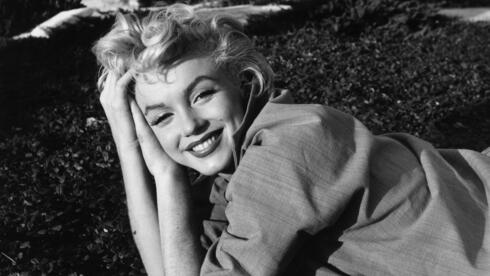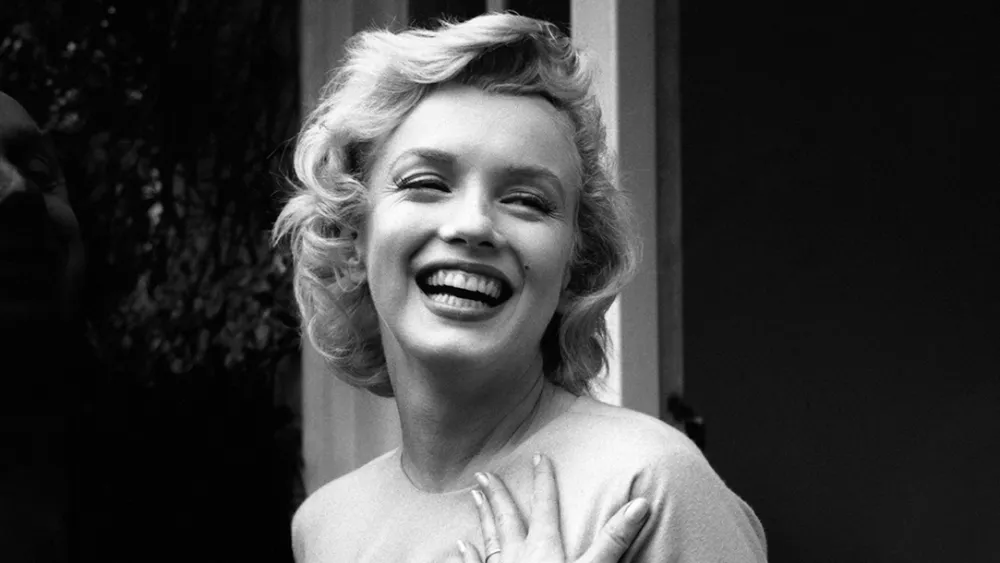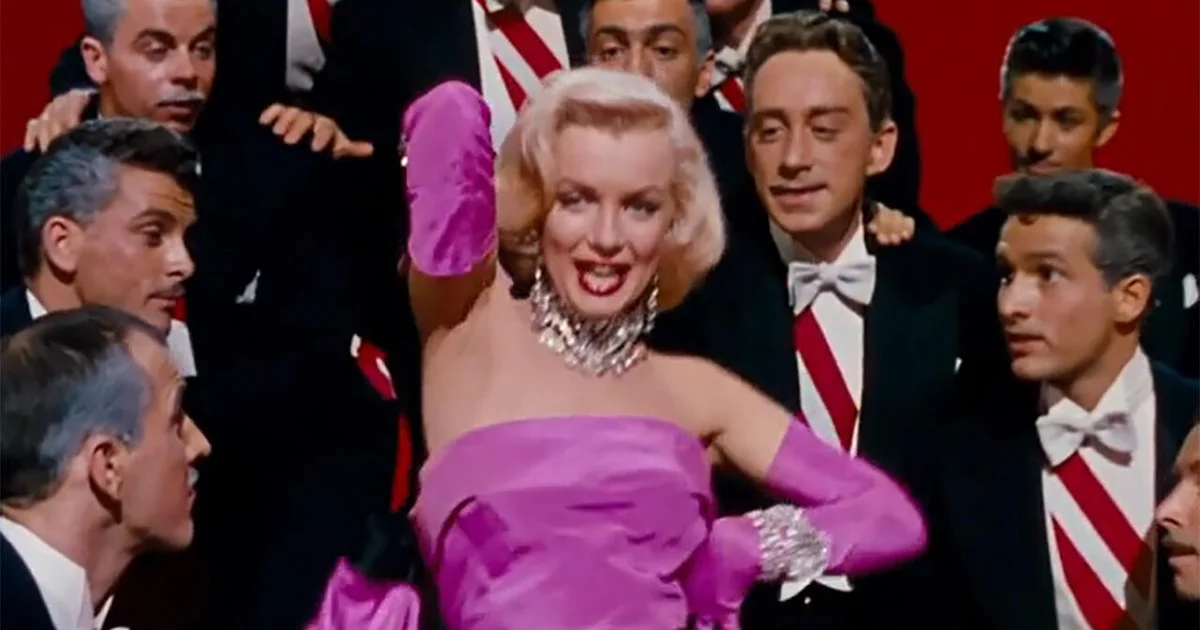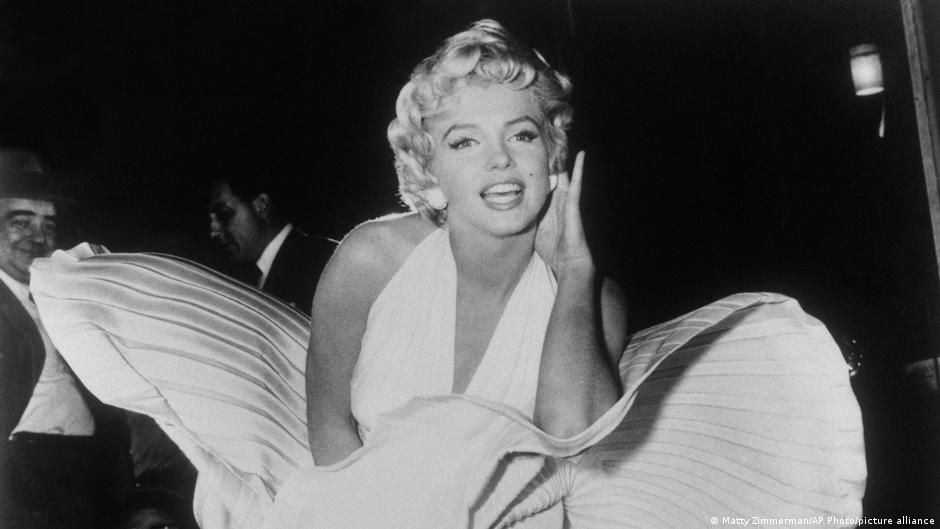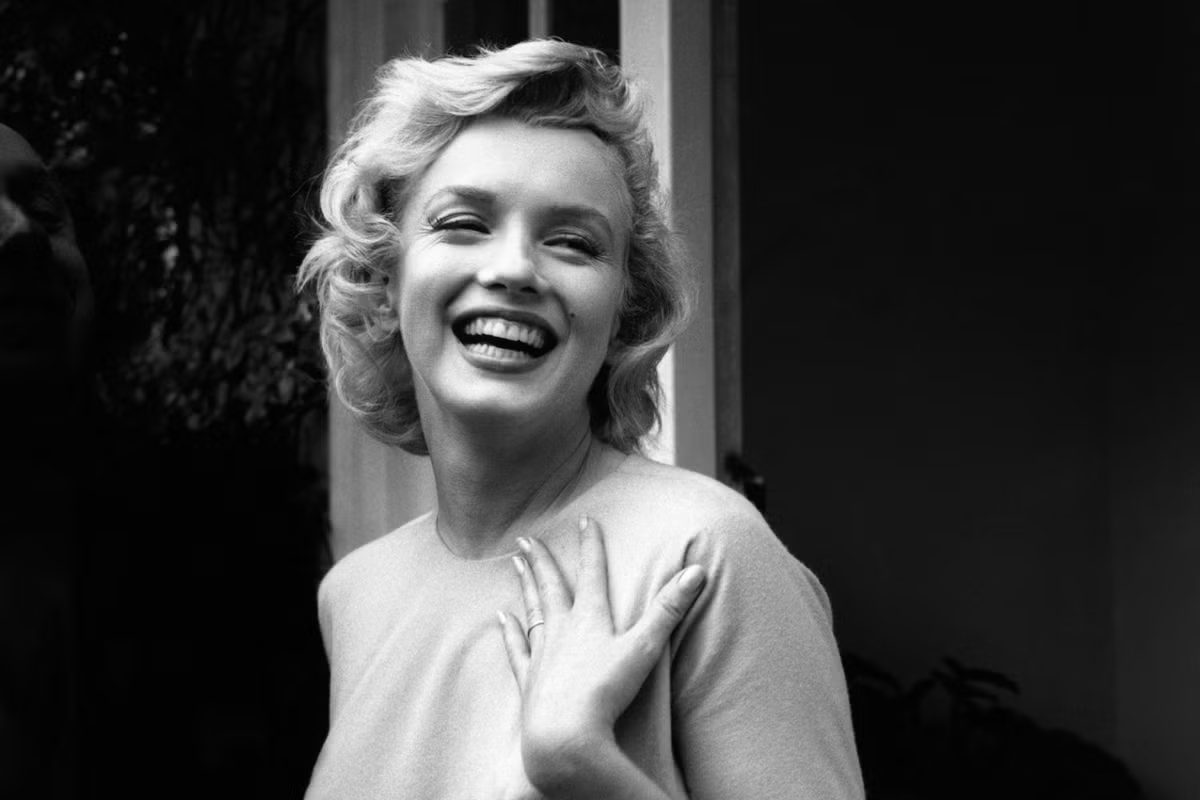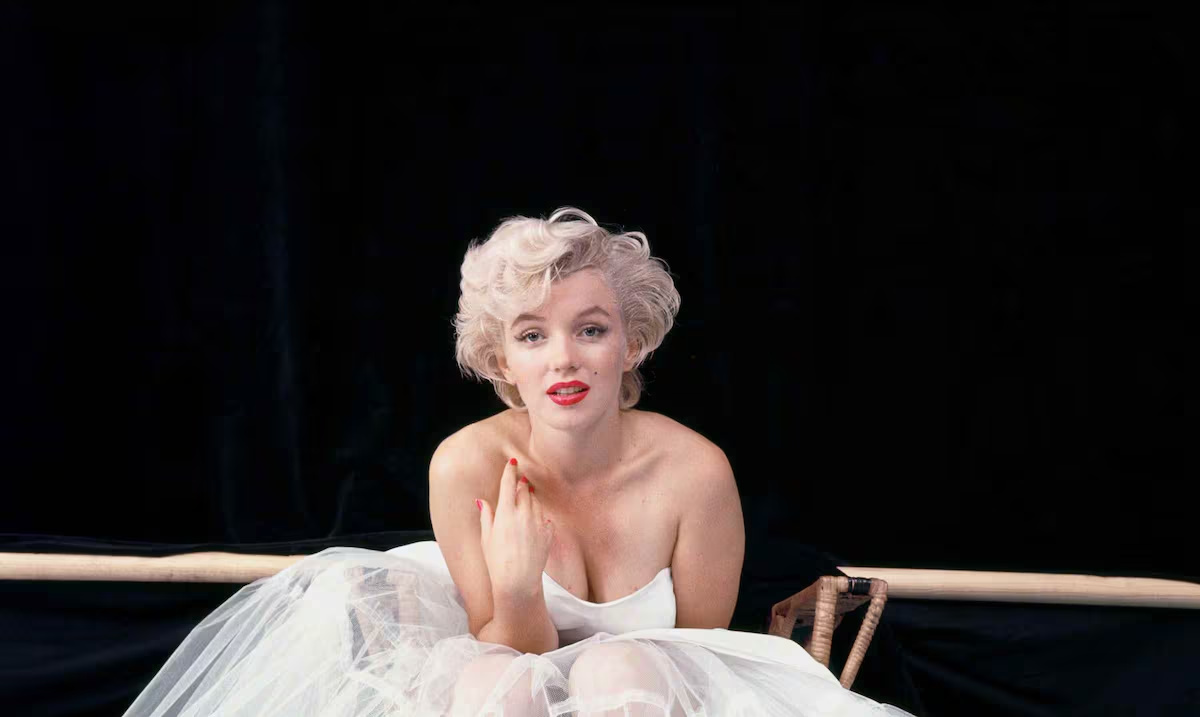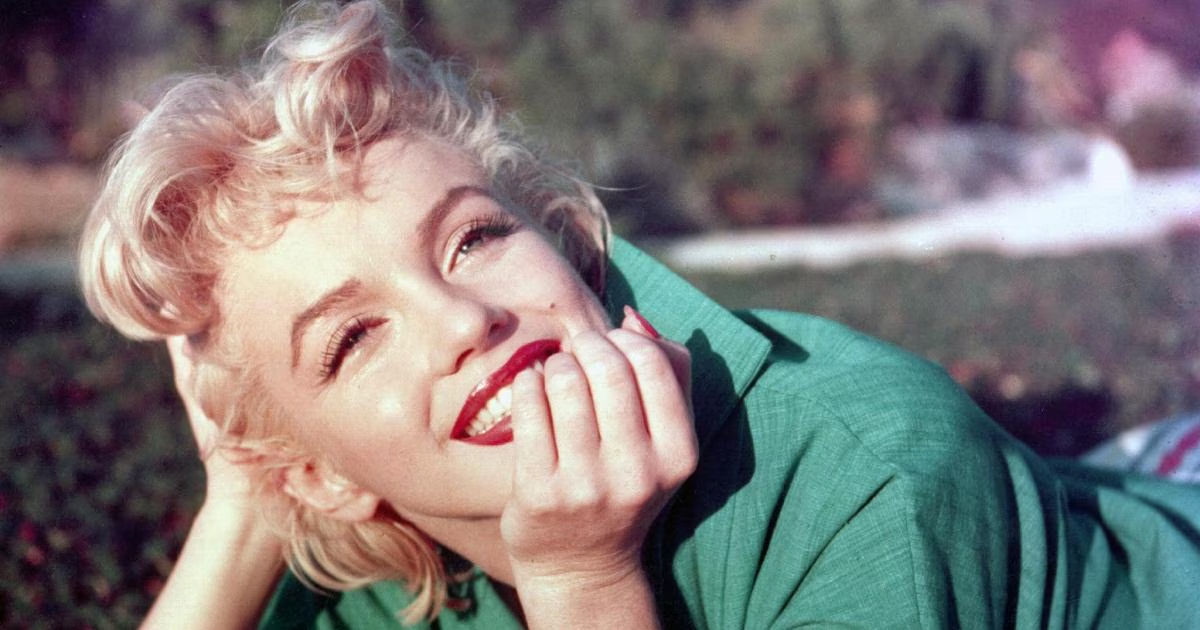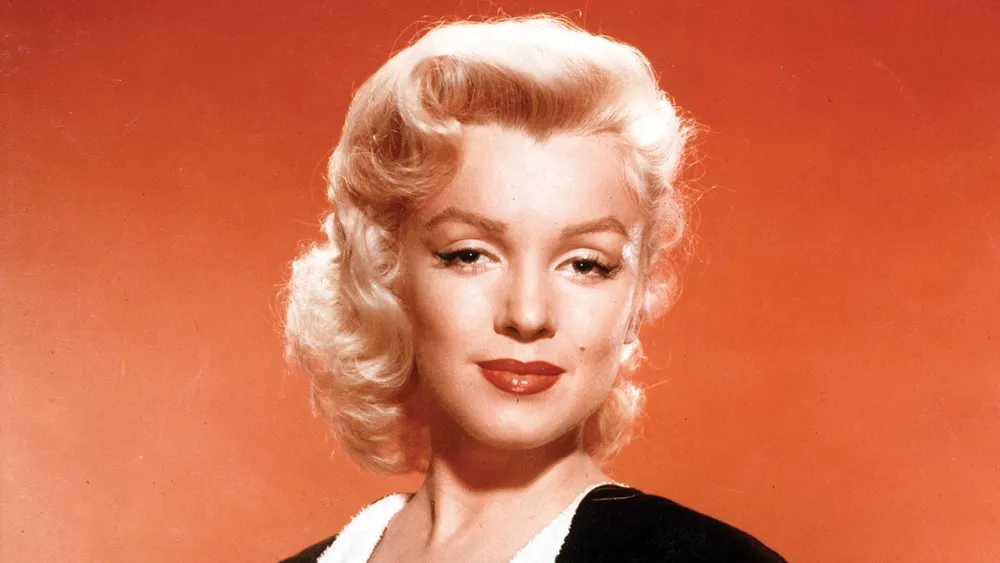
What is it — even still — about Marilyn Monroe?
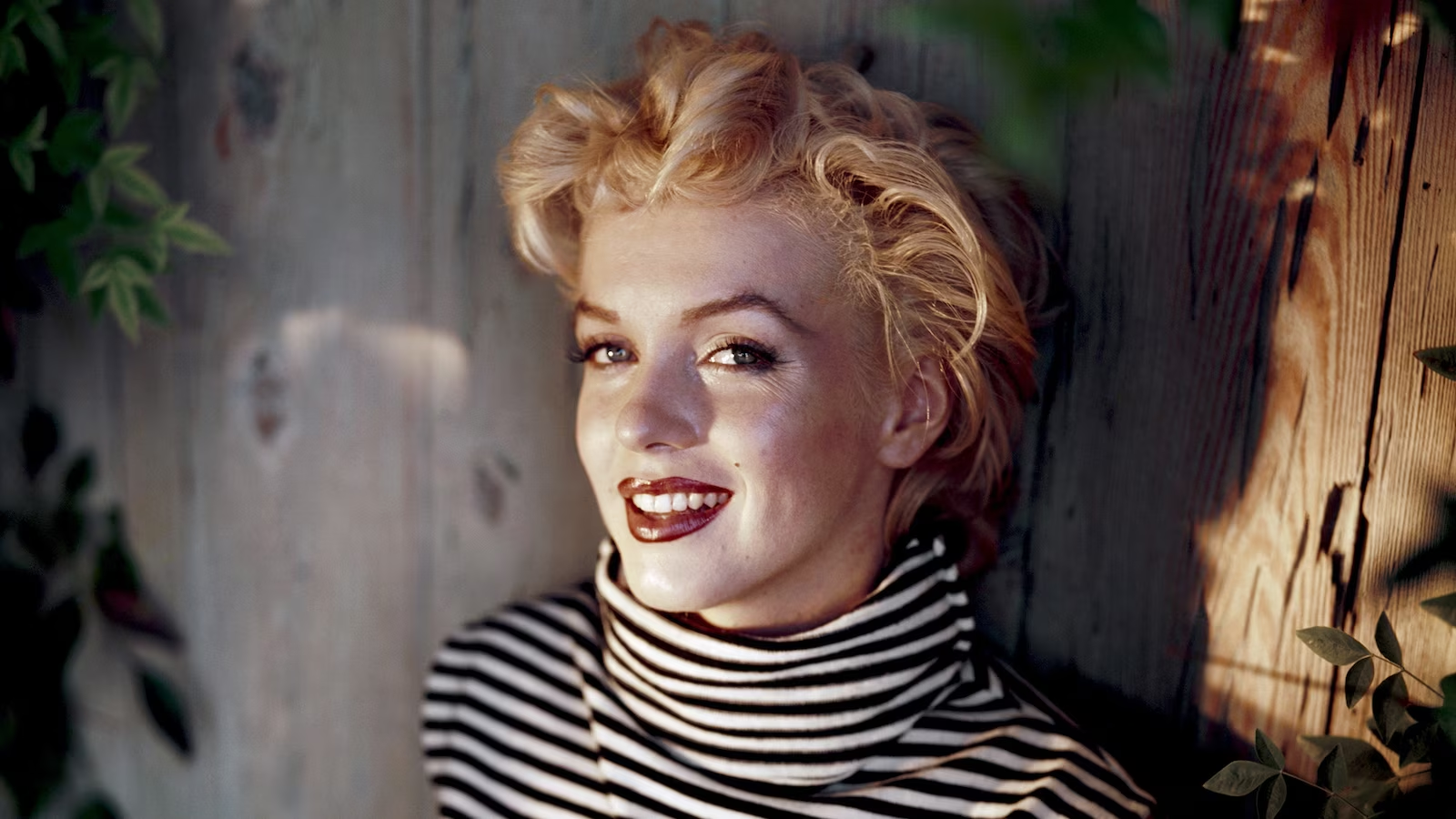
A century after her birth, the woman born Norma Jeane still has American culture hanging on her every breathy vocalization. Monroe remains the ultimate standard-bearer of Hollywood glamour — a woman who died (in 1962, at the tragically premature age of 36) before the sexual revolution but who helped usher in a revved-up sensuality onscreen. The era she inaugurates lives on: A certain stripe of actress will inevitably be compared, first, to Monroe. The star has been the butt of too many mean jokes, the object of veneration and a muse for film and literary retellings that have elevated her into the realm of myth.
Consider some of those adaptations of her story, to understand why it is that Monroe still compels us. In the 2011 film “My Week With Marilyn,” for instance, Monroe is near the end of her life, and nearer the end of her career. Trudging through production of the vexed project “The Prince and the Showgirl,” Monroe — who would reignite things briefly with her next, ebulliently witty performance in Billy Wilder’s 1959 classic “Some Like It Hot” — is wounded and addled. Played by Michelle Williams at her most tremulous, this Marilyn is something like a butterfly that Hollywood wants to pin to a board and display. The project honors Monroe, but sees her, first and almost exclusively, as a victim, one who Eddie Redmayne’s gentle production assistant tries and fails to save.