Bond traders went into the May 2026 jobs report expecting weakness. They got the opposite. Nonfarm payrolls surged by 172,000, roughly double the 80,000 to 85,000 consensus estimate, and the resulting market reaction was swift, painful, and entirely predictable for anyone who’s watched this movie before.
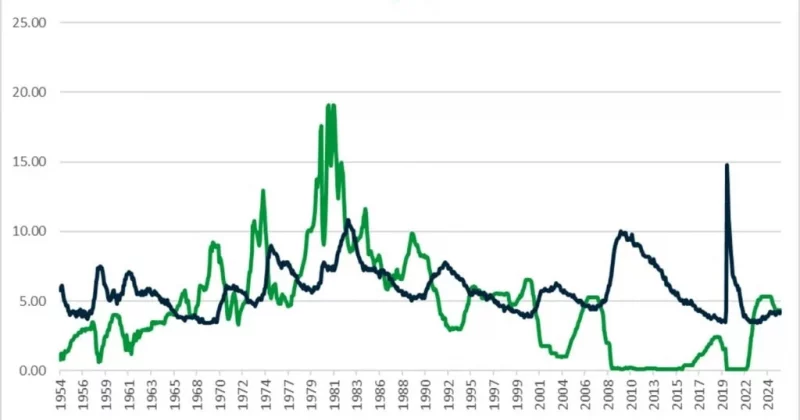
The unemployment rate held steady at 4.3%, offering no comfort to those who had bet on deteriorating labor conditions as a catalyst for Treasury price gains. Instead of the rally bond bulls were hoping for, yields spiked. The 2-year Treasury yield climbed to 4.16%, its highest level in over a year. The 10-year yield blew past 4.5% almost immediately after the data dropped.
The setup that didn’t pan out
The prevailing thesis going into May’s release was that the labor market was softening. A weak print would have validated bets on Federal Reserve rate cuts, pushing Treasury prices higher and yields lower.
Pre-report positioning had already baked in a resilient labor market to some degree, with traders pricing in potential Fed rate hikes extending into 2027. But the magnitude of the beat, nearly doubling expectations, caught even the cautious off guard.