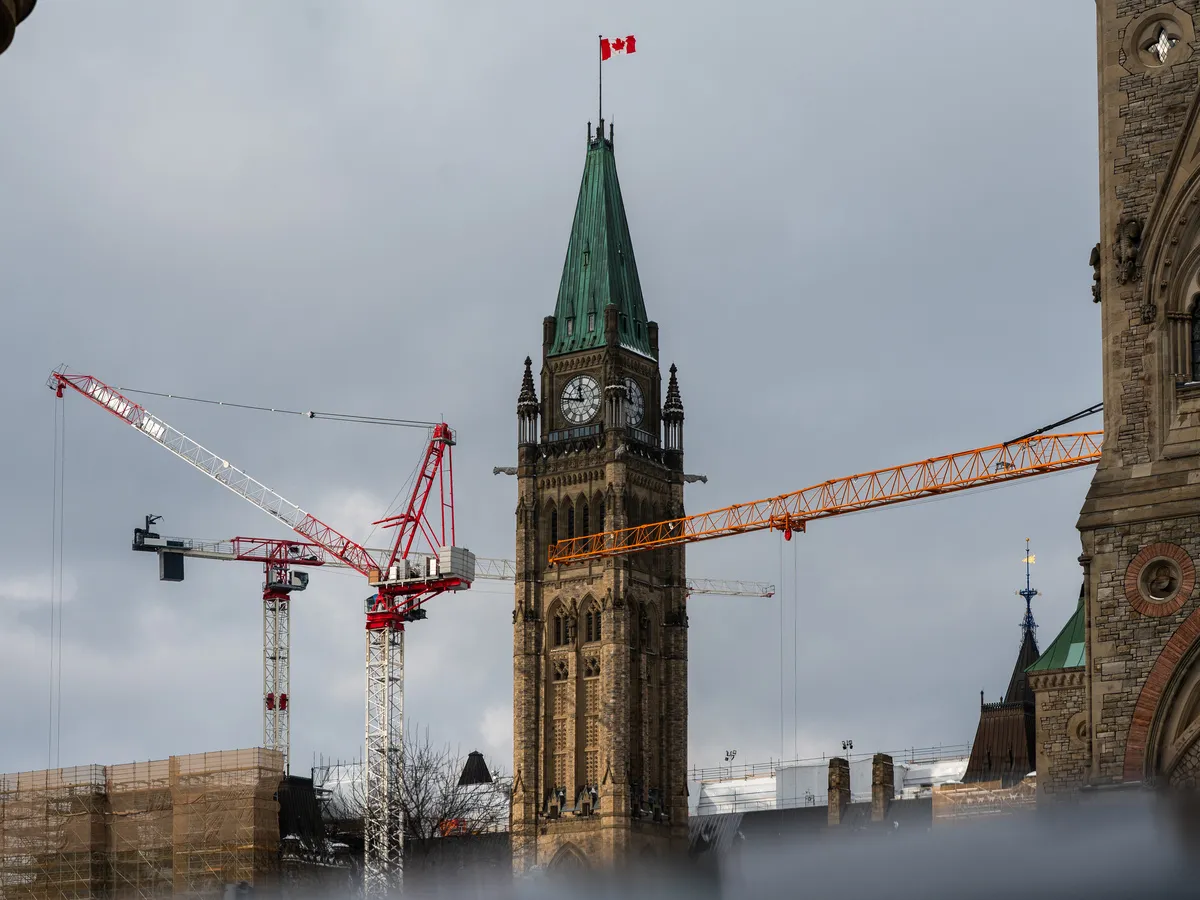
Skip to Content News Archives Economy Energy Oil & Gas Renewables Electric Vehicles Mining Commodities Agriculture Real Estate Mortgages Mortgage Rates Finance Banking Insurance Fintech Cryptocurrency Work Wealth Smart Money Wealth Management Investor Personal Finance Family Finance Retirement Taxes High Net Worth FP Comment Executive Women Puzzmo Newsletters Financial Times Business Essentials More Innovation Information Technology FP500 Podcasts Small Business Lives Told Tails Told Shopping Financial Post Store Obituaries Place a Notice Advertising Advertising With Us Advertising Solutions Postmedia Ad Manager Sponsorship Requests Classifieds Place a Classifieds ad Working Profile Settings My Subscriptions Saved Articles My Offers Newsletters Customer Service FAQ News Economy Energy Mining Real Estate Finance Work Wealth Investor FP Comment Executive Women Puzzmo Newsletters Financial Times Business Essentials HomeFP CommentOpinion: ‘Streamlined’ development rules seem more complex than everLast year we got the Building Canada Act. Now it's Getting Major Projects Built in Canada. You can't tell the processes without a programLast updated 1 hour ago You can save this article by registering for free here. Or sign-in if you have an account.The Build Canada Act and Major Projects Office leave fundamental questions around decision-making authority unanswered — increasing uncertainty rather than reducing it. Photo by HYUNGCHEOL PARK/PostmediaA year ago, to spur investment in natural resources, mining and electricity, Parliament enacted the Building Canada Act (BCA) to “urgently advance projects throughout Canada.” Now, without actually having designated any projects under the BCA, Ottawa has announced further proposals aimed at “Getting Major Projects Built in Canada” and invited Canadians’ reactions to its short “discussion paper” within 30 days, ending Monday.Subscribe now to read the latest news in your city and across Canada.Exclusive articles from Barbara Shecter, Joe O'Connor, Gabriel Friedman, and others.Daily content from Financial Times, the world's leading global business publication.Unlimited online access to read articles from Financial Post, National Post and 15 news sites across Canada with one account.National Post ePaper, an electronic replica of the print edition to view on any device, share and comment on.Daily puzzles, including the New York Times Crossword.Subscribe now to read the latest news in your city and across Canada.Exclusive articles from Barbara Shecter, Joe O'Connor, Gabriel Friedman and others.Daily content from Financial Times, the world's leading global business publication.Unlimited online access to read articles from Financial Post, National Post and 15 news sites across Canada with one account.National Post ePaper, an electronic replica of the print edition to view on any device, share and comment on.Daily puzzles, including the New York Times Crossword.Create an account or sign in to continue with your reading experience.Access articles from across Canada with one account.Share your thoughts and join the conversation in the comments.Enjoy additional articles per month.Get email updates from your favourite authors.Create an account or sign in to continue with your reading experience.Access articles from across Canada with one accountShare your thoughts and join the conversation in the commentsEnjoy additional articles per monthGet email updates from your favourite authorsSign In or Create an AccountorThe current system clearly isn’t working, so these changes are well-meaning and necessary. But the latest proposals, though they would improve administration and approvals, don’t go far enough.Get the latest headlines, breaking news and columns.By signing up you consent to receive the above newsletter from Postmedia Network Inc.A welcome email is on its way. If you don't see it, please check your junk folder.The next issue of Top Stories will soon be in your inbox.We encountered an issue signing you up. Please try againMany reports, studies and indices have concluded that Canada’s reputation as a place to invest and build has deteriorated. Almost everyone agrees, industry and climate advocates included, that when project approvals become politicized and regulators are asked to weigh broad policy factors, confidence in the system declines.But rather than create a clearer, more predictable approvals path, both the BCA and the discussion paper increase discretion and politicize regulation even further. Long-term infrastructure projects create “path dependency” for decades, so building them based on the political priorities of the day is not a sound way forward.The BCA gives the federal cabinet — in reality, the Prime Minister’s Office — virtually unconstrained discretion to decide whether a project should be characterized as a “national interest project” and ultimately approved. The latest proposals make almost no mention of these types of projects — which suggests the same approach is repeated for “major projects” in general.Both the BCA and the latest reforms in effect authorize the government to determine the outcome of a regulatory hearing before it considers evidence. Regulators will go through the motions of review but presumably must produce a record that supports the political determination already made by cabinet.Nor does the BCA or the discussion paper narrow the very wide range of policy issues, many bearing little relation to direct project risks, that regulators must consider. Hearings on things like the intersection of sex and gender or whether a project hinders or helps the government meet its environmental and climate change obligations can dissolve into a time-consuming debate among project proponents and intervenors. Project reviews are clearly necessary to address possible adverse effects on safety, the environmental impact, Indigenous communities and so on. But they should focus on these core risks and leave aside policy debates to be addressed in other fora.It’s also not clear how the new approval rules would mesh with existing processes. The BCA sends mixed messages, requiring that all current regulatory measures be complied with but allowing cabinet to exempt some projects from all or some of these measures, at its discretion. The latest proposals suggest simultaneous impact assessment studies and authorizations, which could prove difficult.Neither initiative explains how the government will approach the issue of “free, prior and informed consent” of Indigenous peoples. The Department of Justice’s own backgrounder is clear that consultation must “occur sufficiently prior to a decision so that Indigenous rights and interests can be incorporated or addressed effectively as part of the decision-making process.” But pre-approval of projects, cabinet and ministerial authority to adjust conditions, and allowing early construction activities before an impact decision is made, all undermine that. First Nations and their allies are certain to make their objections known.As for the Major Projects Office (MPO), although the BCA gives it a limited co-ordinating role the office’s own website describes itself in broader terms, saying it is tasked with evaluating projects for submission and referral to the MPO itself, and recommending projects for designation. But the BCA says these activities are the responsibility of the relevant minister and may only be made after consultation with provinces, territories and Indigenous peoples on whether to order the formal designation.The MPO also says its mandate includes resolving policy or regulatory challenges, reducing risk, providing financial structure or investment support, engaging with Indigenous communities and guiding consultation. But the BCA does not empower it to conduct these activities and the discussion paper doesn’t mention the MPO at all. At bottom, it’s not clear how the experienced and well-financed companies likely to be proposing major projects will benefit from MPO co-ordination rather than the improved co-ordination existing federal departments and several new agencies are promising.Taken together, the BCA and the MPO’s processes are unlikely to streamline project approvals nor improve predictability or good practice in Canada’s regulatory system. Instead, they leave fundamental questions around decision-making authority unanswered — increasing uncertainty rather than reducing it.George Vegh is a senior fellow at the Munk School of Global Affairs and Public Policy. Kate Koplovich is a senior policy analyst for energy at the C.D. Howe Institute. Join the Conversation This website uses cookies to personalize your content (including ads), and allows us to analyze our traffic. Read more about cookies here. By continuing to use our site, you agree to our Terms of Use and Privacy Policy.
Opinion: ‘Streamlined’ development rules seem more complex than ever
First we got the Building Canada Act. Now it's 'Getting Major Projects Built in Canada.' You can't tell processes without a program. Read on
1,292 words~6 min read