PITTSBURGH — If you were there, you can still hear the noise.Around 9 p.m. on June 22, 2012, commissioner Gary Bettman walked to the lectern at the NHL Draft at PPG Paints Arena, back when it was Consol Energy Center, and announced that the Pittsburgh Penguins had traded Jordan Staal.Before Bettman even announced the return from the Carolina Hurricanes — Brian Dumoulin, Brandon Sutter and the No. 8 pick in that draft, which regrettably became Derrick Pouliot — he first announced that Staal was headed to Raleigh.The reaction was unforgettable.Some Penguins fans screamed out in horror, as Staal had become one of the foundational members of the 2009 Stanley Cup champions and only played better from that point on. At only 23, he had already established himself as one of hockey’s best defensive forwards while also scoring 25 goals in only 60 games during the previous season. He wasn’t exactly the kind of player you traded, and in the days before the deal was complete, Pittsburgh general manager Ray Shero offered him a 10-year, $60 million deal to stay, during a time when the salary cap was far less forgiving and a week before Sidney Crosby received a 12-year deal.Some screamed out in delight, simply excited about their team making a trade, details be damned.Some screamed because the Staal drama was over, understanding that Staal didn’t particularly want to leave Pittsburgh but did want to play with his brother, Eric, in Carolina.Some screamed because it was the end of a special era, when the Penguins weren’t just the youngest team in the league; they were the best.That moment changed everything for the Penguins and paved the way to future success, even though they didn’t realize it at the time. Ultimately, Shero had no leverage. Staal loved his time and Pittsburgh but loved the idea of playing with his brother even more.“It’s not like I wanted to leave,” Staal told The Athletic earlier this season. “I knew we’d win more championships in Pittsburgh, and that was a hard thing to leave. I love that place.”But he wanted to play with his brother. Shero knew it. Jim Rutherford, then Carolina’s general manager, knew it. And Rutherford knew that Shero knew.
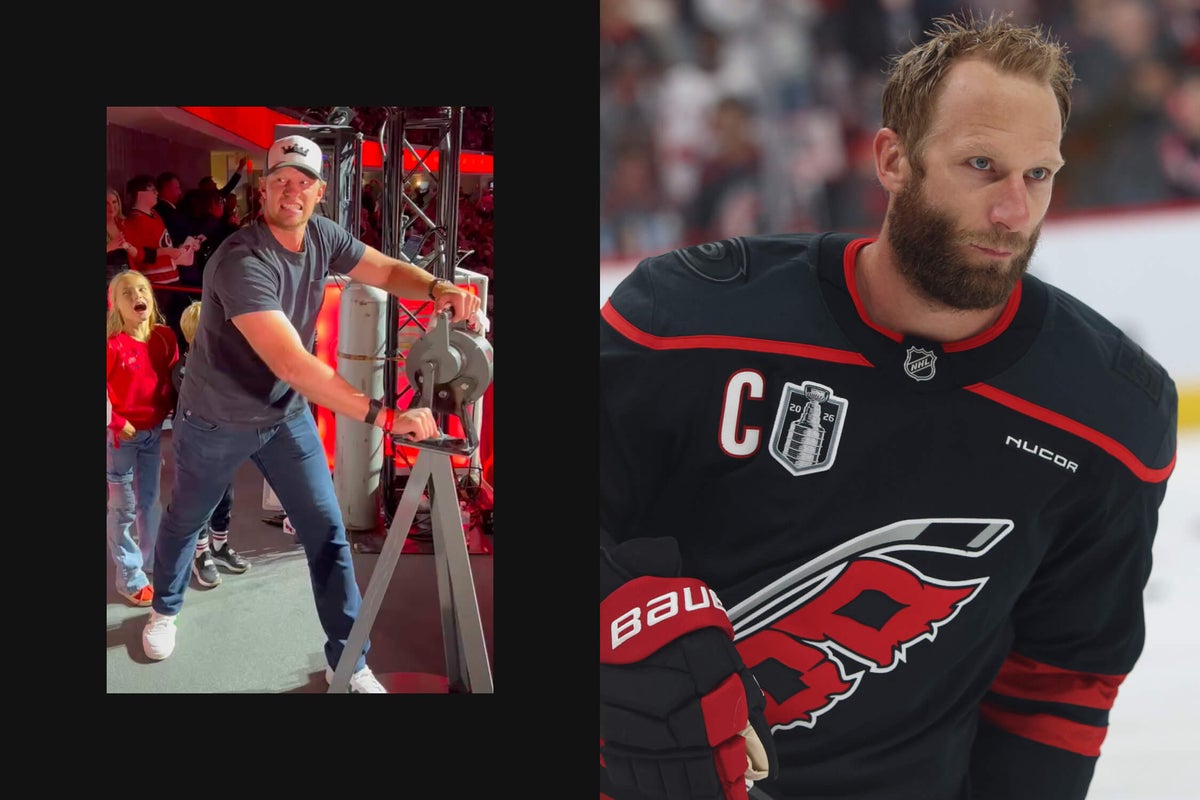
Hurricanes’ Jordan Staal, traded by Penguins 14 years ago, is king of the long game
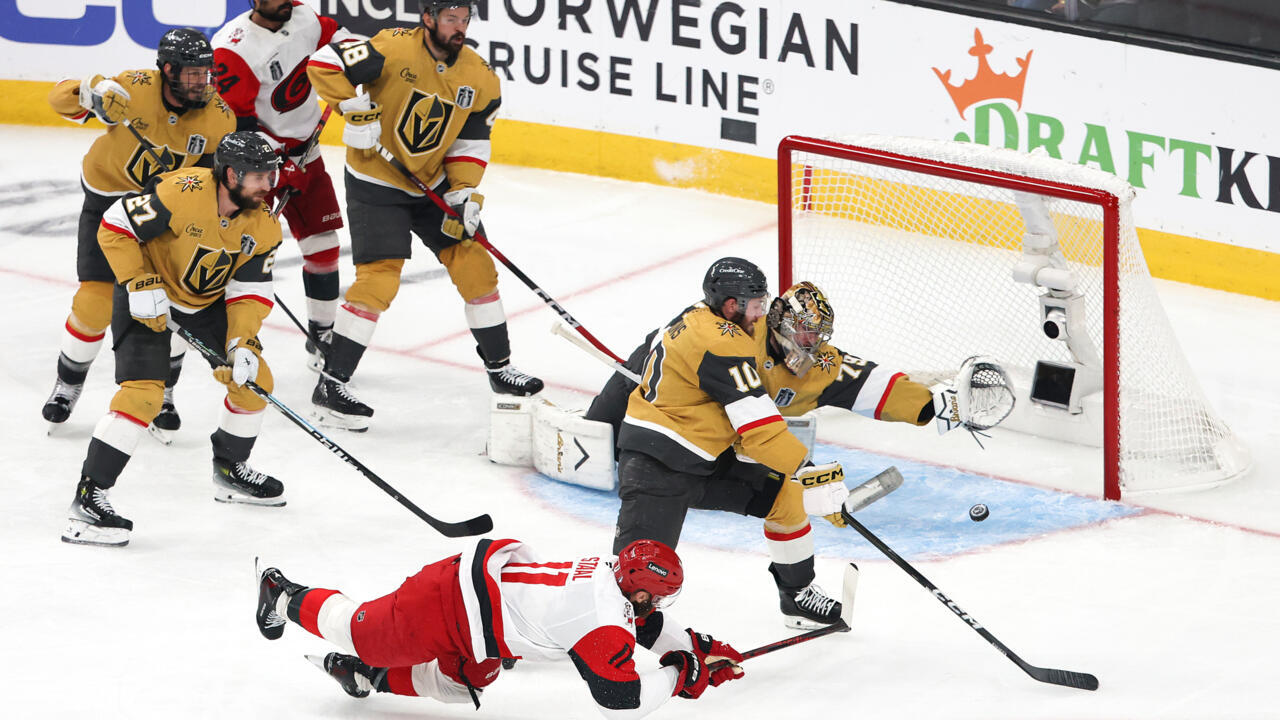
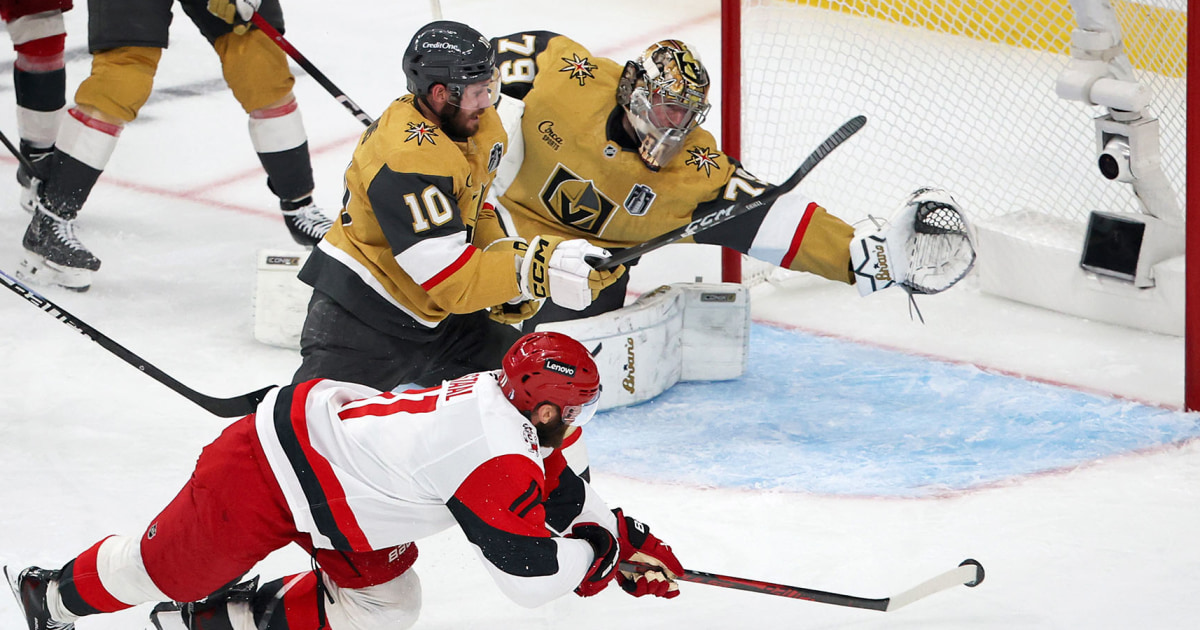
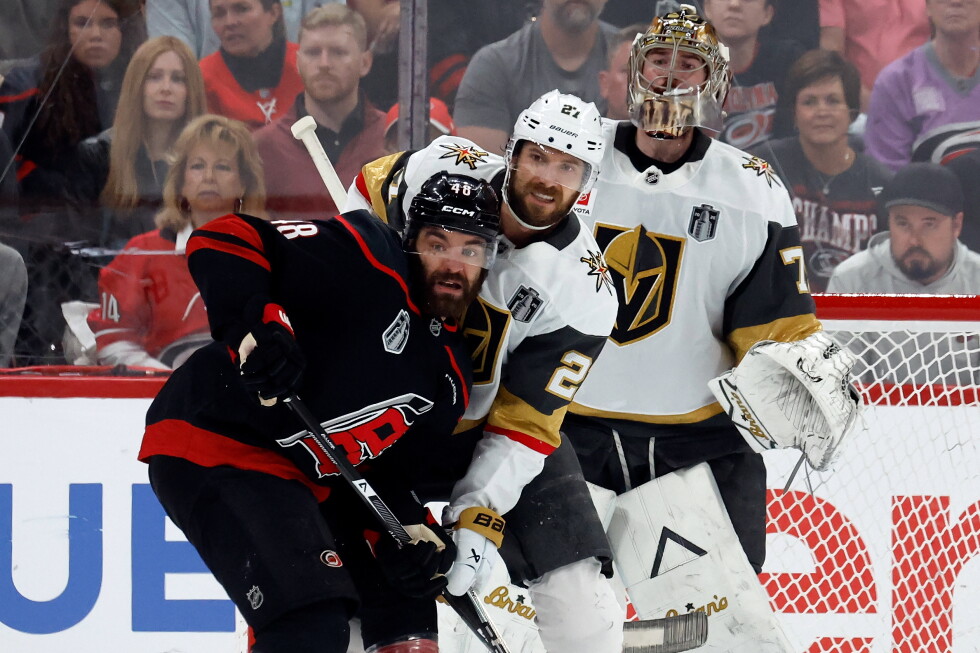
Staal always hoped this day would come, and after all of these years, he's back in the Stanley Cup Final.
1,084 words~5 min read