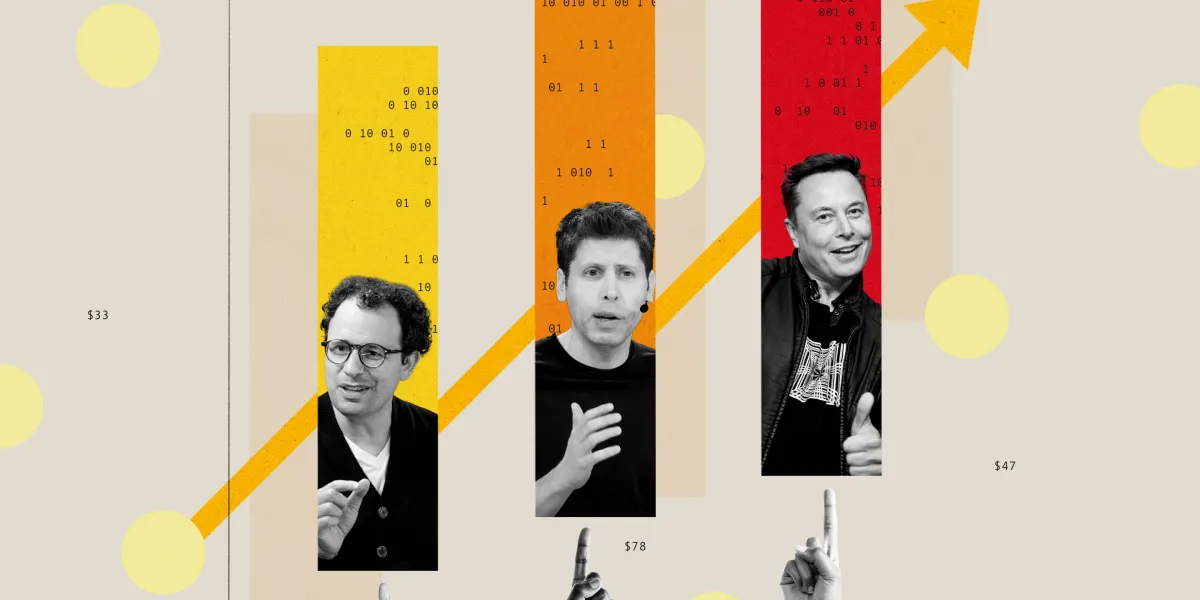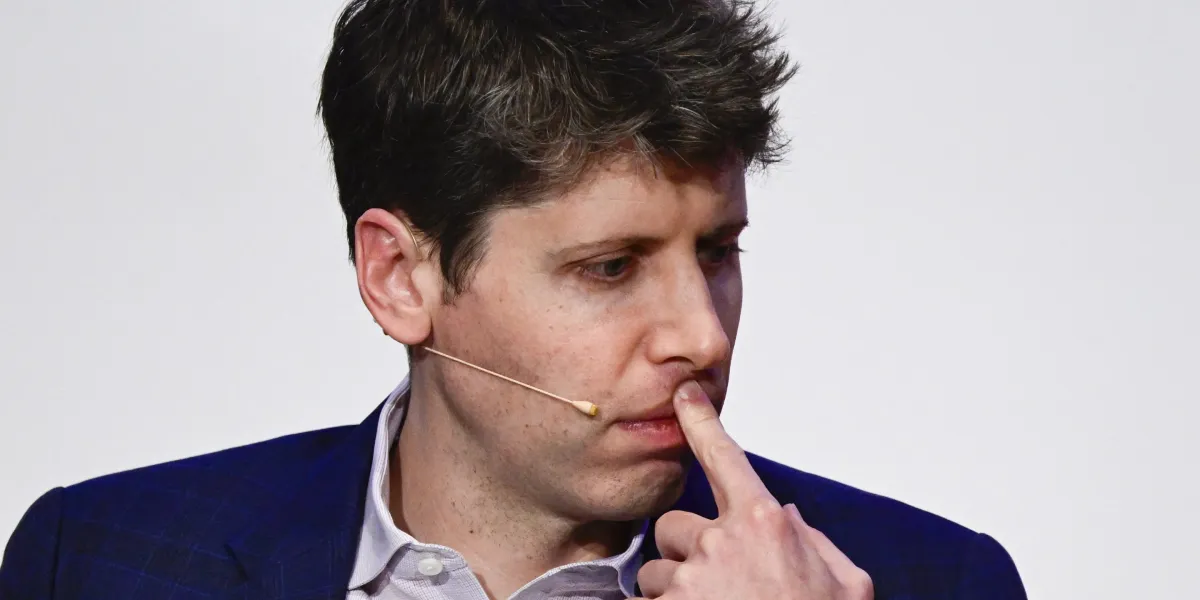
When Sam Altman was president of Y Combinator, he advised founders: stay close enough to profitability that you could get there before your next funding round if you had to. As he told the Wall Street Journal in 2014, keeping “profitability in grasp” was a key lesson.
My late Harvard colleague Clayton Christensen would have recognized immediately some of the hallmarks of good money thinking: keep costs low, test whether real customers will pay real prices, don’t let your cost structure outrun your revenue model.
OpenAI’s S-1 reportedly projects $14 billion in losses for 2026 alone. Profitability is not expected until 2030 at the earliest. A few years ago, Altman told investors that once OpenAI built artificial general intelligence, they would ask it to figure out how to generate a return. He was at least partly joking. The framework suggests he shouldn’t have been.
OpenAI is not even first to the door. Anthropic, the lab founded by its own defectors, confidentially filed this week at a near $1 trillion valuation.
The question none of these roadshows will answer is the one that actually matters: does this company have a viable path to profitability it could activate if it needed to?