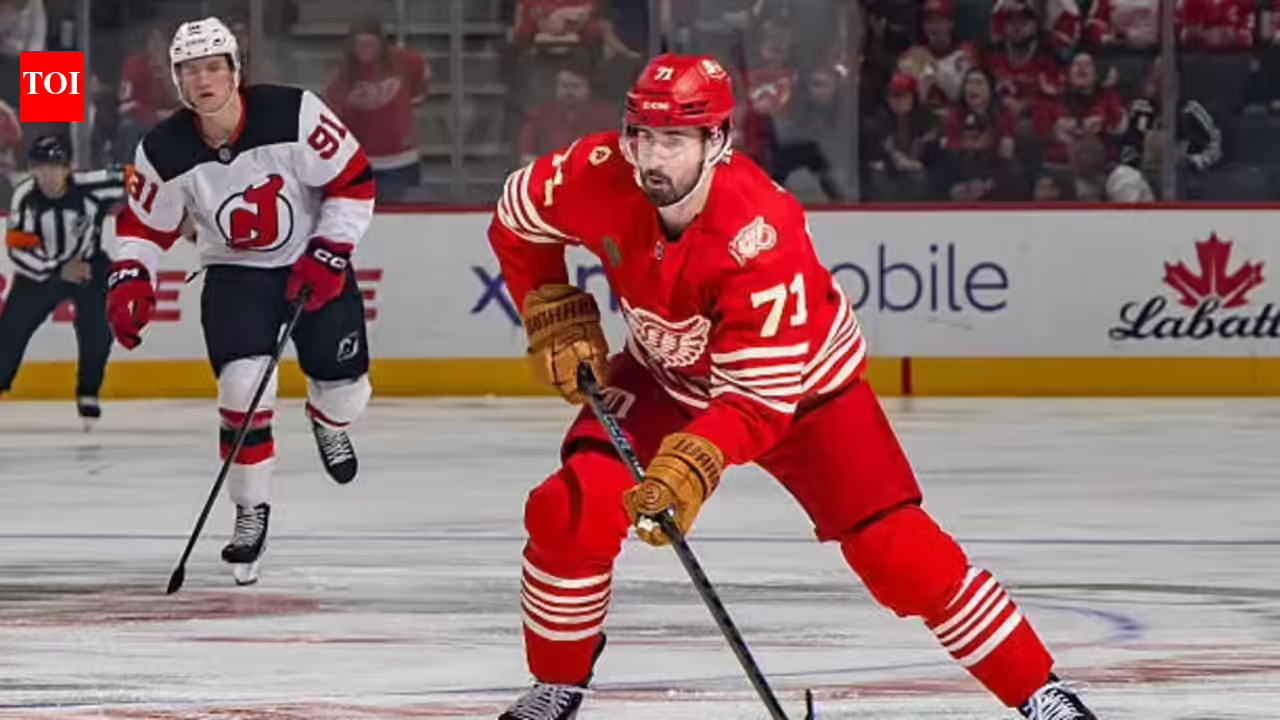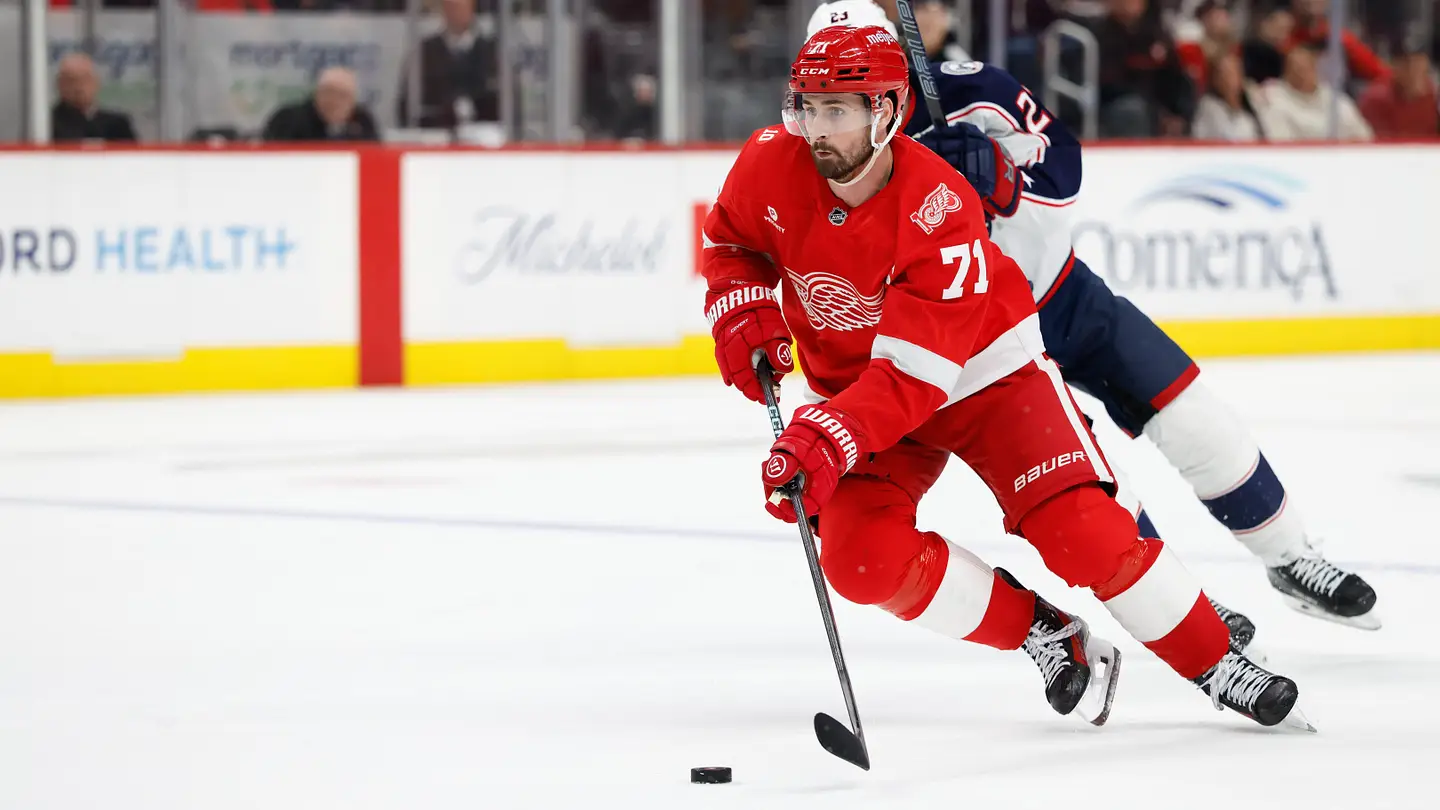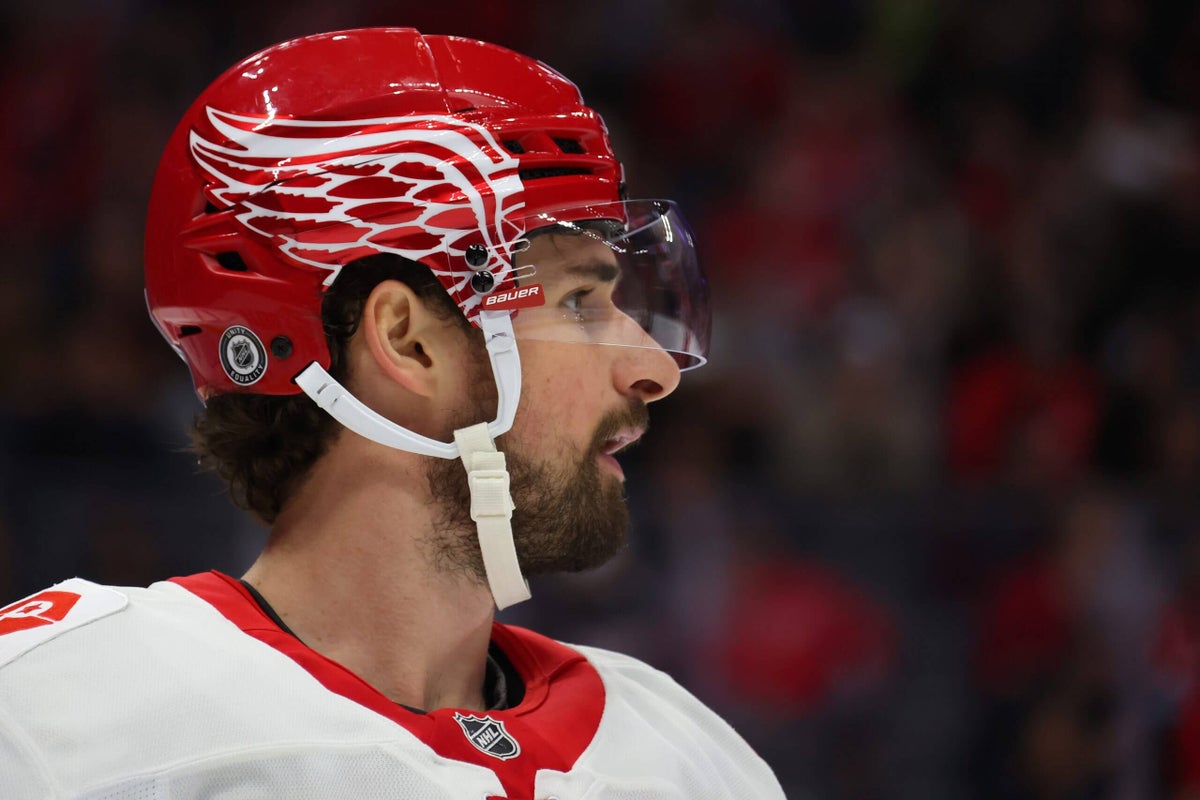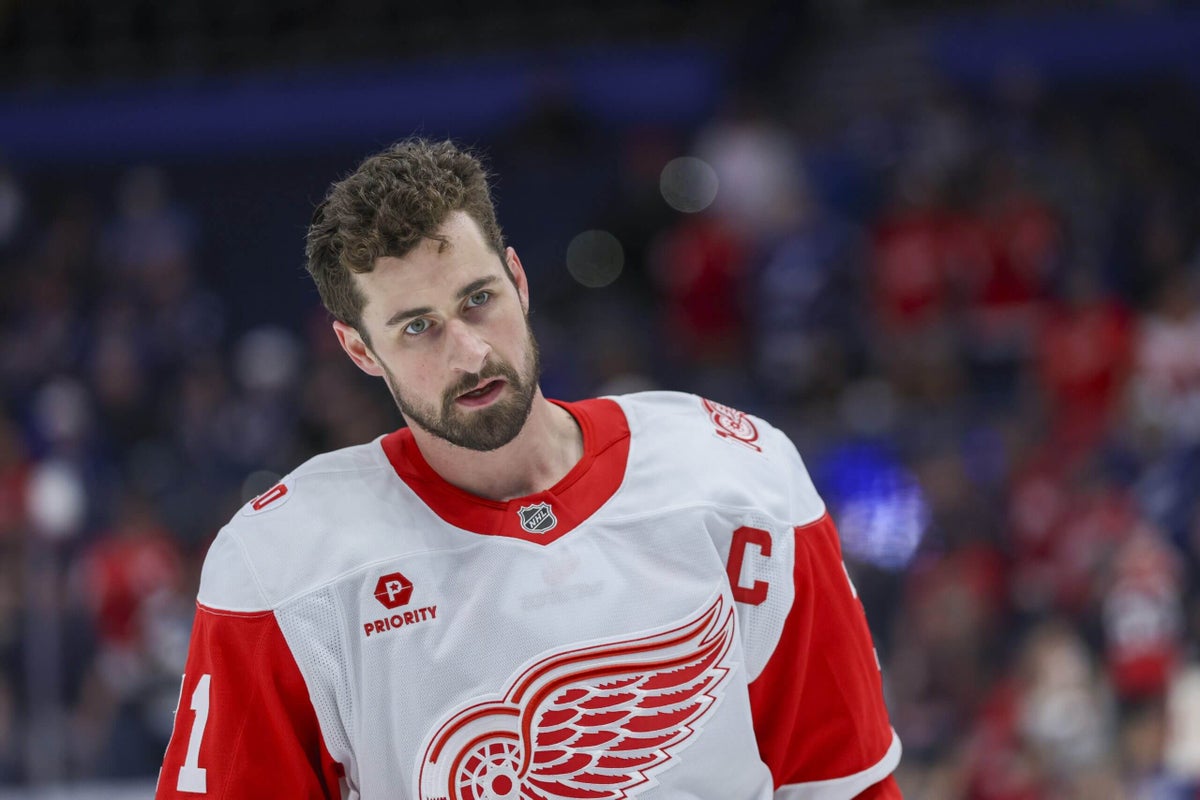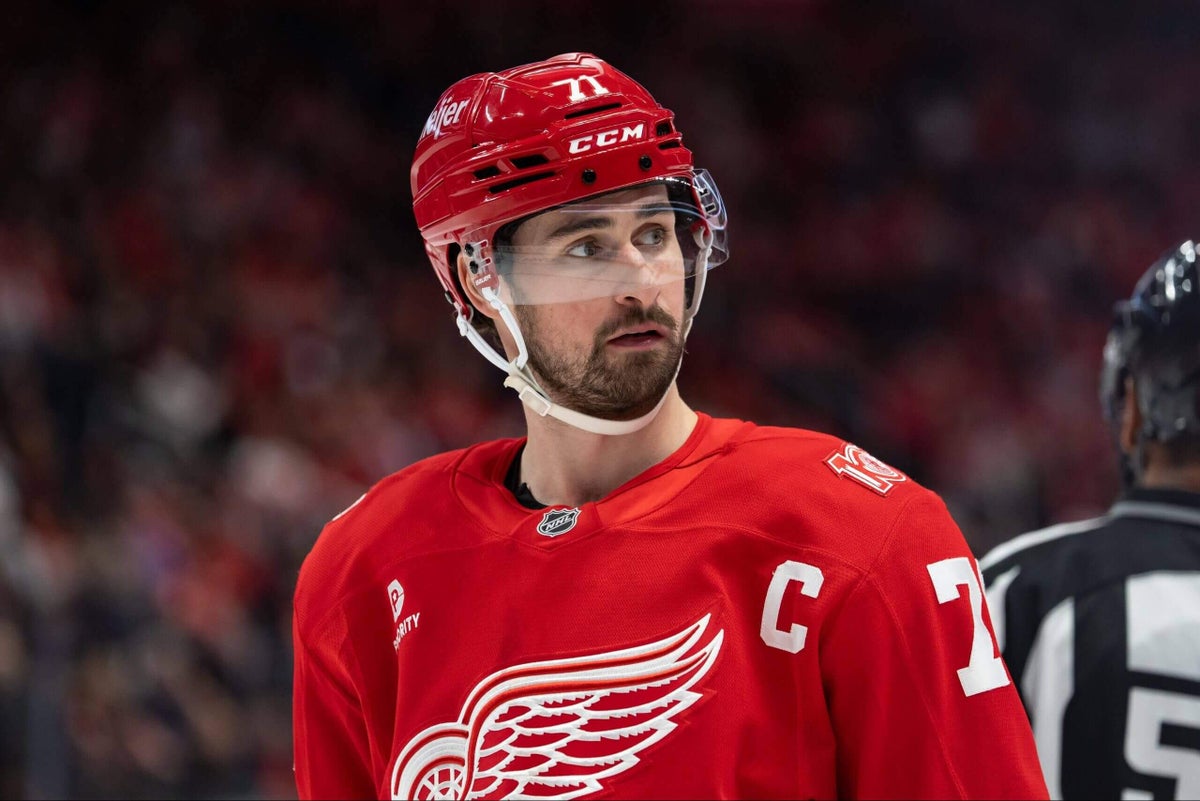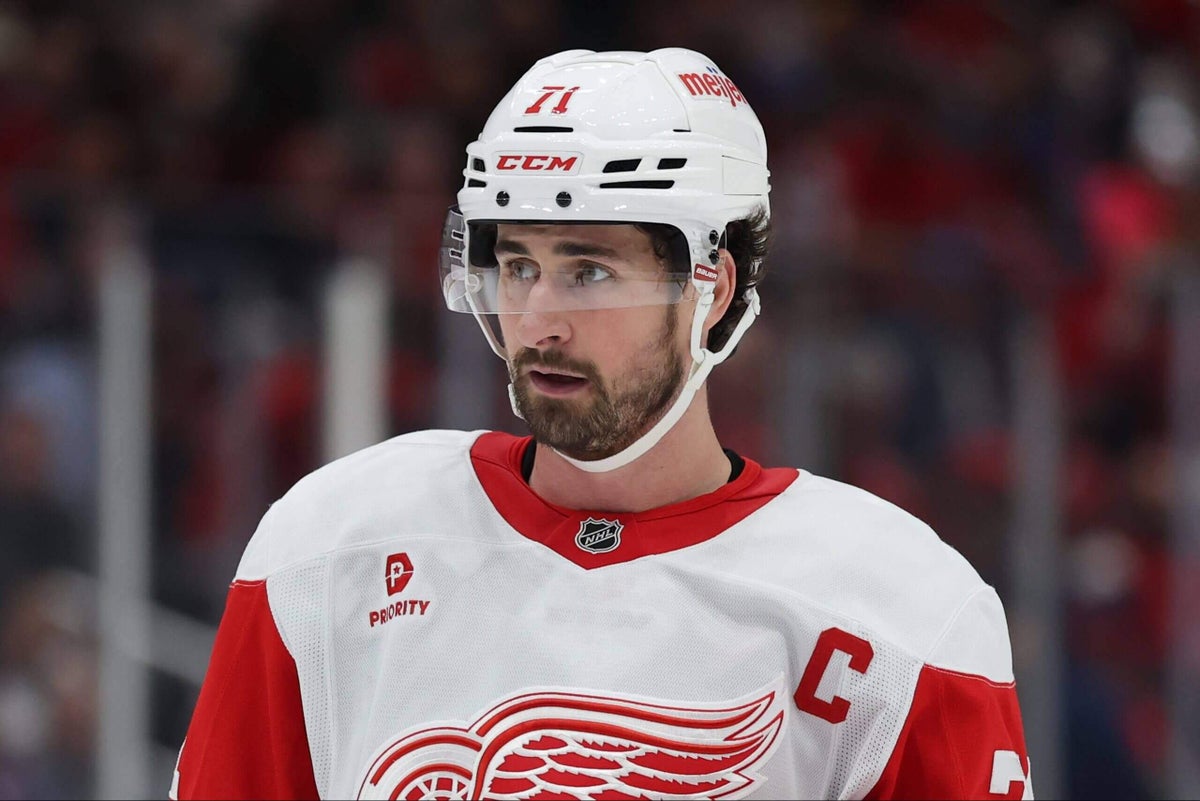
So, where do the Detroit Red Wings go from here?That’s the question I was getting all day Thursday, in the wake of Dylan Larkin’s shocking trade request from his hometown team.And it makes sense: When a player of Larkin’s stature wants out of a franchise, the potential ripple effects are layered. So as the dust settles, let’s take stock of what comes next for Detroit.Working to make a Larkin trade happenLet’s start here, because it’s the most direct fallout from Thursday’s news.There are still some crucial questions surrounding a potential Larkin trade. The first is, where does Larkin want to be? His full no-trade clause gives him control here. But for the Red Wings’ sake, the more teams he’s open to, the better the potential return, as Detroit would be able to weigh multiple competing offers.Pierre LeBrun has reported that Larkin has given the Red Wings a “short list” of teams, with the potential for that list to grow or change. But if we assume Larkin — who hasn’t been to the playoffs since he was a rookie — wants to go somewhere he can win, and the current list is short, you immediately start wondering what it means for a potential return. The league’s top contenders don’t tend to have rich farm systems, high picks or many young players to deal from. That could be an issue for Detroit.If the pool of potential partners is too small for general manager Steve Yzerman to find something he likes, though, there arises a particularly awkward scenario: Could Detroit decide to drag this out, possibly even into the season, waiting for better options? That would make for an uncomfortable training camp and a start to the season with this news getting out, but if the Red Wings don’t like the offers they’re getting, awkwardness might still be better than accepting a subpar return for such a valuable, cornerstone player.The odds of that scenario still feel low but are not zero, and they could end up being inversely proportional to the number of destinations provided. The Red Wings have time on their side.Larkin is signed for five more seasons at a cap-friendly $8.7 million average annual value. In the current player-movement environment, with so few top-level free agents available, he should still carry a serious price tag for teams hoping to acquire him.There aren’t many recent examples of top-line centers getting dealt with that much term, but Ryan O’Reilly (2018, from Buffalo to St. Louis) and Jack Eichel (2021, from Buffalo to Vegas) commanded a top prospect (Tage Thompson for O’Reilly, Peyton Krebs for Eichel), a first-round pick and a second-round pick, as well as at least one roster player — though Buffalo getting Alex Tuch for Eichel was far more valuable than Vladimir Sobotka and Patrik Berglund were for O’Reilly. Those feel like logical frameworks for a comparable.That said, a “hockey trade,” geared toward keeping the Red Wings competitive by focusing on a roster player (or players) rather than futures, would of course look very different. And that’s possible, too. But again, all of this depends on the pool of potential trade partners. That’s the first domino.
After Dylan Larkin’s trade request, what’s next for Red Wings?
With the news of Larkin's trade request, the Red Wings now have some big questions to answer this offseason.
1,441 words~7 min read