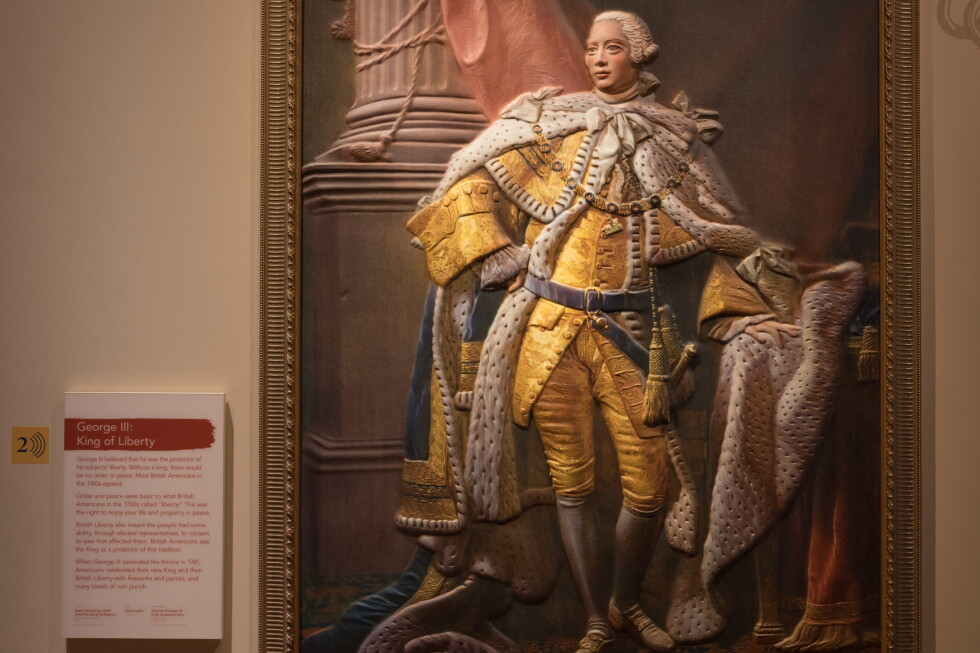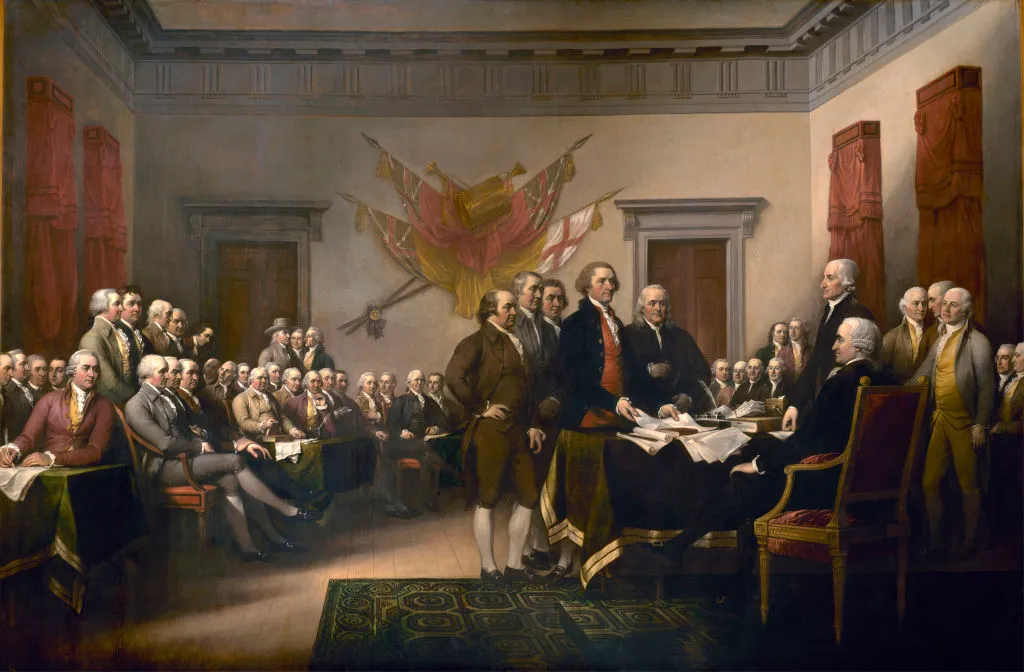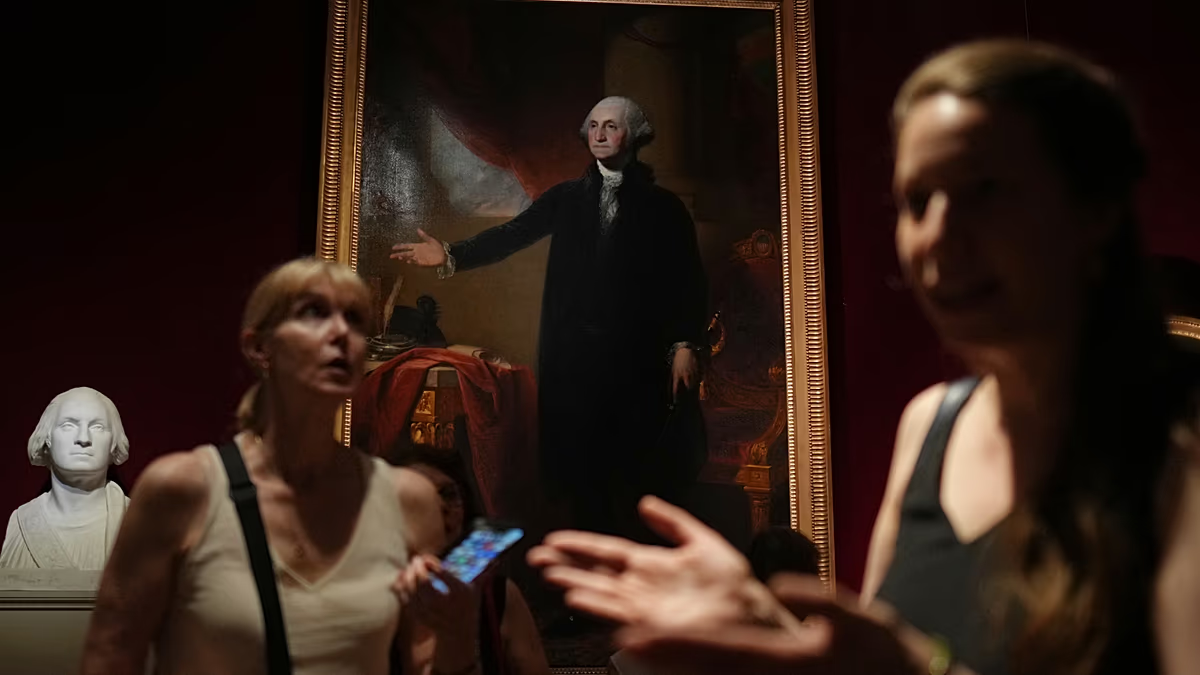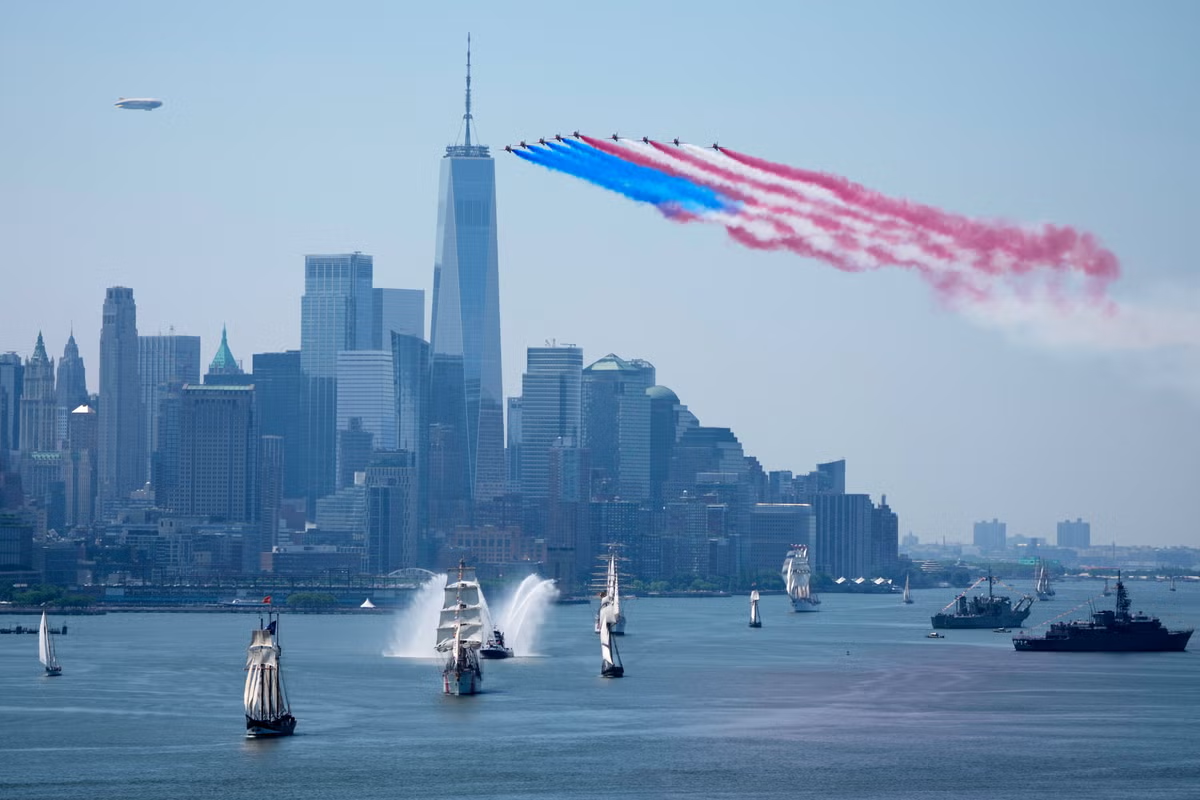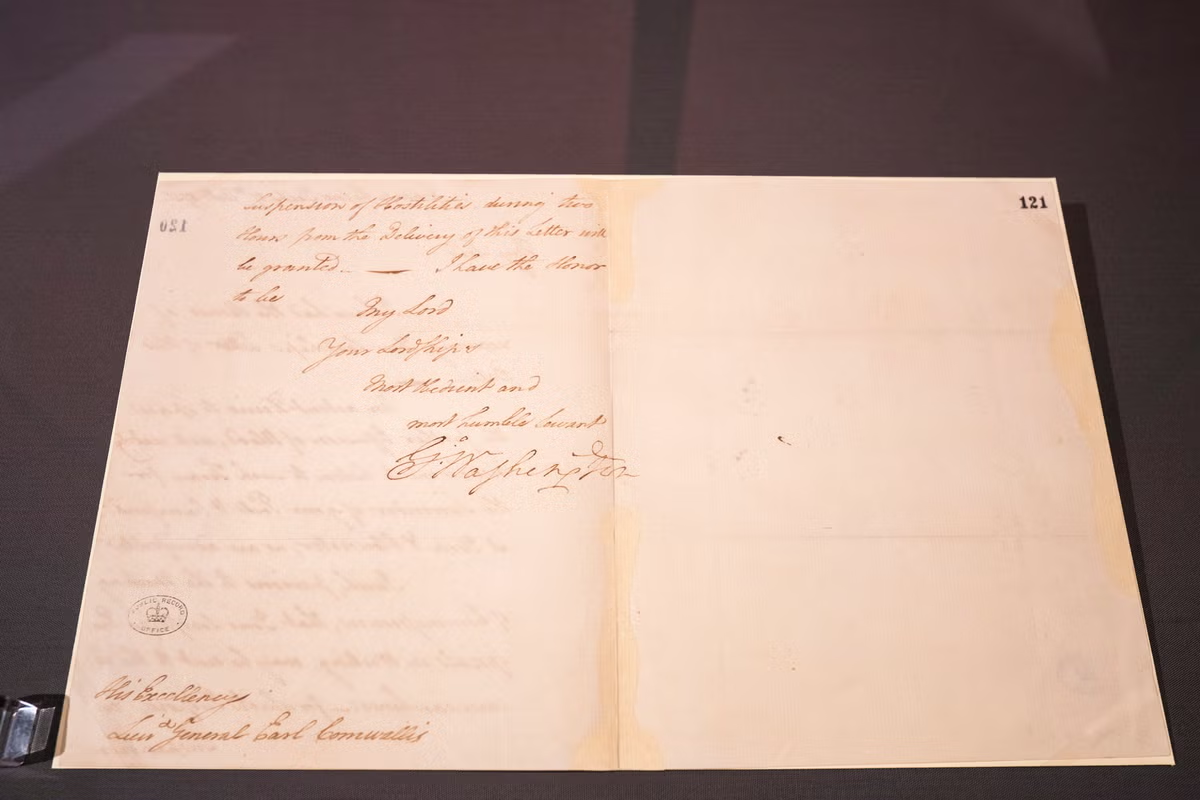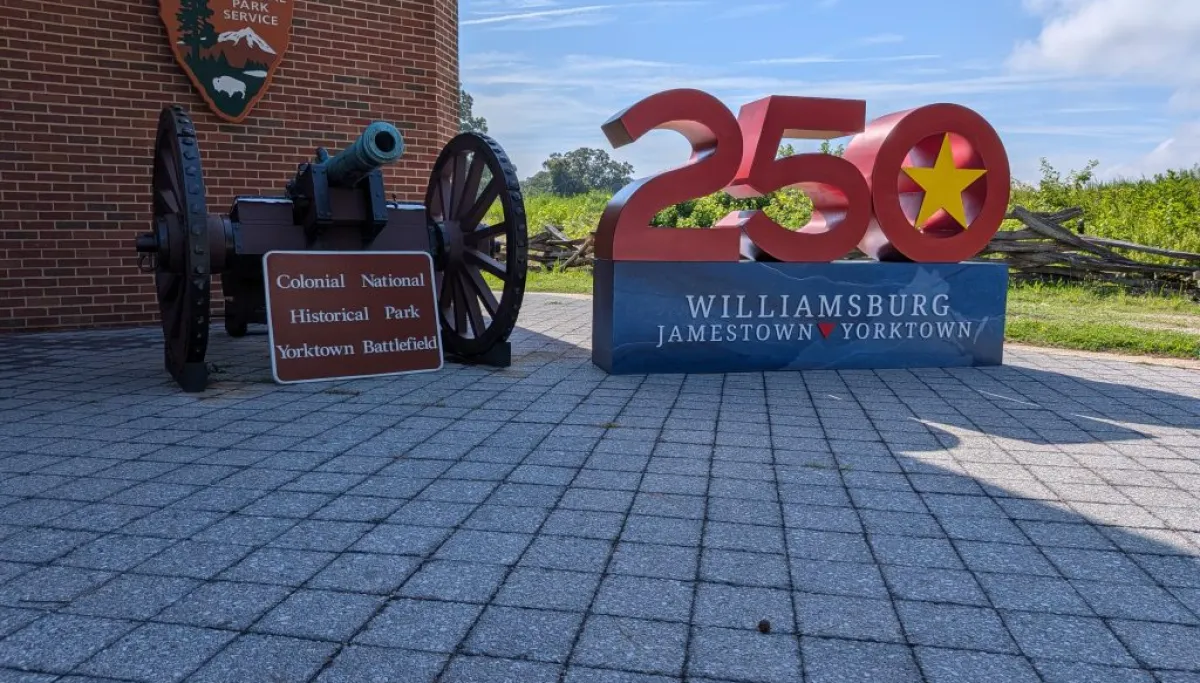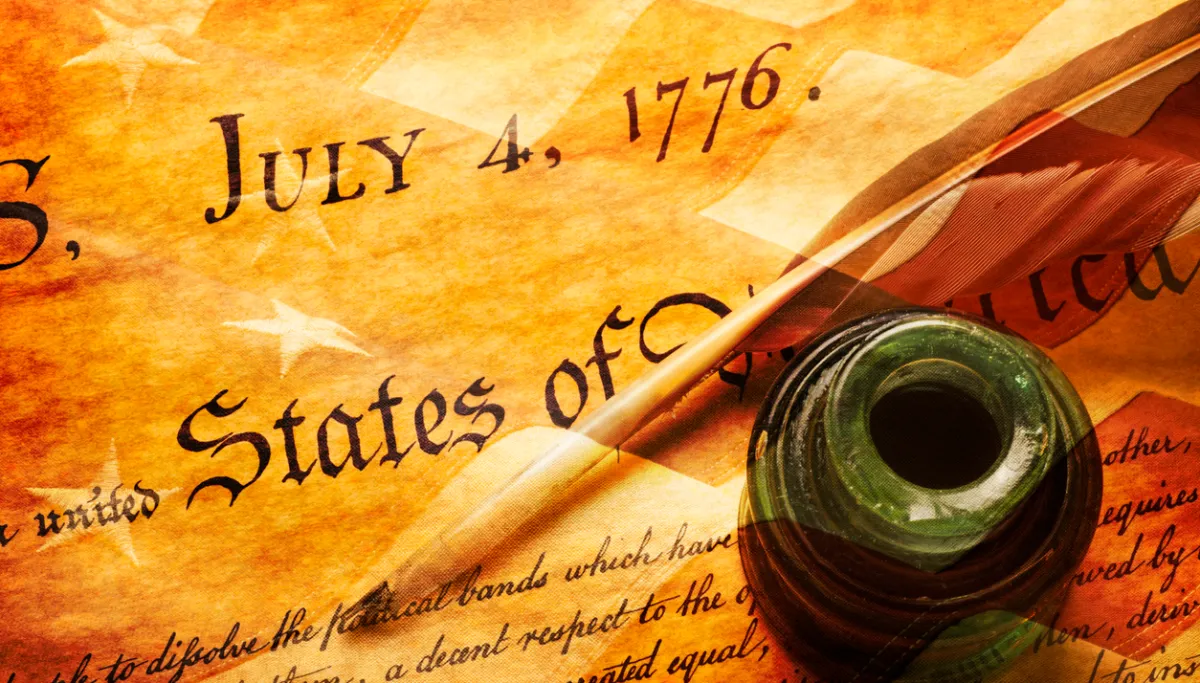
The American Museum in Bath, England, is one of my favorite places. Housed in a handsome 18th-century manor house, honey-colored like most Cotswold buildings, it perches on a hillside on the edge of town, commanding views that make visiting Americans feel a stab of British patriotism.Like the rest of Britain, it is in celebratory mode, cheering the 250th birthday of the world’s greatest republic. Among other things, it is exhibiting one of the 26 surviving copies of the Declaration of Independence printed by John Dunlap on July 4, 1776, a copy captured by Loyalists during the fighting and sent to Britain by Gen. William Howe.Americans are often surprised by the enthusiasm with which Independence Day is marked in the United Kingdom. Most Brits go along jokily with the nationalist tone of Fourth of July events in the United States, but, in truth, it leaves us baffled. Was the war not fought, as the Virginia-born Lady Nancy Astor was to put it in 1940, “by British Americans against a German King for British ideals”? Did its instigators not, until well into the fighting, see themselves as defenders of their inherited British liberties?
James Otis set out the case for what was to become the patriot cause in 1764: “Every British Subject born on the continent of America, or in any other of the British Dominions, is by the Law of God and Nature, by the Common Law, and by Act of Parliament entitled to all the Natural, Essential, Inherent and Inseparable Rights of our Fellow Subjects in Great-Britain.”