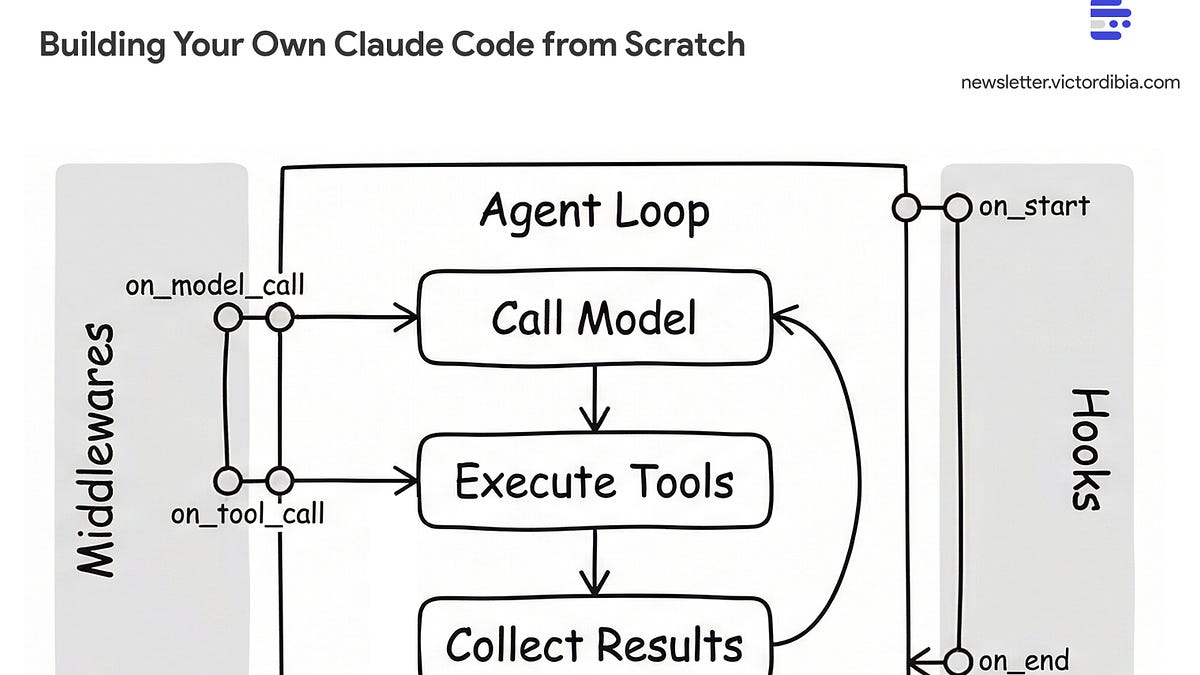
Subagents, skills, and agent teams all keep the plan in one place: Claude's head. Claude decides, turn by turn, what to spawn next, and every result has to fit back into a single context window before the next decision. That works until the work is too big to hold at once.
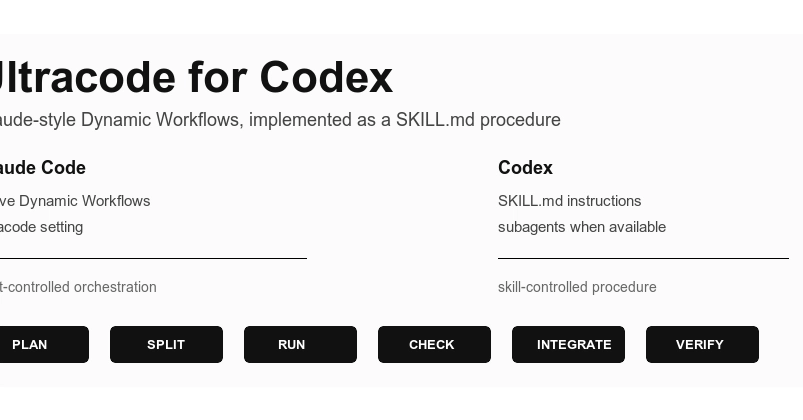
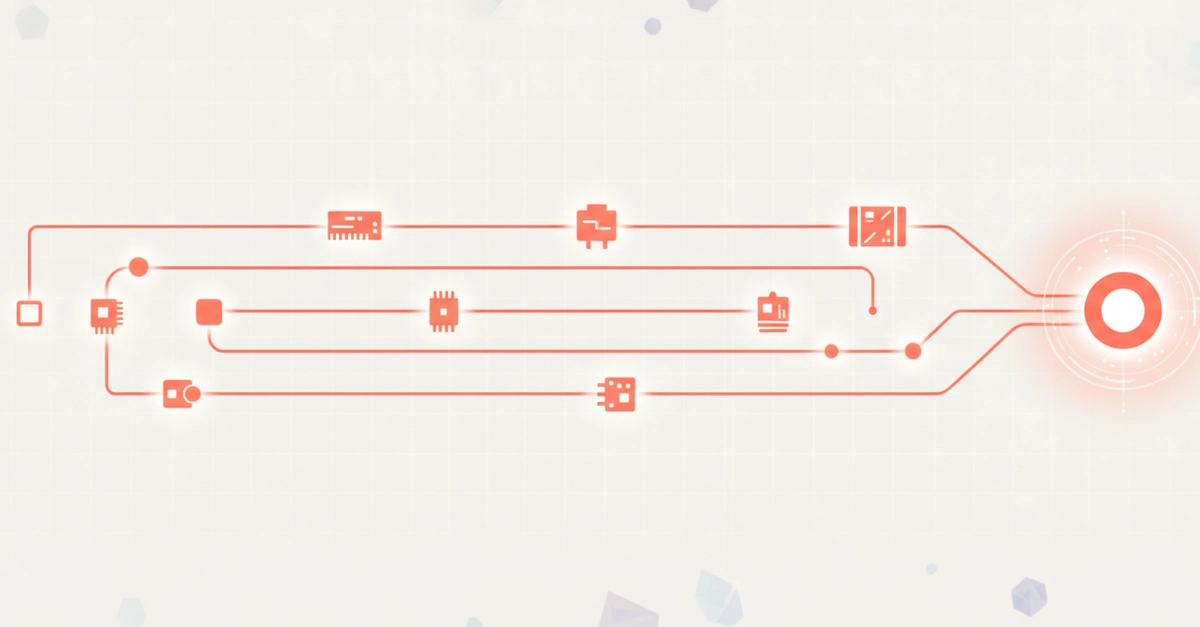
A Claude Code workflow moves the plan somewhere else — into code. Claude writes a small JavaScript script that holds the loop, the branching, and the intermediate results, and a runtime executes that script in the background across dozens of agents while your interactive session stays free. The orchestration is no longer something Claude has to remember between turns. It's a file on disk.
I made an 8-minute video that teaches the primitive twice — once on something trivial, once on a real feature build that ran for two hours, hands-off — and this article is the written companion. (Workflow is a research-preview tool, Claude Code v2.1.154+; the official docs are here.)
The mental model: Claude doesn't do the task — it writes a script that does
Here's the move that took me a minute to internalize. When you ask for a workflow, Claude doesn't perform the work in the conversation. It writes a script, and a runtime runs that script later, in the background.