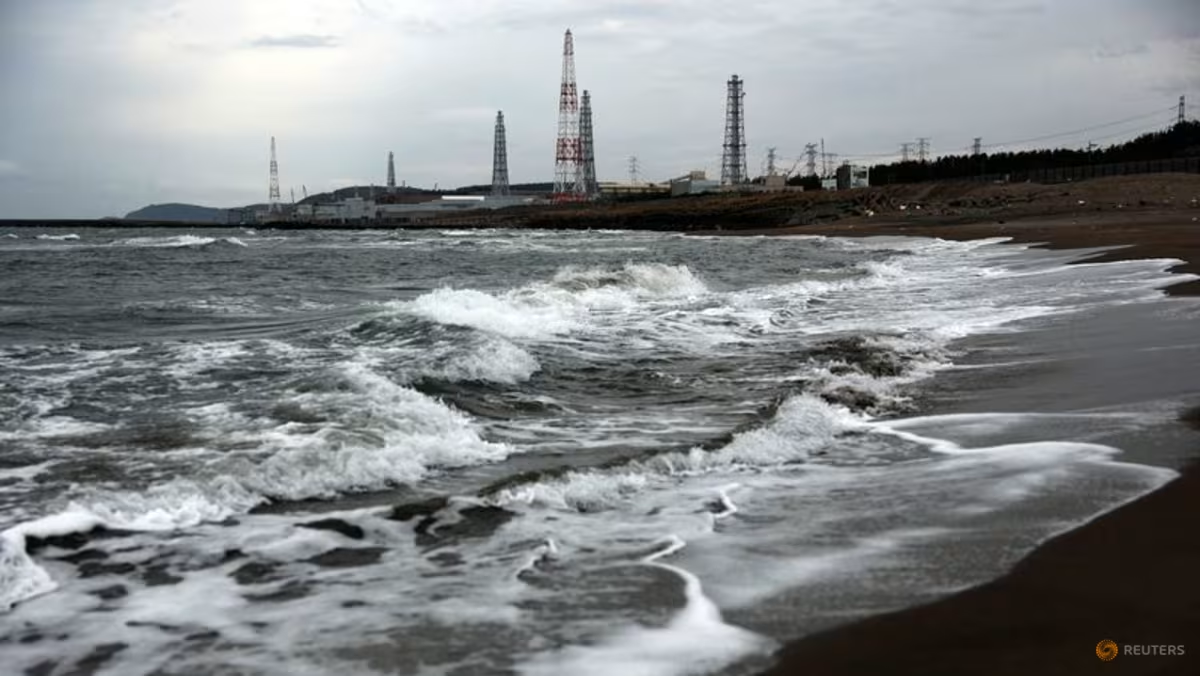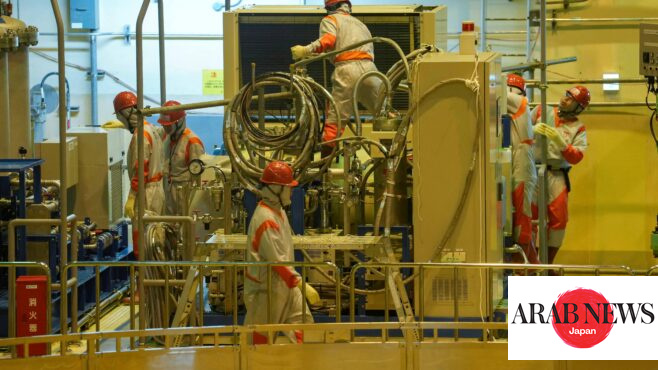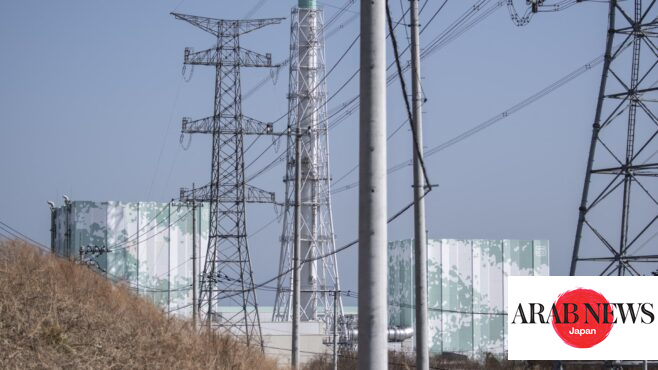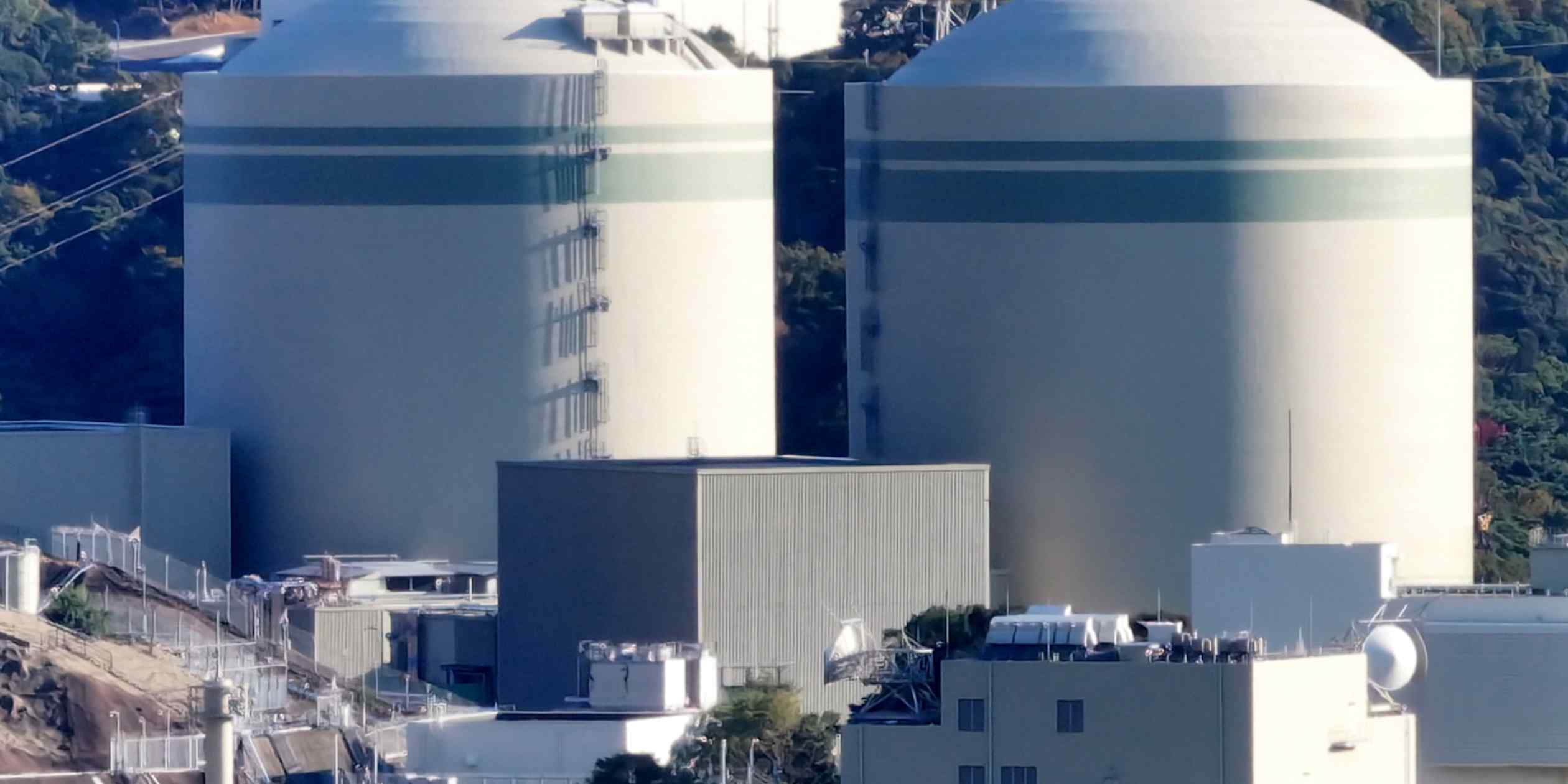
Fifteen years after the Fukushima disaster turned Japan into a cautionary tale for nuclear energy, Tokyo is making a sharp U-turn. The country’s Ministry of Economy, Trade and Industry (METI) introduced a draft policy on June 5 proposing to replace between 11 and 14 aging nuclear reactors by the 2050s, a move designed to keep up with surging electricity demand from AI data centers and semiconductor fabs.
This is the first time since the 2011 meltdown that Japan has put explicit numbers on reactor replacements.
What the proposal actually says
The METI draft lays out a phased timeline. In the near term, Japan targets 2 to 5 reactor replacements by the 2040s, adding roughly 2 to 5.5 gigawatts (GW) of capacity. The bigger push comes in the following decade, with 11 to 14 reactors slated for the 2050s, translating to 12.7 to 16 GW of new capacity.
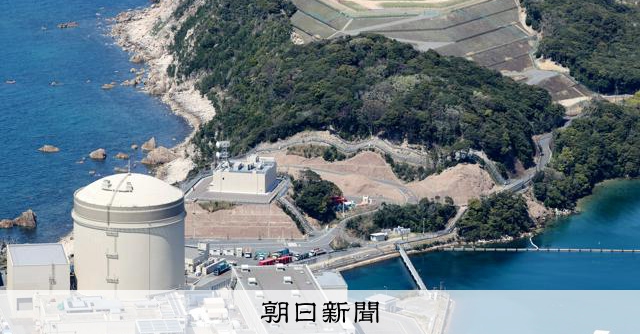
If fully realized, the reactor rebuilds could deliver a total of approximately 16 GW. Japan currently has about 33 GW of total nuclear capacity spread across 15 operating reactors, following the restart of the Kashiwazaki-Kariwa Unit 6 earlier in 2026.