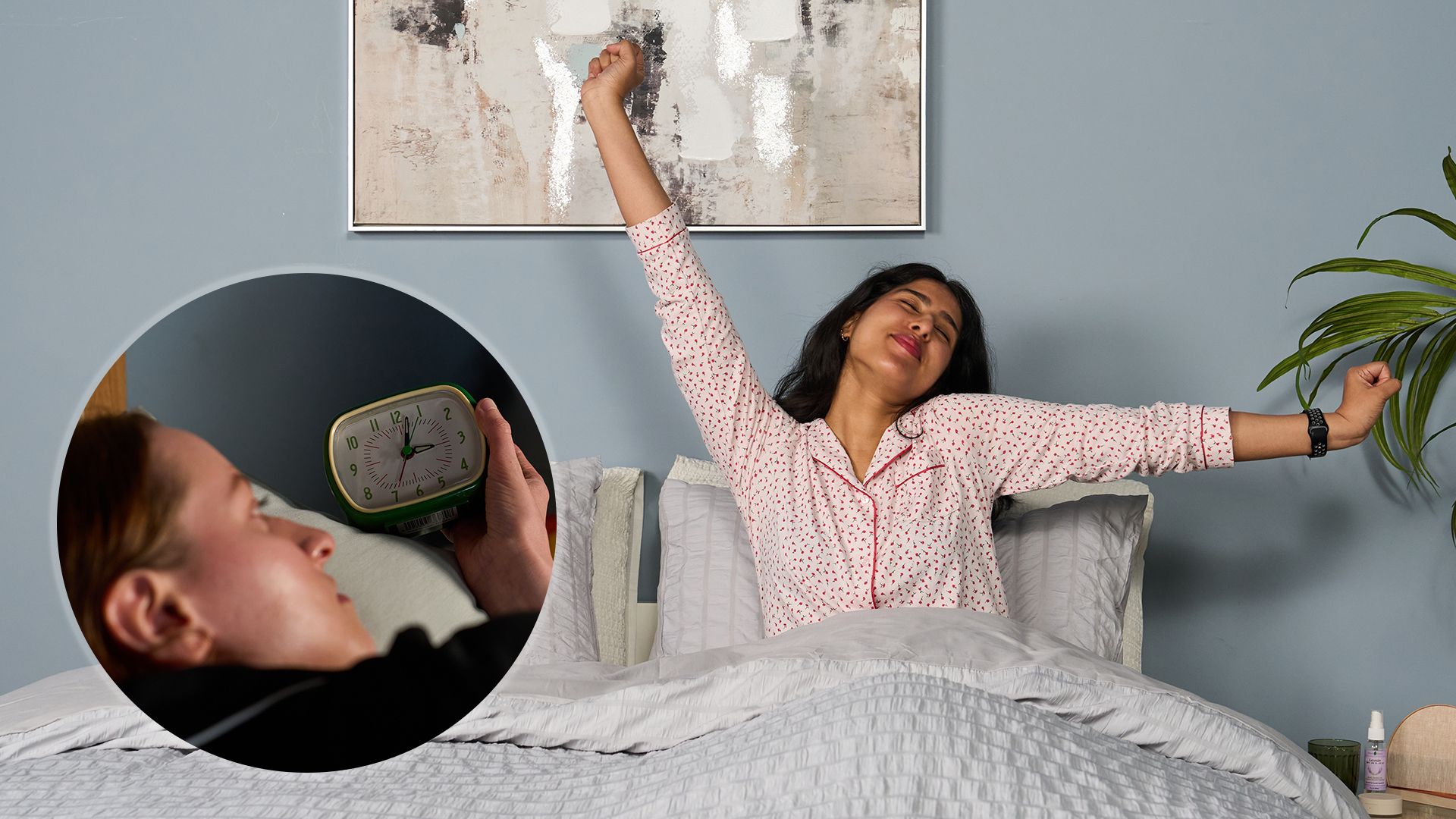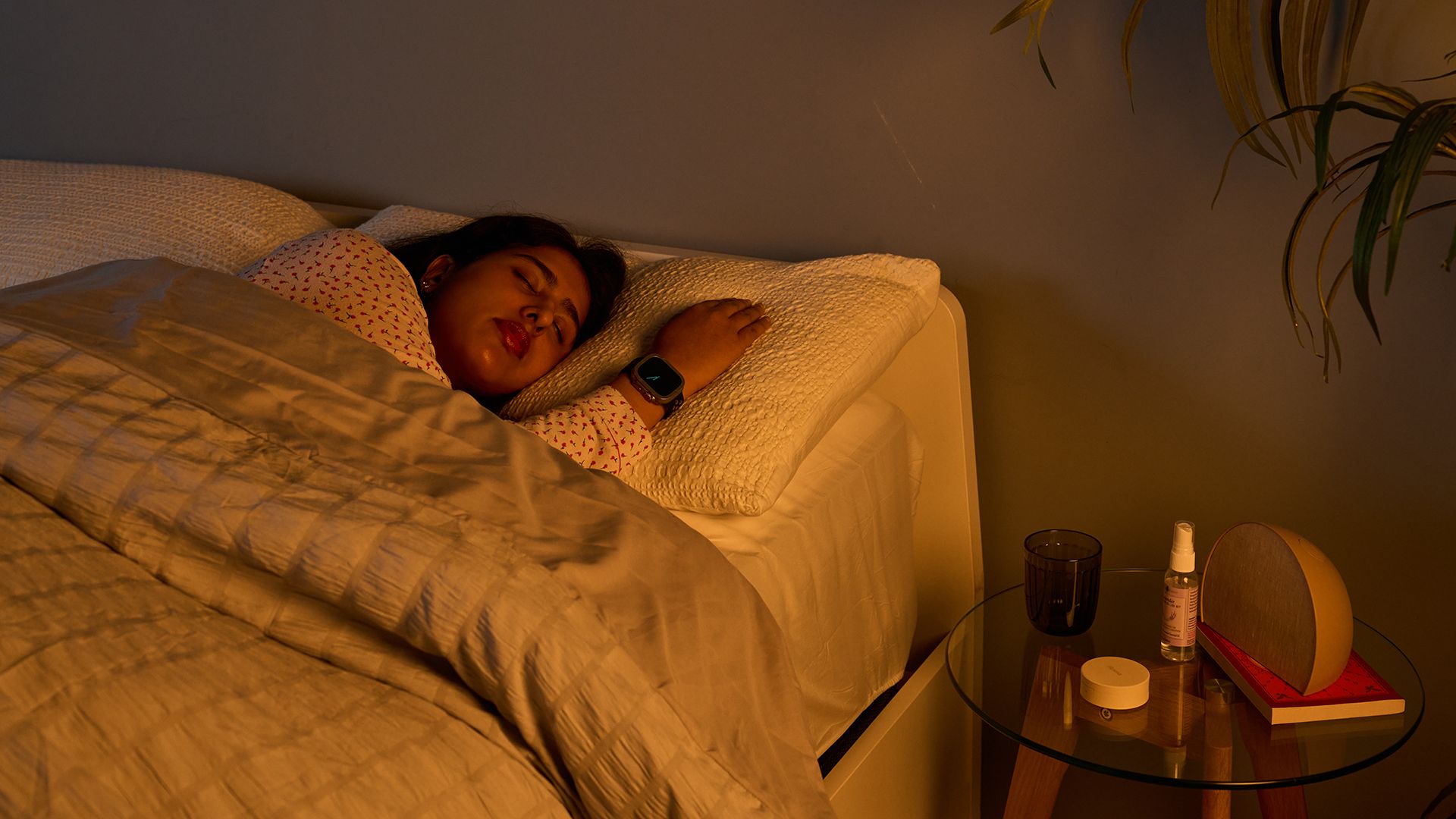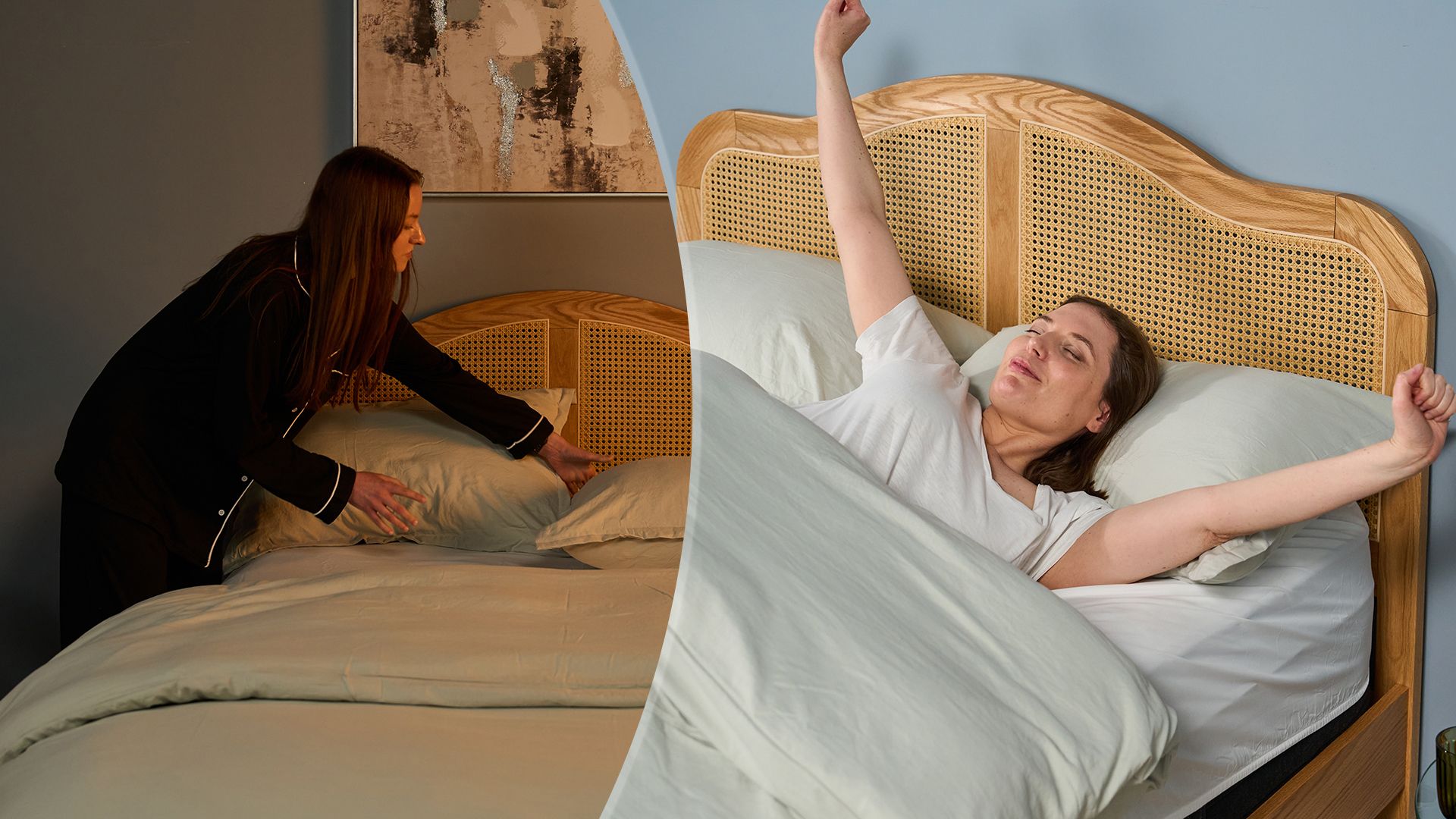
When I'm going through a period of poor sleep, going to bed feels more like snuggling up in a pit of snakes. My heart thumps and I'm overwhelmed by a sense of 'not this again.' Experts refer to this phenomenon as nighttime anxiety and it occurs when a regular lack of sleep makes you dread going to bed.My solution is normally either forcing myself to stay up until I'm exhausted, or going to bed hours earlier than normal to catch up on sleep. Both of these approaches are wrong, according to experts. So what does work? Consistent bedtimes.Known as the one-hour bedtime rule, this method requires you to go to bed and waking up within the same one-hour window at least five times a week. Here experts explain how this enables your circadian rhythm and sleep pressure to regulate so that you can fall asleep faster and beat nighttime anxiety.Key takeaways: At a glanceNighttime anxiety describes the stress many people with sleep difficulties feel around bedtime, as your poor sleep makes going to bed into a source of stress.The one-hour bedtime rule encourages people to go to sleep and wake up within the same one-hour window at least five times a week. This is also the '1' part of the '7:1 sleep rule'.Sticking to a regular bedtime means your sleep pressure and body clock are aligned, so that you have an easier time falling asleep quickly.Pick a bedtime that suits your schedule and gets you the amount of sleep you need.Anchoring your bedtime and your wake time helps you to fall asleep quicker and stay asleep, even when you're experiencing stress and anxiety.It's recommended that adults get seven to nine hours sleep a night, although age, health and genetics impact the amount of sleep each individual needs.What is the 'one-hour bedtime rule'?
Anxiety and stress were keeping me awake — until experts shared a simple bedtime rule to help me fall asleep fast
This expert-backed bedtime rule is a must-try for anyone struggling to sleep because of anxiety and stress.
1,511 words~7 min read