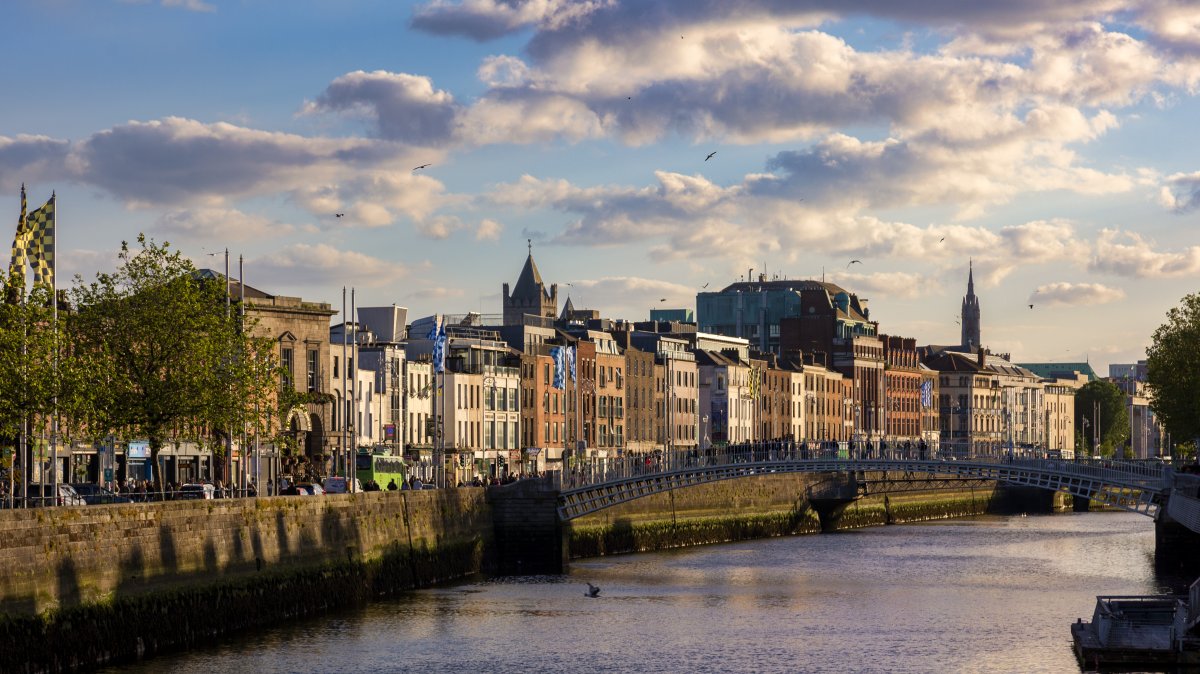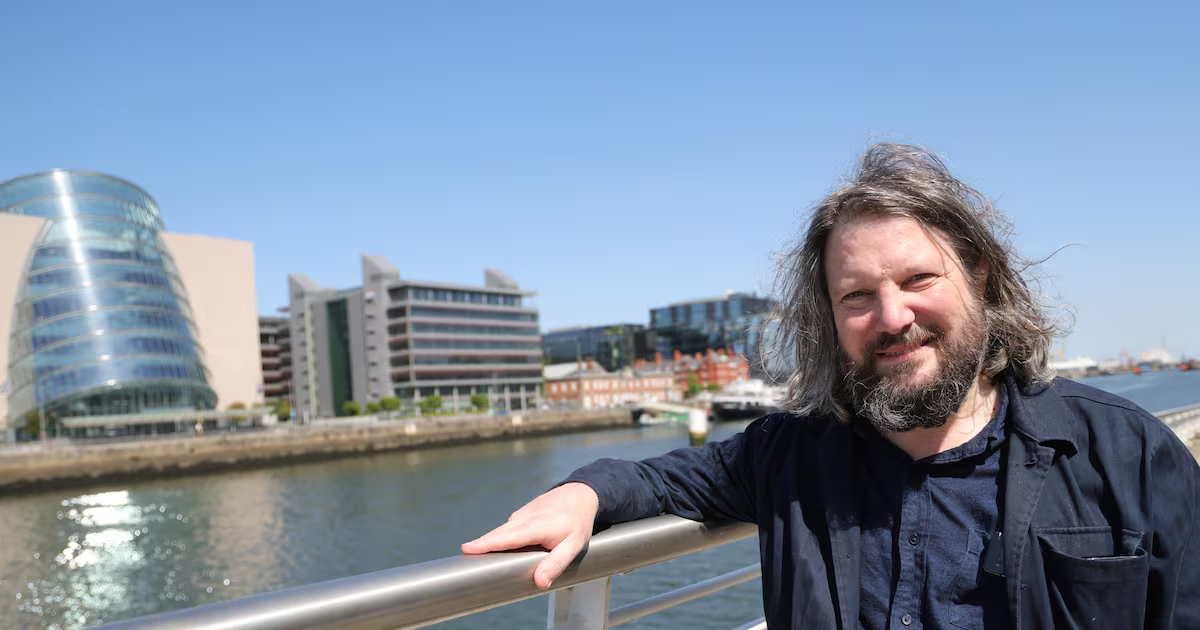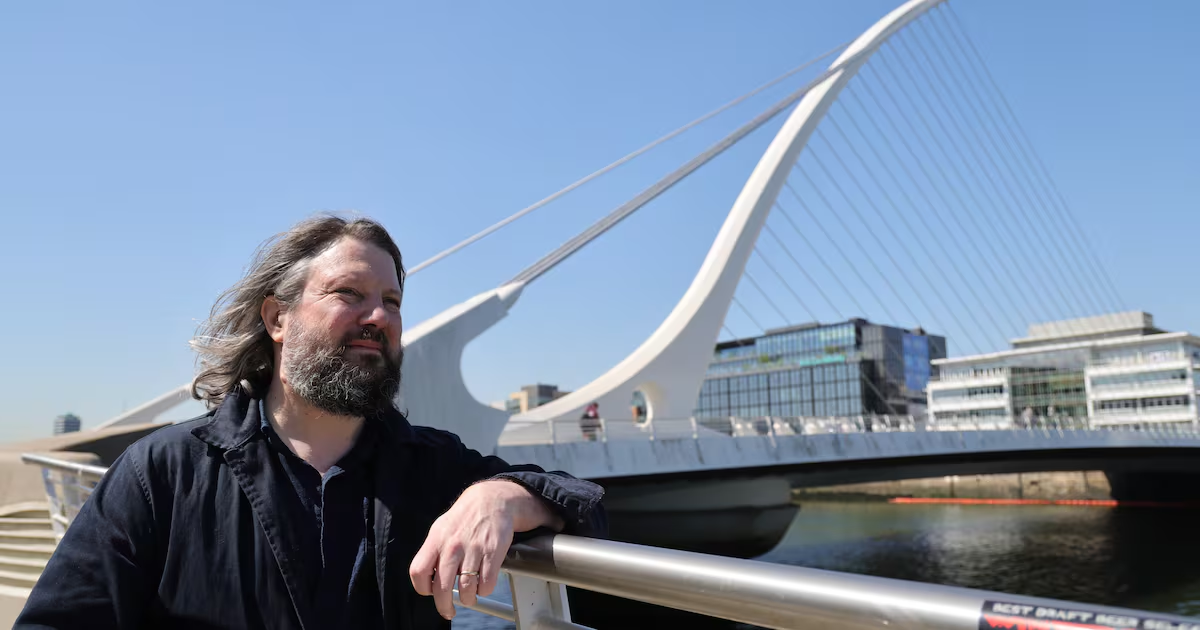
I don’t really believe in lead characters. Or, more accurately, I believe there are eight billion lead characters and that’s kind of the same thing. I have always preferred ensembles to solitary heroes standing alone. My favourite stories were about groups: The Wombles, The A-Team, The X Men, Stephen King’s The Stand, Douglas Adams’s The Hitchhiker’s Guide to the Galaxy, Joseph Heller’s Catch 22, CS Lewis’s Narnia books, The Wire, Mad Men, the Six O’Clock News, Muriel Spark’s Memento Mori.But what really drove it home for me was the last 20 years I’ve spent reporting and writing journalism. People – and, oh my God, I have spoken to so many people – just don’t align with stereotypes. On the surface a person might seem like their just in a walk-on-role, but if you talk to them for more than five minutes their true and wonderful weirdness rises to the surface. Everyone is the lead in a strange story of their own. Very few people are out there unthinkingly servicing the plot of a self-imagined lead character, and those that do are a rare breed of natural born fascist (I’m making an exception here for the parents of very young children – all babies are lead characters and there’s nothing we can do about that).Consequently, my favourite form of reporting is not the celebrity interview or political profile; it’s approaching “people” in “places” and asking them questions about “stuff”. It’s the thing many journalists hate – the dreaded vox-pop. In its debased form, it can seem like pandering, thoughtless page-filling. Send a reporter out to get a view on a new government policy: “I like it,” they say. “I do not like it,” they say. And, also, “Politicians are clowns.” (They often are, in fairness.)When I do this job, however, I have only a cursory interest in what the news angle is (don’t tell my editors) and I just want to gnaw on my interviewees’ life experience like some sort of journalistic vampire. Usually, I spend far too long talking to them, which is the best way to talk to people. They slowly veer away from the character they’re playing and become the person they are. I love it when the slightly dishevelled man feeding pigeons on a hot day says, “of course, that’s when I was a banker in Germany”, or the Brexit supporter in London’s Parliament Square mentions casually that his father was an acolyte of the occultist Aleister Crowley.I’ve spent time wandering Britain ostensibly asking questions about Brexit. I went door-to-door with a postman in north Dublin at the height of Covid. I once spent 24 hours on O’Connell Street chatting to everyone who would talk to me – flower sellers, evangelists, homeless people, musicians. I did something similar in Temple Bar. And on Parnell Street.My novel, Experts in a Dying Field, is at its core, the story of a band called the Heathens who were active until a tragedy in the early noughties, and then reconnect, sort of accidentally, 20 years later, but it ended up being a sort of portrait of Dublin. Or at least my version of Dublin. And that Dublin is very busy and filled with people.It’s a story told from the close third person perspectives of recovering alcoholic barmen, homeless vagabonds, financiers, migrant care workers, retired secretaries, struggling office workers, mundanely mystical priests, overly precocious children, musically gifted barflies, punk rockers turned suburban mothers, an urban fox and God. It’s ultimately about ageing and creativity and loss and failure and death. All the good stuff. It is, I hope, sometimes funny and sometimes very sad. [ Doing the coronavirus rounds with Joe the postman in Dublin 3Opens in new window ]I love all my characters. None of them are based on real people but they are, in a way, remixes of all the people I’ve met in and around this city and over the course of my life (including the fox). I stole the name of one of them, Snoopy, from a real local music industry stalwart who otherwise has few of the fictional Snoopy’s characteristics. Patrick Freyne ear O'Connell Bridge which he references in his new book Experts in a Dying Field. Photograph: Bryan O’Brien/The Irish Times
Patrick Freyne: The true and wonderful weirdness of Dubliners always surfaces
My favourite form of reporting is not the celebrity interview or political profile; it’s approaching ‘people’ in ‘places’ and asking them questions about ‘stuff’
1,600 words~7 min read