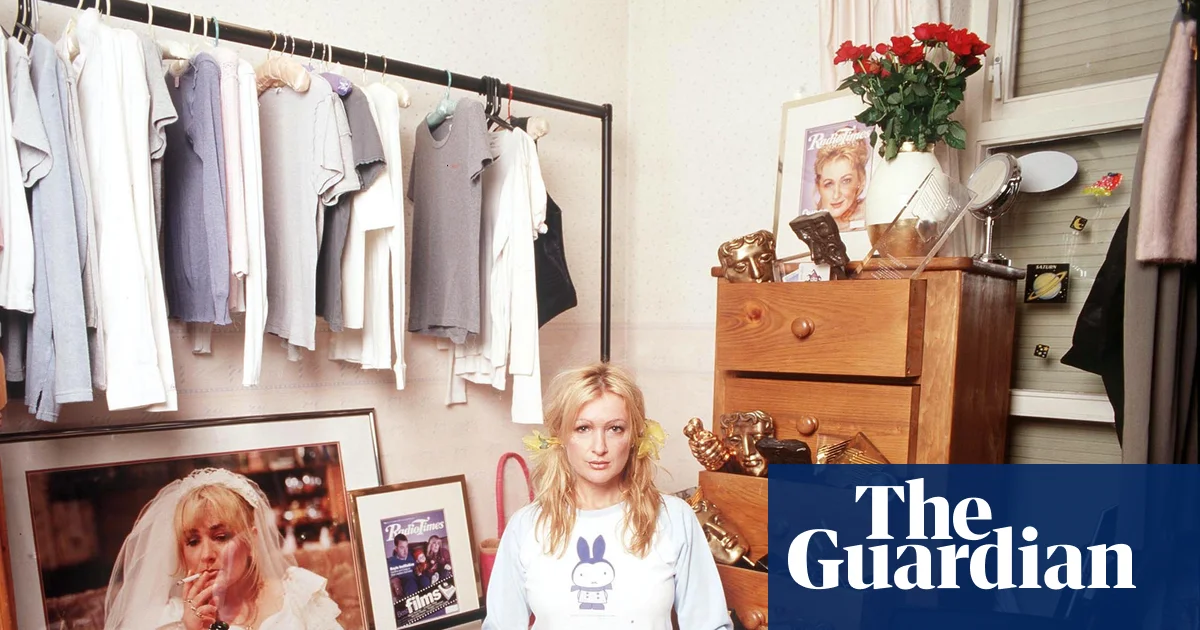
Caroline Aherne: Rebel in Disguise Author: David ScottISBN-13: 9781526191922Publisher: Manchester University PressGuideline Price: £16.99 Caroline Aherne was a genius, as David Scott’s Rebel in Disguise reminds us: her IQ was 176. Of course it was her comedic genius that made her so beloved, and much missed. (July is the 10th anniversary of her death, at 52, from cancer.) Aherne crammed a lot of laughs into those years – stand-up and pirate radio, appearing on The Fast Show, then unleashing the inimitable Mrs Merton, and the sitcom masterpiece The Royle Family – retold by Scott in a rather frustrating fashion. The unforgettable Royles were created with lifelong-friend Craig Cash; they wrote the scripts and directed many episodes, as well as playing the betrothed Denise and Dave, the giddily gormless couple enraptured in their mutual ennui. There were raspberries in her career, too (name a comedian-performer without one) that Scott also details. But they matter little, really: The Royle Family will last as long as laughter does. A proud Mancunian like Aherne, Scott is a poet and BBC Manchester radio presenter. He loves his subject dearly, which might question his objectivity, but on the whole he is balanced on the goofs as well as the genius (even if he loses the run of himself at one point by comparing Aherne to Tolstoy and Dostoevsky). He focuses on the work and the characters created by Aherne, with minimal sketching of her life in an Irish immigrant family growing up in a notorious part of Manchester, and her later “celebrity”. This choice seems misguided, as readers of comedian biographies want to understand how personal fire fuelled the work (think Peter Sellers, Joan Rivers, Richard Pryor, Lenny Bruce). Scott refuses to go down that path, out of respect for how Aherne was made miserable by tabloid intrusion. But again, the reader is left wondering how this affected the work in later years, when Aherne struggled to recapture the magic. More was desired on Aherne’s early days on the male-dominated comedy circuit, too, and wider context of how her first BBC job was as Janet Street-Porter’s secretary, whereas Oxford-educated Armando Iannucci arrived as a comedy producer. A problem with focusing mainly on the work is that the book becomes too weighted with transcripts of Aherne’s comedy, and why bother when you can watch her deliver these very lines by pressing a button. Good intentions, but a missed opportunity.
Caroline Aherne: Rebel in Disguise balances the goofs and the genius
David Scott’s focus on her work has good intentions, but also sees a missed opportunity
402 words~2 min read