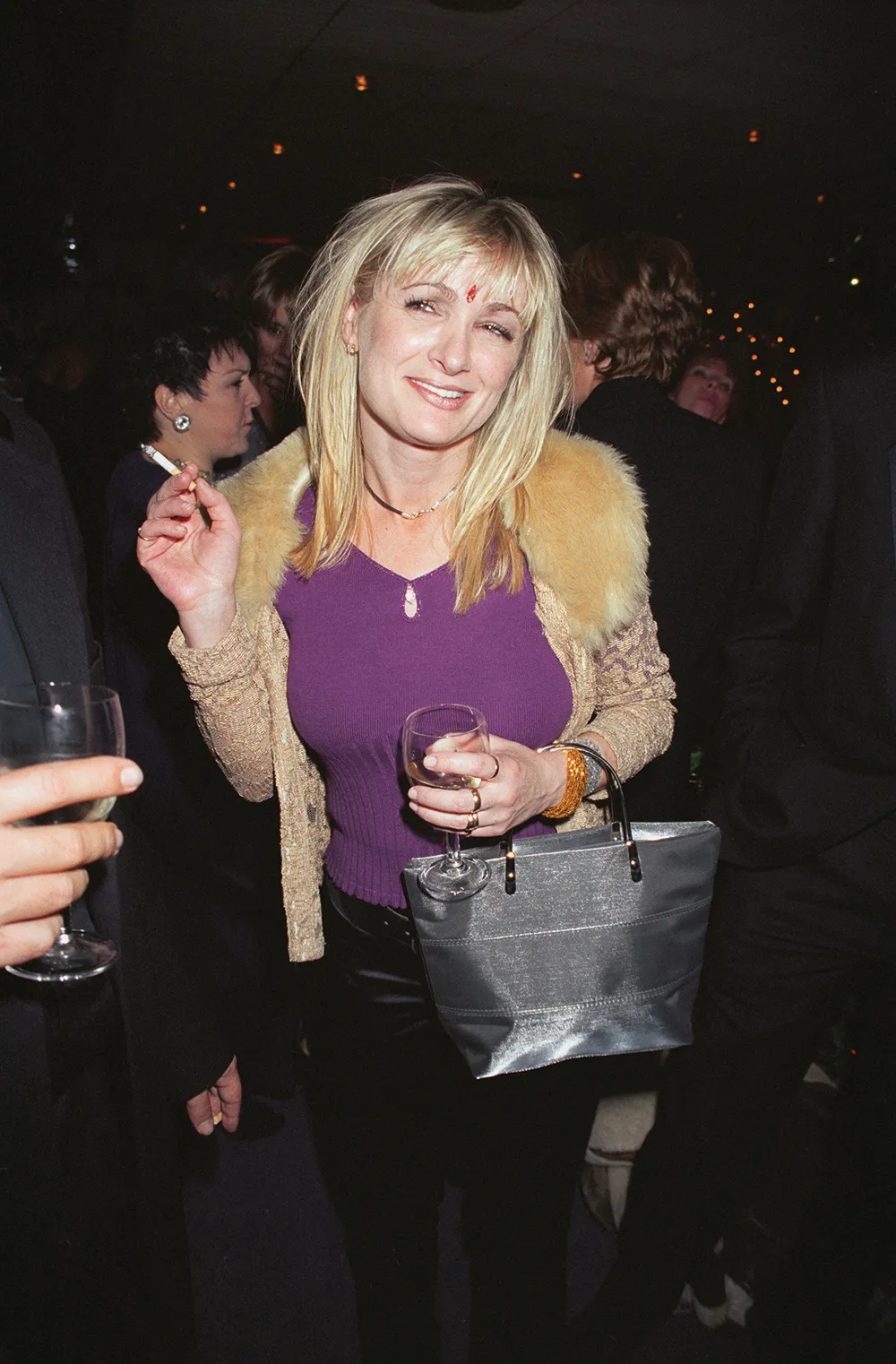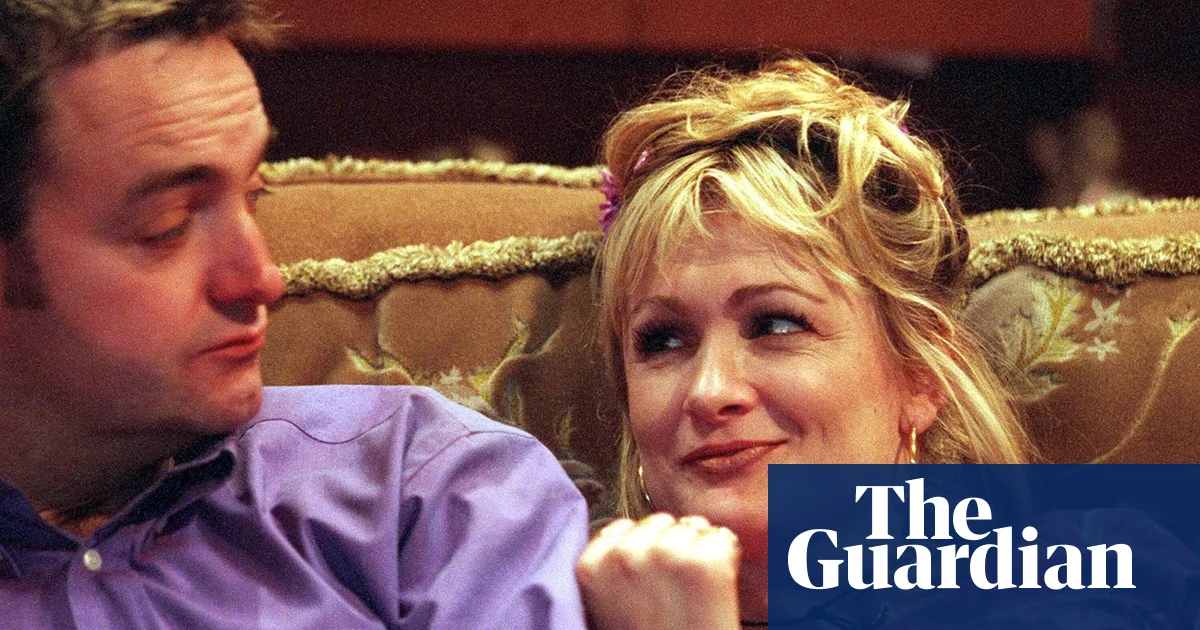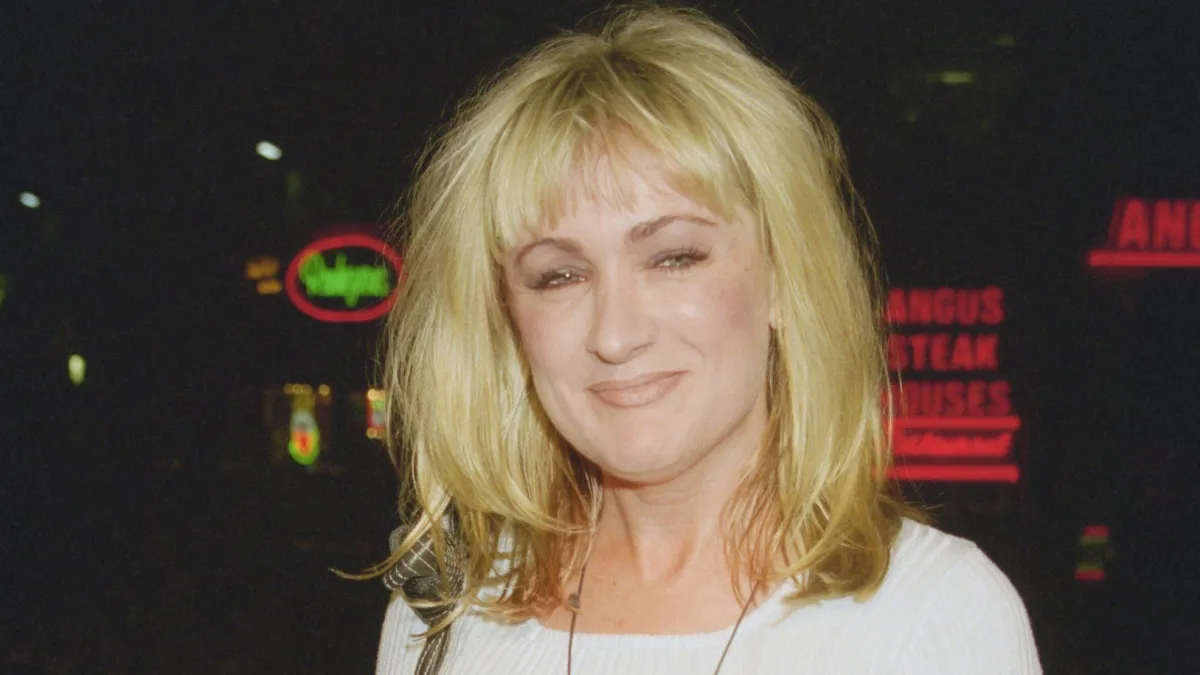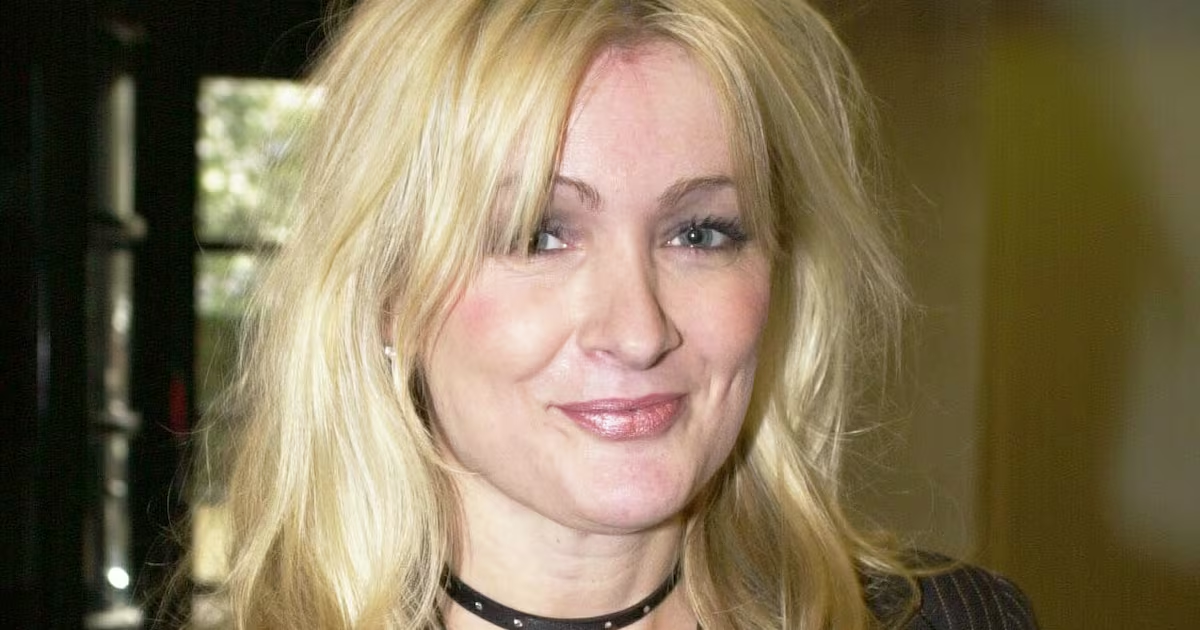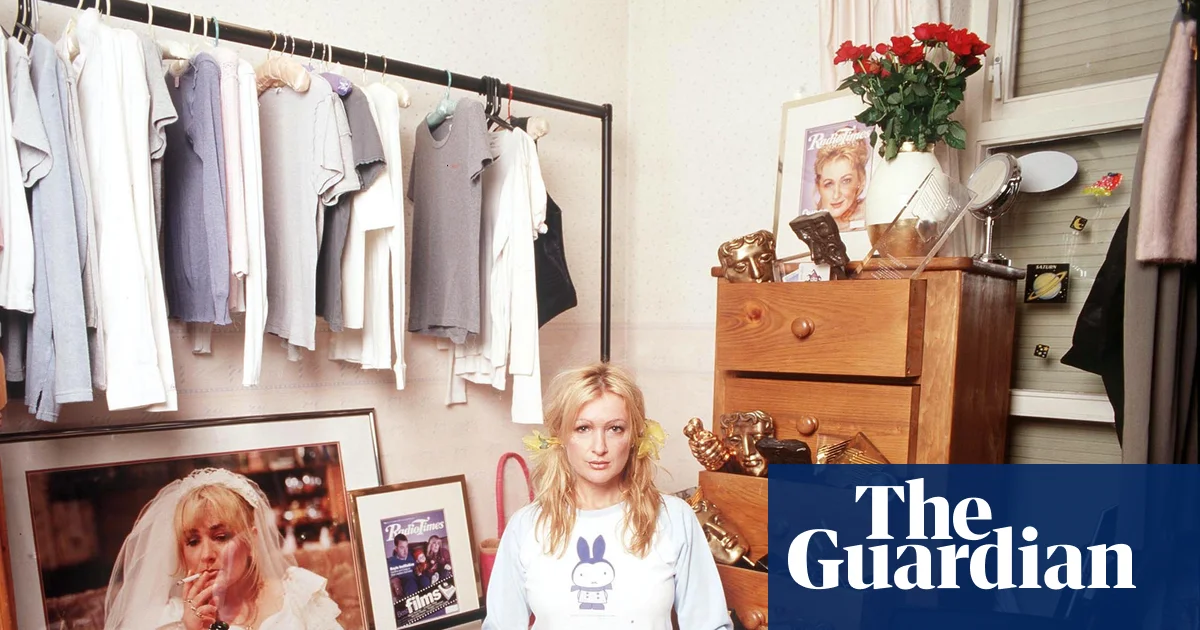
From the 1990s until her tragically early death in 2016, Caroline Aherne was a fixture of British primetime television. This new study of her work reminds us of the punk spirit behind it all. Aherne was the deceptively vicious chatshow host Mrs Merton. She was the voice of Gogglebox, an expression of love for the medium she adored. She was the creator and star of The Royle Family, one of the most profound, realistic and beautiful sitcoms ever written for the British screen. She was one of the greats.David Scott’s first book, Mancunians, offered a portrait of his city through its notable people, one of whom was Aherne. In it, Scott argued that her home city had not done nearly enough to celebrate her, and this, his second book, is an attempt to redress the balance. She is, Scott writes, his biggest influence (he is a poet and presenter) and his favourite Mancunian of all time. When the idea of writing a proper biography was put to him, he declined, repelled by the idea of “raking over someone’s private life”. This rakes over the work instead, representing a comprehensive record of her output from the perspective of a true devotee.Caroline Aherne as Mrs Merton. Photograph: ITV/Rex/ShutterstockIt is also a tribute to what made her work so brilliant and so subtly subversive. According to her longtime writing partner Craig Cash, with whom she co-created The Royle Family, Aherne saw humorous potential in the profoundly ordinary. “She’d say all the comedy you want in the world is in the supermarket if you listen,” he once told the BBC. Aherne’s early days as a comedian, and her time on the pirate radio station KFM with Cash, sound anarchic and joyous. She invented Sister Mary Immaculate, a sexually voracious nun. She tried to do standup without any jokes in it. She appeared on The Fast Show, stealing every scene in which she appeared.But it was with Mrs Merton, the elderly chatshow host, who asked the kind of blunt questions most interviewers only dream of, that she hit the big time. Scott delves into the genesis of the character and its surprisingly long journey to TV screens. There were five years of pilots and guest appearances before the BBC finally picked it up in 1995. The Royle Family had a similarly tortuous birth, even though Mrs Merton had already been a hit. The first pilot, never aired and “untransmittable”, was shot like a sitcom, brightly lit, with multiple cameras and a laughter track. Legend has it that Aherne took the tape and buried it in her mum’s garden. At an early screening, the then BBC Two controller Mark Thompson was reportedly still unconvinced that it worked without the canned laughter. It was about a working-class family who sat on the sofa, took the piss out of each other and watched television. It was funny and daft, but it could wind you with its emotional clout. It didn’t need to tell the audience where the laughs were.Although Scott may be averse to biography, it is inevitable that Aherne’s life story creeps in, and it often provides the context the work needs. She was prone to depression and poor mental health. She struggled under the spotlight of fame and, for a time, fled to Australia, where she created the melancholy comedy Dossa and Joe. Scott’s thoroughness shines a light on the misses as well as the hits; I had forgotten, for example,, that The Royle Family had a period of decline, before ending in 2012, or that Mrs Merton generated a poorly received spin-off, in which Cash played her son, Malcolm.Scott is prone to the hyperbole of the acolyte. “I’m putting Caroline Aherne in the same lineage as Shakespeare. Why not?” he writes. He argues that The Royle Family is as good at unravelling family dynamics in 30 minutes as 500 pages of Tolstoy and Dostoevsky. He suggests that Kafkaesque and Orwellian should be joined by a new adjective, “Ahernean”, to describe the humour found in everyday, especially northern, working-class settings. Such ostentatious comparisons are fun but do occasionally raise an eyebrow. Still, this is a love letter, full of warmth and enthusiasm; a passionate celebration of Aherne, of working-class artists, of Manchester, and of an era of television that no longer exists.
Caroline Aherne by David Scott review – portrait of a comedy maverick
A biography of the creative force behind Mrs Merton and The Royle Family focuses on the stories behind her work
716 words~3 min read