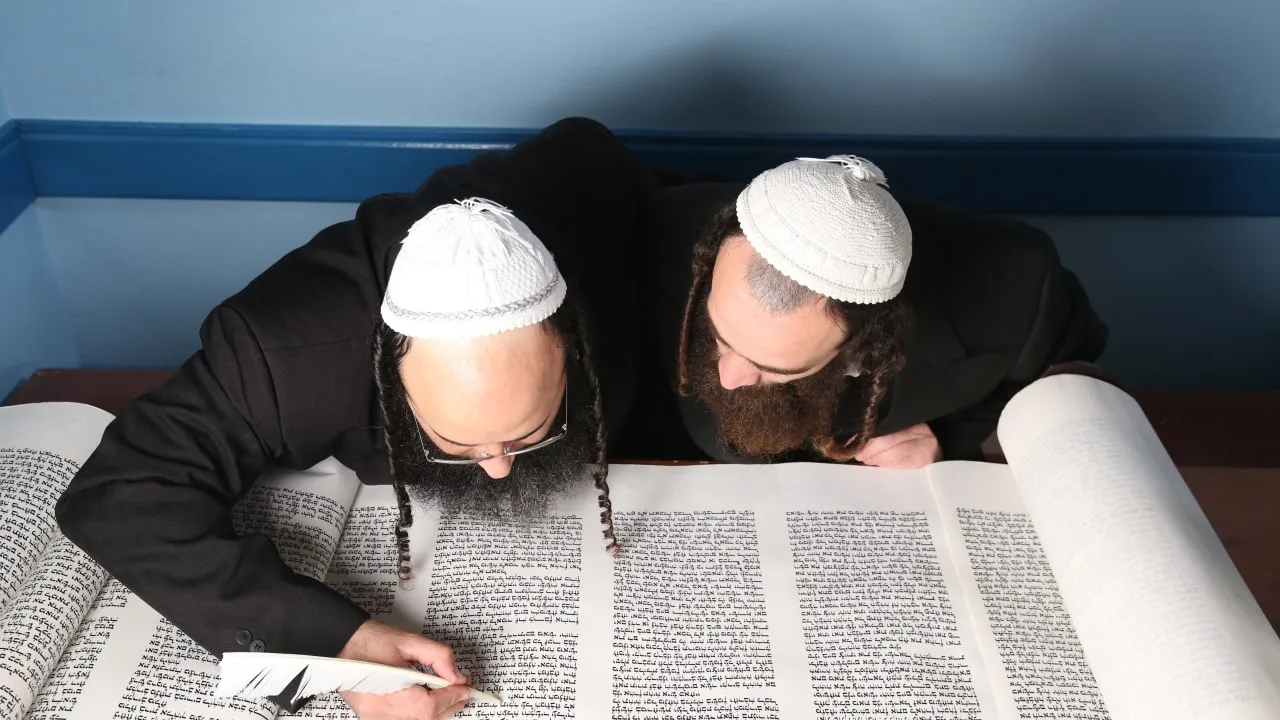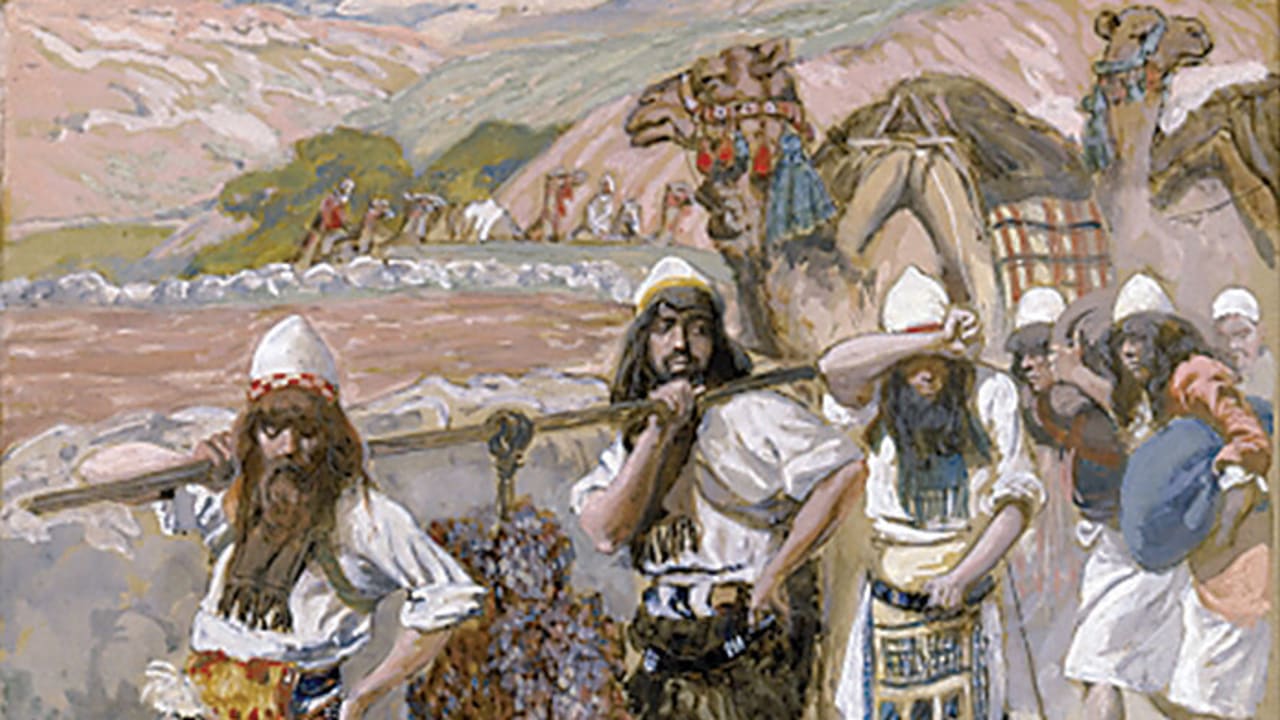
Joshua’s spies returned with faith and confidence, teaching a timeless lesson about courage, purpose, and the Land of Israel.Follow us on Google The Grapes of Canaan by James Tissot (circa 1900). Although the 12 spies brought back a cluster of grapes so large that it took two men to carry it, only two of the 12 brought back a good report of the land.(photo credit: WIKIPEDIA)ByMICHAEL FREUNDJUNE 6, 2026 06:08The haftarah for Parashat Shelach, taken from the second chapter of the Book of Joshua (verses 1-24), tells a dramatic story.As the Jewish people stand poised to enter the Promised Land after 40 years of wandering in the wilderness, Joshua dispatches two spies to scout out Jericho. They encounter Rahab, who risks her life to shelter them and ultimately helps pave the way for Israel’s successful entry into the Land.At first glance, the connection to Parashat Shelach is obvious. Just as Moses sent spies into the Land of Israel, Joshua does the same. But the similarities merely underscore a profound contrast.The spies sent by Moses – aside from Joshua and Caleb – returned fearful and demoralized. Rather than viewing the Land of Israel as a Divine gift waiting to be embraced, they saw only obstacles and dangers. Their lack of faith led the nation astray, condemning an entire generation to die in the desert. Joshua’s spies, by contrast, return with confidence and conviction.“The Lord has delivered the entire Land into our hands,” they declare (Joshua 2:24). Where the earlier spies saw giants, these spies saw opportunity. Where the previous generation faltered, the next generation was prepared to act.Reading a torah scroll (credit: INGIMAGE)A struggle of faith, vision and national purposeThe lesson is as relevant today as it was over 3,000 years ago. The struggle over Eretz Yisrael has never been solely a military or political contest. At its core, it is a test of faith, vision, and national purpose.Some look at the Land and see only difficulties. Others look at the very same hills and valleys and see the unfolding of God’s promise.The haftarah urges us to adopt Joshua’s perspective rather than that of the spies in the Torah portion. Indeed, God had already told Joshua, “Every place upon which the sole of your foot shall tread I have given to you” (Joshua 1:3). The Land is not merely territory. It is an inheritance, a sacred trust bestowed upon the Jewish people.For nearly 2,000 years, Jews never abandoned that trust. But our ancestors did not yearn merely for a refuge. They longed for a homeland. They dreamed not only of survival but of return. Thank God, much of that dream has become reality. The State of Israel has flourished beyond anything previous generations could have imagined. Desolate landscapes have been transformed into thriving communities, Hebrew has been revived as a living language, and millions of Jews have returned home.Yet the work remains unfinished. Large parts of the biblical heartland – the very regions where Abraham walked – remain the subject of international pressure. Too often, the world speaks of Judea and Samaria as though they were foreign yet these are the places where Jewish history was forged.The haftarah reminds us that the generation that entered the Land succeeded because it possessed clarity of purpose. Joshua’s spies understood the question was not whether the task would be difficult, but whether the Jewish people would have the courage to fulfill their mission.That challenge has not disappeared. Settling all parts of Eretz Yisrael is not merely a matter of demographics or security. It reflects the understanding that Jewish history did not begin in 1948 and that our rights do not depend on the approval of foreign governments.The generation of the wilderness allowed fear to shape its destiny and paid a terrible price. The generation led by Joshua chose faith over fear and changed the course of history.As we read this week’s haftarah, the question before us is the same: Will we view the Land of Israel through the eyes of doubt or through the eyes of destiny? The Land awaits its children. The only question is whether we possess the vision and determination to answer its call.Follow us on Google
Joshua's spies chose faith over fear - can Israel do the same? | The Jerusalem Post
Joshua’s spies returned with faith and confidence, teaching a timeless lesson about courage, purpose, and the Land of Israel.
696 words~3 min read