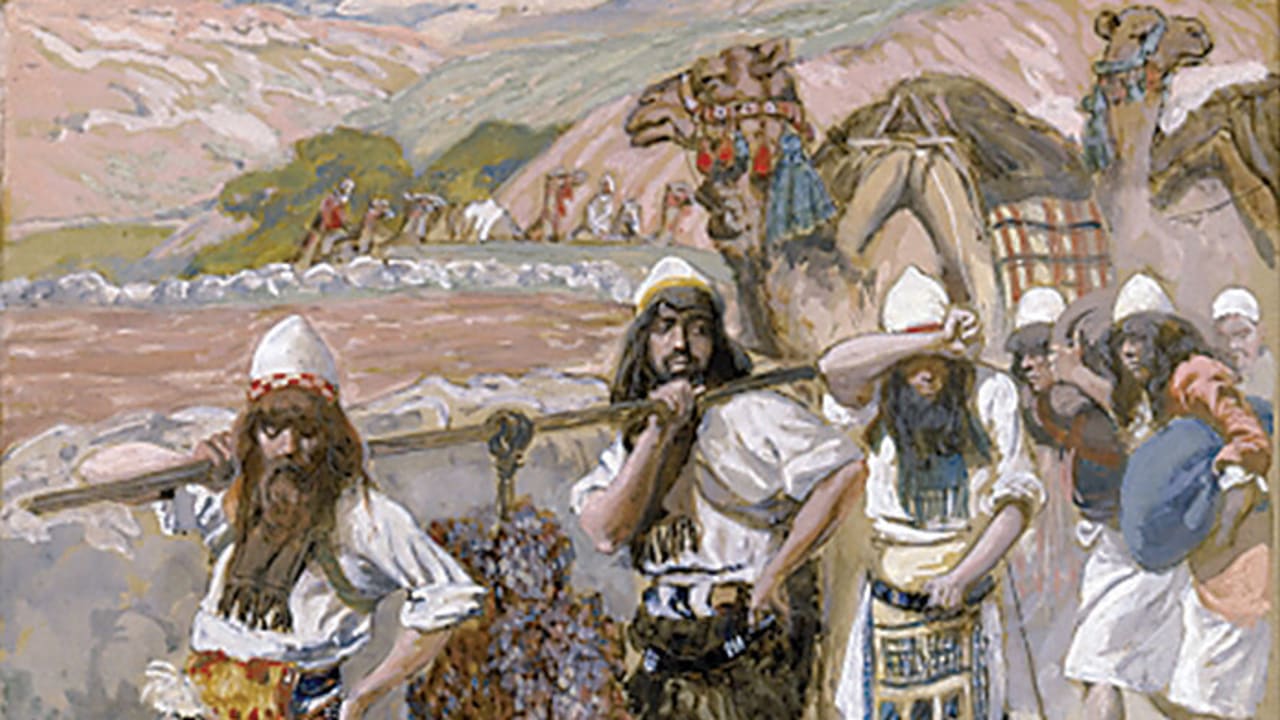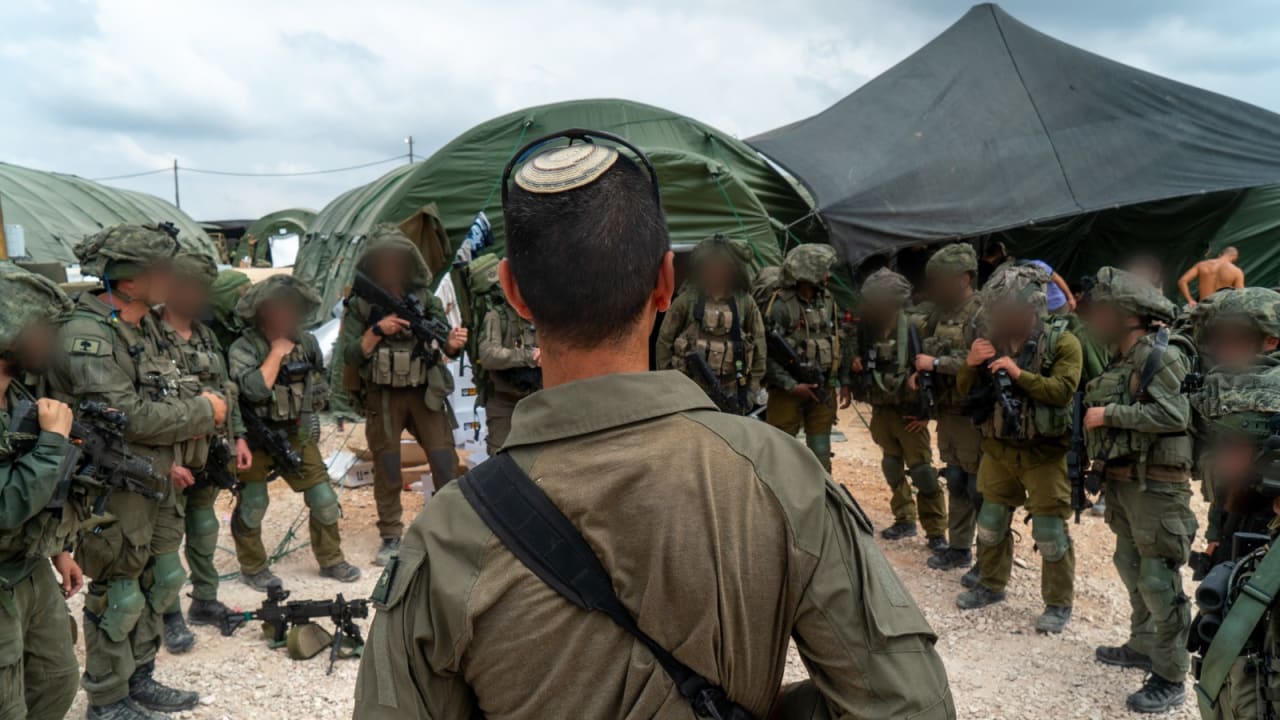
ByMOSHE TARAGINJUNE 6, 2026 06:09Everything came crashing down so rapidly. The long-awaited moment had finally arrived. A prophecy delivered hundreds of years earlier was about to materialize. We stood at the doorstep of Israel and at the doorstep of history.We thought redemption was within reach. We were wrong.After a 40-day mission to scout the land, the spies returned with tales of fear and terror. The land consumes its inhabitants. Giants roam the countryside, reducing ordinary people to the size of grasshoppers. Their slanderous report spread fear and panic throughout the nation. An epidemic of fear gripped our people, and they began to cry.This was one failure too many. The sin of the Golden Calf had been forgiven, but this second offense, shrinking from history and rejecting the land promised by God, proved catastrophic. A deadly plague struck the ringleaders, while the rest of the nation, swept up by the fear and panic, was condemned to wander the desert for 40 years and die before entering the land.A heavy mood settled upon the camp. An entire generation had squandered a historic opportunity. The dream of entering the Land of Israel had not vanished, but it had been delayed by 40 painful years.‘A Ma’apilim Ship,’ painting by Marcel Janco (see Friday). (credit: Ravi Vencian)The sin of overconfidenceThe next morning, a group arose early, filled with optimism and renewed determination. The despair of the previous night had given way to a passionate desire to repair what had been lost. Filled with remorse, they were determined to ascend to the Land of Israel and settle it despite the explicit divine command not to proceed.They were determined to reverse the tragedy. The land they had rejected only a day earlier now stood once again at the center of their hopes. Convinced that they could still set things right, they prepared to march forward.Despite repeated warnings not to proceed, they rushed headlong into their mission. Ignoring Moses’ instructions, and despite the fact that the ark remained behind in the camp, they advanced toward the hill country. The campaign ended in horrific tragedy. The Amalekites and Canaanites who inhabited the southern approach to the land descended upon them and inflicted a crushing defeat.Their mistake was obvious. They had openly defied a direct command of God conveyed through Moses. But what led them to commit this error? How could a people still reeling from the trauma and humiliation of the spies’ rebellion stumble so quickly into yet another catastrophe?Evidently, they were too confident. This land had been promised to our people hundreds of years earlier through the covenants forged with our patriarchs in Genesis. The promise was repeated as the Exodus from Egypt began and was ultimately embedded within the Torah given at Sinai. It was obvious that God intended this land for His people.They did not deny their wrongdoing in the episode of the spies. Nor did they reject the promise of the land. Quite the opposite. They were so certain that the promise would be fulfilled that they assumed the land could be entered whenever they chose and in whatever manner they chose. Convinced that nothing could obstruct Jewish destiny or derail divine prophecy, their faith in the promise became overconfidence. What began as belief ended as folly.And the folly was apparent on every level. Even setting aside the divine command not to proceed, this was clearly not the right moment to launch a campaign to conquer the land. After behaving so foolishly and so fearfully, were we truly prepared to begin the next chapter of Jewish history? Serious internal issues remained unresolved. Moses’ authority had begun to fray, and this act of defiance only deepened the crisis.Even from a purely military standpoint, the decision was reckless. A small force, the ma’apilim, charged headlong toward the fierce Amalekite warriors without a coherent strategy, without adequate preparation, and without the broader nation standing behind them.Faith in destiny and confidence in divine promise stand at the bedrock of religious identity. In this instance, however, those very beliefs led to overconfidence and a reckless fantasy.Faith is not a strategyWe believe that our return to Israel is part of a larger story, a story foretold thousands of years ago. We are a people of destiny, and this is the land God intended for us as we fulfill that destiny. Faith provides the inner strength, resilience, and patience needed to navigate difficult moments, including those we have endured over the past three years.However, faith in destiny can also breed overconfidence and encourage irresponsible behavior. The belief that history is moving toward a divinely ordained destination does not exempt us from exercising judgment, responsibility, and restraint.This was precisely the mistake of the ma’apilim. Their faith in the promise of the Land of Israel was genuine. Their confidence that God intended this land for His people was justified. But they confused certainty about the destination with certainty about the path.Our faith tells us how this story ends. We are assured of the outcome. What we do not know is how we will arrive there. How long will the journey take? Will the road be smooth or filled with setbacks and detours? When confidence outruns judgment, faith can deteriorate into reckless fantasy.Though we are assured of the destination, we must still exercise military prudence. Though we believe we walk a moral path, we must navigate it with moral conscience. Though we know that international support will not always be forthcoming, we must still respect diplomatic norms and avoid unnecessary friction. Confidence in destiny should not become a mentality of “we’ll show them.”Faith in redemption is not a substitute for good judgment.Underconfidence and overconfidenceReligious people are especially vulnerable to overconfidence. We are deeply committed to truths that we believe were divinely revealed. That conviction is a source of strength, but it can also become a source of blind spots.At times, certainty in our beliefs can make it difficult to appreciate complexity or recognize that other people may see reality differently. Other times, this overconfidence expresses itself in a dismissive attitude toward those who do not share our worldview.When those truths are not merely personal religious convictions but collective truths about Jewish destiny, that confidence can become even more powerful.Faith in our destiny should steady us during difficult moments. It should provide the patience to navigate the longer arcs of history without demanding immediate results. Faith in destiny should instill a quiet confidence that we are traveling down a road whose destination we know, even if we cannot yet see every turn along the way. It should not, however, interfere with our commitment to practical judgment, moral responsibility, and disciplined decision-making.The story of the spies is a study in underconfidence. Faced with the frightening reports of the spies, the nation should have placed its trust in God rather than in the fears and distortions of men. God had liberated them from the tyranny of Egypt, split the sea, and spoken to them from a fiery mountain. He was certainly capable of leading them into the Land of Israel despite the giants who inhabited the land.The initial failure of the spies was a failure of confidence. The secondary failure of the ma’apilim was a failure of overconfidence. Their enduring faith in the promise of the Land of Israel led them to assume that they could seize that destiny on their own terms. That overconfidence brought them to ignore Moses’ authority and defy explicit divine instruction.The writer is a rabbi and educator at Yeshivat Har Etzion in Israel. His latest book, Reclaiming Redemption, Volume II: Faith, Identity, Peoplehood, and the Storms of War, is available at mtaraginbooks.com. Follow us on Google
What the ma'apilim teach us about faith and judgment | The Jerusalem Post
The story of the spies shows how belief in destiny can falter in fear or slip into reckless overconfidence.
1,273 words~6 min read