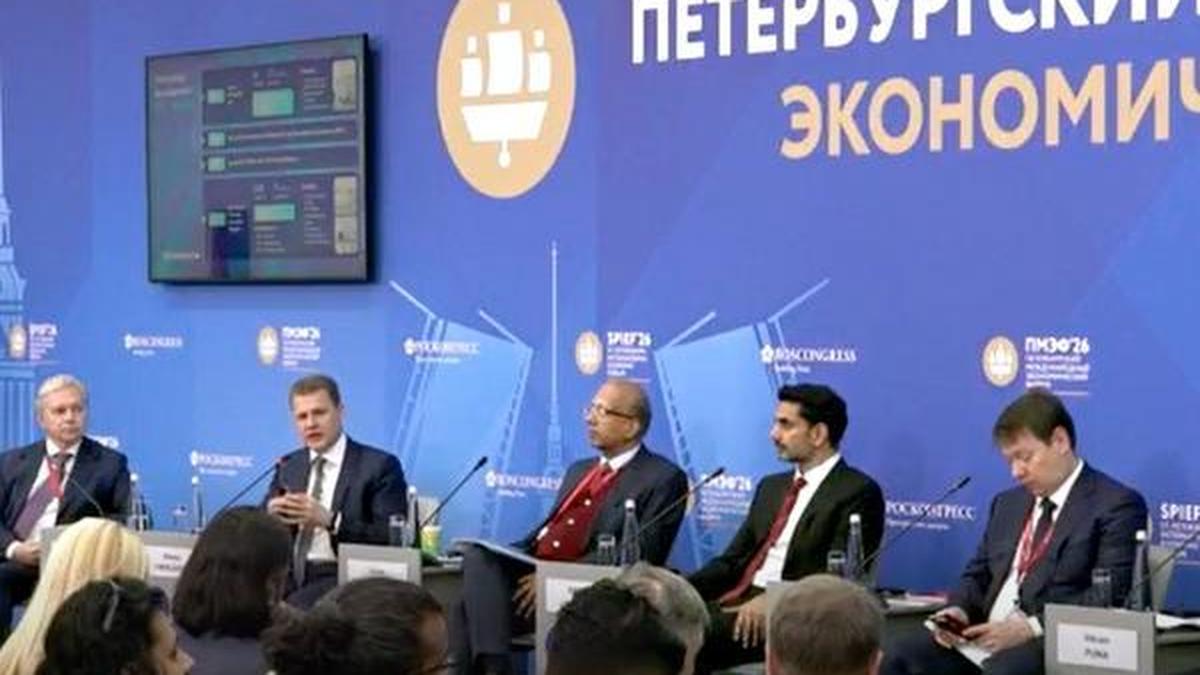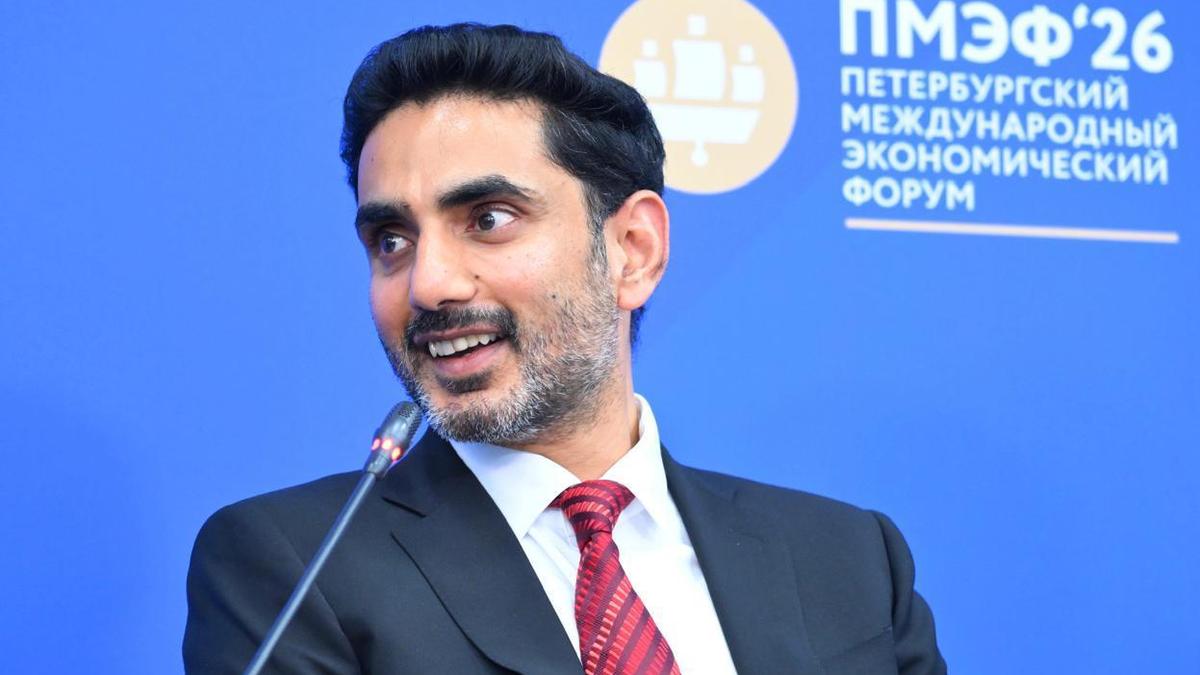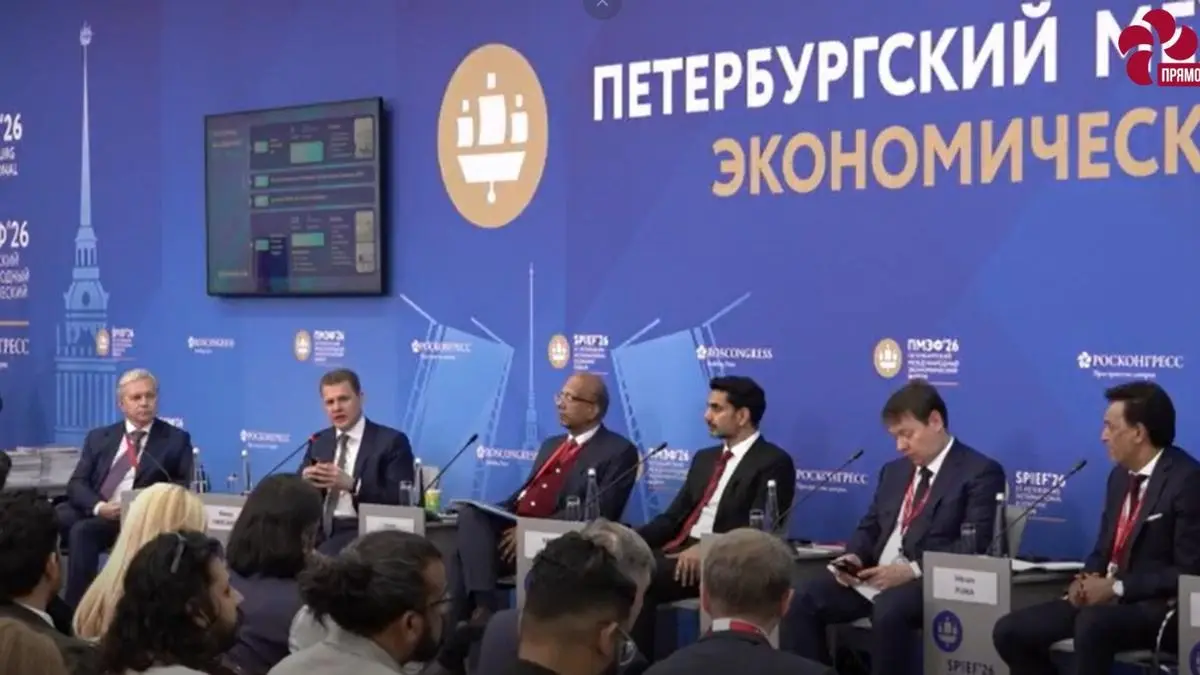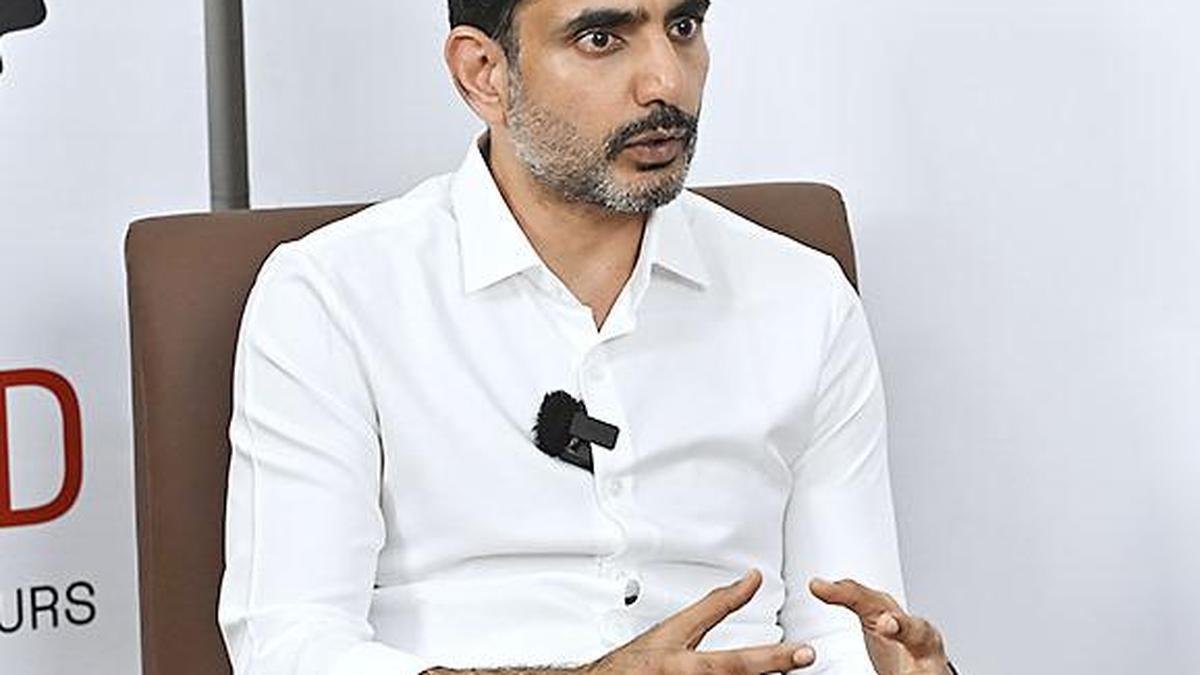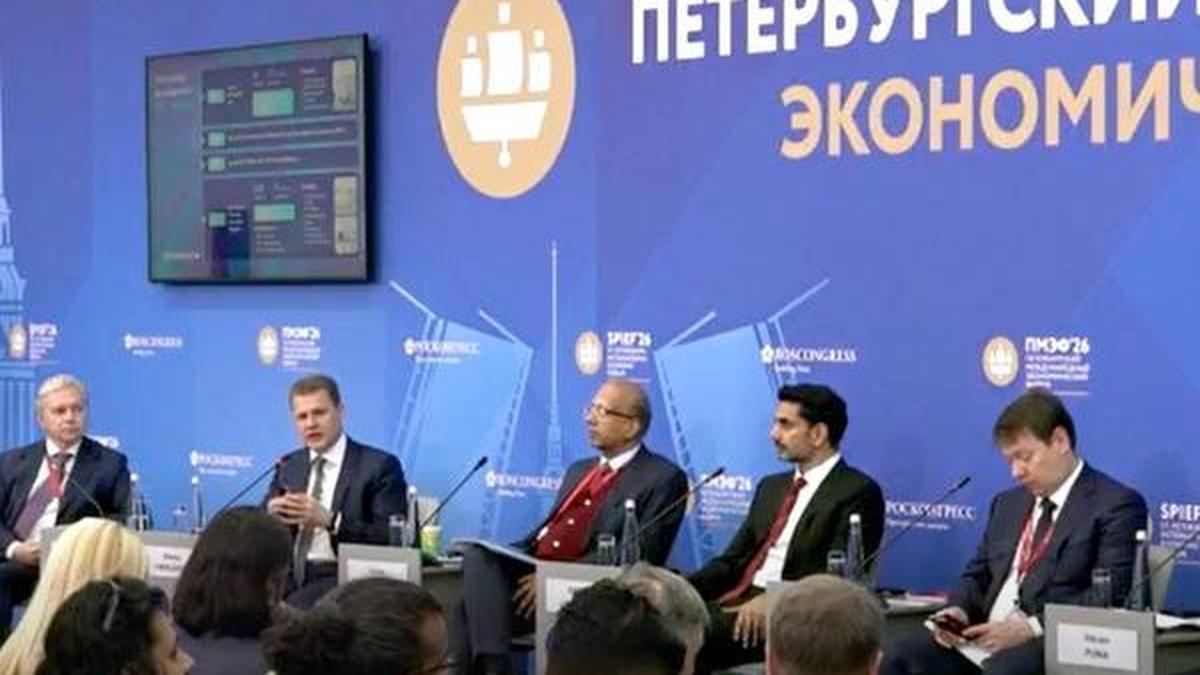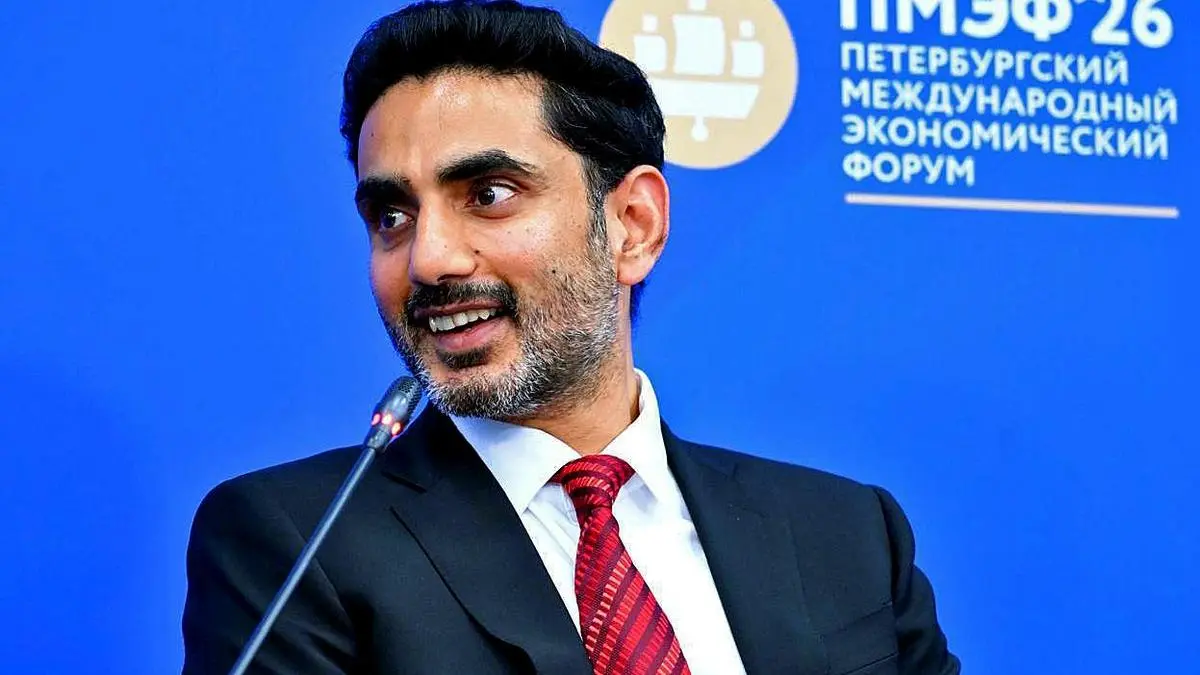
Minister Nara Lokesh has positioned Andhra Pradesh as a strategic gateway to emerging Arctic logistics routes, highlighting the state’s nearly 1,000-km coastline, six operational ports and several ports under development at the St Petersburg International Economic Forum in Russia.
Andhra Pradesh Minister Nara Lokesh on Friday pitched the state’s 1,000-km-long coastline, six operational ports, and several ports under construction as India’s gateway to the Arctic logistics network.Addressing the St Petersburg International Economic Forum in Moscow on the fourth day of the event, Lokesh highlighted Andhra Pradesh’s growing importance in global maritime trade and logistics during the “New Frontiers in Global Logistics and the Arctic Logistics Framework” dialogue.“Lokesh pitches Andhra Pradesh as India’s gateway in Arctic logistics network… The state possesses nearly 1,000 kilometres of coastline, operates six ports, and has several more ports under development,” said a press release quoting the state IT minister.He underscored the need to explore new maritime routes and build resilient supply chains amid recent geopolitical challenges.Focus on maritime trade and supply chain resilienceResponding to a question on whether Andhra Pradesh is prepared to adapt its shipbuilding and port infrastructure, Lokesh said the Arctic is emerging as a key factor shaping the future of global trade, energy security, and resource transportation.Observing that uncertainty is the only certainty in the world, he said crises often create new opportunities.He said Andhra Pradesh is positioned to play a strategic role on India’s eastern seaboard and serve as a gateway to the country’s hinterland, strengthening economic connectivity between India and Russia, according to the press release.Lokesh said Arctic shipping routes are becoming increasingly important as they can reduce cargo transit times and help build more resilient logistics networks.In today’s competitive global supply chain environment, he said every day—and even every hour—matters.Referring to India’s growing manufacturing ambitions, Lokesh said the country may import energy but can also export manufactured products.He said that as countries such as India diversify energy sources, strengthen electronics manufacturing, and secure access to critical minerals, new opportunities for cooperation and partnerships are emerging.He stressed that these developments open significant avenues for collaboration between India and Russia.In addition to concerns about ensuring two-way cargo movement, Lokesh also pointed to India’s growing manufacturing ambitions under Prime Minister Narendra Modi’s Make in India initiative.He said India can create balanced trade opportunities through emerging logistics corridors.He highlighted that Andhra Pradesh has attracted 25 per cent of all investments in India over the past two years, positioning it as a key future hub for manufacturing, logistics, and exports.Talks with RUSAL on aluminium value chain expansionLater, Lokesh held discussions with the senior leadership of RUSAL, one of the world’s largest aluminium producers, on the sidelines of SPIEF 2026.The meeting focused on RUSAL’s recent investment in Andhra Pradesh and opportunities to expand the state’s aluminium value chain through downstream manufacturing, said a press release.He reviewed the progress of RUSAL’s investment in Pioneer Aluminium Industries, in which the company acquired a 26 per cent stake in March 2025.Located in Andhra Pradesh, Pioneer operates a 1.5 million-tonne-per-annum alumina refinery that serves both domestic and international markets.Push for integrated aluminium manufacturing ecosystemDuring the discussions, Lokesh invited RUSAL to explore the next phase of investment by establishing downstream aluminium smelting capacity alongside the existing alumina refinery.Such an expansion would enable the conversion of alumina produced in Andhra Pradesh into primary aluminium, creating significantly higher value addition, employment, and export opportunities within India, it said.The two sides discussed the possibility of developing a fully integrated aluminium manufacturing ecosystem in Andhra Pradesh, leveraging the state’s industrial infrastructure, deep-water ports, logistics connectivity, and growing renewable energy capacity.“Rather than exporting alumina, Andhra Pradesh has the opportunity to move further up the value chain and become a major producer of value-added aluminium products for domestic and global markets,” Lokesh said.RUSAL’s leadership also shared updates on its Indian operations and outlined its long-term interest in supporting the growth of India’s metals and manufacturing sectors.The company said it would evaluate the proposals discussed during the meeting and explore future opportunities to expand its presence in Andhra Pradesh, it added.Published on June 6, 2026