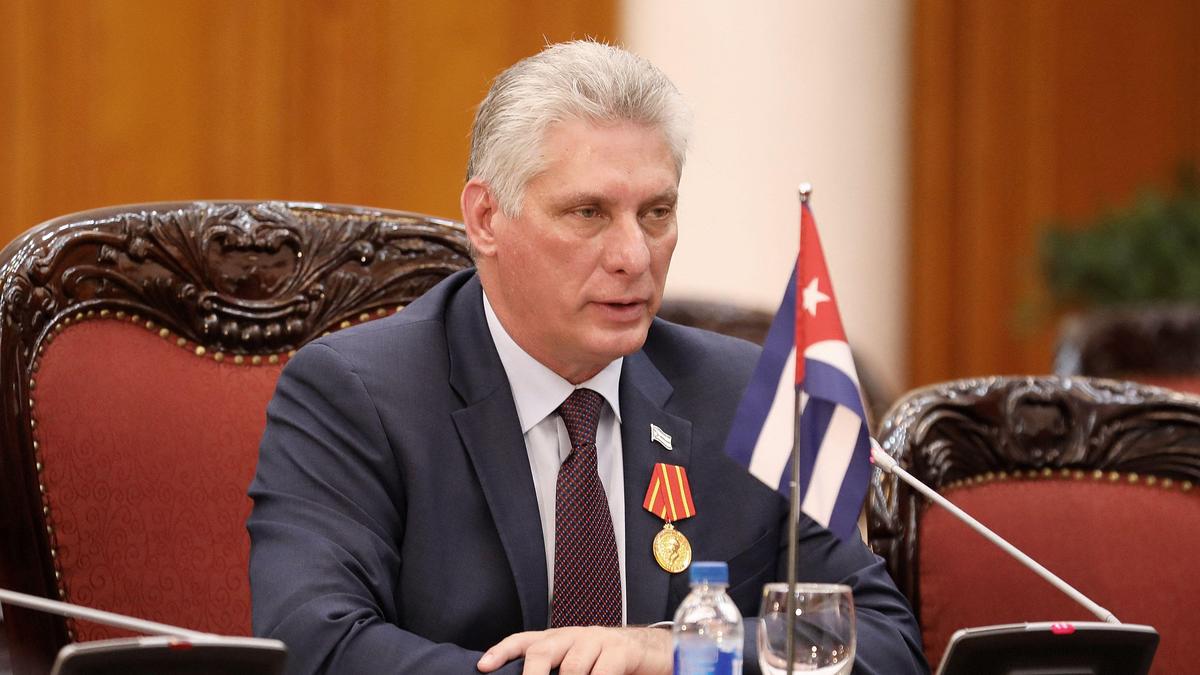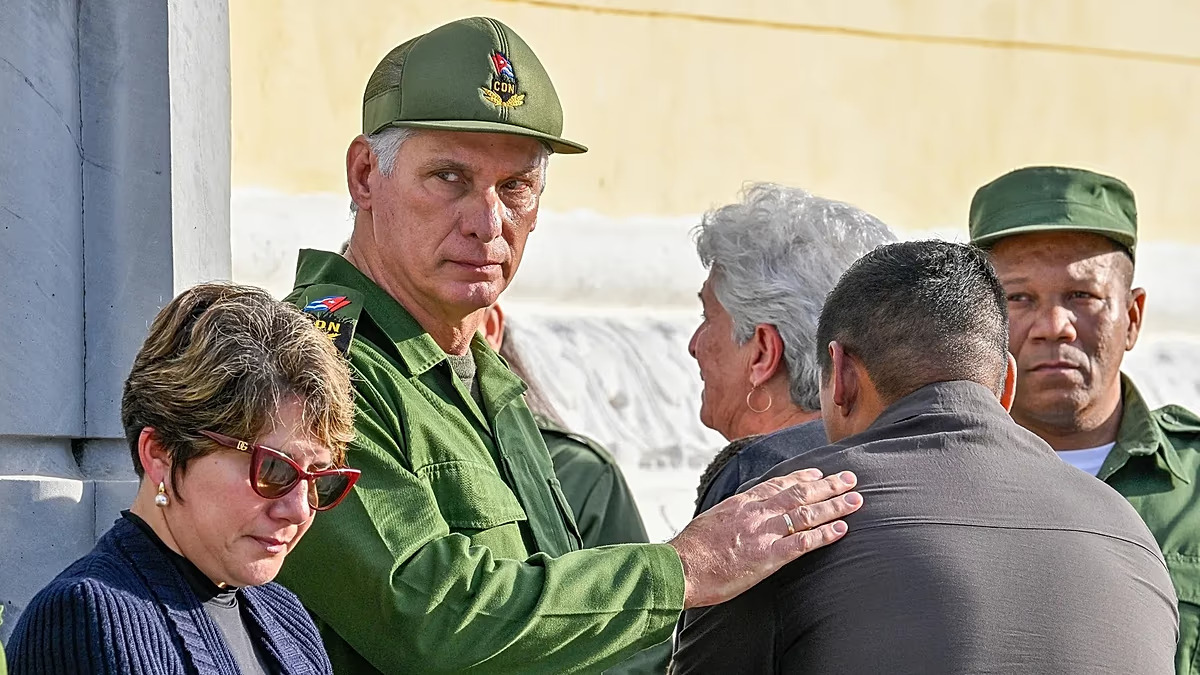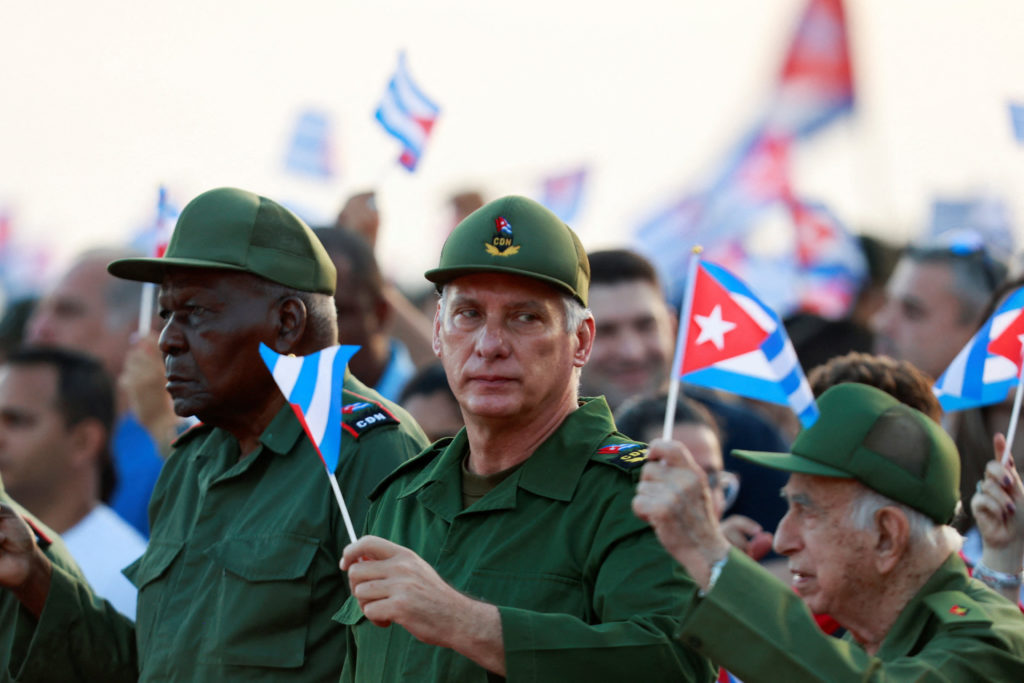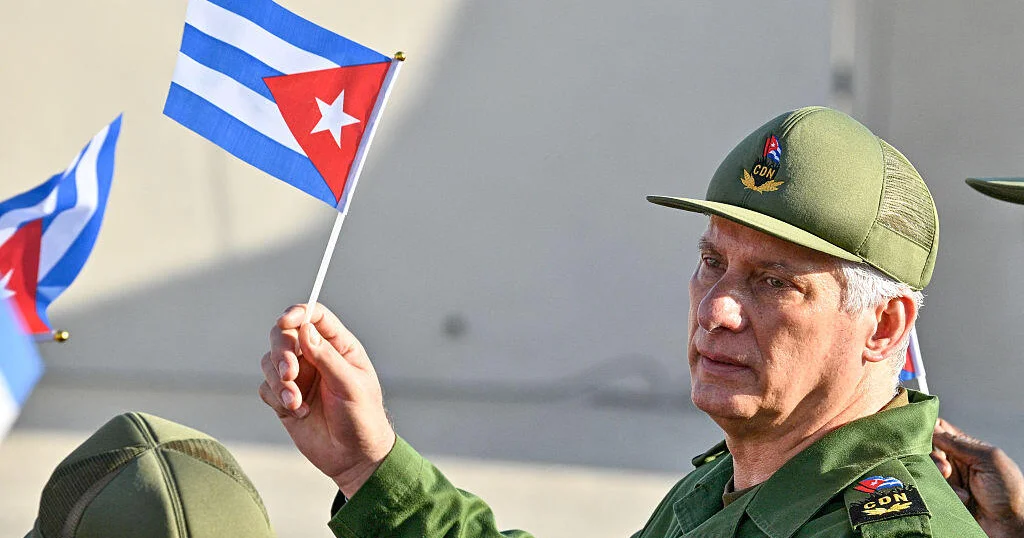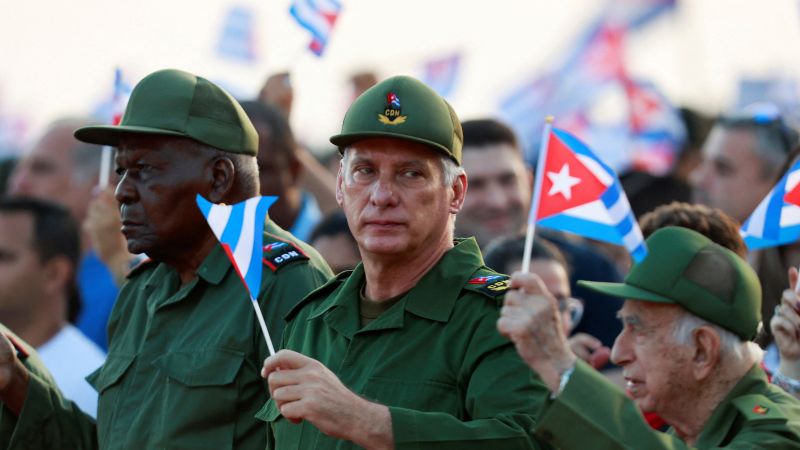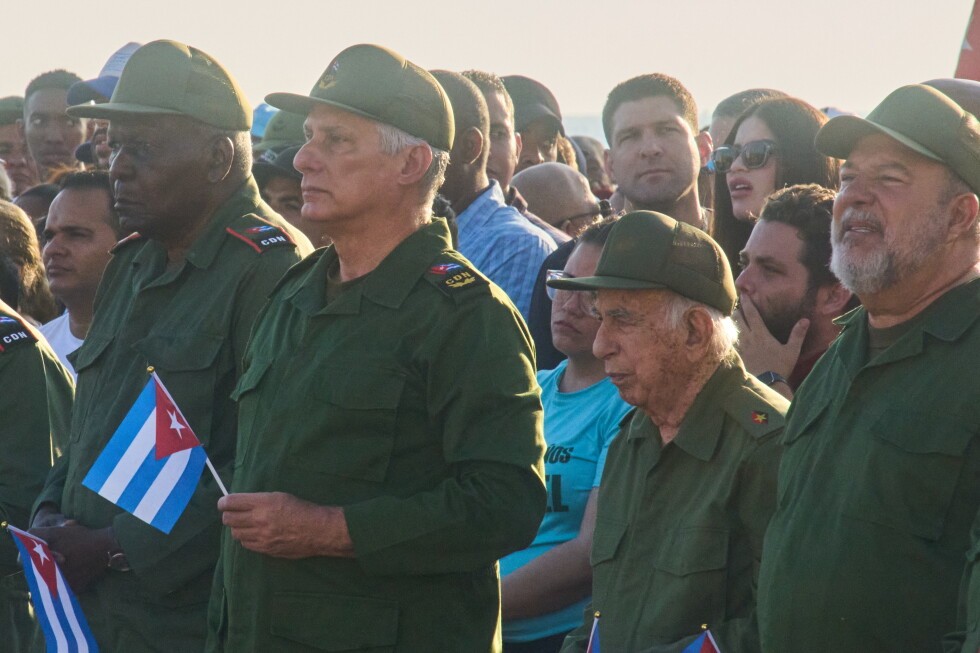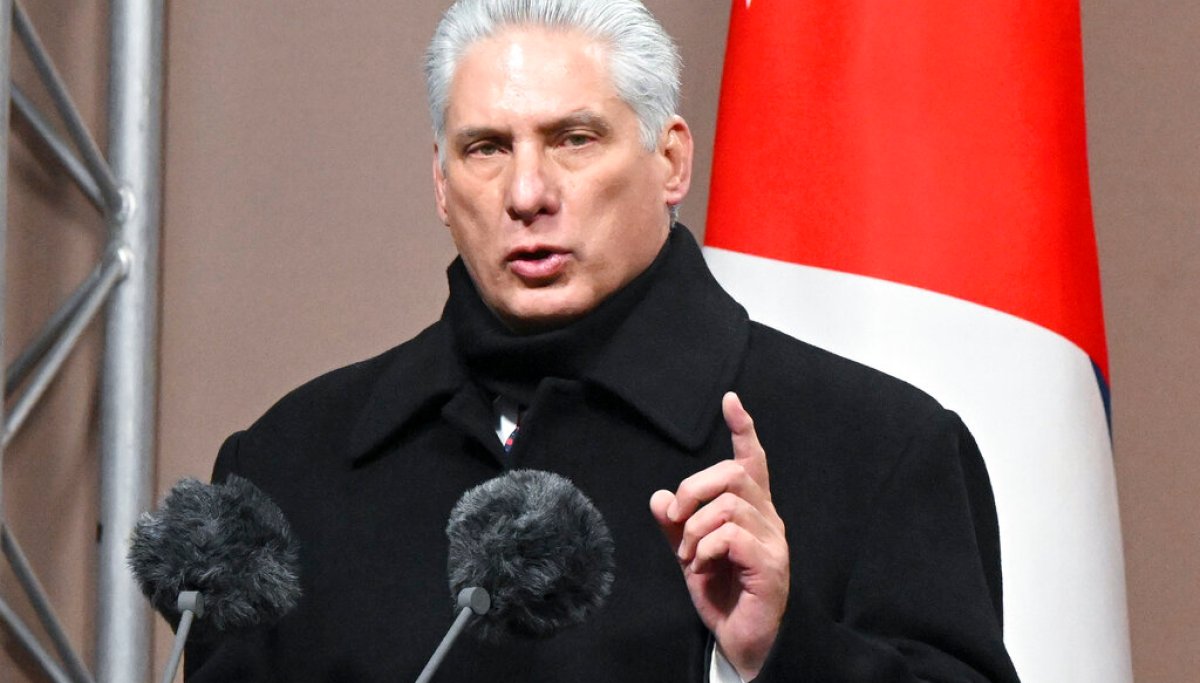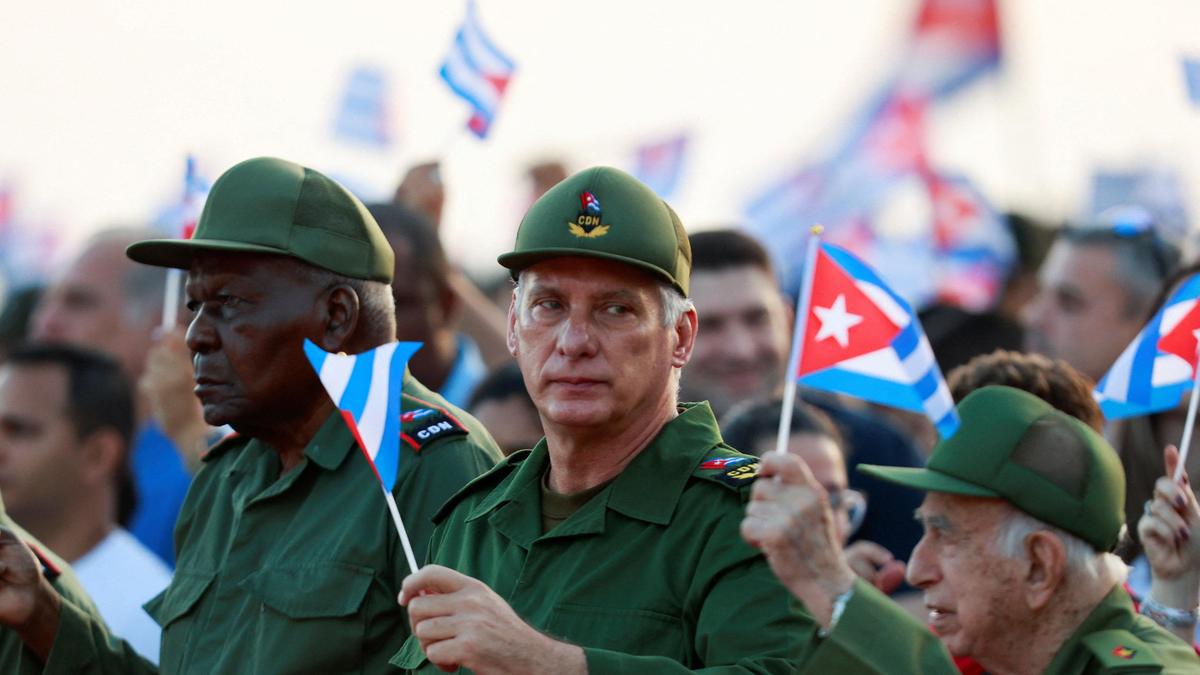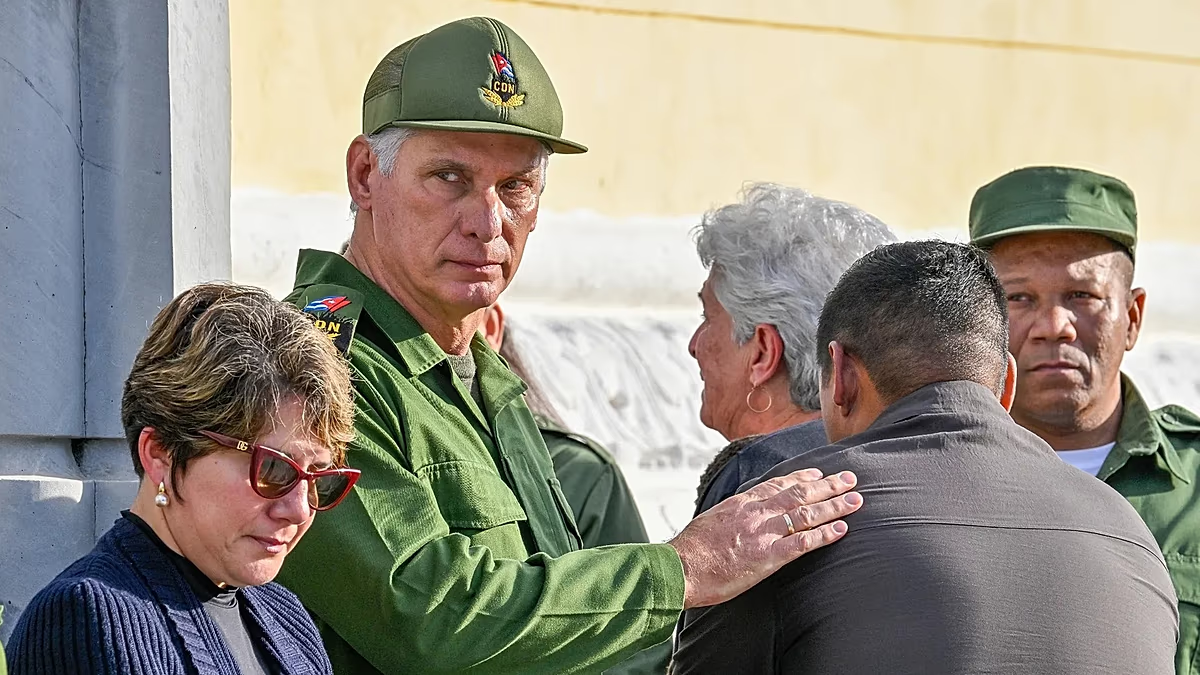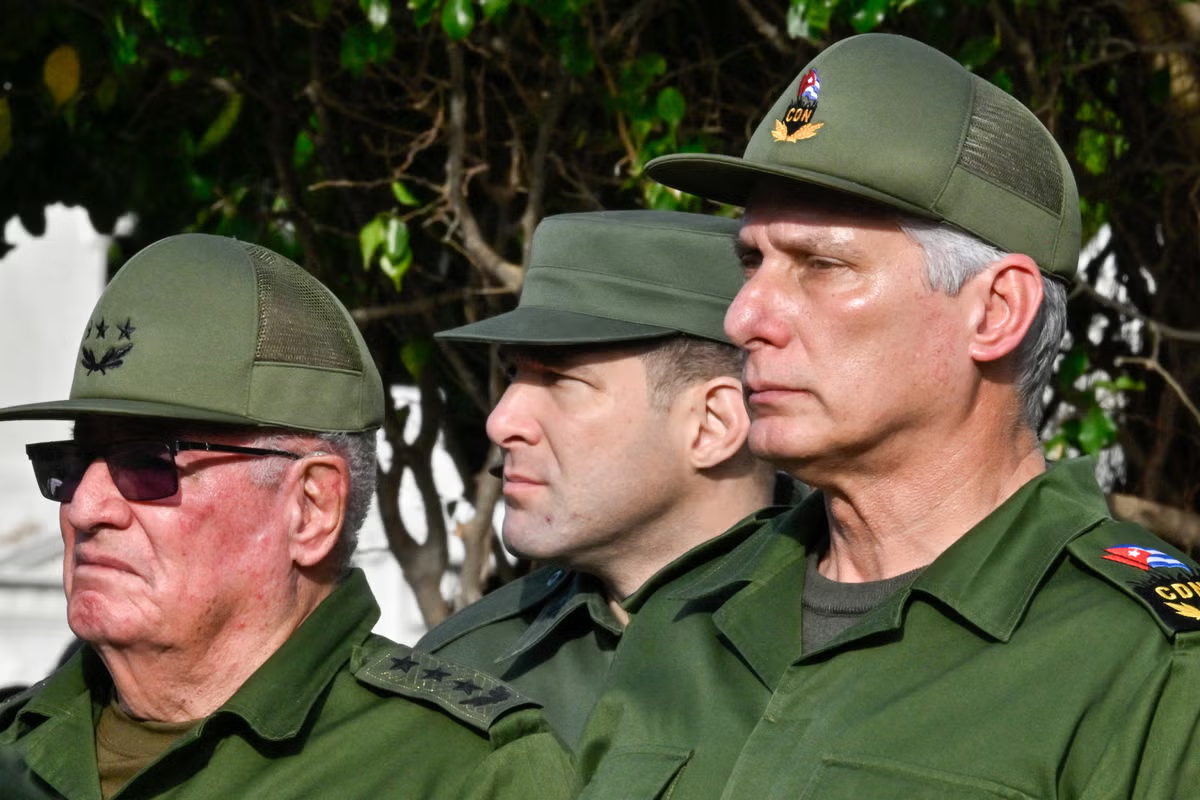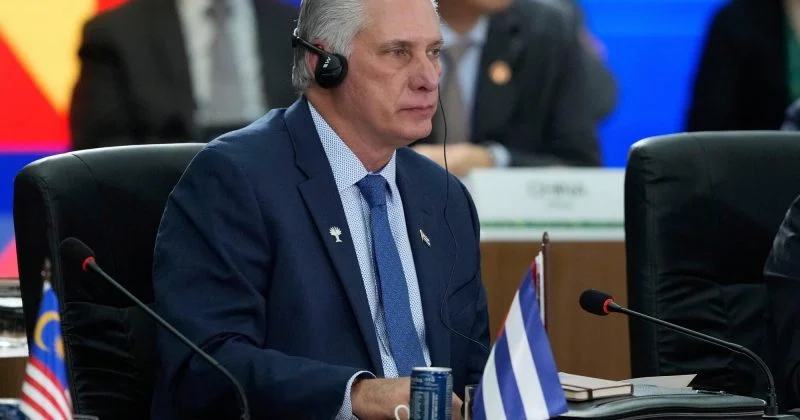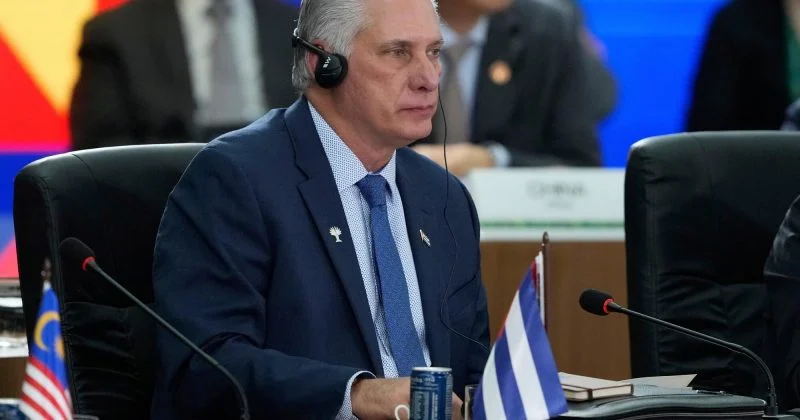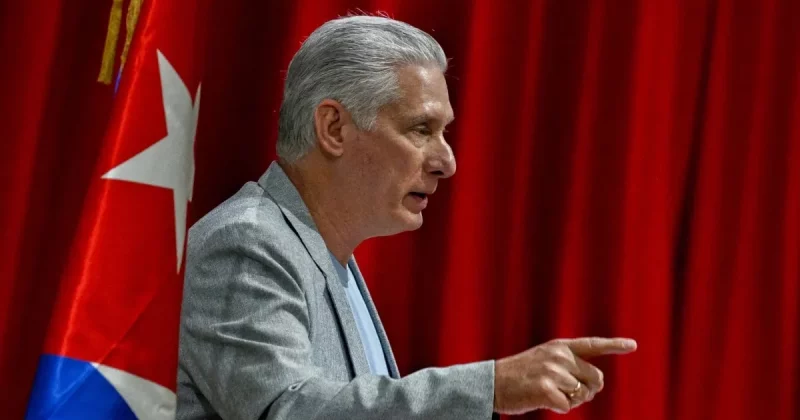
The US Treasury Department dropped sanctions on Cuban President Miguel Diaz-Canel, his wife Lis Cuesta Peraza, and a roster of senior officials on June 5, freezing their assets and barring any transactions with US persons. President Trump said the US wants Cuba to be a “well-run country,” which is a polite way of saying Washington thinks it currently isn’t.
But here’s the thing. Buried in what didn’t make the sanctions list is something crypto investors should pay attention to: there is no mention of digital assets, blockchain technology, or cryptocurrency anywhere in the filing. In a country where over 100,000 people had already adopted Bitcoin by mid-2022, that omission reads less like an oversight and more like a policy gap big enough to drive a blockchain through.
What the sanctions actually do
The OFAC filing targets Cuba’s highest levels of political power and the economic machinery that keeps them there. The centerpiece is GAESA, or Grupo de Administracion Empresarial S.A., a military-run conglomerate estimated to control between 40% and 70% of Cuba’s entire economy. That’s not a typo. A single entity tied to the armed forces runs somewhere between two-fifths and seven-tenths of the island’s economic output.