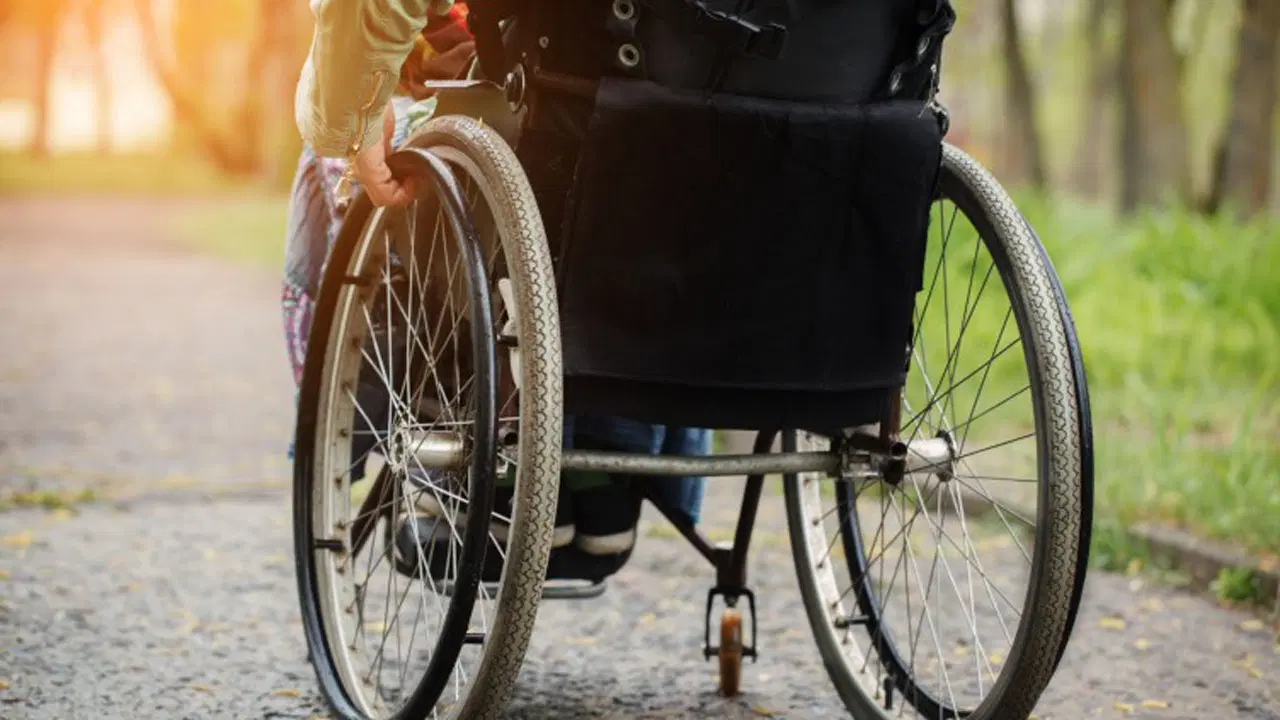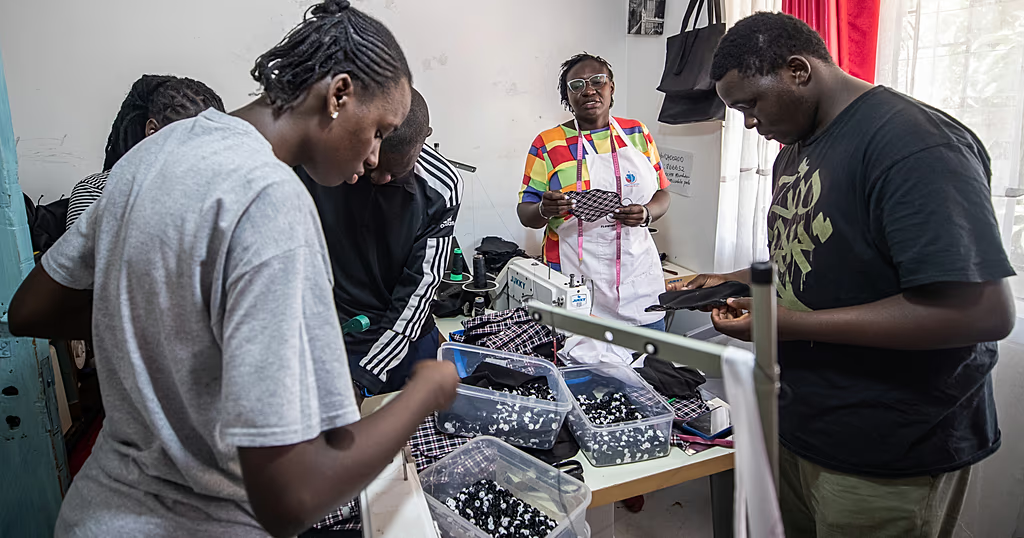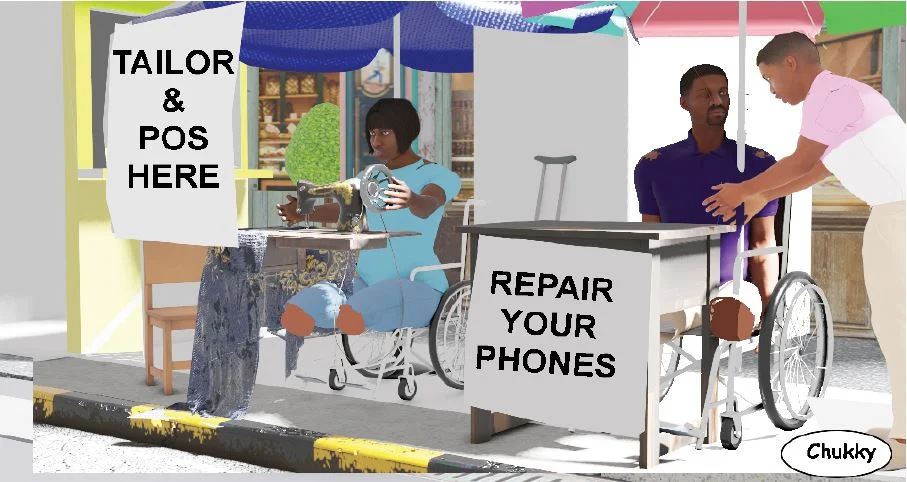
Daily, physically challenged persons are quietly redefining survival through shoemaking, tailoring and other vocational skills to escape a life often associated with begging and dependency. However, behind these stories of resilience lies a harsher reality of rising production costs, weak social protection and limited access to decent work, raising urgent questions about whether skill acquisition alone is enough to break the vicious cycle of poverty and exclusion, writes AYOOLA OLASUPO
For years, Ahmed Adebayo grappled with a reality familiar to many physically challenged persons in Nigeria: poverty, dependence and the ever-present lure of street begging.
Born with a hunchback and severely deformed limbs, the Kwara State indigene faced daunting odds from an early age.
With little support to cater to his welfare and limited opportunities available to him, survival was often a daily struggle. Yet, instead of joining the growing number of physically challenged persons who resort to begging on the streets, Adebayo chose a different course.
In his modest roadside workshop in Ogun State, the rhythmic sound of hammers striking leather echoes daily, replacing despair with purpose.