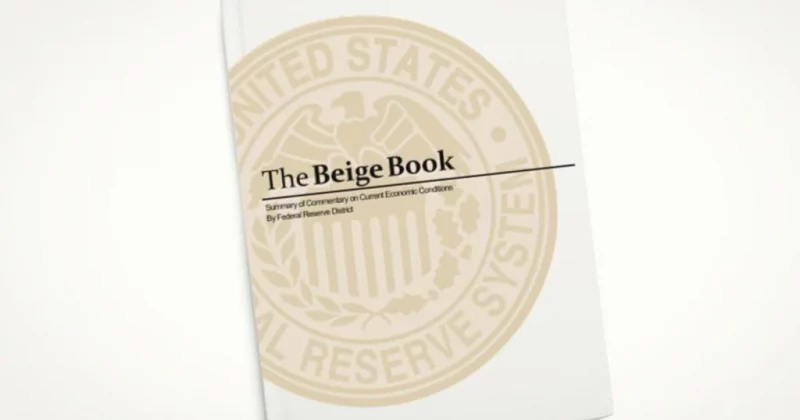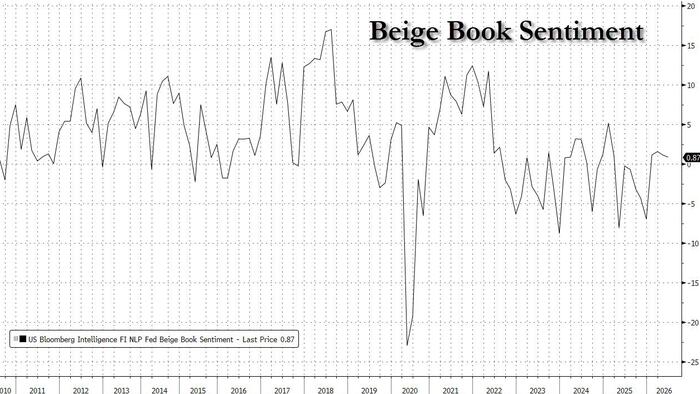
The Beige Book, a monthly report on consumer spending, labor markets, and inflation from the Federal Reserve's 12 districts across the country, offers an up-to-date look on how the US economy is impacting households across the US—and this week, the report for May showed a continuation of the trend that accelerated after President Donald Trump joined Israel in attacking Iran more than three months ago."This month’s report, the third since the escalation of the conflict in the Middle East, reveals that soaring input costs are triggering price hikes for consumers," said the progressive think tank Groundwork Collaborative.The report notes that regional contacts at the Federal Reserve's districts described middle-income households as "squeezing more life out of every dollar before deciding to spend it,” while low-income families and individuals "showed greater financial strain.""Overall, there were reports of increased credit card usage, fewer retail visits, and stronger demand for necessities," reads the Beige Book."Higher-income households remained resilient and less sensitive to price increase," the Federal Reserve reported, indicating a "K-shaped economy"—in which wealthy Americans are represented by the top angled line and middle- and lower-income households are represented by the line angled toward the lower right.The report comes as peace talks with Iran are stalled and the Strait of Hormuz—a key waterway for trade, particularly for the world's oil supply, remains effectively closed following the US-Israeli invasion. Iran's retaliatory move has sent global oil prices soaring, with gas now costing $4.22 per gallon on average."High prices for essentials like groceries and a tank of gas are busting household budgets and eliminating breathing room for middle- and low-income families.""Numerous contacts mentioned the conflict in the Middle East as a source of cost pressures and heightened business uncertainty," reads the Beige Book. "Higher energy and fertilizer prices contributed to a moderate increase in food prices, especially for fresh produce."Manufacturers and retailers are also facing increased shipping costs, while auto repair rates and used-car financing rates "remained very high" in parts of the country.The report was released days after the administration launched new strikes against Iran last weekend, and as Iran announced it was suspending peace talks with the US over Israel's continued targeting of Lebanon.Alex Jacquez, Groundwork's chief of policy and advocacy, said that "Trump is choosing to keep prices high for working families.""High prices for essentials like groceries and a tank of gas are busting household budgets and eliminating breathing room for middle- and low-income families," said Jacquez. "Despite his own party’s opposition, the president is forging ahead with his reckless, costly war—and leaving working Americans in the dust.”The Beige Book also describes a "low-hire, low-fire" job market, "with workers increasingly reluctant to change jobs because of economic uncertainty.""Widespread economic uncertainty from continued tariffs and persistent inflation means businesses are delaying expansion, leading cautious employees to remain in their current roles—even if it means staying in worse-paying jobs," said Groundwork.The Federal Reserve pointed to a contact in the construction industry in Cleveland, Ohio who said employees are "nervous and stressed, as well as a human resources firm in Richmond, Virginia that reported "that clients have explicitly slowed hiring for new roles due to uncertainty, while their existing employees seemed reluctant to leave 'something stable' for new opportunities."Jacquez said that based on the report, "Americans lucky enough to be employed full-time are losing faith in their ability to keep up with inflation as paychecks lag and the labor market stalls out."
Fed's May Beige Book Shows Working Families Falling Behind As Trump Is 'Choosing to Keep Prices High' | Common Dreams
The Beige Book reveals a grim reality for American households as soaring prices and economic uncertainty grip the nation. With escalating conflict in the Middle East and stagnant wages, how will working families cope with the financial strain? Will the government prioritize the well-being of its citizens over costly wars? #EconomicCrisis #MiddleEastConflict #WorkingFamilies
567 words~3 min read