READ MORE: Eight lucrative entry-level jobs you can walk into and earn up to $132,000: With NO experience or degree required... here's exactly what to doSee more Daily Mail on Google - save us as a Preferred SourceBy ASSOCIATED PRESS and BENJAMIN CURRY, US DEPUTY CONSUMER EDITOR Updated: 22:10 BST, 5 June 2026
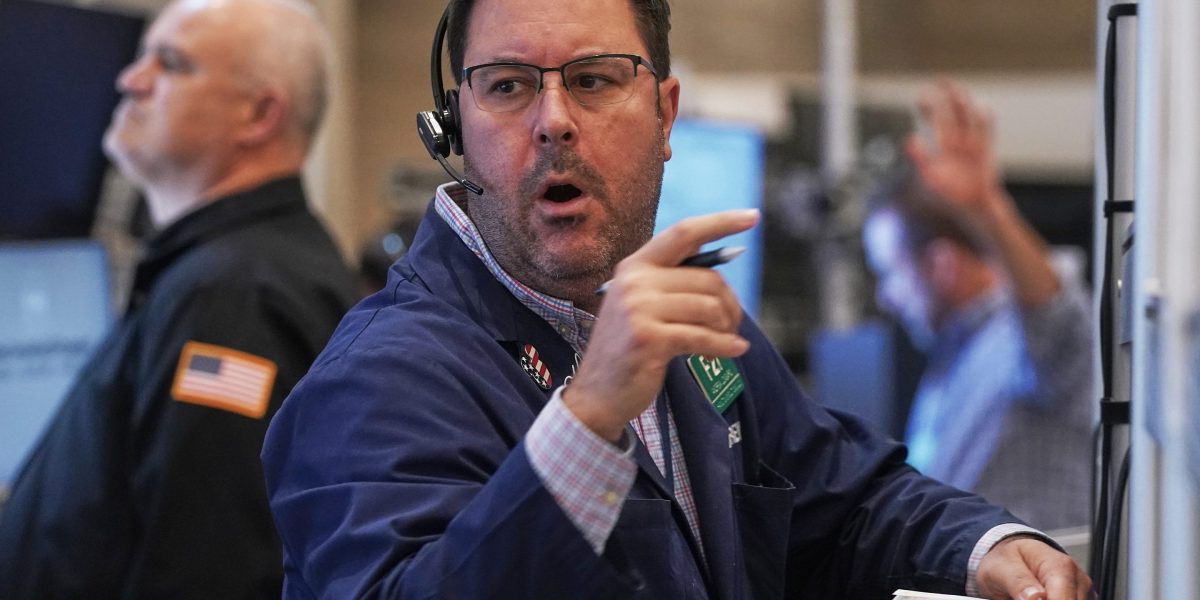
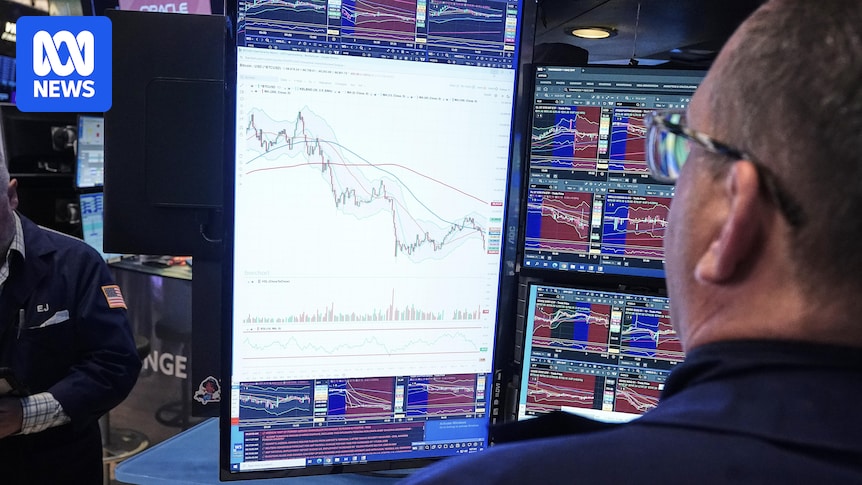
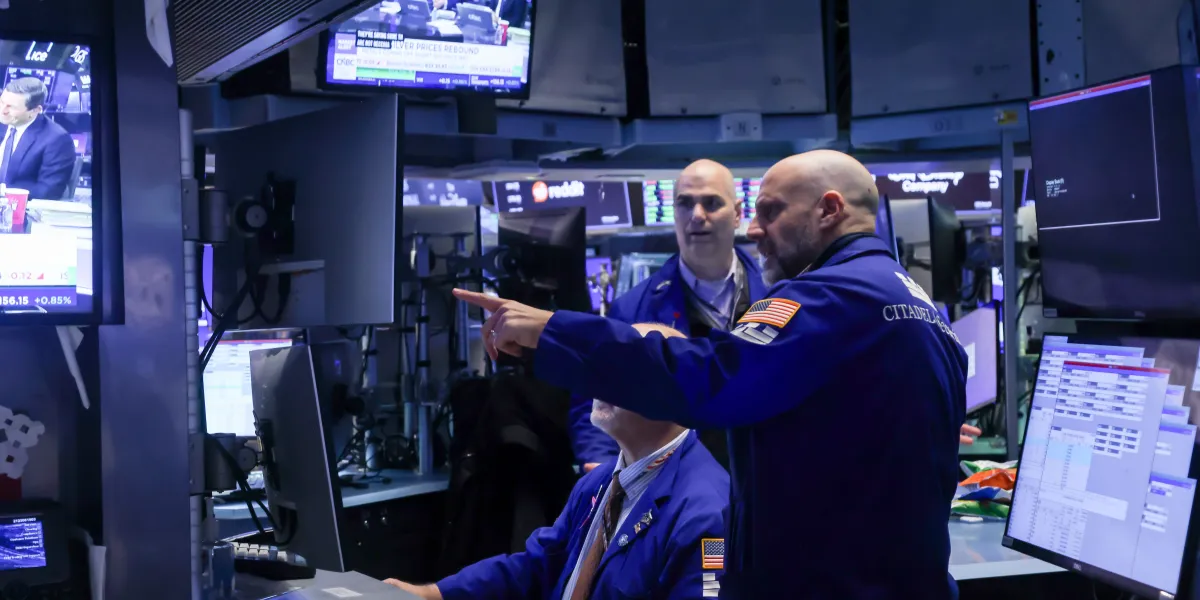
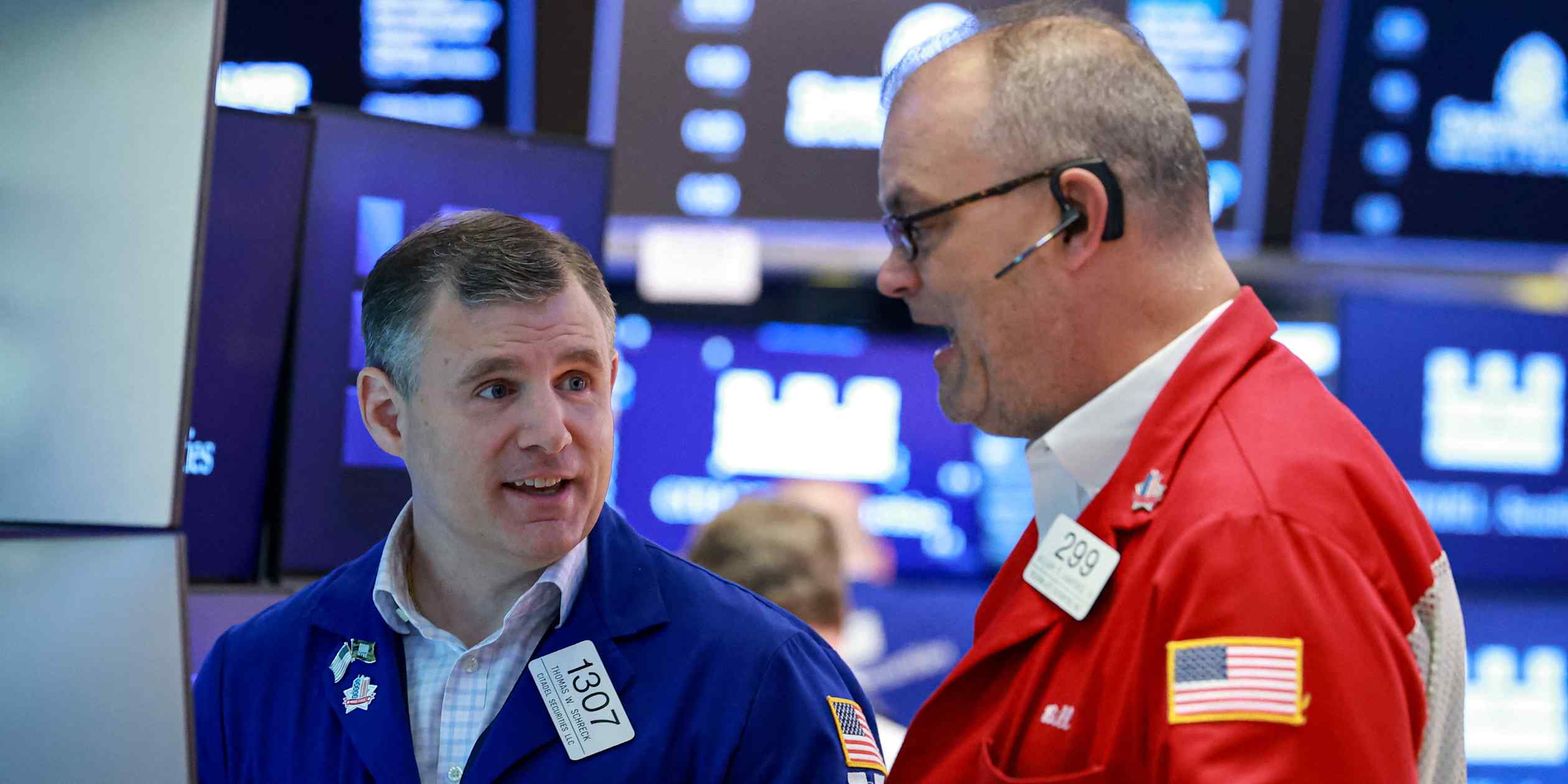
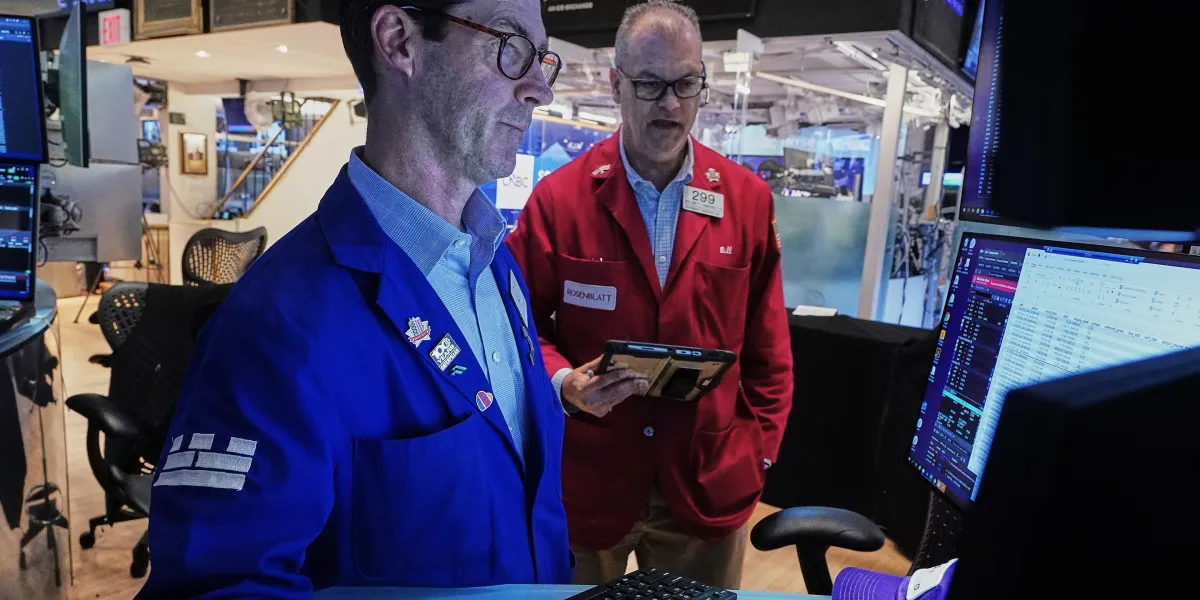
Stock markets crashed on Friday afternoon as big technology companies melted down after a strong jobs report raised expectations that the Federal Reserve will be forced to hike interest rates sooner rather than later.The benchmark S&P 500 sank 2.6 percent, its biggest one-day decline since the early days of the Iran war in March, and closed out its first losing week in the last ten. But it was the Nasdaq Composite that really stank, plummeting 4.7 percent, its worst decline in nearly four years. The Dow Jones Industrial Average closed down 1.3 percent.Tech stocks dragged the market lower as companies that had powered record highs over recent months saw sharp losses: Nvidia fell 5.5 percent, Broadcom dropped almost 7 percent and Micron Technology slid more than 11 percent. Stocks within the S&P 500 were close to evenly split between gainers and losers, but many of the bigger tech stocks have pricey valuations that tend to have an outsized influence on the broader market. The Fed has been holding interest rates steady as it tries to gauge the ongoing impact of rising inflation, but investors were still clinging to hope for a rate cut - at least until today. 'Any hopes of a Fed rate cut have effectively been eliminated with this morning's strong jobs report,' wrote Lazard chief market strategist Ronald Temple in a research note. In a sign of the panic on Wall Street, the so-called fear gauge soared by more than 34 percent to 21 in late-day trading, the biggest one-day gain in two years.A trio of traders work on the floor of the New York Stock Exchange on Wednesday The Nasdaq Composite fell 4.4 percent, its worst decline in nearly four yearsThe price of Brent crude fell 2.2 percent to $92.97 - it was about $70 per barrel before the Iran war. The surge in oil prices prompted a jump in gasoline prices, which has in turn fueled a broader rise in inflation as prices for anything being shipped move higher and threaten to slow economic growth.A measure of inflation preferred by the Fed showed that prices rose 3.8 percent overall in April, the biggest increase in two years.Wall Street has been anticipating that negotiations to end the war will eventually be successful. American and Iranian negotiators reached a tentative deal last week to extend their ceasefire, but the agreement has not been finalized.The latest round of corporate earnings is coming to a close. Lululemon slumped 7.9% after trimming its revenue and profit forecasts.Most reports from companies have been surprisingly good and helped Wall Street on its record run. Encouraging profits and forecasts helped overshadow lingering worries about the economy's direction amid tariffs and high energy costs due to the war.With earnings now in the background, analysts have been warning that the tech companies benefiting from interest in artificial intelligence may have become too expensive.