In Focus delivers deeper coverage of the political, cultural, and ideological issues shaping America. Published daily by senior writers and experts, these in-depth pieces go beyond the headlines to give readers the full picture. You can find our full list of In Focus pieces here.Father Luis Olivares had it made. As treasurer of the Claretian order, he was wined and dined by Wall Street titans, flown first class, and housed in five-star hotels. He wore velvet suits, French cuffs, and Gucci shoes. People called him the “Gucci priest.”Then, in 1981, he moved to La Placita Church, Our Lady Queen of Angels, in downtown Los Angeles, just as Salvadoran and Guatemalan refugees fleeing civil wars poured into the city. Olivares asked, “What if that person is Jesus and I turn him away?”
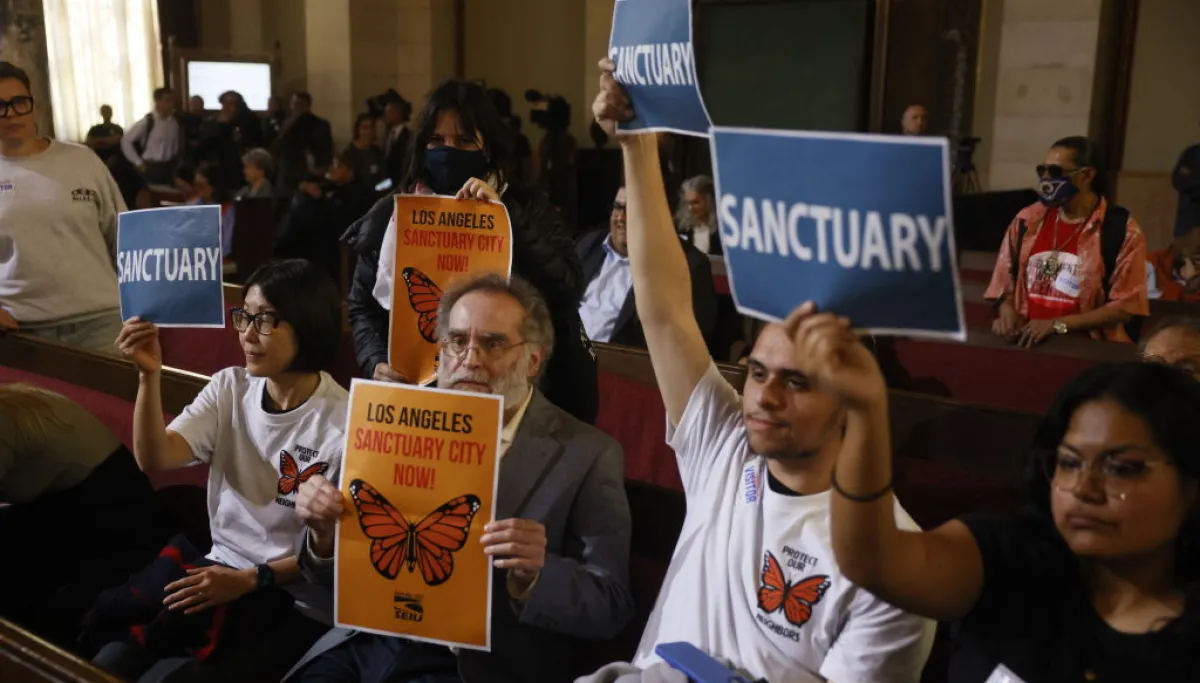
On Dec. 12, 1985, he declared La Placita a sanctuary church. He fed, clothed, and housed refugees, letting hundreds sleep in the pews while arranging medical care, jobs, and schooling. He defied the archdiocese and federal prosecutors, daring officials to raid the church. He believed he had no choice. Diagnosed with AIDS in 1990, he died at La Placita in 1993 at age 59.
But Olivares was not acting alone. He was part of a broader movement that emerged across churches and synagogues, united by the conviction that moral obligations to vulnerable refugees could outweigh legal risks. The Chicago Religious Task Force on Central America framed its work plainly: sheltering the stranger was a Gospel duty that superseded civil law. The government responded with 71 indictments — eight workers were convicted across the nation as the movement grew. They knew prosecution was coming and acted anyway. One could disagree with Olivares’s conclusions but not easily argue that he was calculating. He paid the price.