1. On a summer evening in July 2022, a group of business and investor elites convened at a private villa overlooking Qiandao Lake in Zhejiang province for what was described as shareholder and board meetings of Baolide Holdings Group Co. Ltd., then one of East China’s largest luxury-car dealers. The real focal point, however, was a curated private banquet hosted by Baolide’s founder, Yu Haijun. The carefully arranged event, featuring fine cuisine and imported wine, allowed attendees to assess Yu’s influence and social standing, rather than the company’s financials, amidst growing but not yet public financial pressures for Baolide. [para. 1][para. 2][para. 3][para. 4][para. 5][para. 6]2. The banquet’s timing was significant as it occurred after most major outside investments in Baolide had closed and as financial pressure on the company was escalating, though not yet public knowledge. The pressure largely stemmed from a 2016 investment by Minsheng Life Insurance Co. Ltd., which acquired a 25% stake with the stipulation that Baolide must repurchase the shares at a 12% annualized return if an IPO was not achieved by the end of 2018. The IPO failed to materialize, resulting in a buyback obligation of nearly 1.2 billion yuan ($170 million) by the end of 2023, illustrating the mounting financial strain during the July 2022 gathering, even as outward appearances projected confidence. [para. 7][para. 8][para. 9]3. Prior to the banquet, Baolide had attracted a high-profile roster of investors from China’s tech and business sectors. Between late 2020 and early 2022, Baolide raised over 1.3 billion yuan via stake sales in its companies, following setbacks in its mainland IPO attempts. Key investors included William Ding (NetEase Inc.), who invested nearly 1 billion yuan; Hu Xiaoming (former Alibaba), and Yi Zheng (Hithink RoyalFlush), among others tied to Alibaba’s leadership. These investment decisions were heavily influenced by personal connections, particularly through Lü Zhonglin, founder of LianLian DigiTech, rather than rigorous financial evaluation. Lü introduced Yu to other Zhejiang business luminaries, cementing Yu’s connection with the influential “Alibaba circle.” [para. 10][para. 11][para. 12][para. 13][para. 14][para. 15][para. 16]4. Baolide promoted a narrative of an imminent Hong Kong IPO, transferring core dealership assets to Baolide Network as the would-be listing vehicle and providing investors with optimistic timelines. Audited statements were circulated showing high profitability for Baolide Co.—a net profit of 862 million yuan and net assets of nearly 2.4 billion yuan for 2020—convincing even major investors like Hillhouse, which committed 300 million yuan via a convertible bond in July 2023. However, actual profit and net asset figures were significantly lower, at about 543 million yuan and 1.2 billion yuan, respectively. In hindsight, these inflated figures and the aura of elite backing concealed the company’s underlying troubles. [para. 17][para. 18][para. 19][para. 20]5. After the Qiandao Lake gathering, internal financial trouble deepened. Yu Haijun sought short-term loans and guarantees from his investor network, relying on trust and social capital built during their initial fundraising, with several instances involving bridge loans and guarantees facilitated by Lü and others. As difficulties grew, investors organized an informal rescue group and pressured Yu into an audit, which found troubling evidence of over 3.3 billion yuan drawn by Yu and his wife from Baolide Co. These revelations shifted perceptions from mere operational stress to suspicions of financial malfeasance, including manipulation and potential fraud, creating a rift between Yu and his investors. [para. 21][para. 22][para. 23][para. 24][para. 25][para. 26][para. 27][para. 28]6. Baolide’s crisis became public in September 2024 when unpaid wages and suspended operations set off customer complaints about delayed vehicle deliveries and registrations. Hangzhou authorities initiated an official audit that revealed Baolide had more losses than gains since 2016, entering severe deficits from 2023 onward. By the end of 2024, Baolide’s 64 entities jointly owned 3 billion yuan in assets versus 6 billion yuan in liabilities, leaving the company deeply insolvent. [para. 29][para. 30][para. 31]7. In August 2025, Baolide formally filed for bankruptcy in Hangzhou, with the court mandating consolidated liquidation for the group and more than 50 related entities, given their intertwined finances. Investors reported Yu for contract fraud and misappropriation, but initial police inquiries did not result in charges. Eventually, a criminal investigation was launched following a governmental report on alleged fund misuse, highlighting the depths of the scandal. [para. 32][para. 33][para. 34]AI generated, for reference only
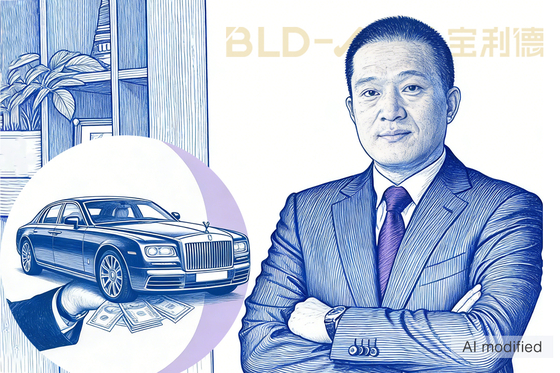
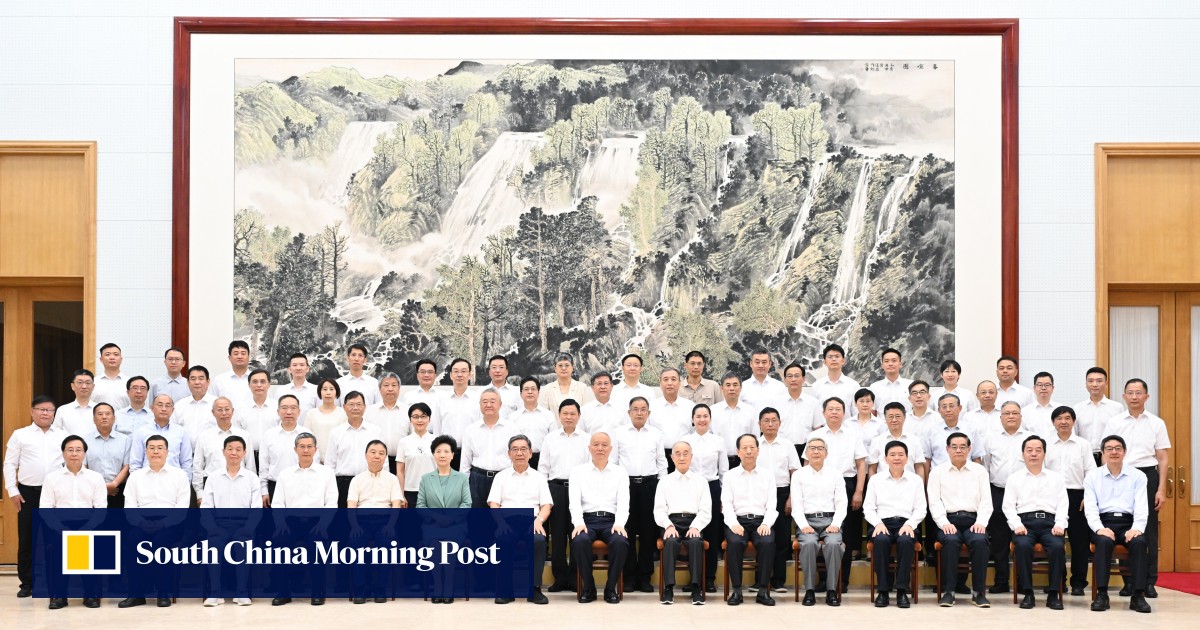
In Depth: How a Lakeside Banquet Reinforced Confidence in Baolide Among China’s Tech Elite
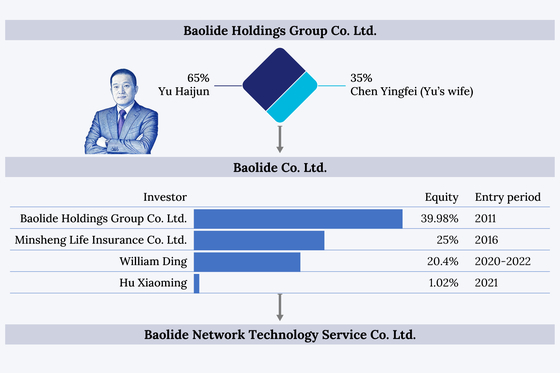
A private banquet at Qiandao Lake helped sustain investor confidence even as financial pressure quietly built
713 words~3 min read