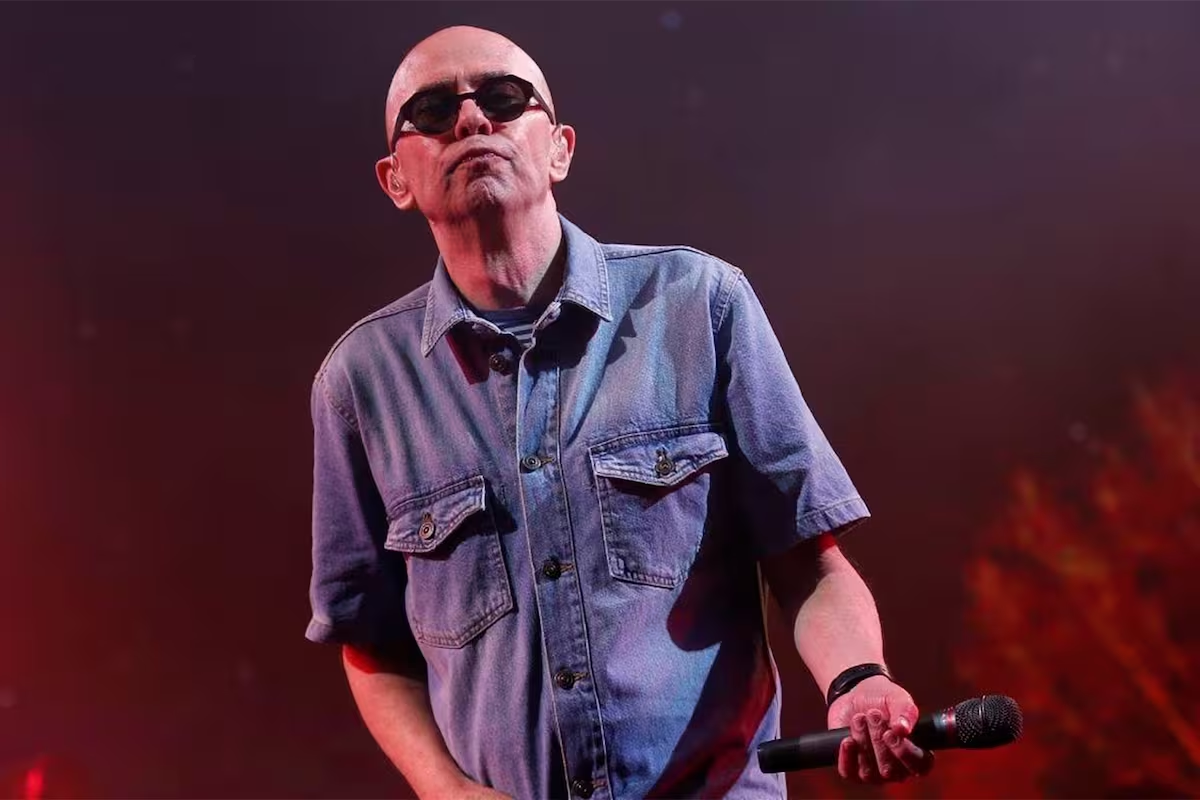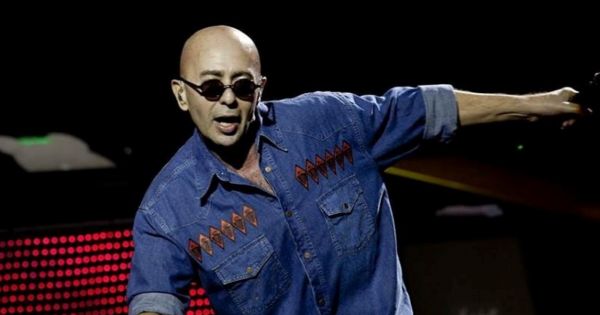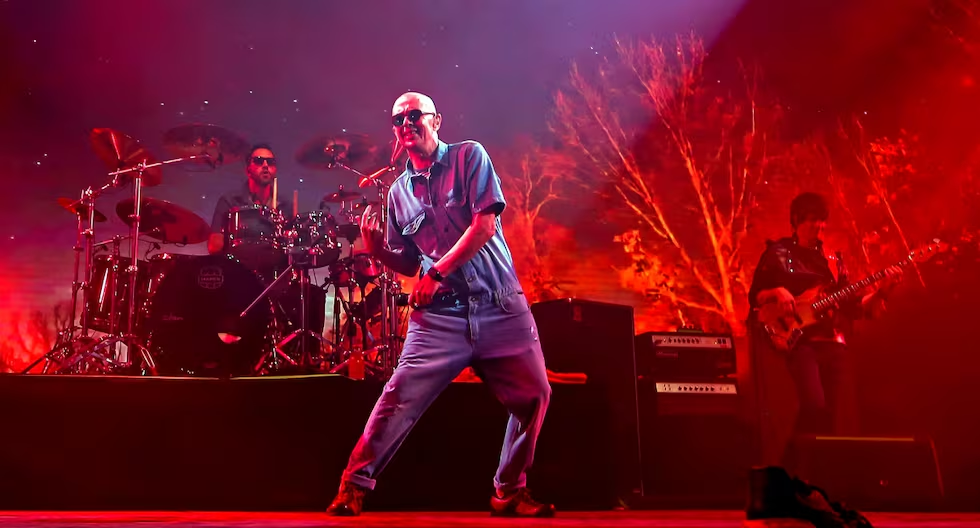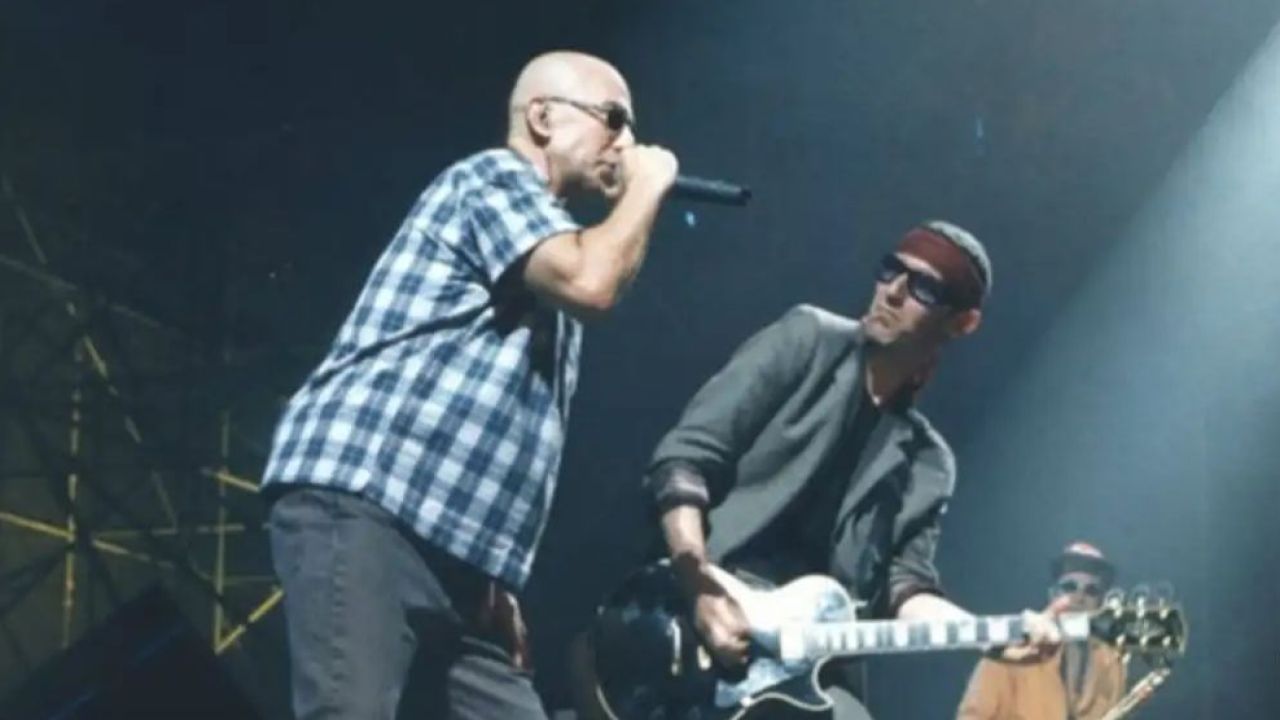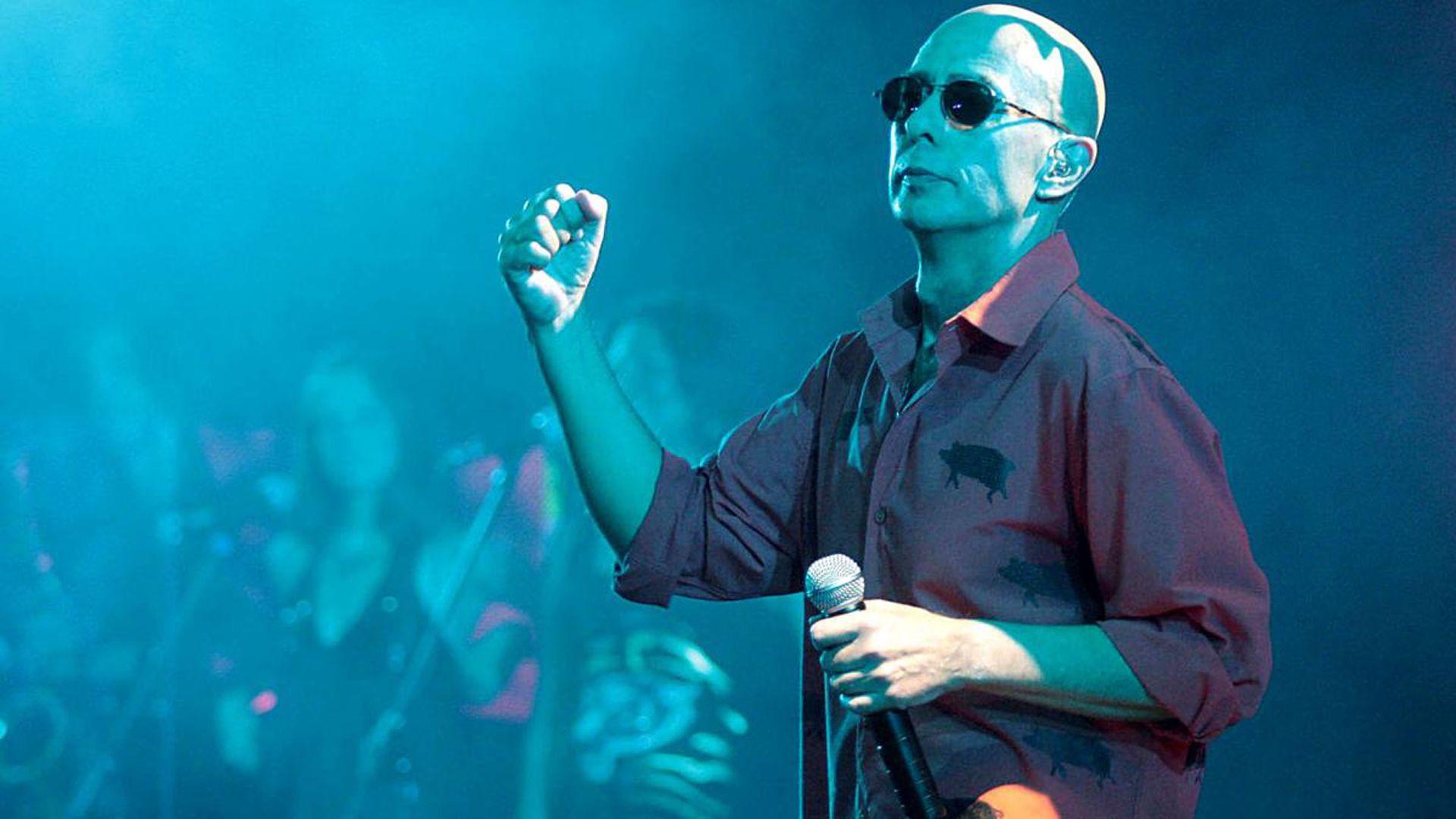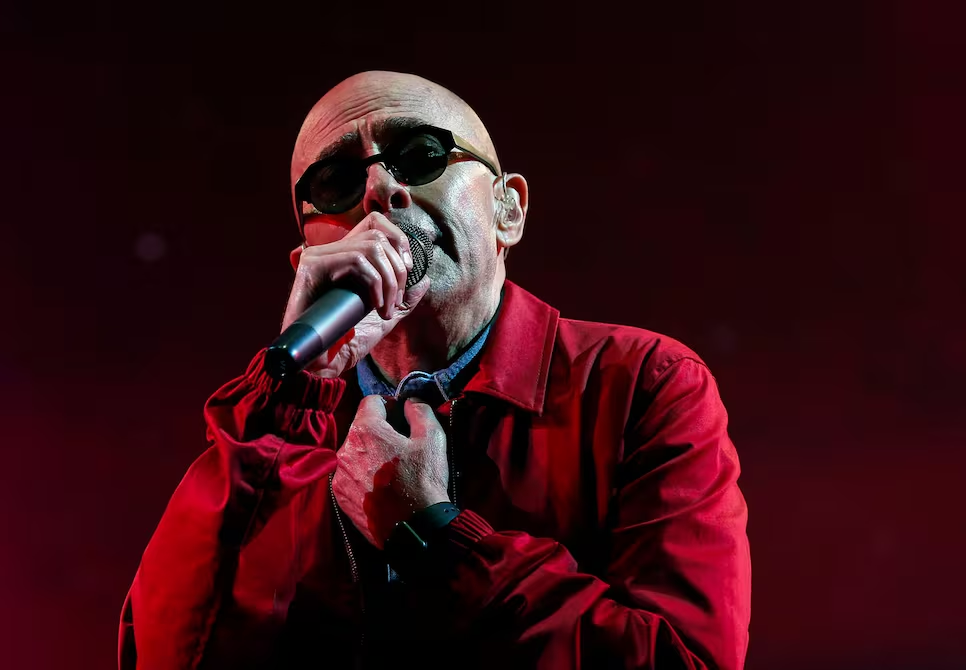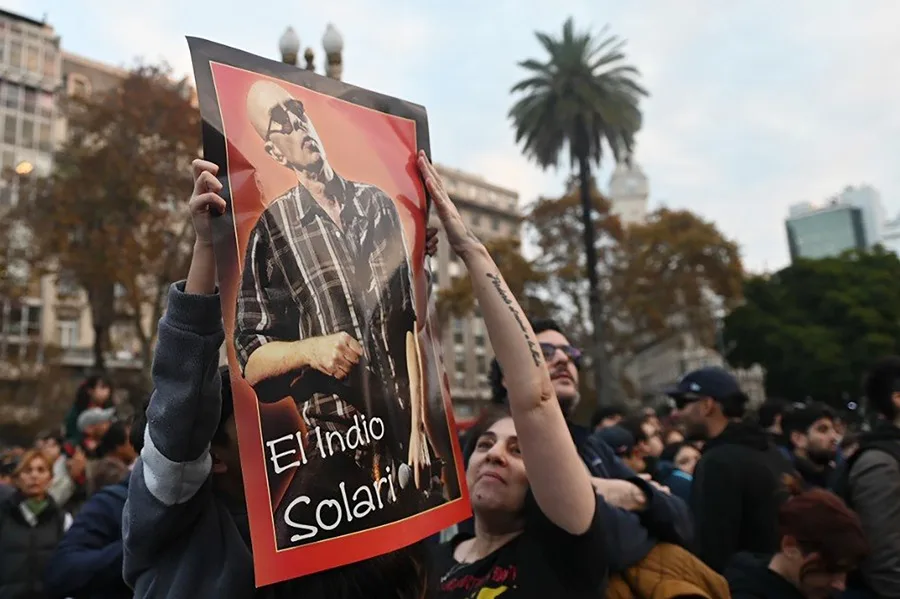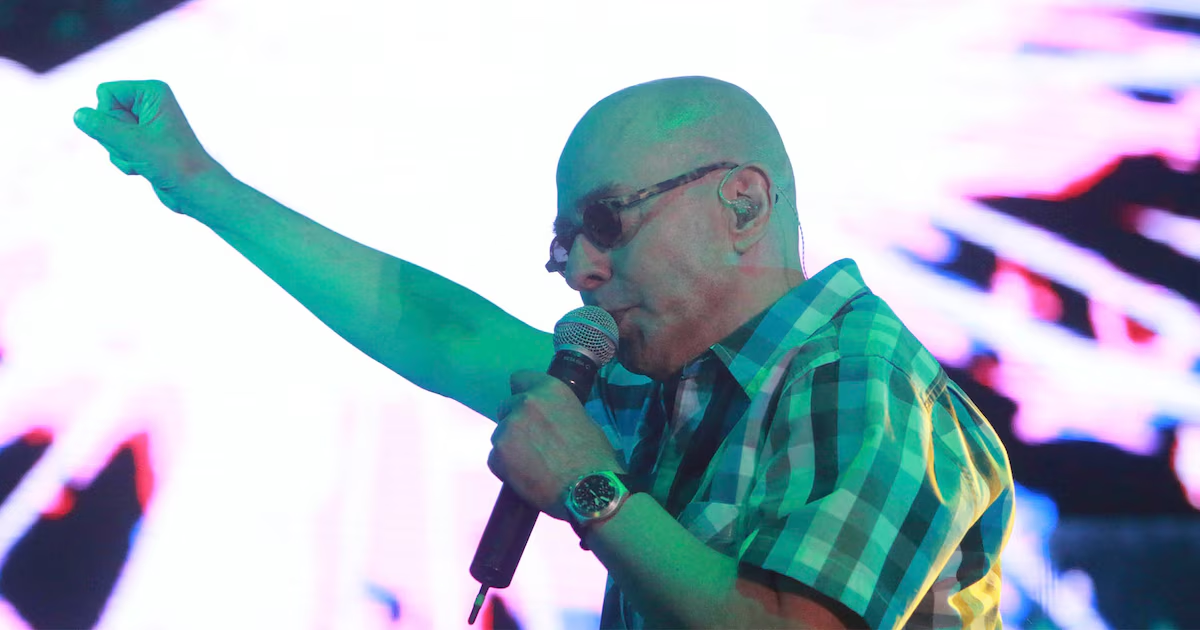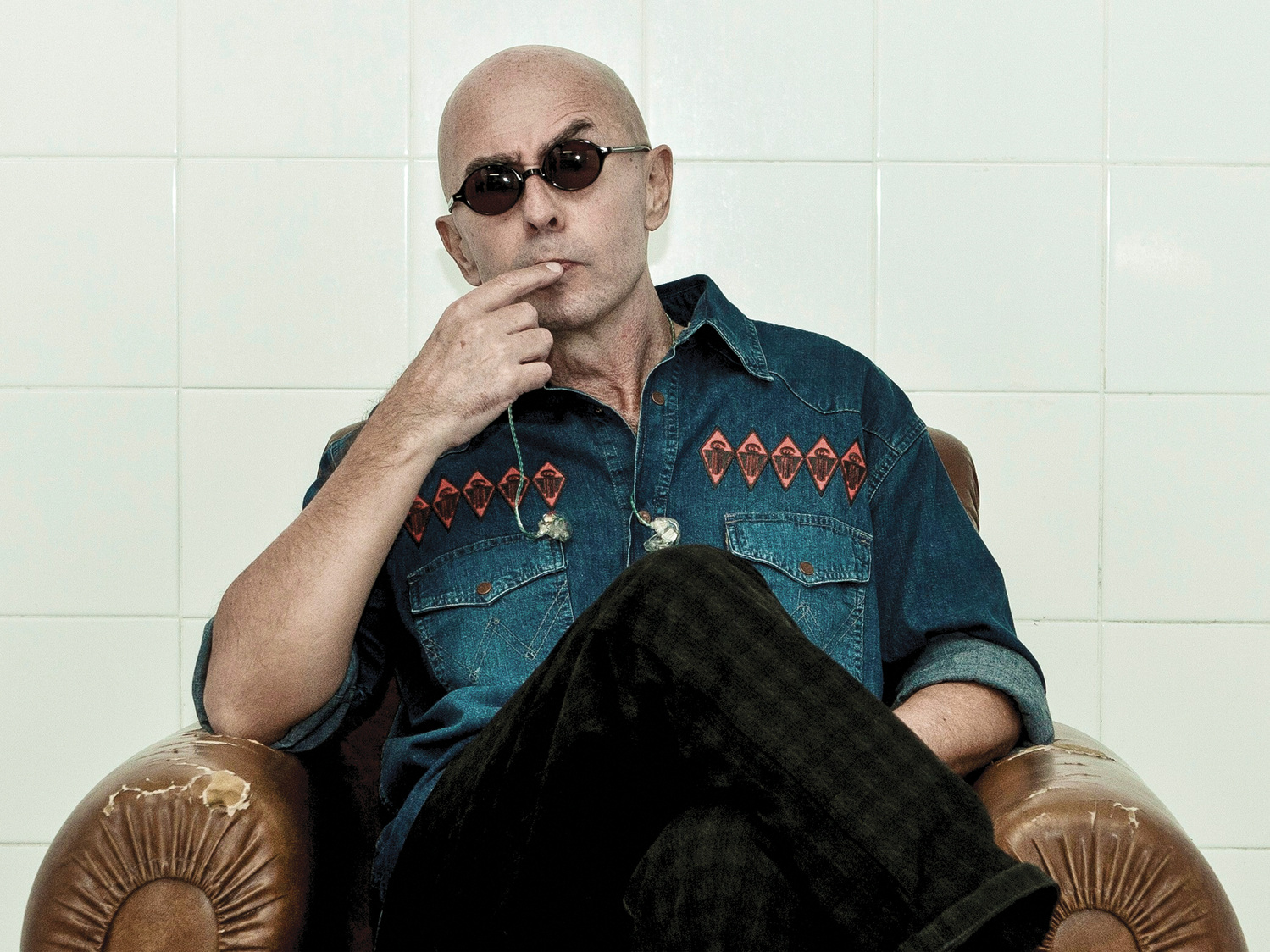
The death of rockstar Carlos Indio Solari sent shockwaves through Argentine society on Friday, with thousands turning to social media to express their deep sorrow. Their fondest memories of the artist, however, were not tied to Solari’s most recent band, Los Fundamentalistas del Aire Acondicionado, but to the band he created almost 50 years ago that shaped a whole generation of Argentines: Patricio Rey y sus Redonditos de Ricota.
Its influence in the Eighties and Nineties extended far beyond music and into the realm of collective identity, a cultural phenomenon that reveals the country’s unique social fabric as good as football, tango and political passion.
Known simply as Los Redondos and Los Redonditos, the group became one of the most popular acts in Argentine history, as difficult to underpin as it is to explain their bizarre name. Their songs filled stadiums, their lyrics inspired endless interpretations, and their followers developed a level of devotion rarely seen in popular music. To understand them is to understand a cultural force that combines the energy of football fandom, the mystique of a secret society, and the emotional power of a generational movement.
At first glance, their story sounds familiar. Formed in the late Seventies in the city of La Plata, Los Redondos gradually rose from cult status in Argentina’s underground scene to become one of the country’s biggest rock acts. But unlike many successful bands, they deliberately avoided traditional paths to fame. They gave relatively few interviews, kept their distance from mainstream media, and cultivated an image of mystery that only increased public fascination. They even pledged independent production and operated outside concert promoters and record companies, organizing shows and recording albums all by themselves.