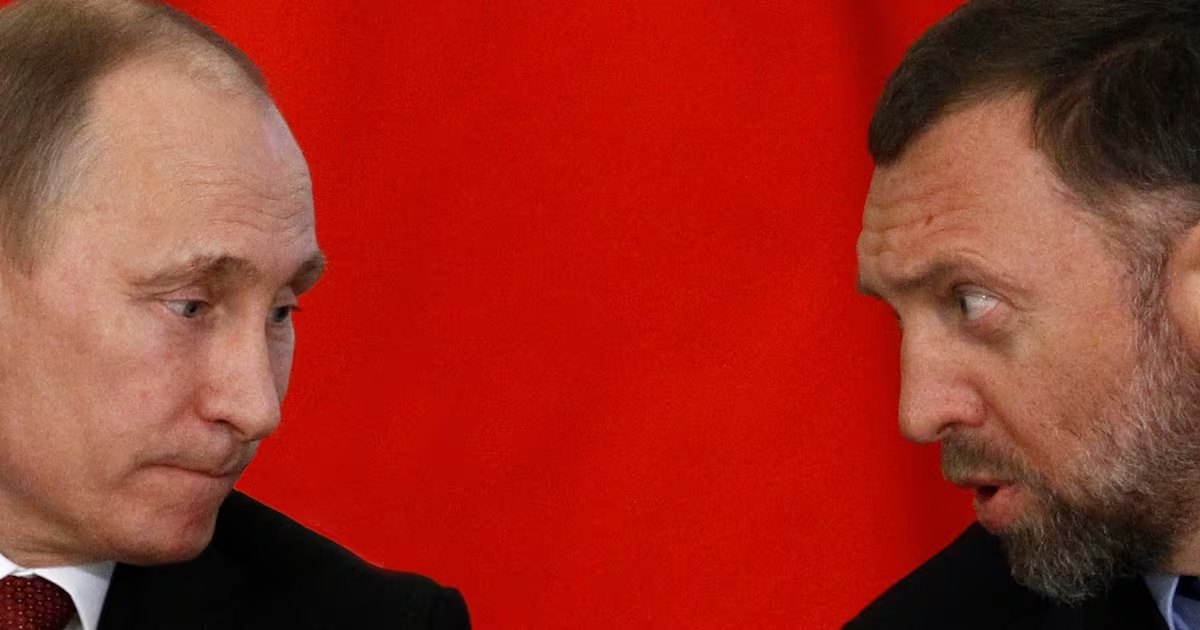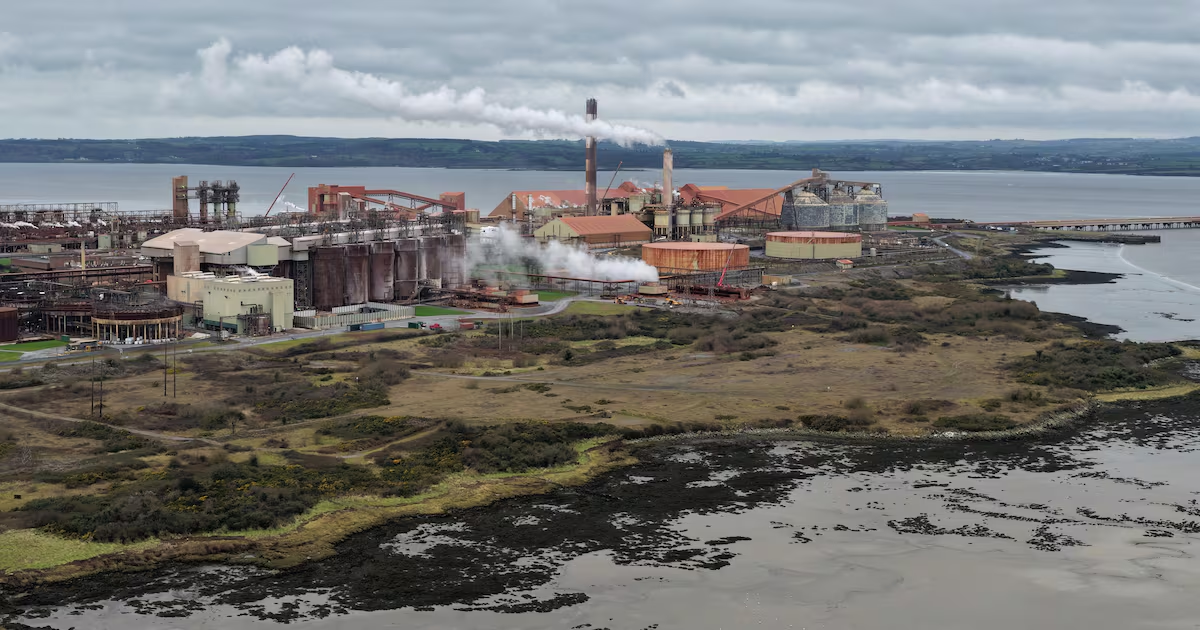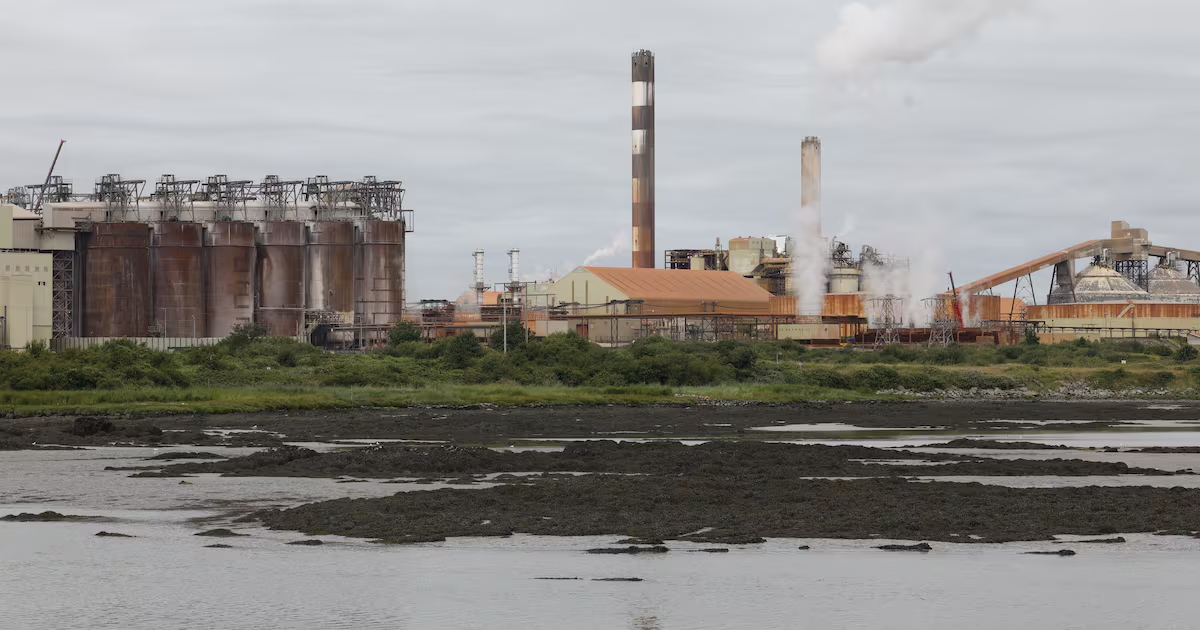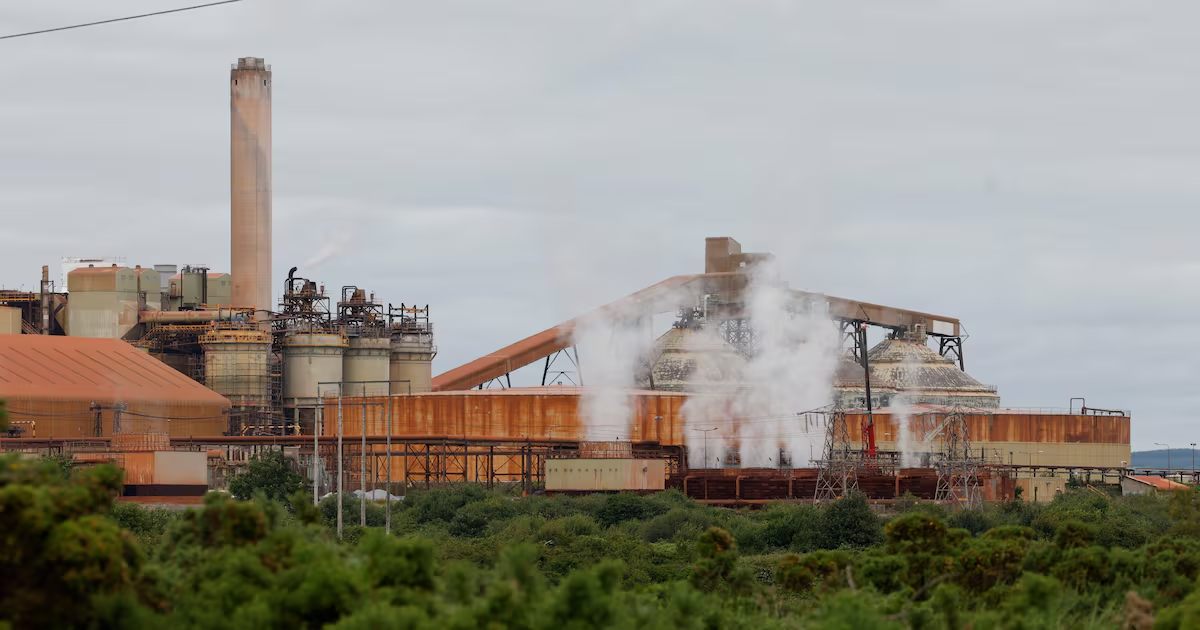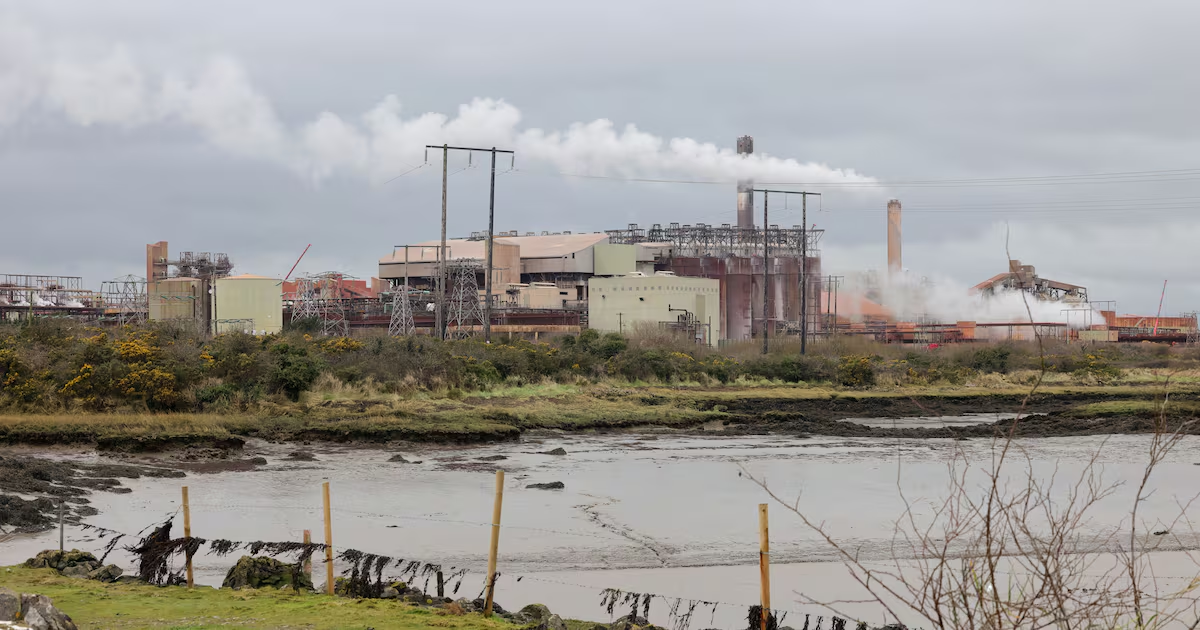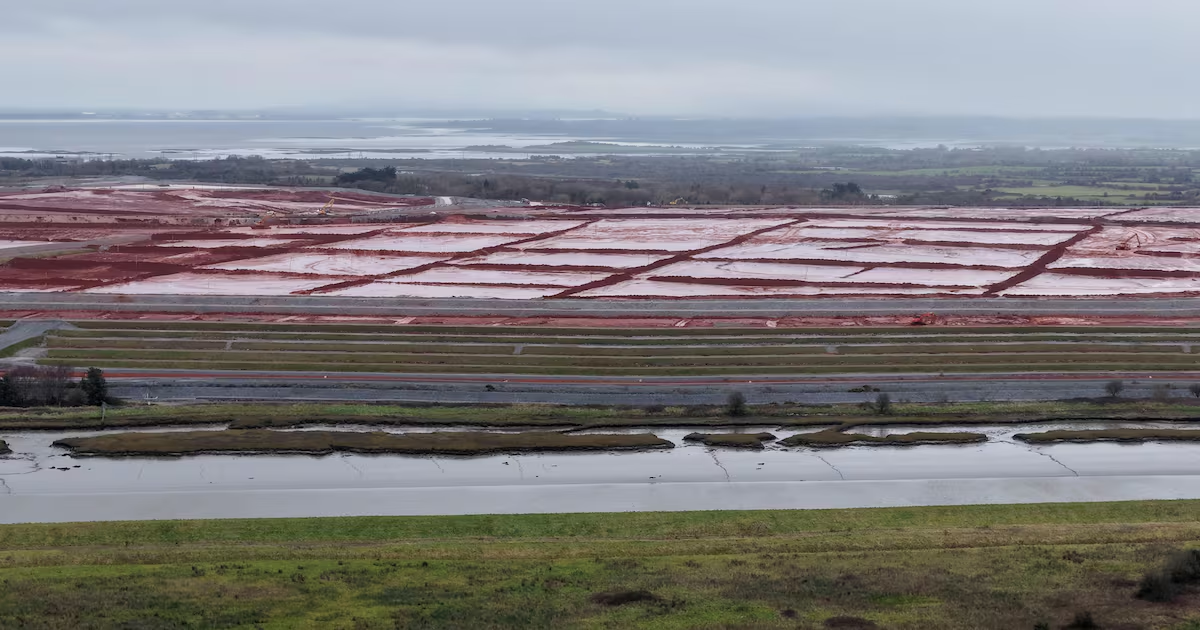
It is now almost three months since this newspaper’s investigation raised serious questions about Aughinish Alumina’s relationship with Russia. The preliminary opinion of Swedish tax investigators, reported this week, that sanctioned oligarch Oleg Deripaska never actually relinquished control of Rusal, and by extension of Aughinish, should concentrate minds in Government. If confirmed, it means the 2019 deal that Ireland lobbied Washington intensively to secure, and on which the legal architecture of Aughinish’s sanctions exemption rests, was built on a foundation that has been hollowed out by a Kremlin decree.Alumina produced on the Shannon estuary travels to Russian smelters, where it becomes aluminium sold to a trading company that supplies dozens of arms manufacturers, including makers of missiles, tanks and aircraft being used to kill Ukrainians. The Government has acknowledged concern while doing everything in its power to avoid acting on it. Its defence has rested on two propositions: that alumina is not an EU-sanctioned product, and that restricting its export would damage European industry more than it would hurt Russia.Both arguments have merit as far as they go. But they do not go far enough. The “self-defeating sanctions” case depends on alumina’s civilian importance to European supply chains. It says rather less about a product of which Russia’s share of Aughinish’s output has grown from 23 per cent in 2020 to over half today, a shift that accelerated in lockstep with Russia’s invasion rather than with any growth in civilian need. And the legal compliance argument, always the weakest form of moral reasoning, is further undermined if the ownership structure underpinning the exemption was itself a fiction.There are other awkward truths. Ministers cited Aughinish’s own unverified export figures to contradict figures they had earlier given to the CSO, while the Government’s own investigation was supposedly still under way. Briefing documents on Aughinish’s export destinations have been withheld from Freedom of Information requests on the grounds they could damage Ireland’s international relations. The Taoiseach said he was unaware of the military supply chain links yet records show a briefing document on that question was prepared for him in 2023, when he was tánaiste and minister for Foreign Affairs.Ireland has provided more than €467 million in aid to Ukraine and rightly describes Russia’s invasion as illegal and unprovoked. Those commitments are undoubtedly genuine. But they are now in deepening tension with a stance on Aughinish that has prioritised the protection of one Russian-owned plant and the jobs it provides over the broader obligations of solidarity that Ireland has otherwise been willing to meet.
The Irish Times view on Aughinish Alumina: questions getting louder
Government commitment to Ukraine now in deepening tension with stance on Aughinish
421 words~2 min read