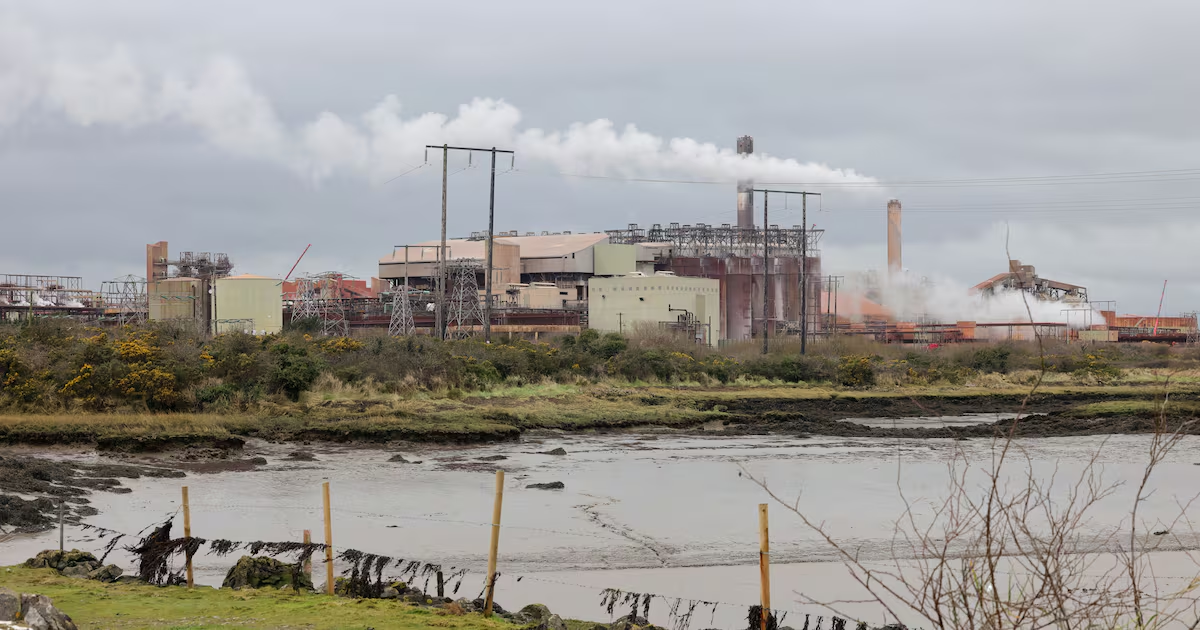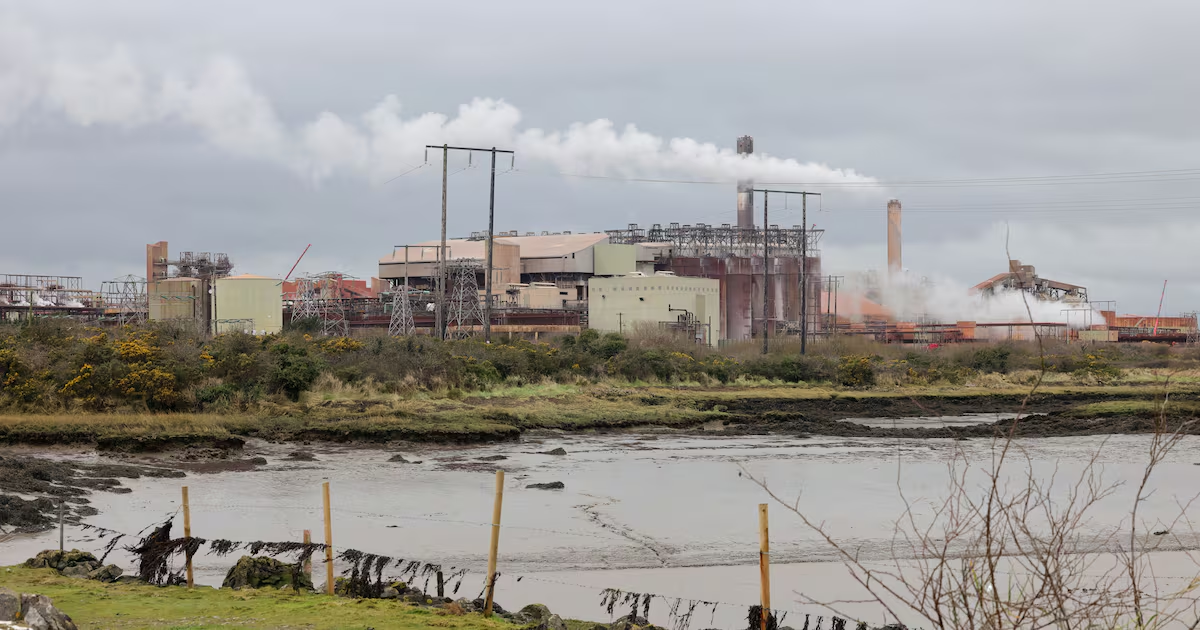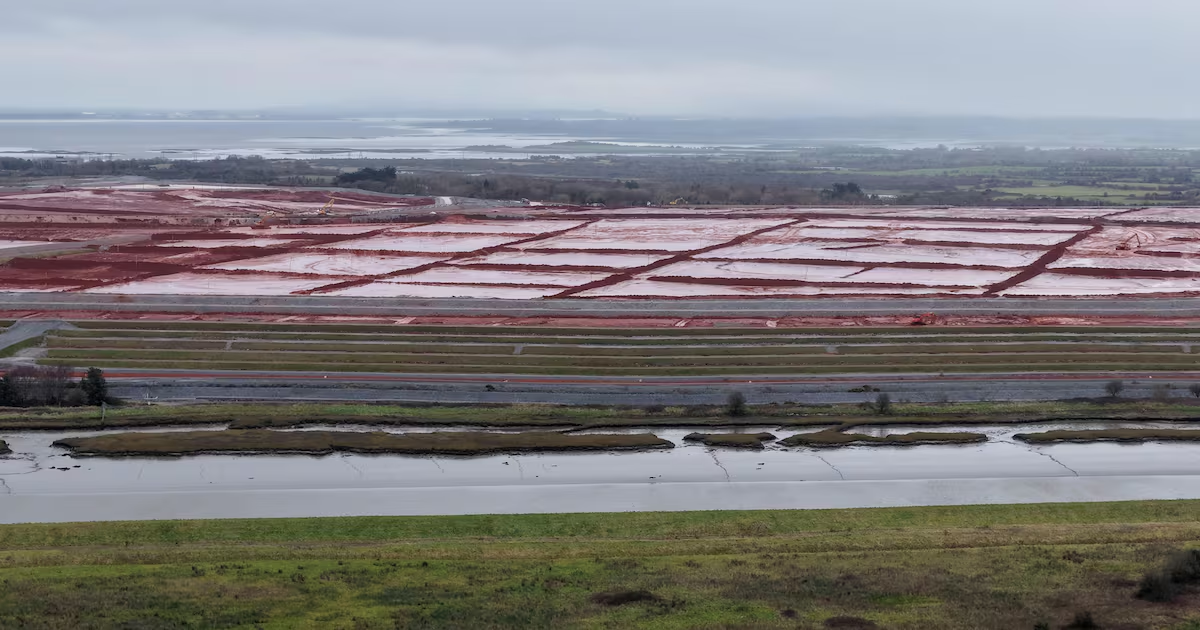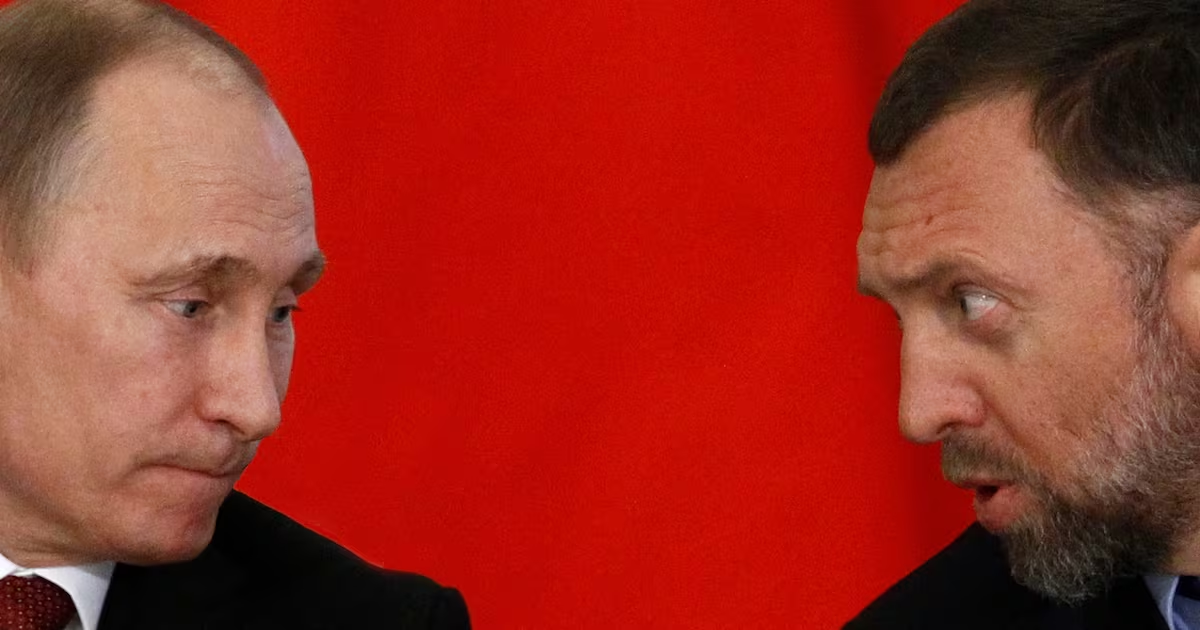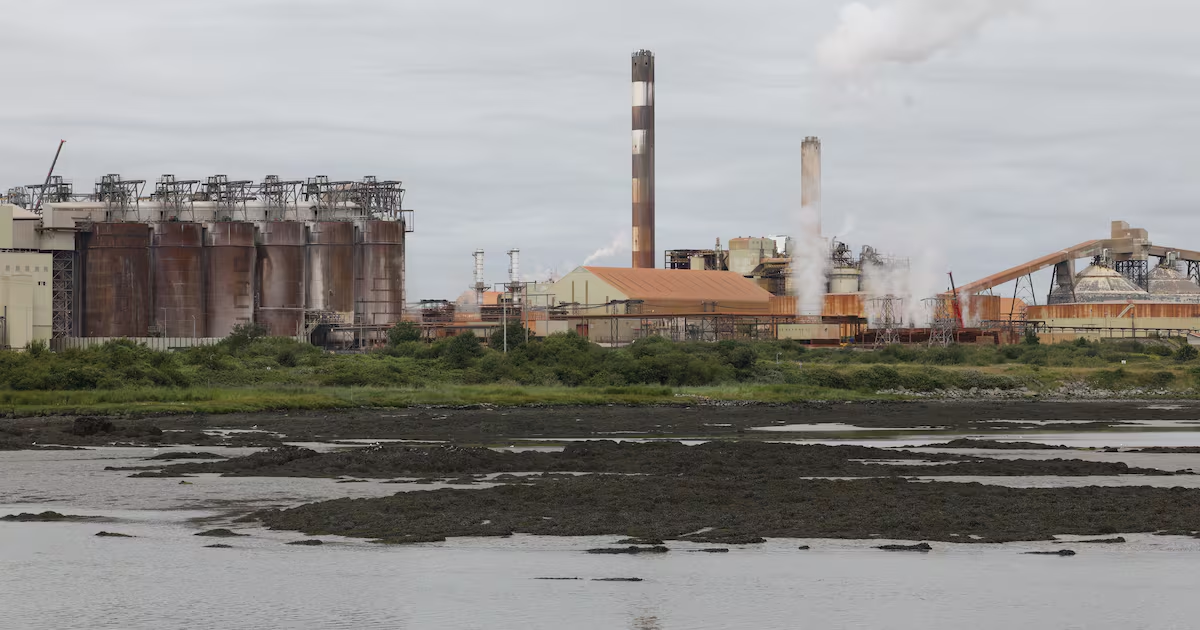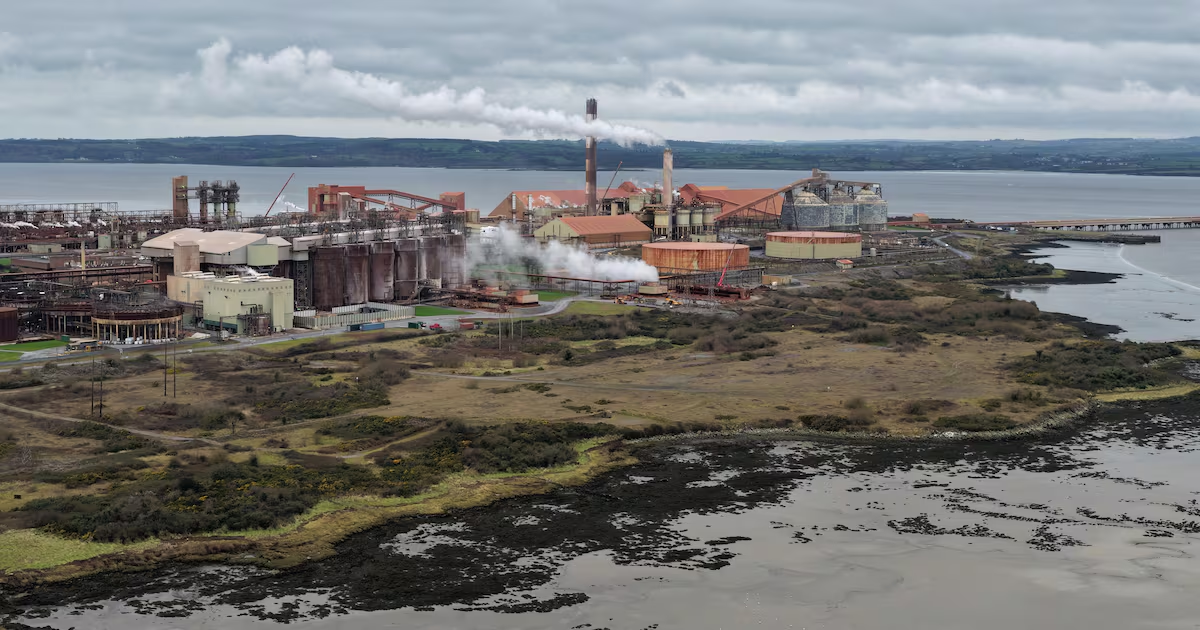
Rusal, the company that owns the Co Limerick industrial plant Aughinish Alumina, continues to be controlled by sanctioned Russian oligarch Oleg Deripaska, according to a confidential report by Swedish tax authorities.The report was completed in late March, at the same time Swedish police launched an investigation into Rusal’s operations in the country and allegations of breaches of international sanctions targeting Russia. Separately, the chief executive of the Kubal aluminium smelter in the Swedish city of Sundsvall was arrested last month by Sweden’s special forces police.[ Ukraine joins those questioning Irish exports of alumina to Russia ]Swedish prosecutor Sara Nilsson said the police investigation concerns “violation of international sanctions”.The investigations are likely to increase pressure on the Irish Government and the EU to take action on the export of large amounts of alumina to Russia, which according to a recent Irish Times investigation, ends up in a supply chain that supplies Russia’s military industry.Aughinish and Kubal are owned entirely by the Russian metals giant Rusal. The majority of Rusal is owned by the energy conglomerate EN+ founded by Deripaska, a Kremlin insider, in 2002.Deripaska, a billionaire who has been described as “Putin’s favourite oligarch”, is under EU sanctions over his role in supporting the invasion of Ukraine through the manufacture of military hardware for Russia.According to Russian media, Deripaska is part of a group of oligarchs donating billions to the Kremlin’s treasury to shore up Russia’s faltering economy.The US first imposed sanctions on Deripaska in 2018, along with Rusal and EN+, over alleged interference in the US presidential election.[ From the Shannon to Siberia: How alumina from a Limerick refinery enters Russia’s weapons supply chainOpens in new window ]Fearing the loss of hundreds of jobs in the Aughinish plant, the Irish Government heavily lobbied the US to withdraw the sanctions. Following extended negotiations a deal was agreed in 2019 where Deripaska would reduce his stake in EN+ to 44.95 per cent, meaning he would no longer have a controlling share. In return, sanctions against Rusal and Aughinish were withdrawn.However, according to the assessment by investigators from Skatteverket, Sweden’s tax authority, this deal was a fiction and Deripaska continues to have a controlling share of EN+ and by extension of Rusal, Kubal and Aughinish.The confidential investigative report, a summary of which was shared with The Irish Times, concludes Deripaska owns 53.7 per cent of EN+ and that, in accordance with EU rules, the company should be subject to the same sanctions imposed on Deripaska.Russian president Vladimir Putin with Oleg Deripaska in 2013. Photograph: Sergei Karpukhin / Reuters The basis of the report’s conclusion is a presidential decree by Putin stating Russian companies can invalidate votes from shareholders in hostile states. With those votes out of the picture, Deripaska would regain a controlling share in EN+.The Swedish investigators have recommended that, based on these recommendations, 40 million Krona (€3.7 million) in Kubal’s tax accounts should be frozen.[ Amount of Irish-made alumina exported to Russia hits highest level since start of Ukraine warOpens in new window ]However, Skatteverket has yet to make a final ruling on the matter. According to local Swedish newspaper Sundsvall Tidning, which first reported the document, Kubal has disputed the investigators’ conclusions, citing previous case law. A final decision is expected in the coming months. A Skatteverket spokesman said it could not comment on specific companies.A spokesperson for Aughinish Alumina said following 2019 deal, the US Treasury stated the “measures severed Mr Deripaska’s control over EN+ and UC Rusal and by extension Aughinish. Mr Deripaska does not exert any control over the day to day operations and strategy at the Aughinish plant.”EN+ and representatives for Andersson and Deripaska did not respond to requests for comment.Separately, Aughinish Alumina said it has corrected figures it provided to the Central Statistics Office showing 83 per cent of exports went to Russia this year. It said the true figure is 51 per cent.In its first statement, Rusal said it has provided all necessary information to Irish authorities. The company said Irish alumina was “processed within a controlled production and export chain” and that the resulting aluminium was sold internationally rather than going into Russia weapons.
Putin associate still controls Aughinish Alumina parent company, Swedish investigators allege
Oligarch Oleg Deripaska is under EU sanctions over his role in supporting the invasion of Ukraine
691 words~3 min read