KOBU Agency / Unsplash
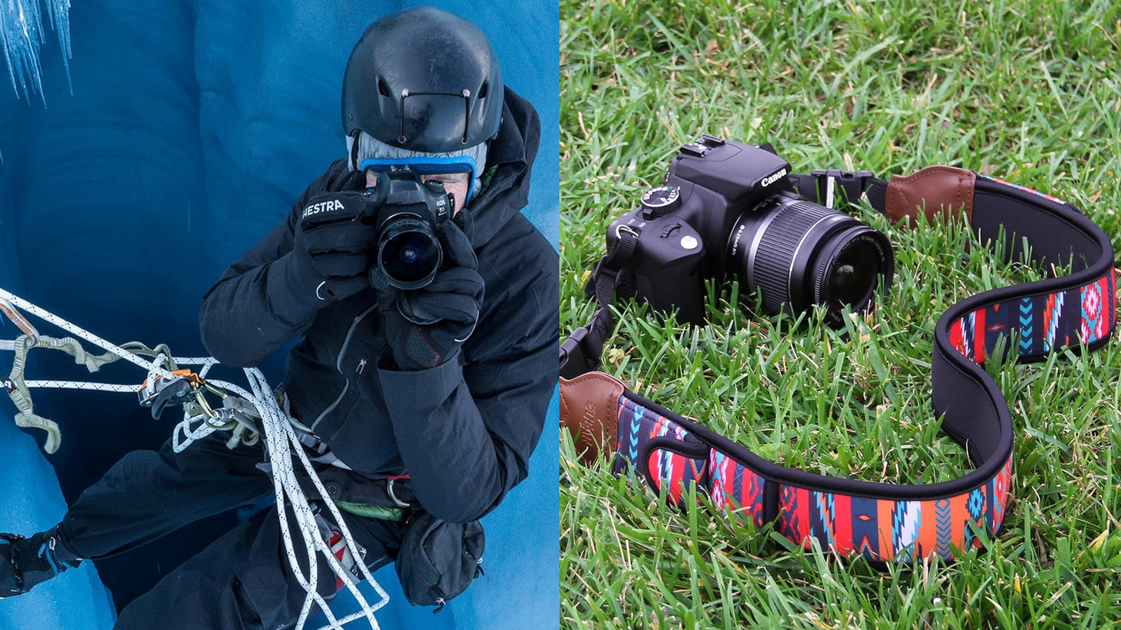
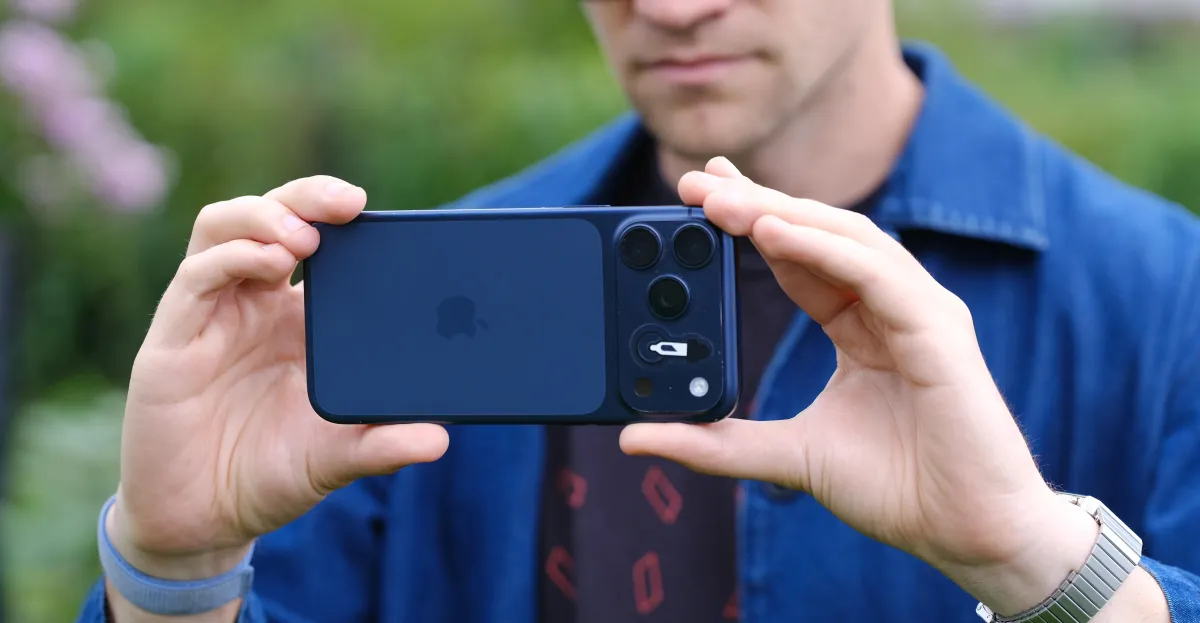
Most people who pick up a camera for the first time make the same assumption: that better photos come from better equipment. A newer body, a faster lens, a more sophisticated autofocus system — if the results are disappointing, the camera must be at fault. This assumption is understandable and largely wrong. Professional photographers produce extraordinary images on phones. Photographers with expensive cameras produce disappointing ones. The equipment matters at the margins. What separates consistently great photos from consistently mediocre ones is almost entirely about the decisions made by the person behind the camera.
Those decisions fall into a few broad categories. Some are technical — understanding how aperture, shutter speed, and ISO interact, how light behaves at different times of day and in different conditions, how to expose correctly when the scene is not cooperating. Some are compositional — how to organize the elements of a frame to direct attention, create depth, and produce images that hold the eye. Some are about timing — the patience to wait for the decisive moment, the alertness to recognize it, the reflexes to capture it. And some are harder to categorize — the ability to develop a distinct point of view, to see the ordinary world as a source of compelling images, to edit ruthlessly from the hundreds of frames taken to find the few that work.