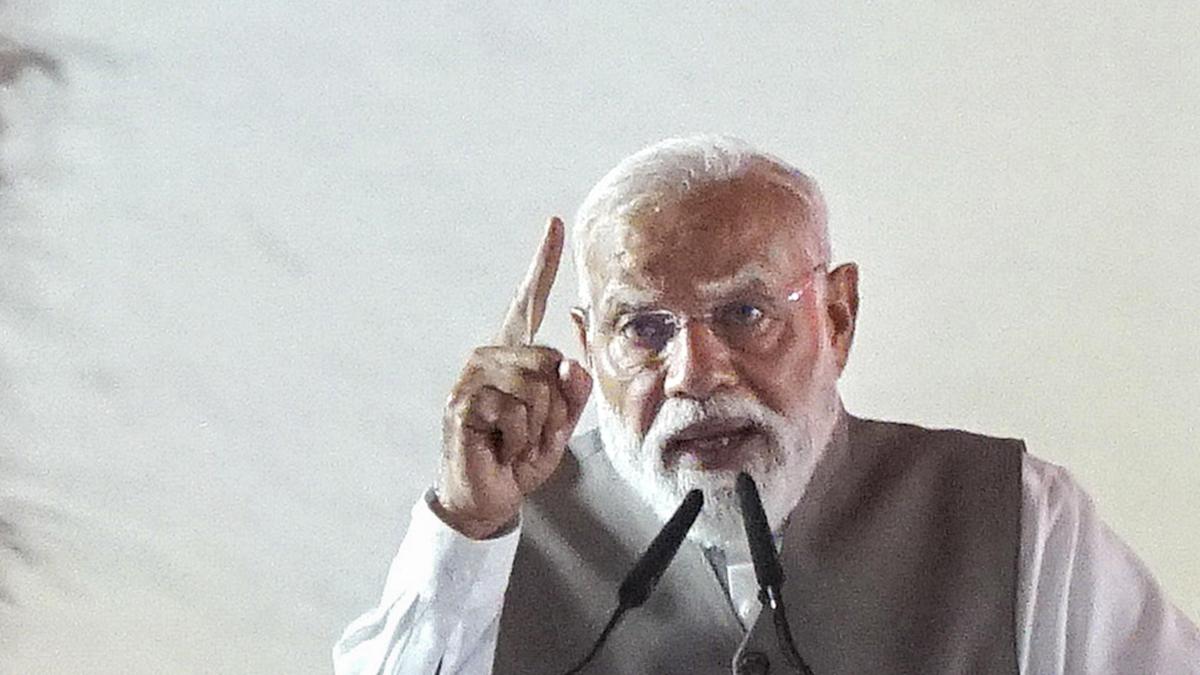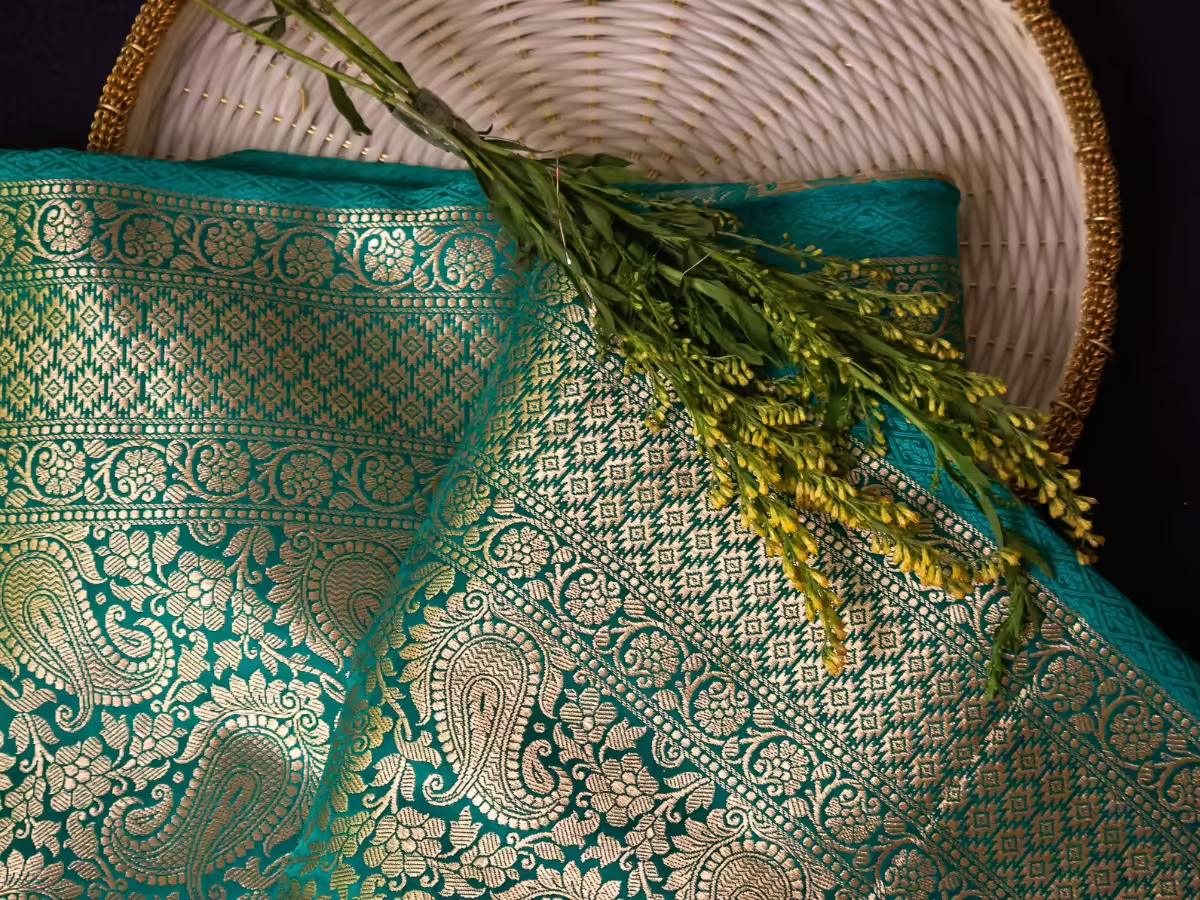
SynopsisParliament stands as a beacon of India's saree heritage, reflecting a tapestry of traditions. Women MPs are stepping to the forefront, reviving long-lost weaves and revitalizing the art of textile craftsmanship. This movement not only empowers local weavers but also invites us all to embrace the vibrant diversity of Indian artistry.Parliament has long been a place for saree-spotting. Mainly because unlike many other workplaces this quintessential Indian garment remains the most common attire for women members of both Houses. The expensive foreign accessories of some women MPs may catch the attention of the media more these days, but there is a hoary tradition of sarees coming into the national limelight thanks to the astute selection and preferences of some trendsetters among them.The OG among them, of course, was Indira Gandhi, whose predilection for fine handloom cotton sarees with small prints and simple but sumptuous handwoven silks became the norm among the swish political set in Lutyens Delhi for several generations. Sonia Gandhi carried forward that elegant legacy by introducing several "new" sarees to the cognoscenti, including vegetable dyed Bhagalpur silks in herringbone weave, and innovations in Odia ikats.A lot of women MPs of her generation followed her lead and there was always an array of mesmerising weaves for saree enthusiasts to mull over every time Parliament was in session. Indeed, it could be said that if Bollywood is the Met Gala of the saree sphere, Parliament has been the Paris or Milan Fashion Week for aficionados of six-yard splendour: a captivating parade of the best of India's traditional weaves, "endorsed" by the people's representatives.Then came a hiatus, for reasons I have not been able to ever pinpoint. Sarees seen in Parliament ceased to offer anything new, exciting or distinctively regional-at least for those with some domain knowledge. But in the past few years a new crop of women MPs have once again become torch-bearers of India's textorial heritage even as Bollywood stars and designers focus on embroidery and embellishments rather innovating with weaving, dyeing or printing traditions.Last week, I suddenly felt like someone picking up a pebble from the Krishna river and realising that it is actually an uncut diamond. Yes, once upon a time diamonds in India were not mined but discovered like that from riverbed pebbles. For me, finding a "new" saree gem in the mighty flow of Indian textiles is a similar feeling. First there is surprise: What is this? Then suspicion: Is it really this? Then realisation: It is! And finally, exhilaration: Wow!That is exactly what happened when a woman MP was photographed wearing a saree with a long name that looked like a typical handprinted cotton. What is so special about a Kodali Karuppur saree was my idle thought as I delved into the internet as usual. It turned out to be a pebble-to-diamond moment. The MP was wearing a tissue jamdani adorned with motifs in both resist-dye and kalamkari, a speciality of a little-known Tamil Nadu village of the same name.This deceptively simple-but actually painstakingly intricate-saree was first produced in the 18th century for the Maratha queens of Thanjavur by weavers who had come all the way from Gujarat. Migrating weavers are the stimulus for many of India's incredible saree traditions from Gujarat's Ashavali to the more recent delicate jamdanis of Kalna in Bengal. In this case, like cheetahs, the sarees of Kodali Karuppur had died out but have been carefully revived.It is too much to expect other endangered saree species to be rescued or revived by the usual celebrities; they have neither the time nor interest. But our women MPs have a long tradition of saree endorsements to fall back on, after all. It would be befitting if they take up the cause of discovering more of these diamonds-amid-the-pebbles of their own states and bring those sarees into national prominence for the benefit of both weavers and wearers. ...moreElevate your knowledge and leadership skills at a cost cheaper than your daily tea.Subscribe Now
Why the help of women MPs is neces-saree: Parliament could give many languishing 6-yard weaves a fillip - The Economic Times
Parliament stands as a beacon of India's saree heritage, reflecting a tapestry of traditions. Women MPs are stepping to the forefront, reviving long-lost weaves and revitalizing the art of textile craftsmanship. This movement not only empowers local weavers but also invites us all to embrace the vibrant diversity of Indian artistry.
660 words~3 min read