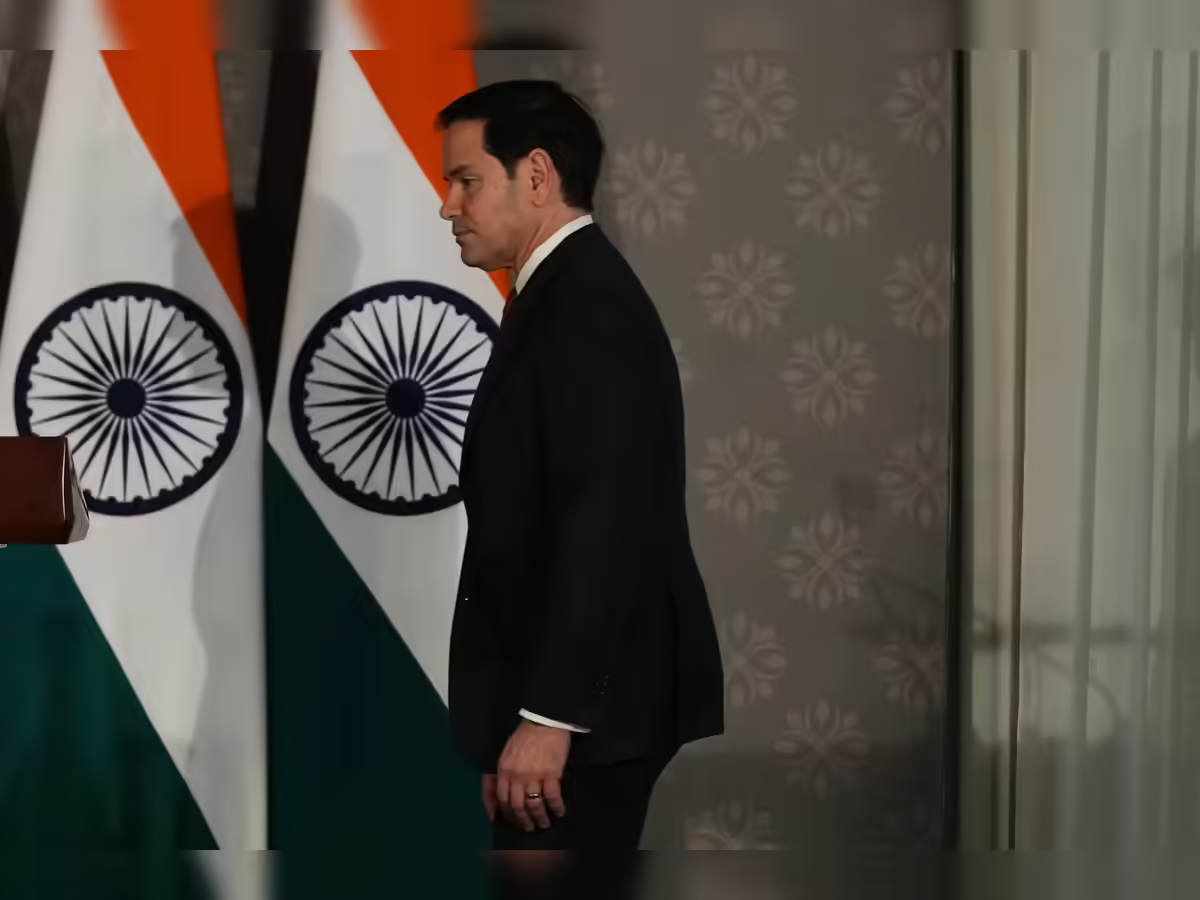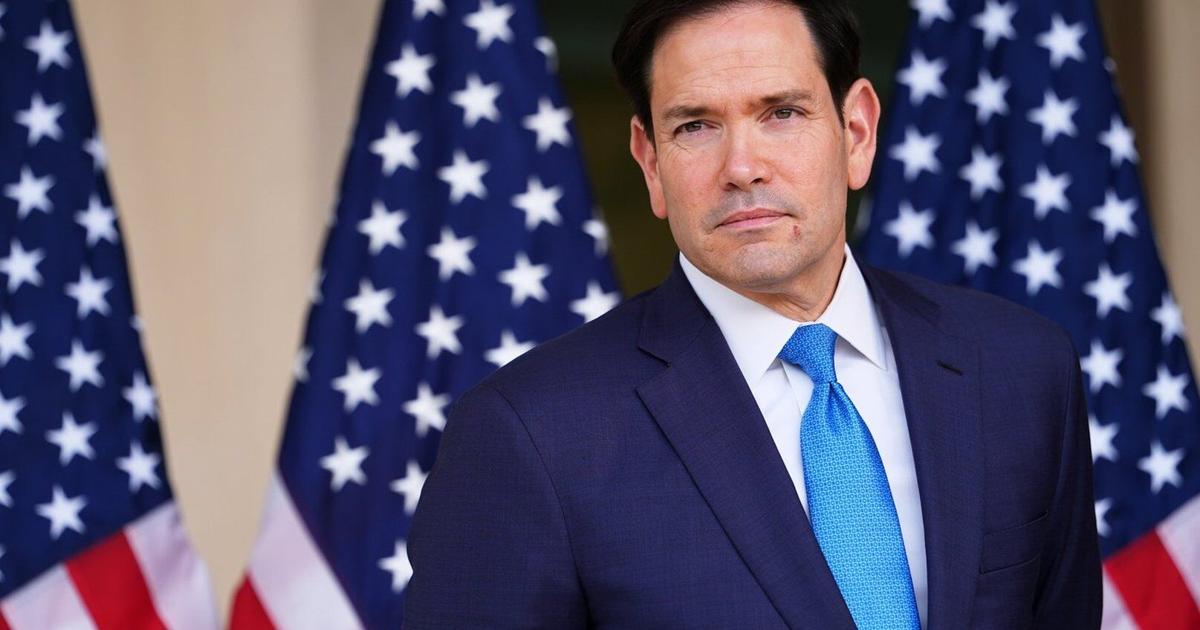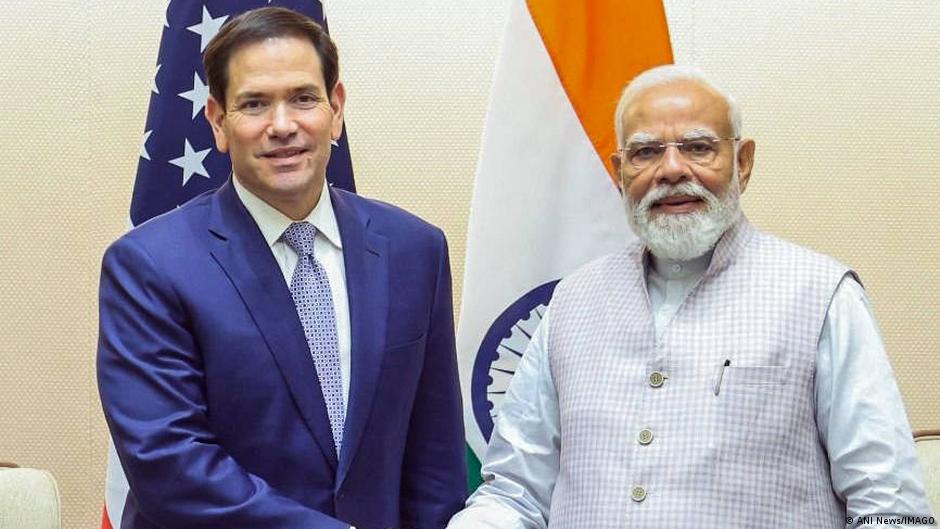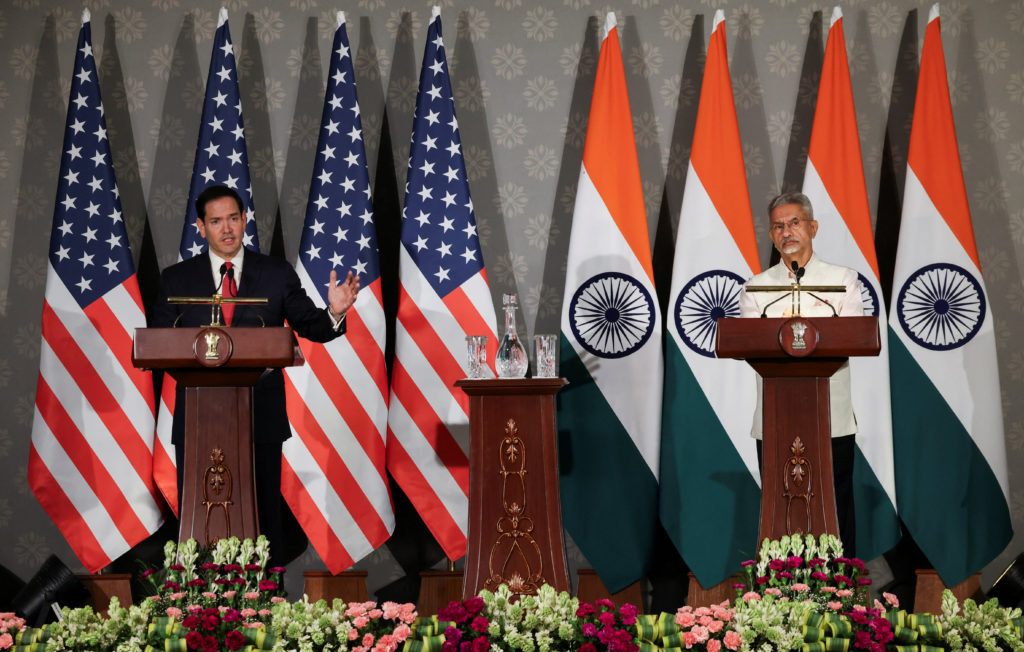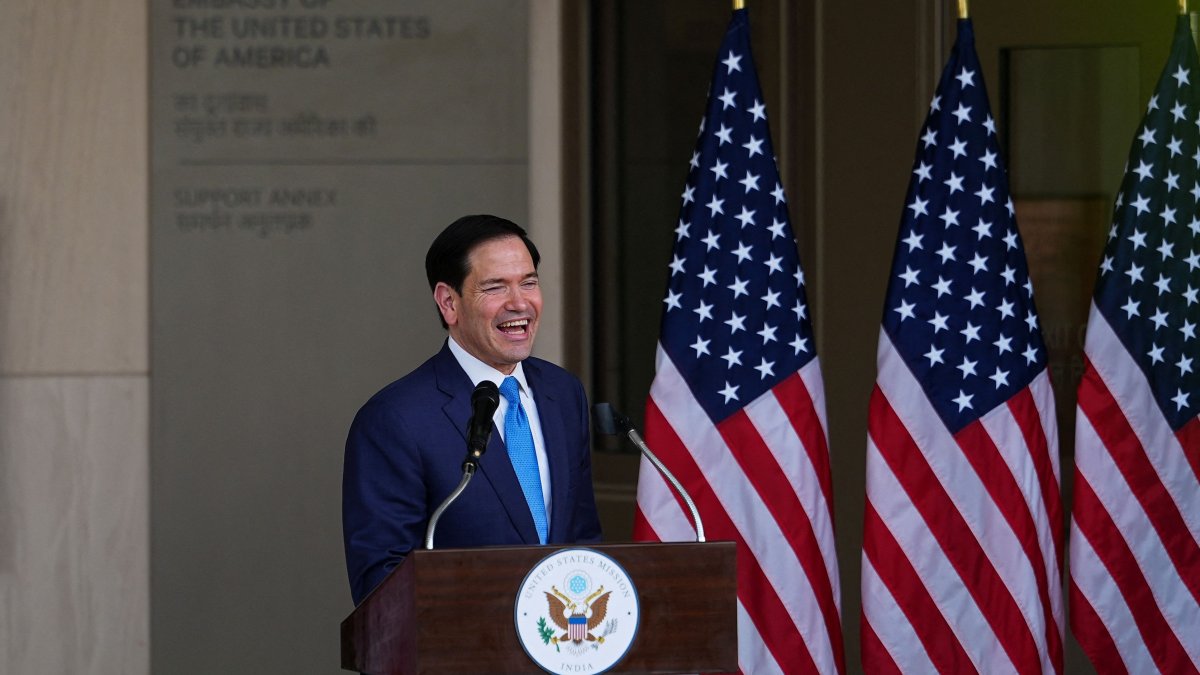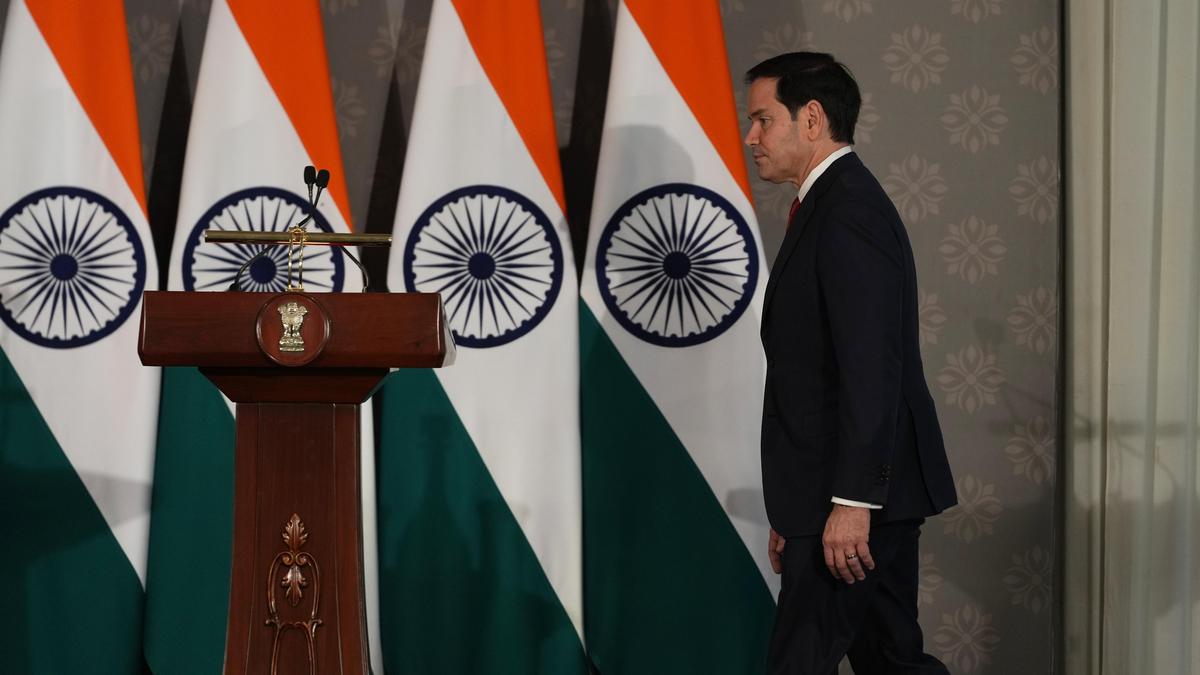
For nearly a year, strategic experts in India and the United States have warned that worsening bilateral ties could damage a partnership that former U.S. President Joe Biden called the most consequential of the 21st century. They argue that India remains central to America’s Indo-Pacific strategy and indispensable to its competition with China in geopolitics, technology, and securing critical supply chains.Warnings from think tanks, sense of betrayalThink tanks have also been sounding the alarm. A March 2026 report by the Center for a New American Security, titled Repairing the Breach: Getting U.S.-India Ties Back on Track, said bilateral ties had “stumbled badly” in the second half of 2025. It cited U.S. President Donald Trump’s claims about the May 2025 India-Pakistan ceasefire and his 50% tariffs on Indian exports as the key causes of the breach in trust, and recommended urgent steps to rebuild trust and deepen cooperation.Similarly, the Hudson Institute’s “New India Conference” underscored India’s importance to U.S. interests and the Indo-Pacific balance of power. By featuring RSS General Secretary Dattatreya Hosabale, it also signalled a willingness to engage Hindutva nationalists despite concerns over their treatment of religious minorities.This anxiety is not confined to Washington’s think tanks, but also in India too. During a visit to India in January 2026, discussions at academic and policy institutions, as well as engagements with experts, diplomats and Indian foreign policy scholars, pointed to a common concern: New Delhi had lost trust in Washington. The damage was seen as not merely diplomatic or transactional, but also strategic. Many Indian experts believed that even if both sides recognised the importance of the relationship, it would take a long time to repair the trust deficit.Three indicators came to define the deterioration in relations. The first was the growing U.S.-Pakistan strategic partnership in the post-Operation Sindoor period. As India sought to isolate Pakistan internationally, Mr. Trump’s repeated praise for Pakistani leaders and the country’s role in mediating with Iran was widely seen in India as a betrayal.The second indicator was trade. The 50% tariffs levied on India — among the highest imposed on any country — came as a shock to New Delhi. The 25% tariff penalty on India, imposed specifically for buying Russian oil, further reinforced the perception that India was being singled out and punished for no apparent reason. The third indicator was the neglect of the Quad (Australia, India, Japan and the U.S.). The absence of head-of-state summits, combined with the lack of visible enthusiasm around the Quad meetings, suggested that one of the central pillars of America’s Indo-Pacific strategy had been downgraded. The Quad, and therefore India, were clearly less important to Mr. Trump’s plans which now appear to be more focused on carving a more productive partnership with China.The Rubio visit and afterU.S. Secretary of State Marco Rubio’s visit to India (May 23-26, 2026) gave him a clear opportunity to address all three parameters. Unfortunately, there was hardly any progress on the pending trade deal. On top of that, Mr. Rubio essentially gaslit India by asserting in a tweet that India had committed to buying $500 billion worth of American products over the next five years — a claim that Indian officials had disputed. The Quad Foreign Ministers’ summit produced no major breakthrough and no clear announcement about when the heads of state would meet. Finally, when given an opportunity by the Indian press to criticise Pakistan for cross-border terrorism, Mr. Rubio instead chose to praise Pakistan’s role in the Iran crisis.
Rubio fails to win India back for Washington
Bilateral ties between Washington and New Delhi have stumbled and the damage is not merely diplomatic or transactional, but also strategic
960 words~4 min read