Sean Ferigan / Unsplash
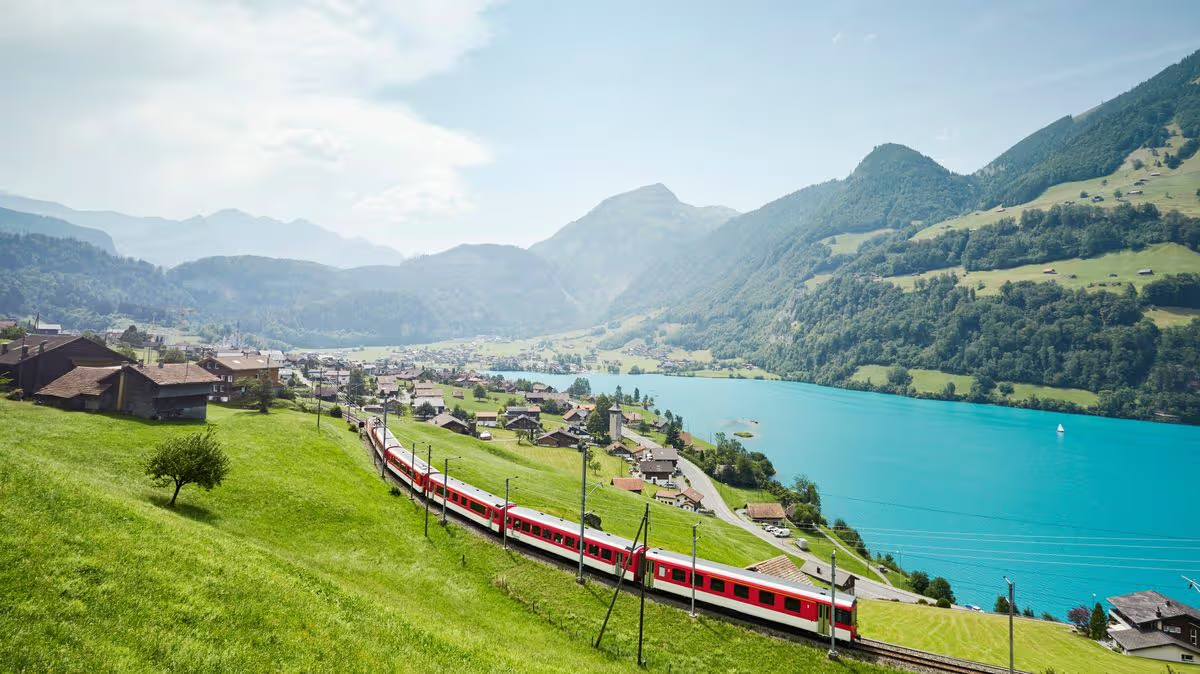
Train travel does something that flying cannot: it puts the journey in the foreground. The landscape that a plane crosses in an hour at altitude becomes hours of changing scenery at ground level, with the specific quality of light, terrain, and distance that only proximity to the land produces. The best scenic train routes were designed with this in mind — either deliberately built to traverse spectacular, otherwise inaccessible terrain, or repurposed as tourism destinations from railway lines that originally served mining, logging, or regional transportation needs. The train journey's infrastructure becomes part of what the ticket buys.
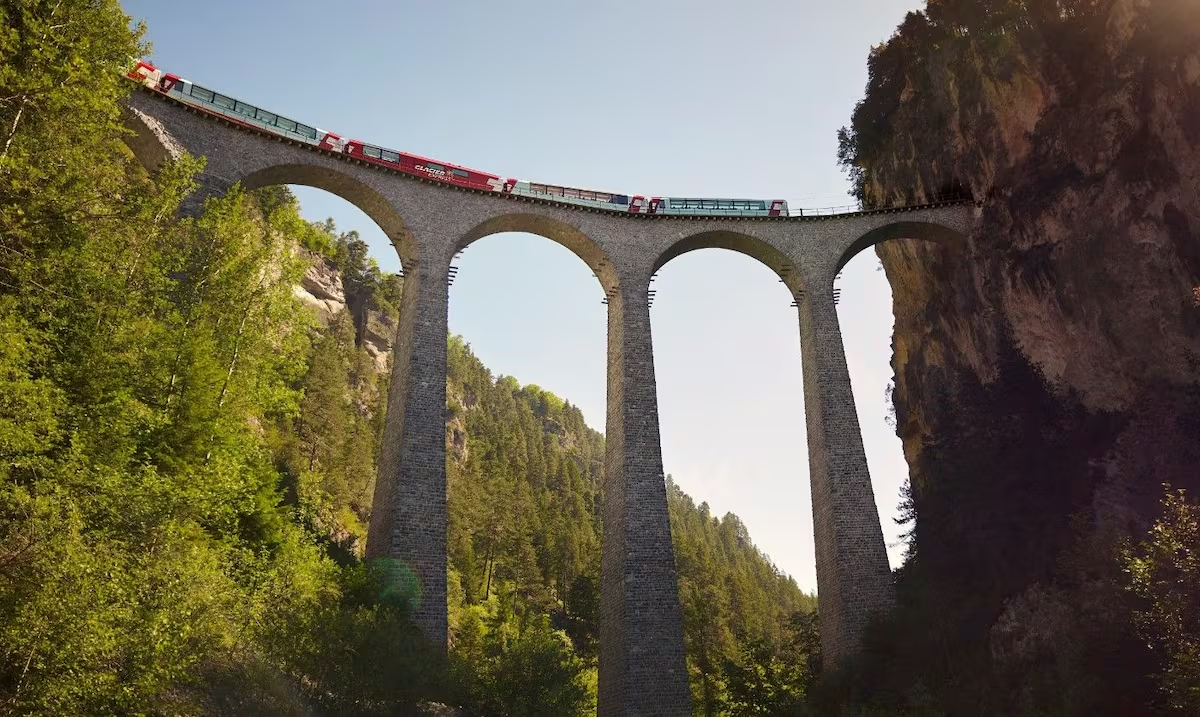
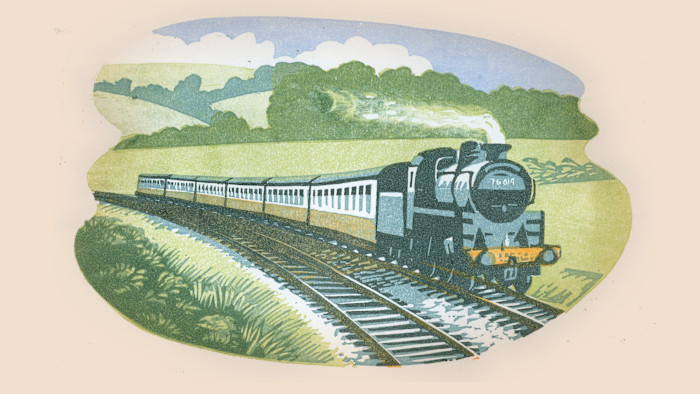
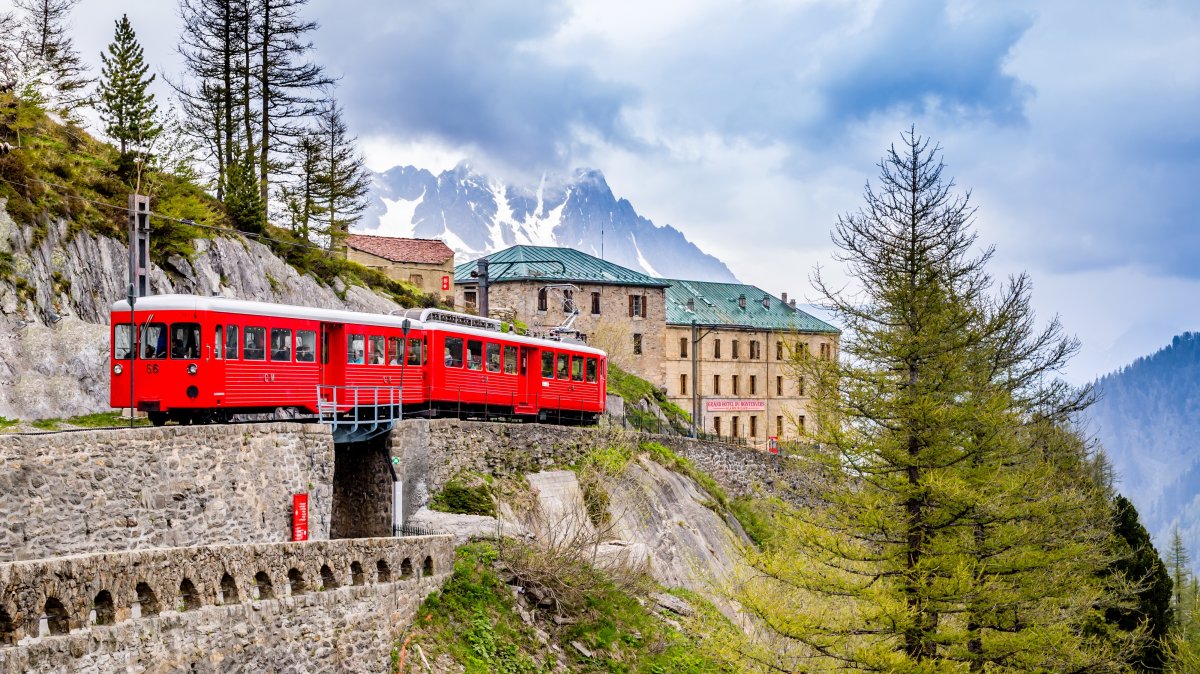
The variety of what a scenic train ride offers reflects the world’s landscapes and the different ways railways have been built through them. Steam engines cross Scottish viaducts above highland lochs. Glass-dome cars glide through Utah canyons and Colorado mountains. Narrow-gauge trains thread through Mexican gorges four times deeper than the Grand Canyon. A Swiss railway climbs to nearly 7,000 feet above sea level before descending through what the Swiss call their own Grand Canyon. Each route makes an argument for a specific landscape and a specific pace of travel that no other mode of transportation delivers in the same way.