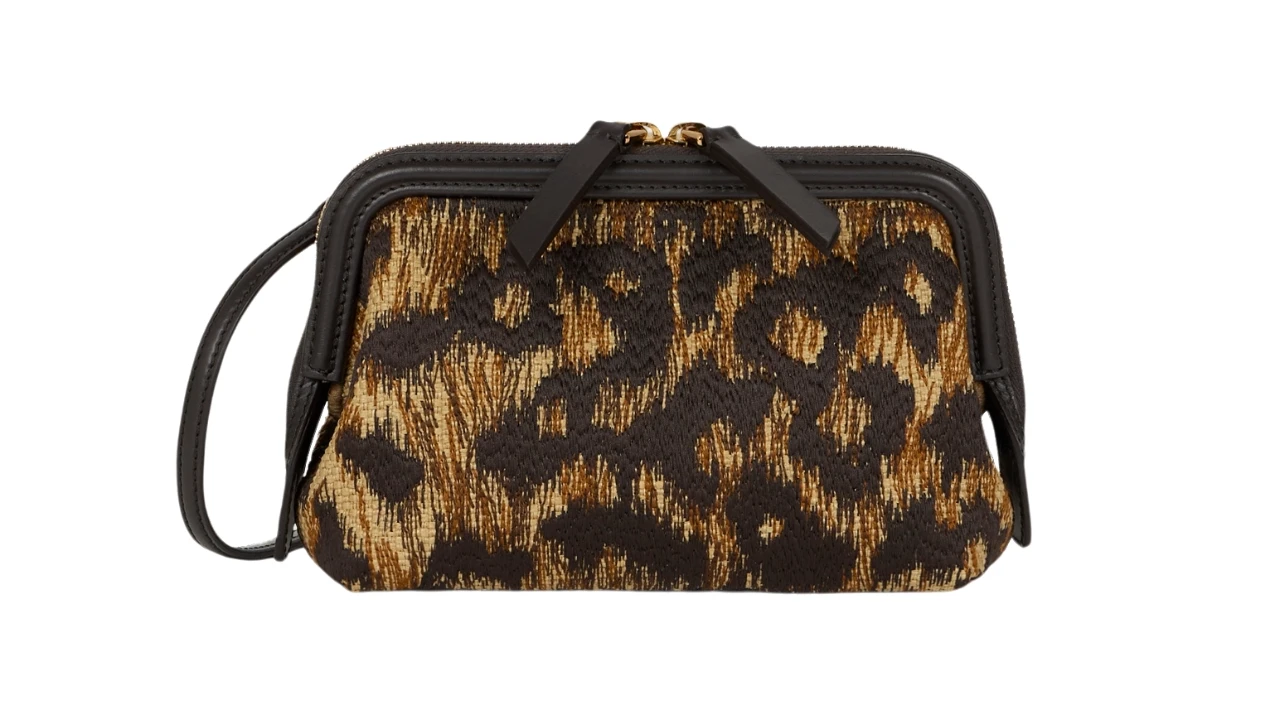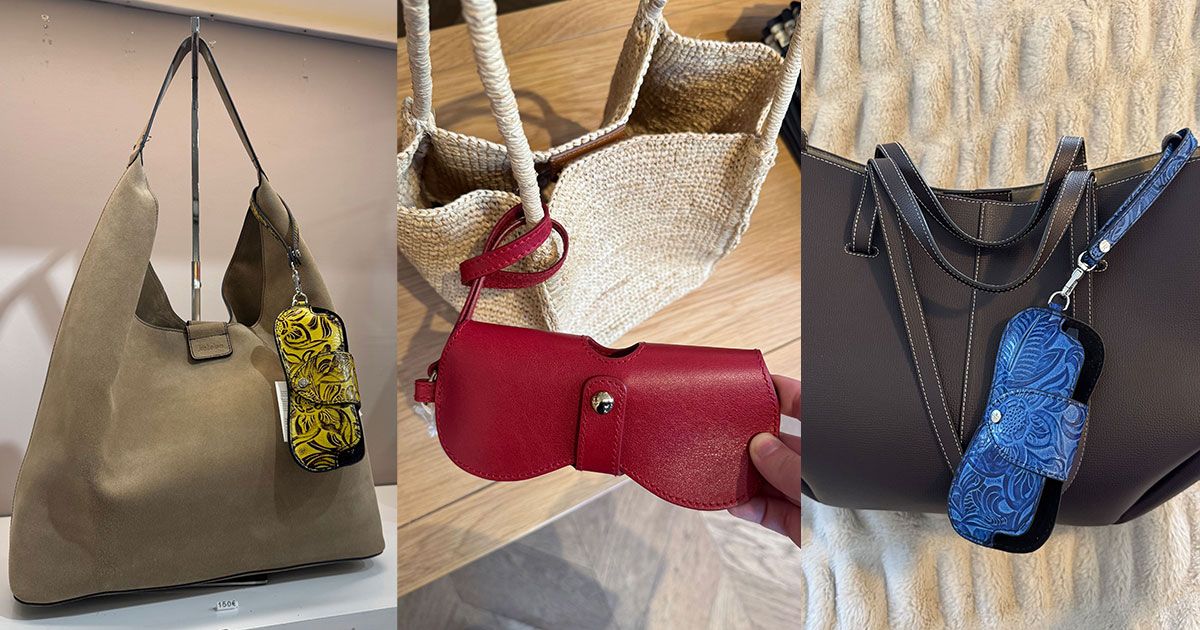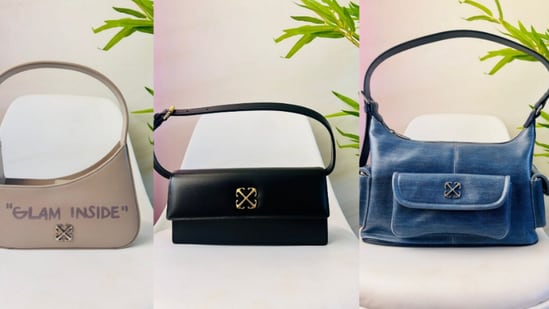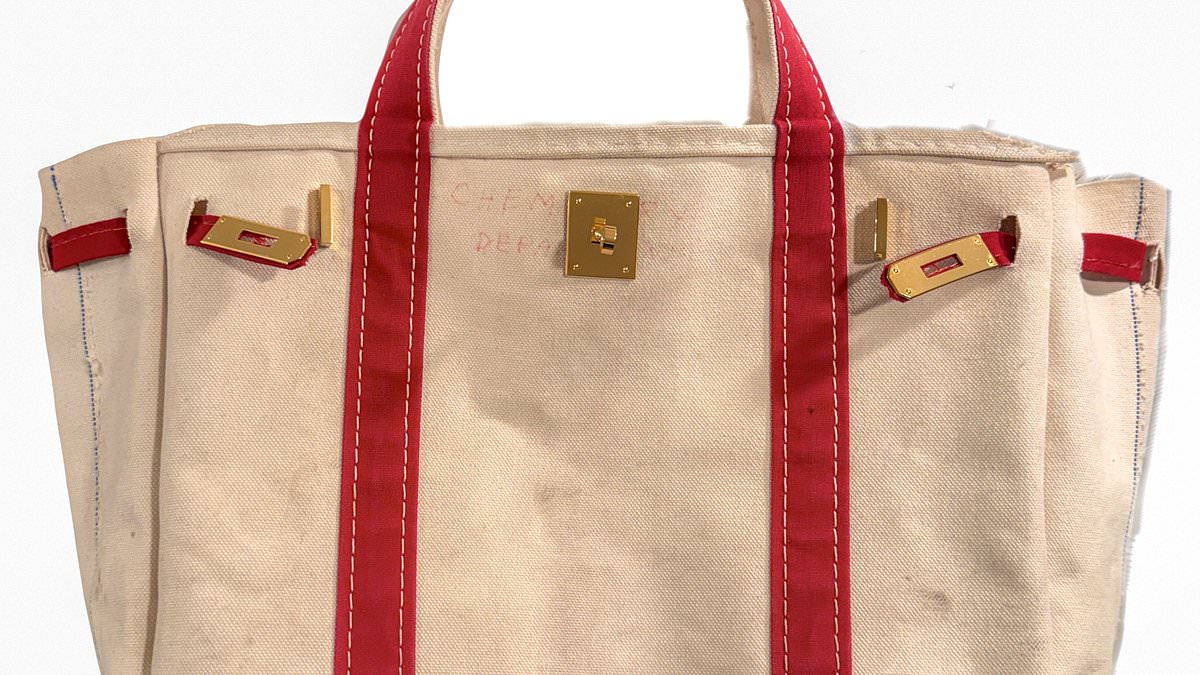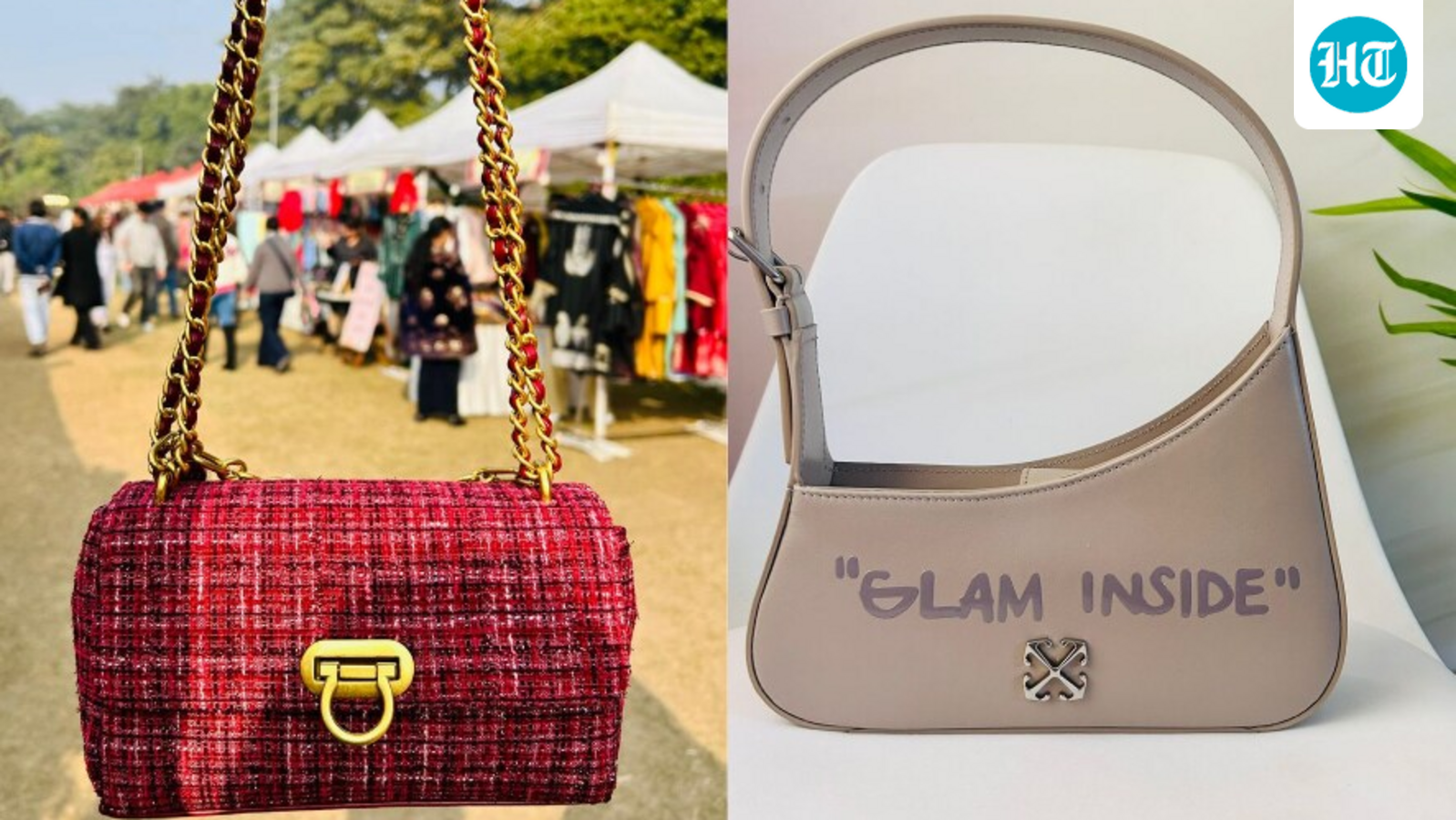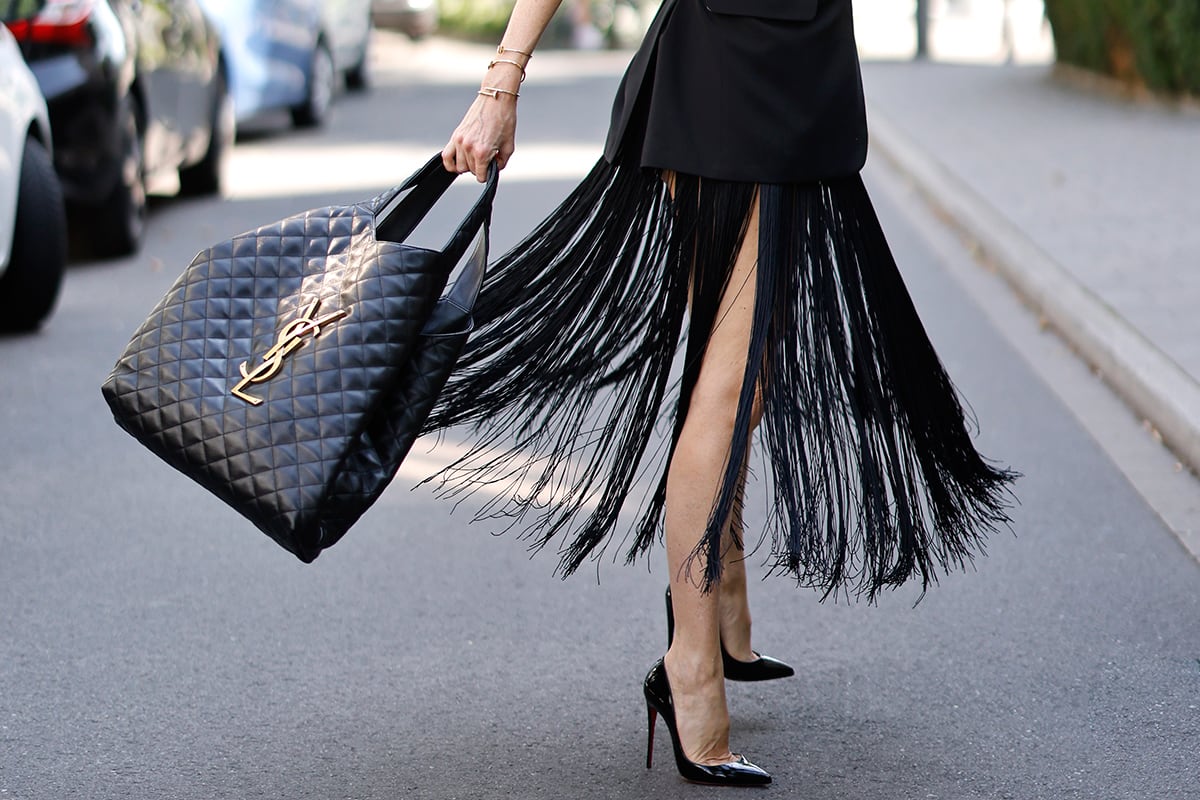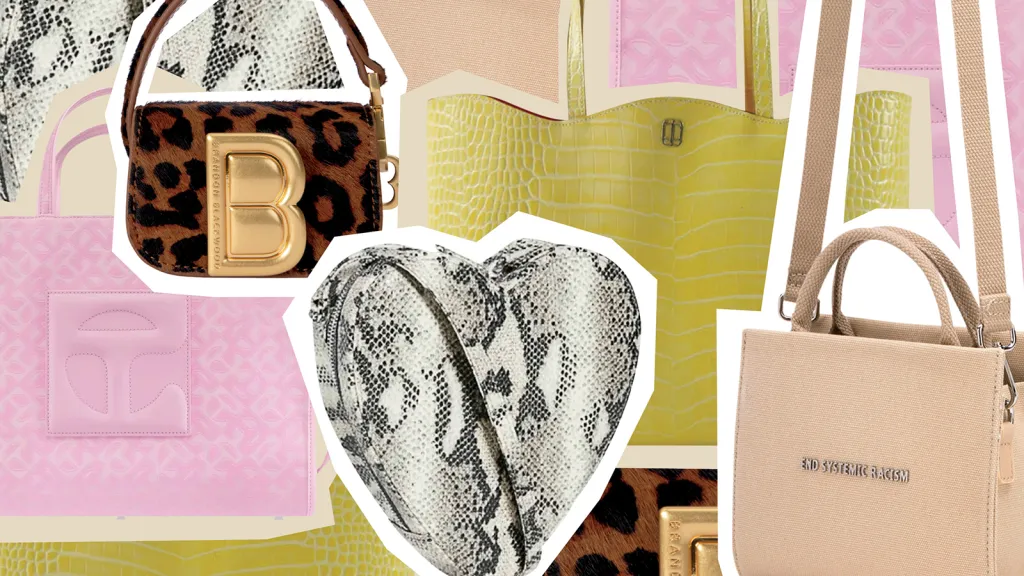
Birkin. Bottega. Prada. For generations, the fashion industry has built the mythology that the It bag is born in Paris ateliers, crafted by artisans in Milan, and legitimized via glossy cover shoots. But today, the truth is less Eurocentric. Black-owned brands now shape the It-bag economy. And everyone is following their lead.
For decades, the It bag followed a predictable formula based on scarcity, status, and waiting lists. Desire was manufactured through distance. The less accessible a bag felt, the more aspirational it became. In 2026, however, the bags we crave are priced to invite entry into elite fashion territory and engineered with social media in mind. They carry political messaging, narratives, and cultural fluency. They signal alignment as much as affluence.
Few brands disrupted tradition more than Telfar. With prices hovering around $200, the brand’s Shopping Bag sits worlds away from the five-figure entry point of icons like the Hermès Birkin, the nearly $10,000 Chanel Classic Flap Bag, or the roughly $6,000 Dior Lady Dior. And thanks to a strong design identity, it obliterated the assumption that accessibility erodes prestige. Since its 2014 debut, the Shopping Bag has been spotted on the arms of everyone from Rihanna and A$AP Rocky to Chloë Sevigny and Selena Gomez. Today, Telfar also exceeds legacy brands like Louis Vuitton and Chanel in resale market value.