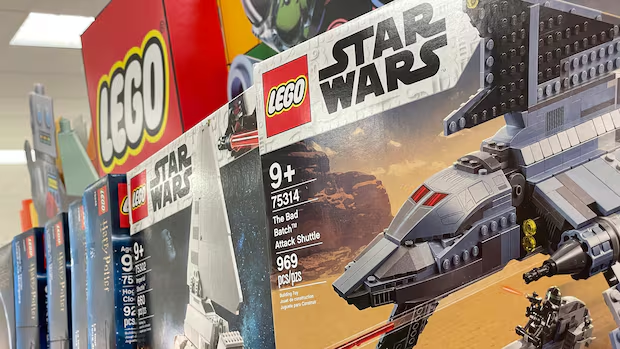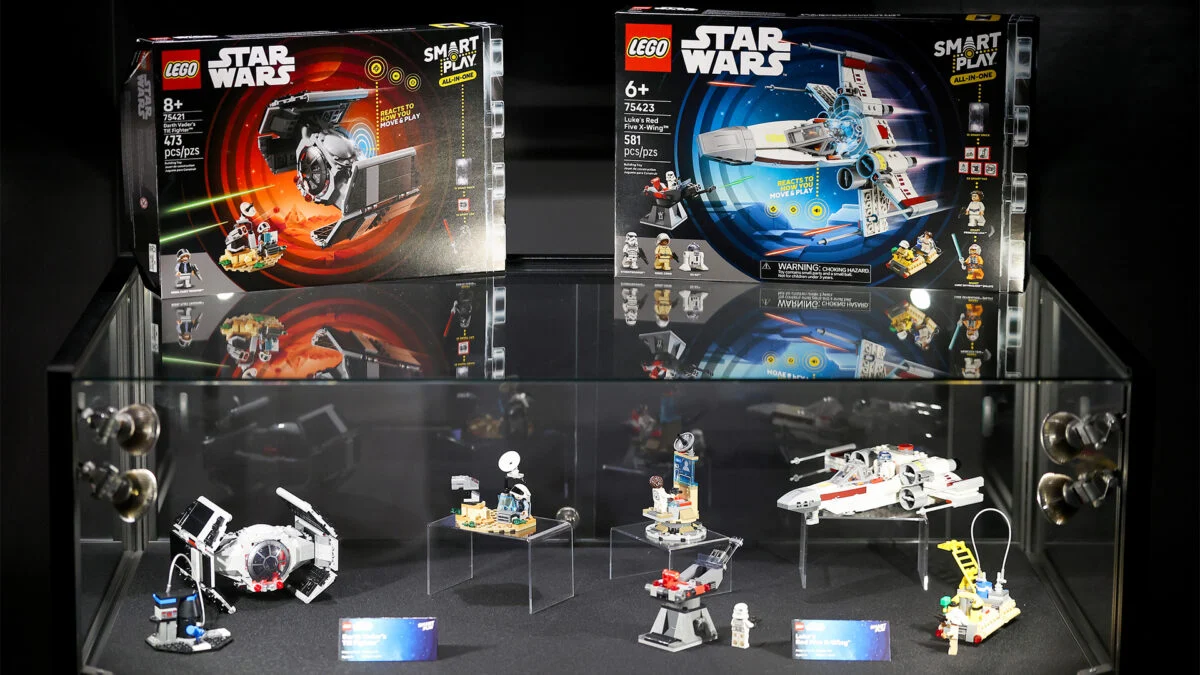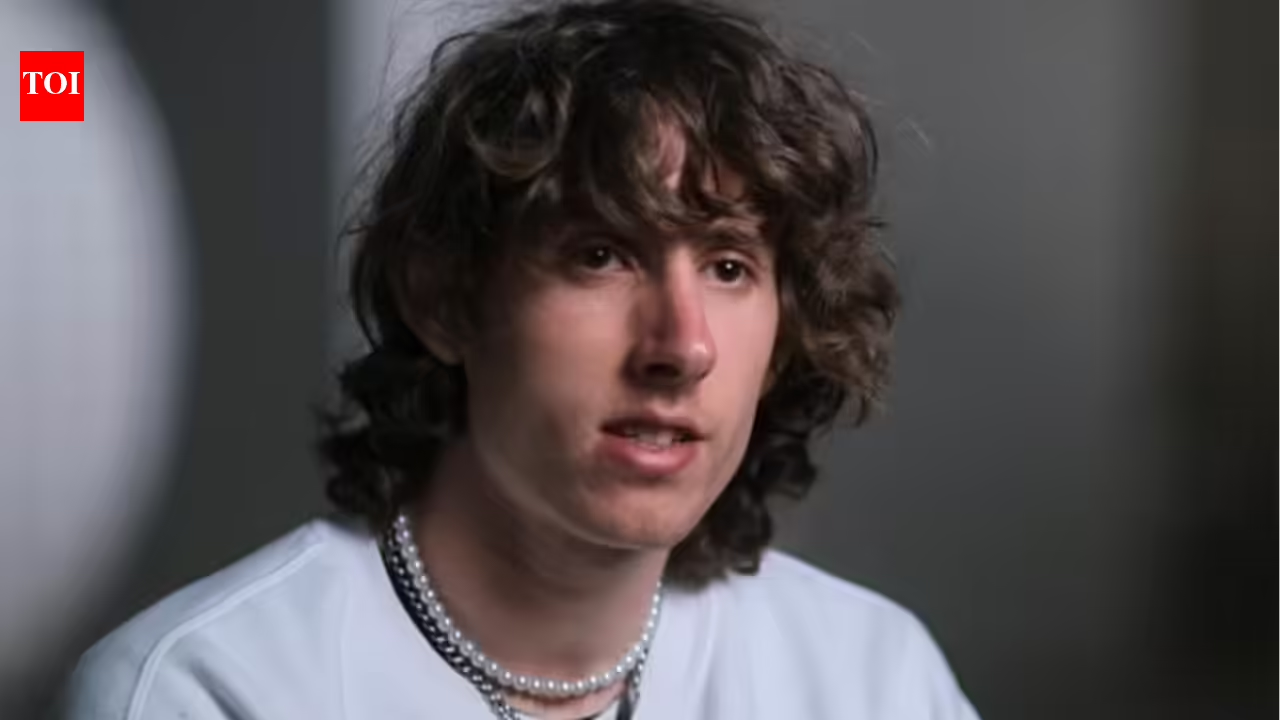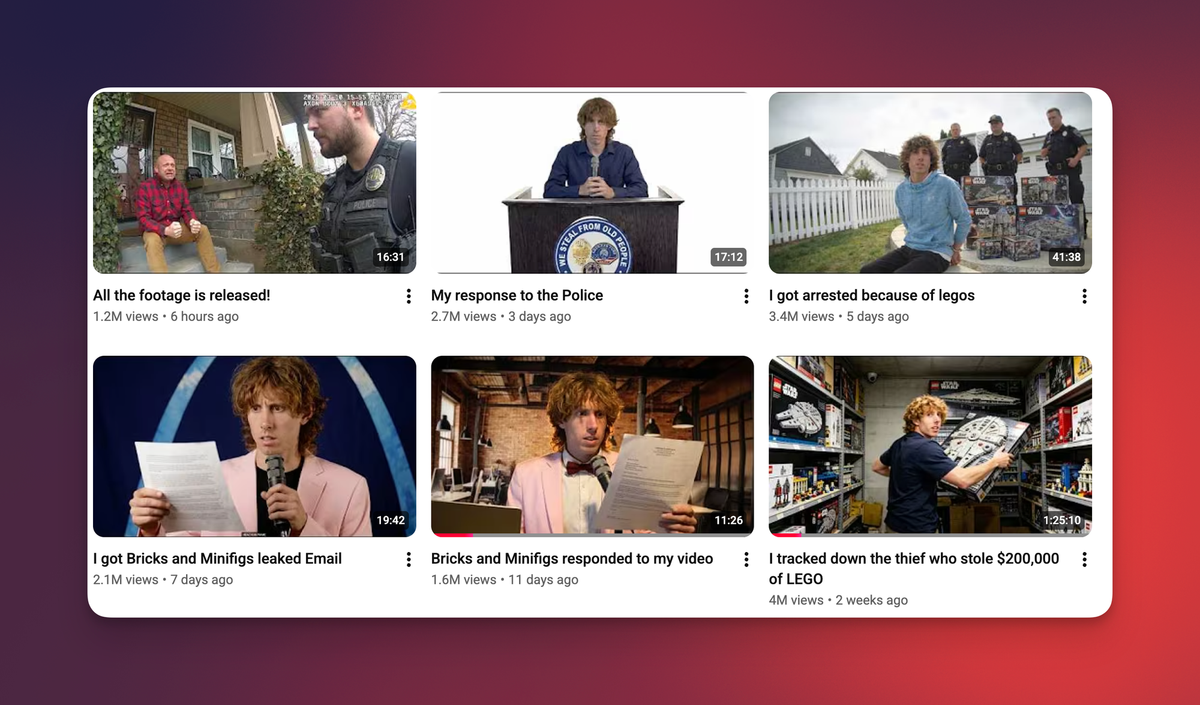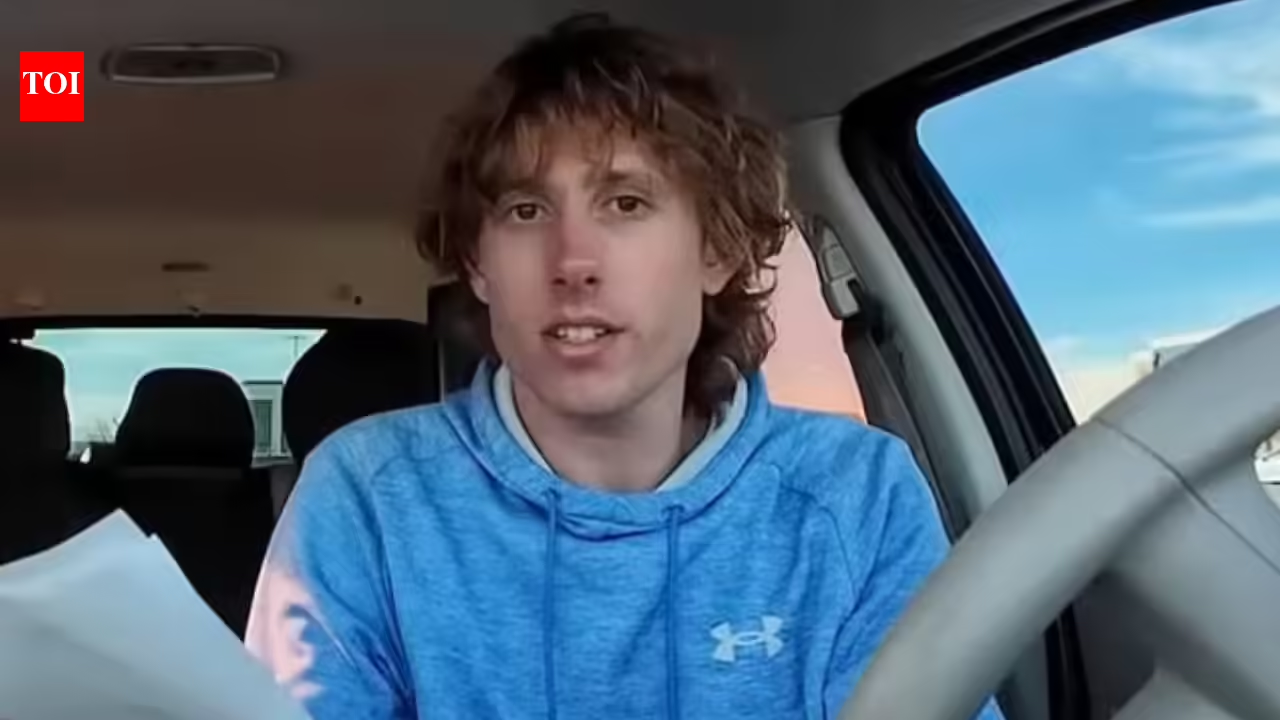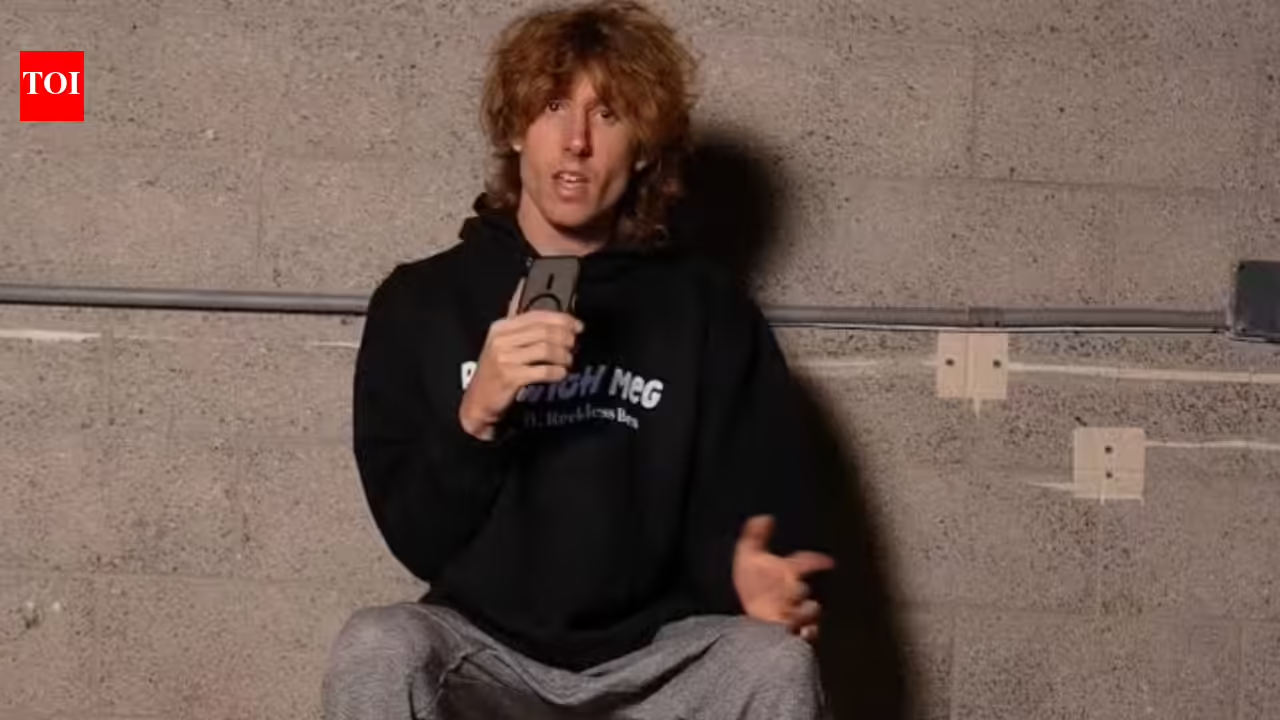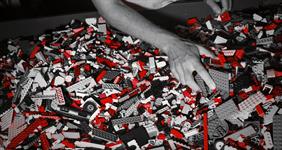
In a retail landscape driven by highly connected consumer networks, brand equity relies largely on institutional trust. When a company breaches that trust, mismanages a local grievance and attempts to suppress consumer feedback, it can rapidly escalate a minor operational issue into an existential crisis.The controversy surrounding Bricks & Minifigs — a national Lego resale franchise with more than 300 locations — serves as a case study in how defensive corporate posturing systematically destroys brand equity.The catalyst for the crisis began with a dedicated father-and-son collecting partnership. Over two decades, Bryan Mansell and his father built a Star Wars Lego collection that grew to 780 sealed sets allegedly valued between $150,000 and $200,000. In November 2023, Mansell decided to sell the collection and signed a consignment agreement with Chrystal Law-Gorman, then co-owner of the Bricks & Minifigs franchise in Keizer, Oregon. The terms granted 65% of sales to Mansell and 35% to the store, alongside monthly payments and a running inventory. For about a year, the arrangement worked exactly as agreed.However, what followed is a case study in corporate self-destruction, proving that hiding behind institutional insulation can alienate an entire consumer ecosystem. How it all fell apartThings fell apart when the store changed hands. In late 2024, Law-Gorman and her husband approached Bricks & Minifigs corporate about selling the franchise. Law-Gorman says she was forced out without warning, leaving her no time to document what remained of Mansell’s collection. Security footage from that night reportedly shows an individual stating they were taking on “the business and all that consignment.” Corporate leadership disputes this, claiming the Gormans faced unpaid debts and wanted to close anyway.The new operators, Brandon Best and Joshua Johnson, took over the franchise through an entity called Baker Bricks, at which point the monthly payments to Mansell stopped. When Mansell asked about his collection, the new owners allegedly claimed no knowledge of any consignment arrangement and told him to take it up with the Gormans. In November 2024, he formally terminated the agreement in writing and requested the return of his Lego sets. The new store operators reportedly offered to return the inventory on one condition: that Mansell issue a public apology. He declined, and the store kept the sets.In an official corporate statement released May 28, 2026, Bricks & Minifigs denied that leadership or the new franchisees knowingly retained the collection. The company argued the dispute stemmed from an unauthorized local consignment arrangement to which corporate was not a party, adding that leadership was unaware of the situation when it repossessed the store after the former owner allegedly defaulted on payments and royalties. The company also stressed that the real value of the sets fell within a $60,000 to $80,000 range, directly challenging the $150,000 to $200,000 valuation claimed by Mansell. Corporate executives cited franchise guidelines and the 2023 Owners Operations Manual, which explicitly prohibit store-level consignment side deals.That claim faced complications when Law-Gorman publicly posted images of her original franchise contract online. The documents reportedly state that “the franchisee may also offer consignment services,” which directly contradicts the position corporate took as its primary defense. While those images have not been independently verified, their existence adds another layer to an already complicated picture.Enter Reckless BenRather than resolving the issue through transparent communication, the company’s inaction forced the dispute into the digital court of public opinion. In mid-May 2026, YouTuber Benjamin Schneider, known online as Reckless Ben, published a video series detailing the Mansell situation, with each of the five episodes garnering 1 million views. Arriving at the store and at corporate HQ with a camera and questions nobody wanted to answer, he found an audience already furious about what they were watching. A company paying attention to its own customers would have understood why. As the videos gained traction, an internal crisis management email sent from corporate to Bricks & Minifigs franchisees was leaked and read aloud by Schneider on social media. According to reporting, the memo outlined an internal communications strategy described as moving “from defense to offense,” coaching the franchise network on canned scripts, comment shutdowns and platform takedowns. A company facing a public trust crisis was spending its energy on suppression instead of solving the problem. Bricks & Minifigs filed a verified complaint in Utah County, Utah, against Schneider, his corporate firm, Mansell and others, bringing 13 causes of action — including Utah RICO violations, defamation, civil conspiracy, tortious interference and intentional infliction of emotional distress — seeking damages, attorney fees, the disgorgement of video and merchandise profits and a court order restricting further alleged harassment.Utah police showed up at Schneider’s Airbnb because his host reportedly overheard conversations about the case. Facing a no-bail arrest warrant, Schneider fled to Mexico and continued posting. The company then attempted to have his Patreon account removed. Patreon CEO Jack Conte posted a video refusing the request, telling Bricks & Minifigs it could, in his words, “stuff it.” Torching brand trustThe defensive cascade highlights a fundamental failure to understand the core customer base. The Lego resale market runs on a specific kind of trust. Collectors who entrust a Bricks & Minifigs location with a six-figure collection are making a high-stakes transaction based on brand integrity. They communicate constantly across online forums, Discord servers and comment sections. They also represent the exact demographic that spends hours watching Lego content on YouTube and supports creators on Patreon. The audience following Reckless Ben’s videos wasn’t an ancillary group that wandered in from somewhere else. It was the customer base that Bricks & Minifigs depends on, watching in real time and deciding whether it would ever walk into one of those stores and hand over something it loved.When the company finally issued a public statement, it disabled comments on the social media posts sharing it. Screenshots of the disabled sections circulated almost immediately, and the conversation became less about what the statement said and more about the fact that they had closed the door on any response.For a brand already accused of ignoring a collector for 18 months, closing the comments told people everything they needed to know before they read a single word of the statement.Turning off comments rarely prevents people from saying bad things; instead, it signals censorship and a refusal to accept accountability.The company's statement closing the Salem store attributed the closure in part to "a devastating social media campaign." This continues its pattern of pointing the blame toward others. The social media campaign existed because a collector spent more than a year being told his missing collection wasn’t anyone’s responsibility. Reckless Ben didn’t create the story. He found it sitting there, unresolved, and pointed a camera at it.That devastating social media campaign is just what finally made Bricks and Minifigs realize this wasn’t going to go away.The winners and losers The financial and operational fallout continues to spread, creating distinct winners and losers. Schneider’s GoFundMe campaign on behalf of Mansell raised more than $400,000, well above the estimated value of the collection, while Patreon won deep creator credibility through Conte’s public stand. Conversely, third-party partners are cutting ties with Bricks & Minifigs. Minifigs.me, a major supplier for the retail chain, announced it would no longer work with the company due to ethical concerns. Even though Bricks & Minifigs was a large buyer of its products and severing ties could hurt the supplier’s bottom line, it chose integrity, winning widespread support from the community. The collateral damage is already spreading beyond Oregon. An independently owned Bricks & Minifigs location in Sacramento, California, which has no connection to the Oregon dispute, has been flooded with threatening calls, emails and voicemails. GM Dylan Anderson reported filing multiple police reports, saying, “There are active police reports. I do my best to grab every call so that I can protect my staff.”As of this week, Bricks & Minifigs offered to return Mansell’s remaining items, review the documentation together, provide compensation for missing inventory and discuss dismissing the lawsuit. This concession doesn’t represent a strategic turnaround; it demonstrates to the public that the organization will only execute ethical choices when forced against a wall. When you destroy trust, you destroy your brand. This was a consignment dispute that a company with 300 locations could have resolved with a conversation and some humility. Every person who searches the brand name and finds a RICO lawsuit, a GoFundMe, a leaked memo titled "from defense to offense" and a Patreon CEO telling them to stuff it has already made their decision.You shouldn’t need a “devastating social media campaign” to remind you to treat people like humans.
How Patreon’s CEO, Lego sets and a YouTuber relate to a lesson in brand destruction
A disputed Star Wars collection triggers a viral backlash, a corporate RICO lawsuit and a masterclass in how defensive public relations can turn Bricks & Minifigs into a cautionary tale.
1,430 words~7 min read