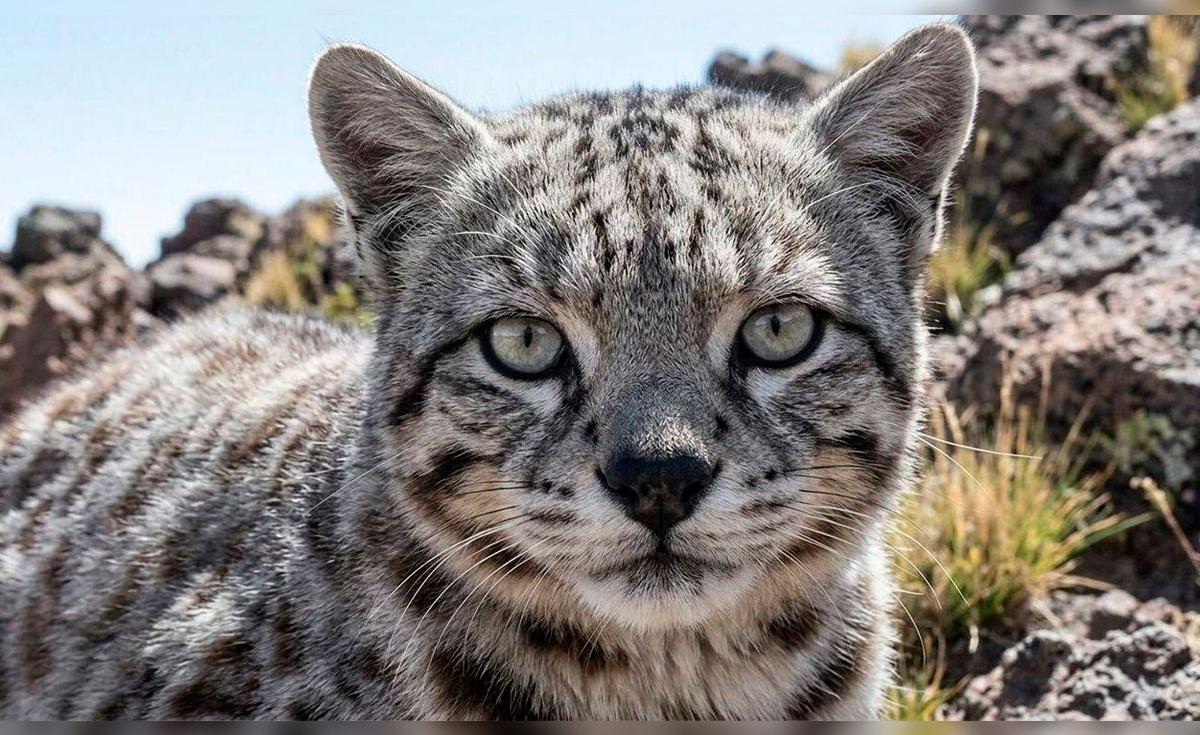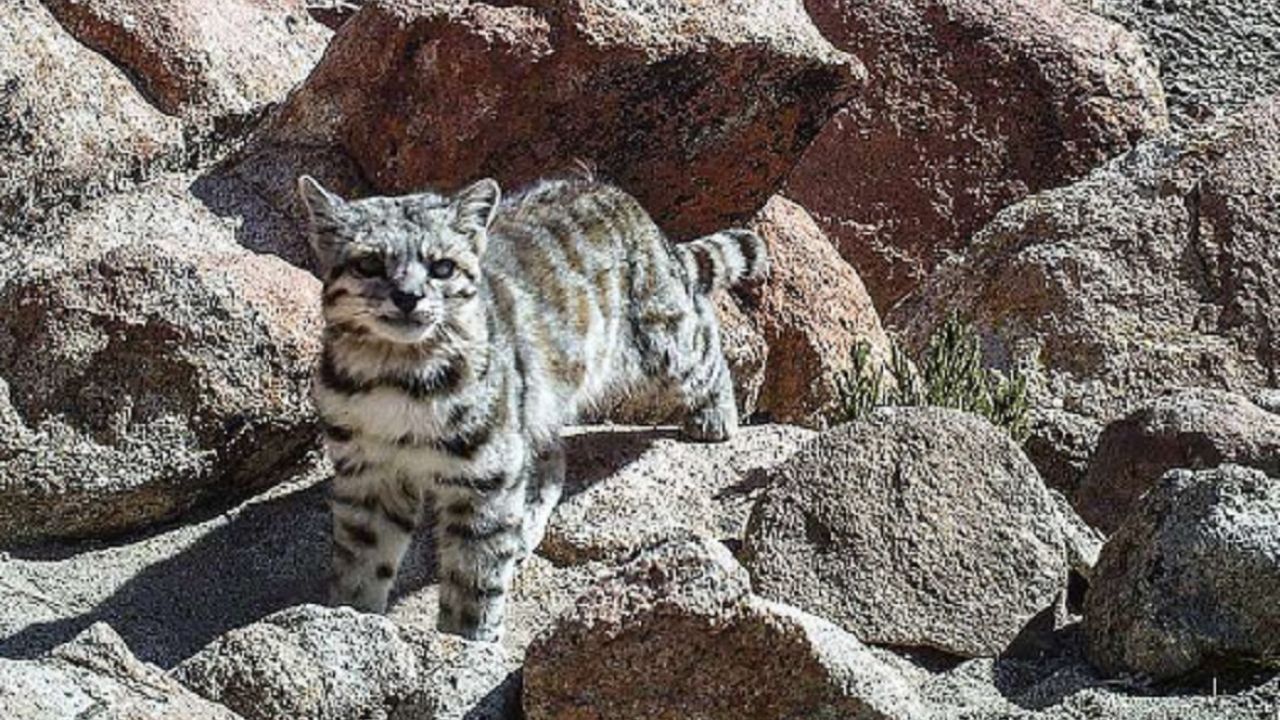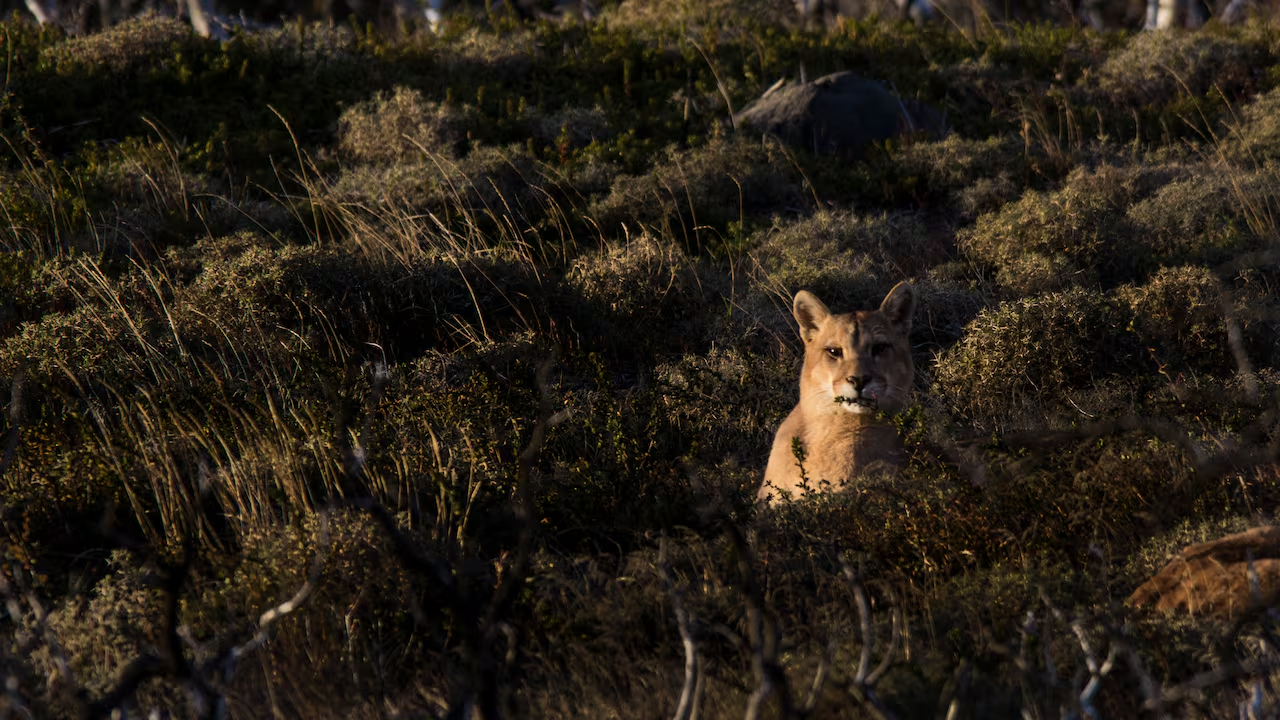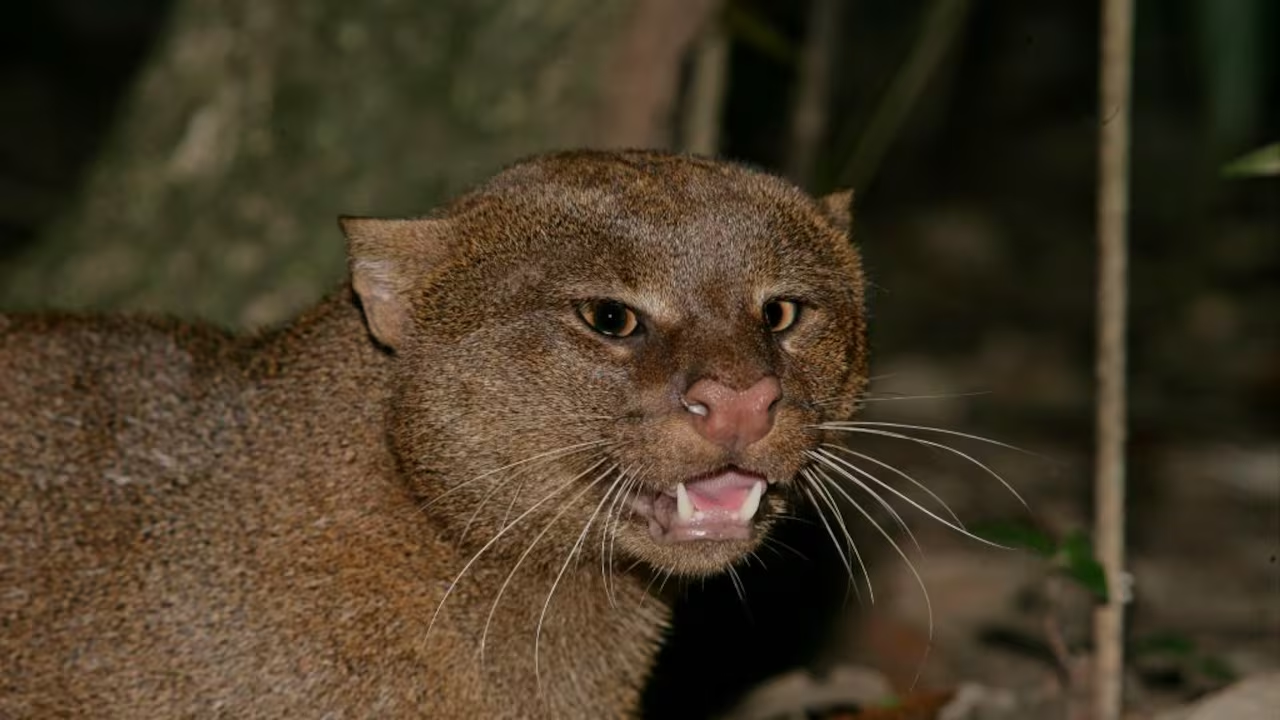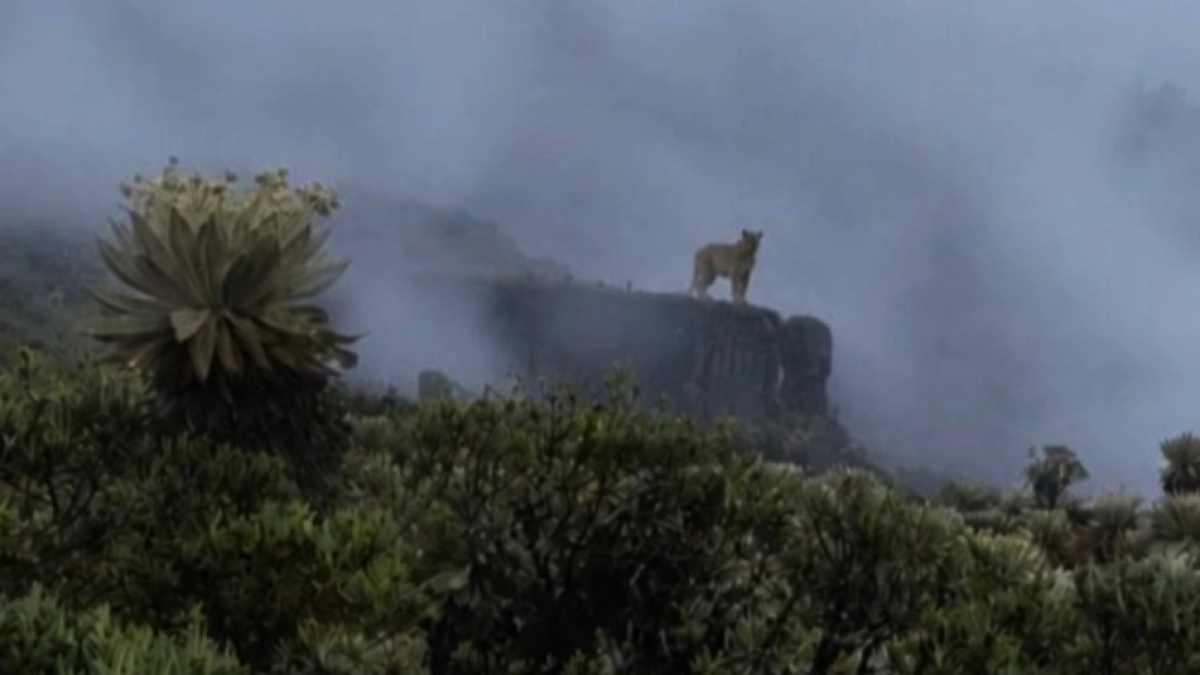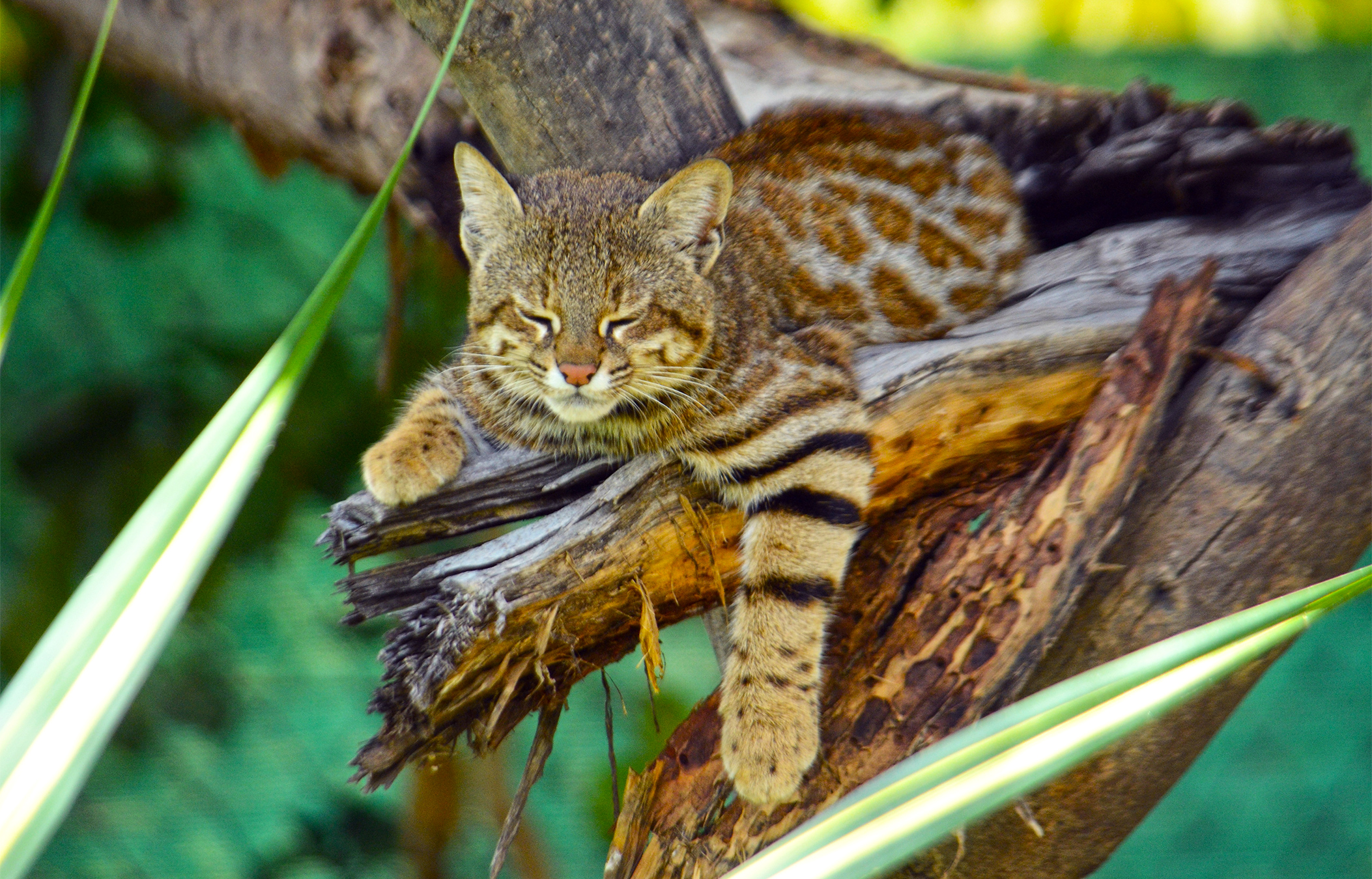
The San Pedro de Vice dry mangrove habitat on the northwest coast of Peru hosts a very small population of desert pampas cats (Leopardus garleppi). It’s part of a population unlike any other across the species’ Latin American range, which stretches from southern Colombia to northern Argentina.While the desert pampas cat is normally found in arid deserts, dry forests or grasslands, this small coastal population is one of a kind in that it is uniquely adapted to a dry mangrove habitat bordered by desert.While camera-trap data initially suggested a healthy population in San Pedro de Vice, a recent genetic study performed on scat determined there are just nine cats in this isolated area, all of them related, with just two actively breeding — raising concerns this unique population can’t survival without conservation intervention.Researchers say this population’s story is a warning to conservationists that other small cat species worldwide thought to be thriving may be facing isolation and genetic bottlenecks in fragmented ecosystems, risking multiple local extinctions. But expensive genetic studies of hard-to-find scat make assessments difficult.
More than a decade ago, conservationists began working to preserve a unique population of desert pampas cats that has adapted to the mangroves of Peru’s northern coast. This small, isolated population roams the San Pedro de Vice dry mangroves, a Ramsar Site and South America’s southernmost mangrove ecosystem.