The proposal forms part of a wider set of amendments to the zoning regulations of the Revised Master Plan-2015.
| Photo Credit: K. MURALI KUMAR
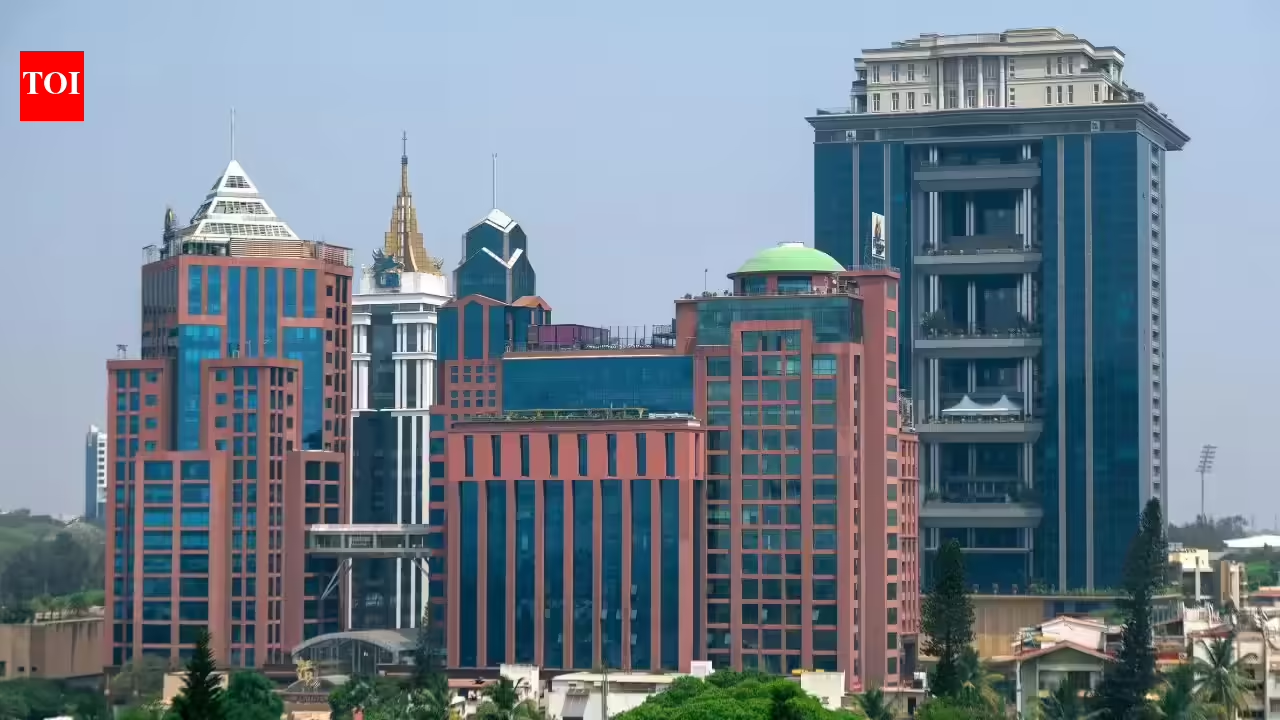
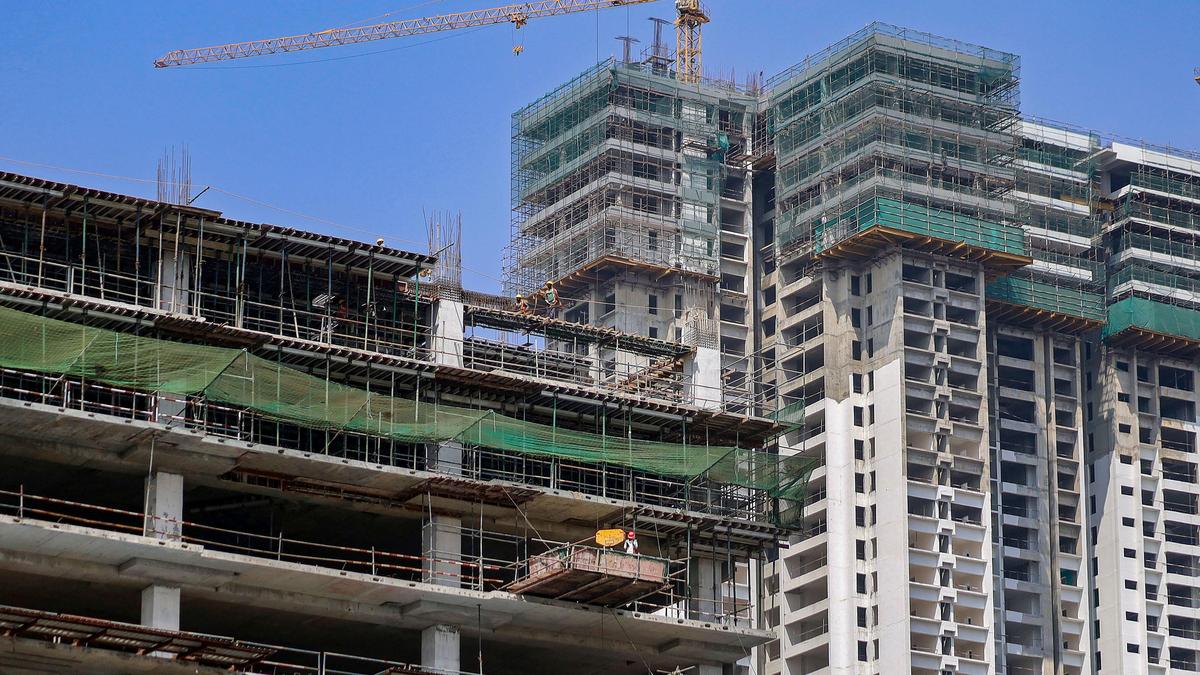
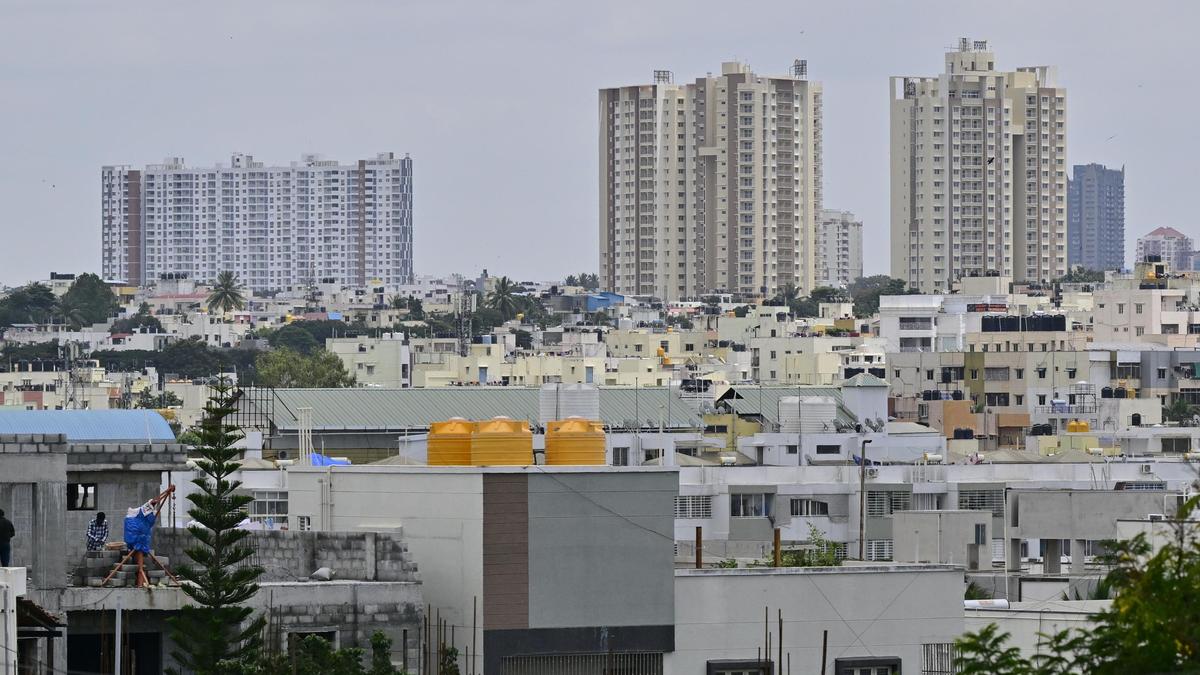
The Karnataka government has proposed raising the height threshold for high-rise buildings in Bengaluru from 15 metres to 21 metres, a move that will change how buildings are classified under the city’s planning regulations. The proposal forms part of a wider set of amendments to the zoning regulations of the Revised Master Plan-2015.Further, the amendments propose permitting high-rise buildings on roads having a minimum width of 12 metres and above and the floor height of buildings to 4.5 metres, up from the earlier limit of 3.5 metres. To accommodate this change, the Urban Development Department (UDD) has also increased the height threshold for high-rise buildings to 21 metres from 15 metres in the Greater Bengaluru Authority (GBA) area, sources said. K.R. Ramesh, a property consultant and a developer, explained that builders and individual property owners can now construct floors with greater heights without the fear of exceeding high-rise limits. “Higher floors mean much more space for ventilation and also work well in preventing heat buildup inside houses,” he said. Greater densificationV. Ravichandar, a member of the Brand Bengaluru Committee, said the proposed revision appears to signal the government’s intent to encourage “greater densification” in Bengaluru, particularly along mass transit corridors such as the metro, where higher population density can improve public transport usage and viability.“If the limit for the definition of a high-rise goes higher, it allows more people to construct taller buildings without falling under the current high-rise category,” he said, adding that the move could facilitate denser development within the city. Mr. Ravichandar pointed out that Bengaluru’s growth has traditionally been marked by urban sprawl, with development spread across a vast area through layouts and relatively low-rise structures, he said, arguing that encouraging denser development could help the city make better use of land and infrastructure.He said the benefits would be particularly visible along the metro corridors. “These are high-density corridors that can carry large numbers of people. If more people live along these corridors, the metro becomes more effective and operationally viable,” he said. Higher residential density around stations would also mean more people can walk to public transport instead of depending on private vehicles. Safety oversightAnother expert, however, argued that reducing the number of buildings classified as high-rises could weaken safety oversight as high-rise buildings are subject to more stringent norms relating to fire safety, emergency evacuation and structural requirements.Notably, the Karnataka Fire Force (Amendment) Act, 2023, already defines a “high-rise” building as one measuring 21 metres or more in height and mandates a No Objection Certification from the Fire and Emergency Services Department for such structures. Published - June 05, 2026 08:52 pm IST