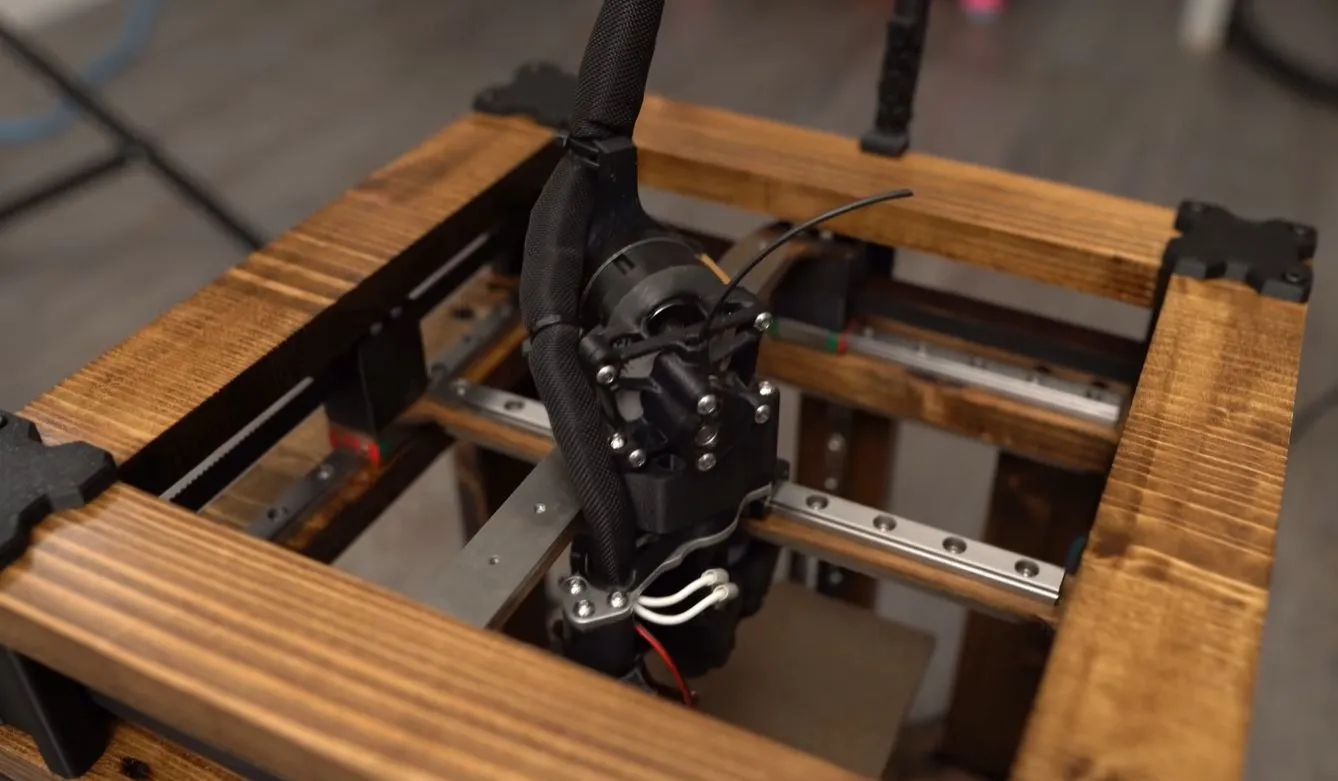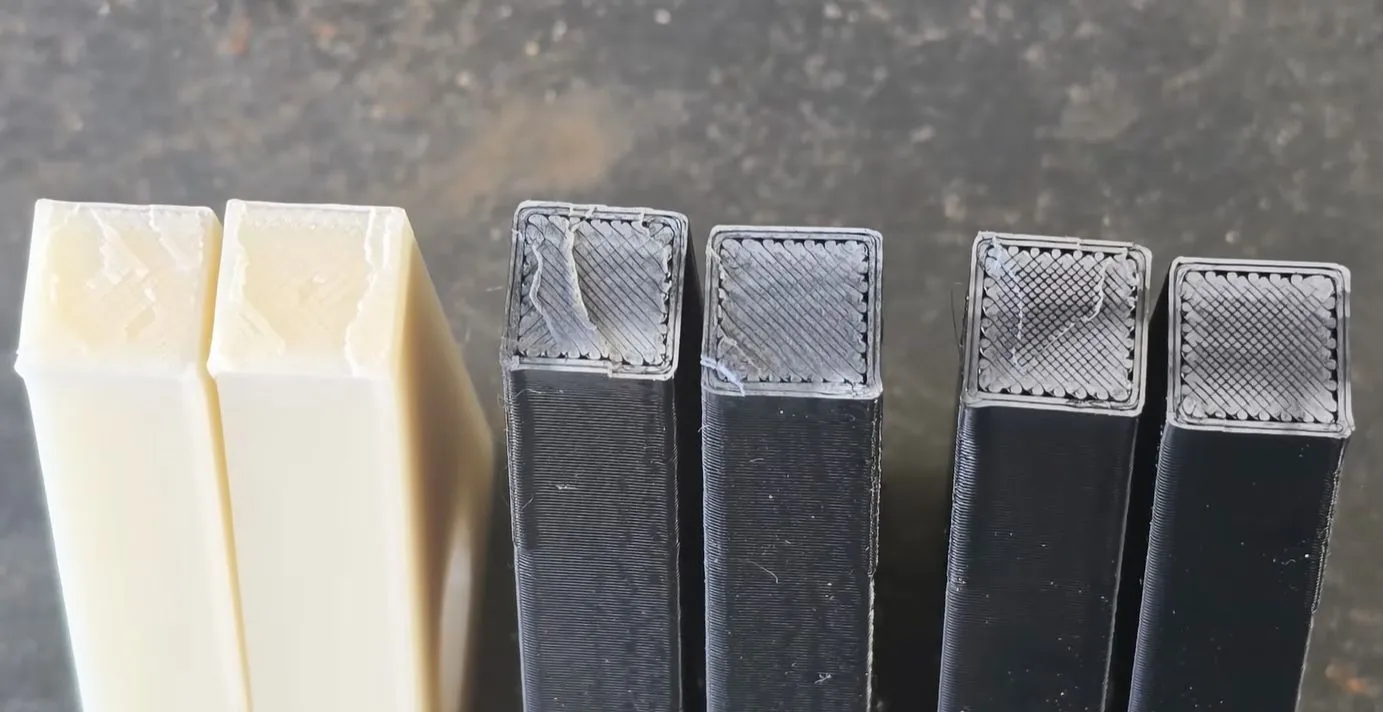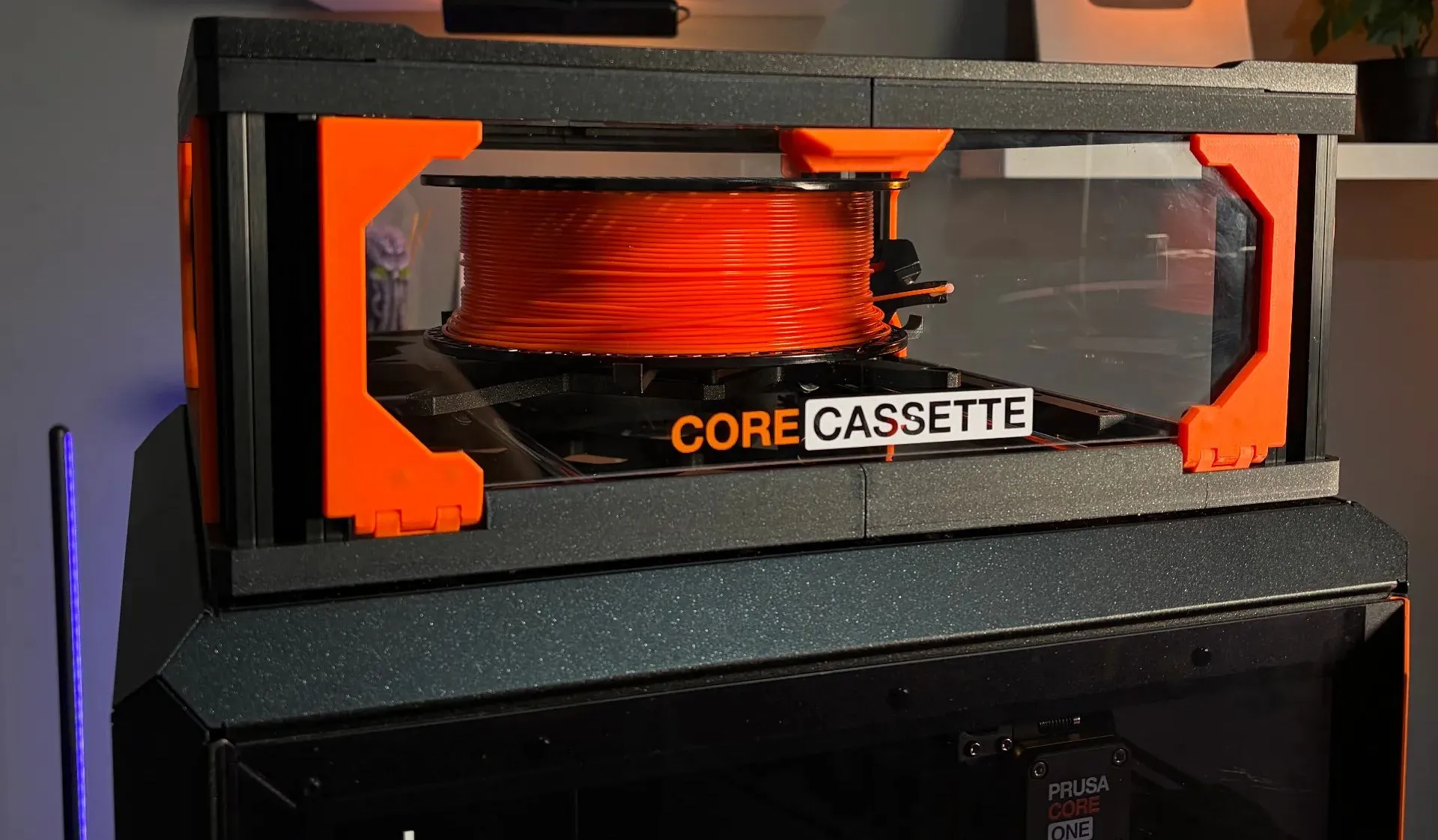
For years, Fused Deposition Modeling (FDM)—also known as Fused Filament Fabrication (FFF)—was primarily viewed as a tool for rapid prototyping. Engineers used it to verify form and fit, but rarely for functional, load-bearing, or structural end-use parts. The mechanical limitations of standard thermoplastics like PLA and ABS, combined with the inherent anisotropy of layer-by-layer extrusion, kept FDM out of high-stress industrial applications.
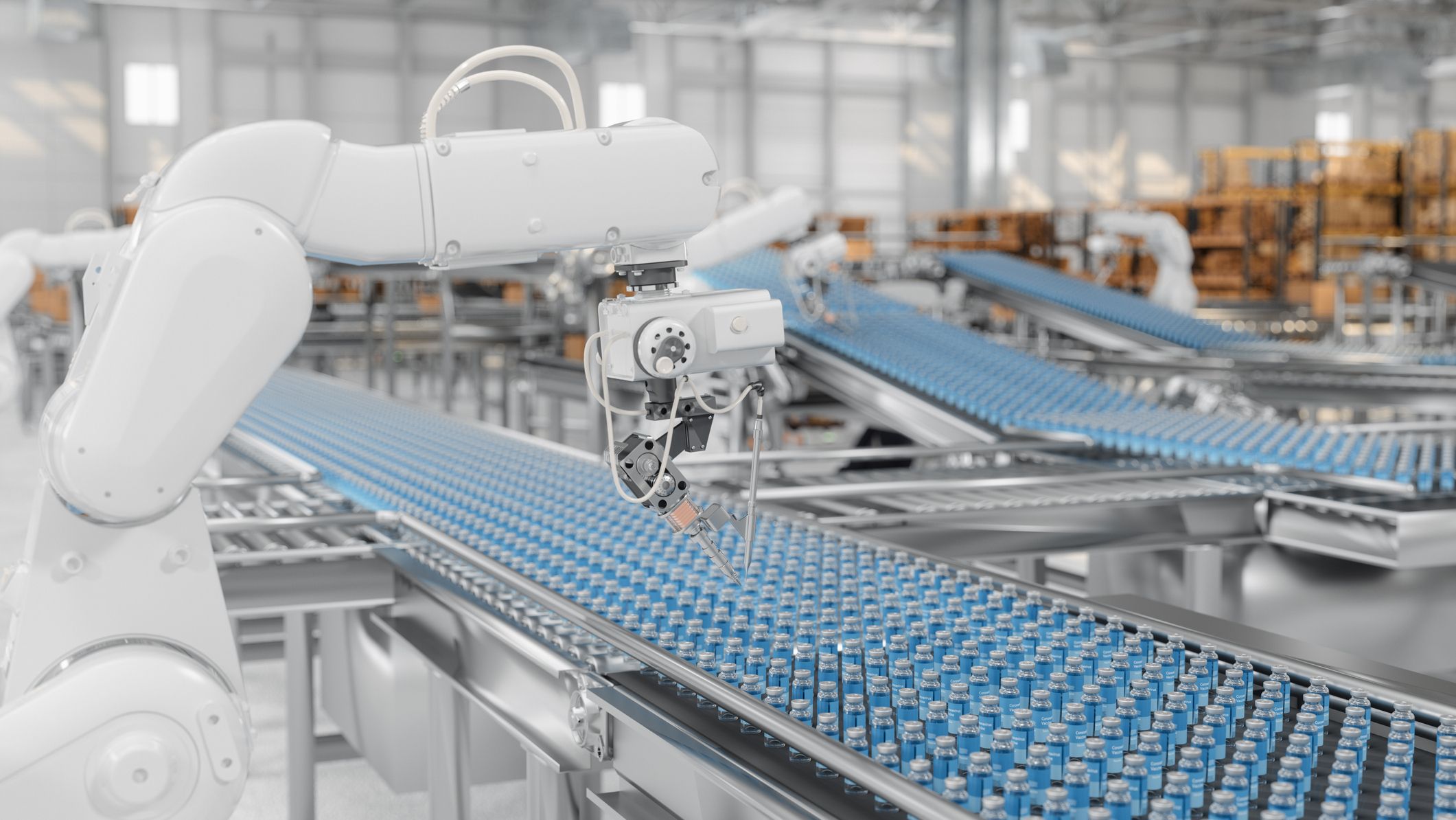
However, the landscape of additive manufacturing has shifted. Driven by breakthroughs in material science, thermal management, and hardware design, FDM filaments have evolved. Today, FDM is increasingly deployed on the factory floor, in aerospace ducts, and in custom automotive assemblies to produce genuine structural components.
Here is a technical look at how FDM filaments and processes have evolved to make structural 3D printing a reality.
1. The Rise of High-Performance Polymers (HPPs)
To replace machined aluminum or cast polymers, 3D-printed parts must withstand extreme mechanical, thermal, and chemical environments. The adoption of High-Performance Polymers (HPPs) in filament form has been a major catalyst for this transition.