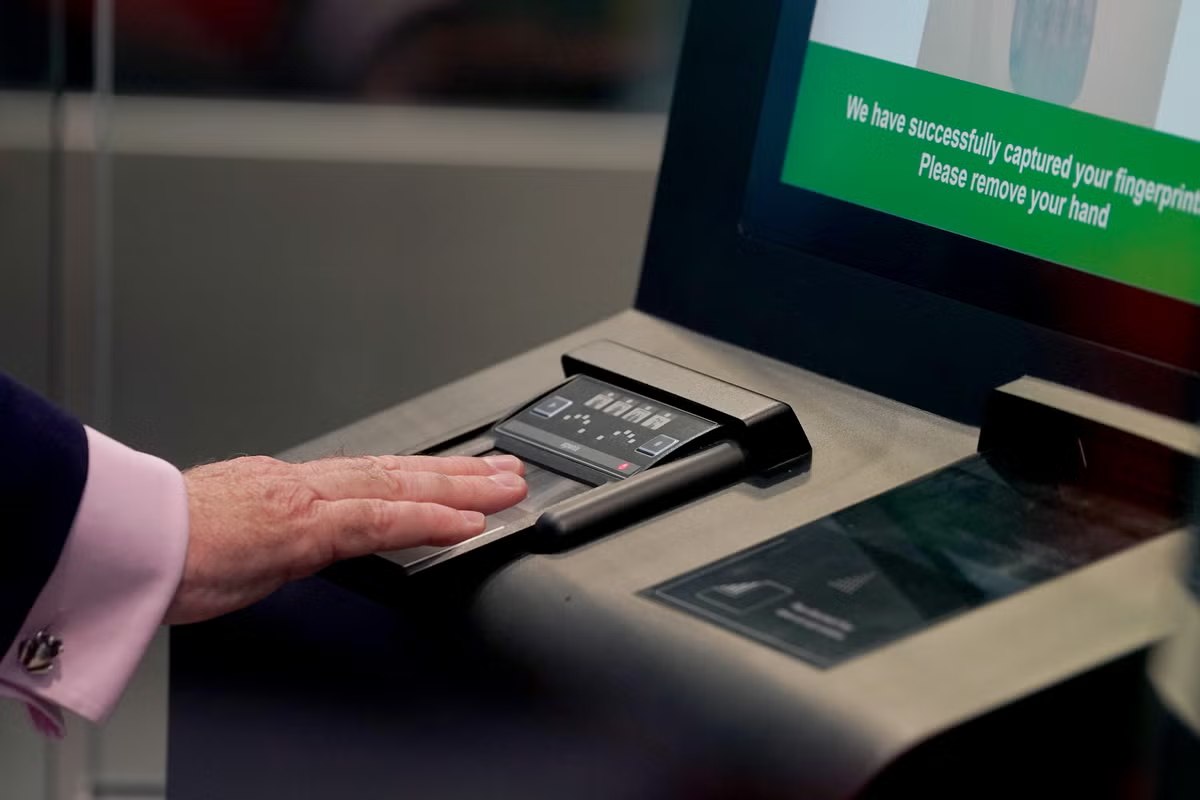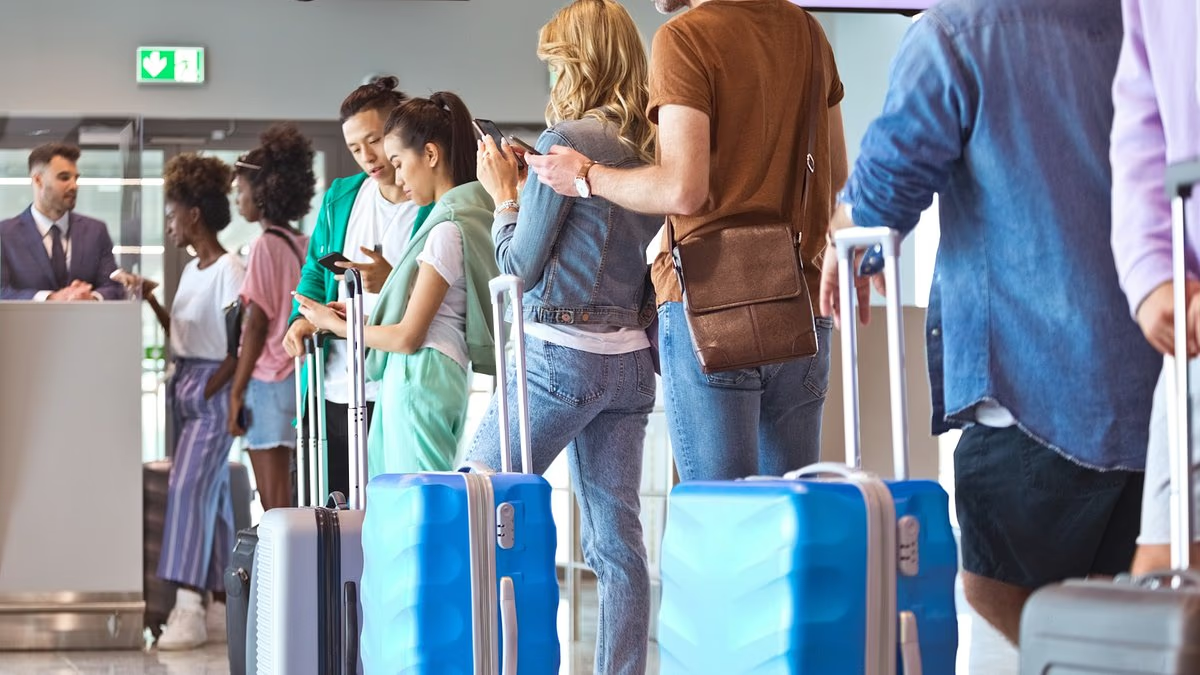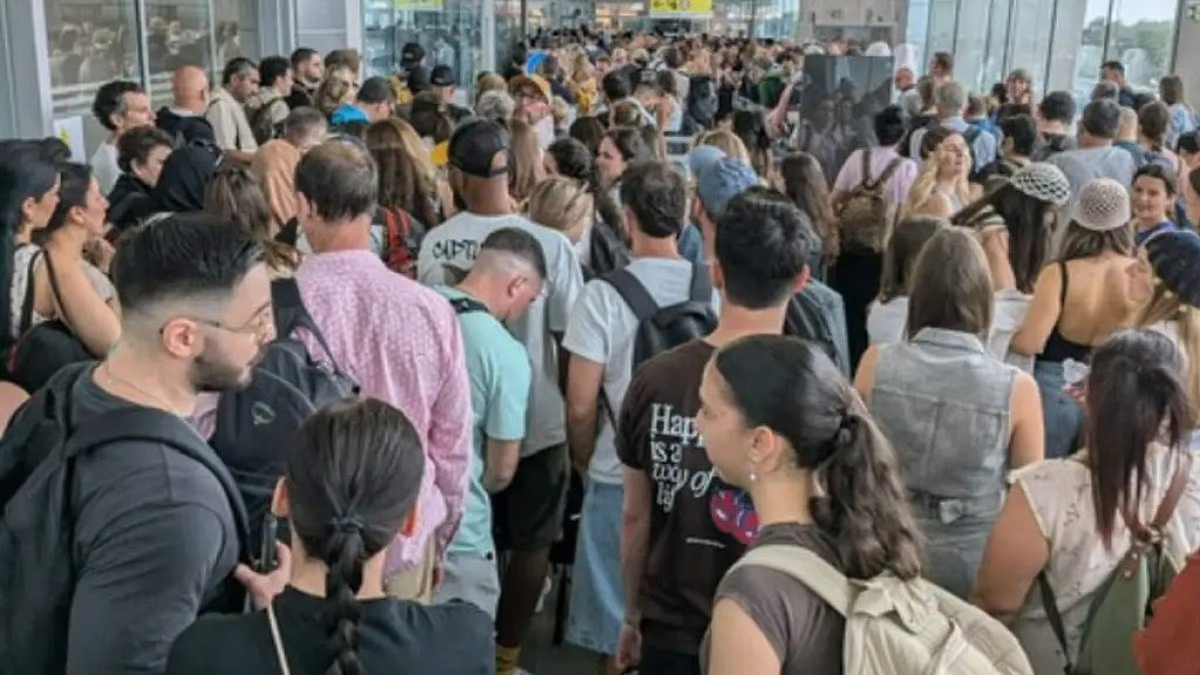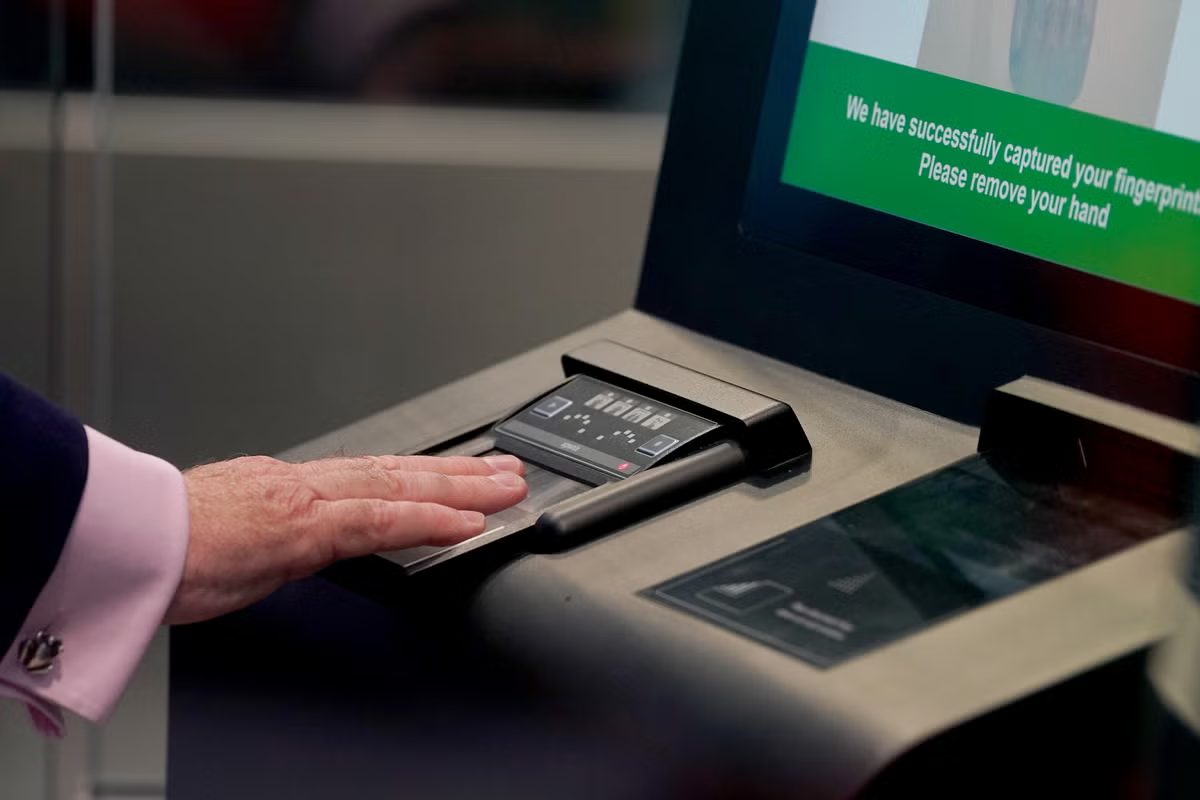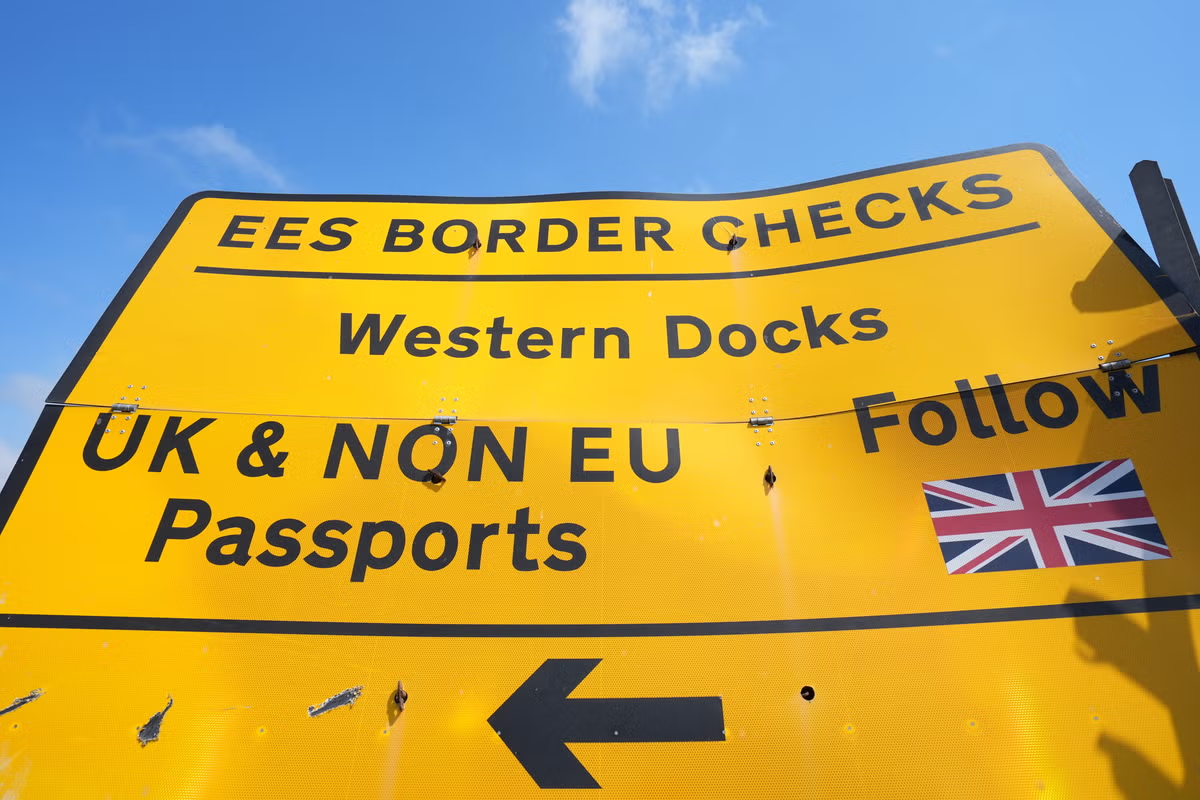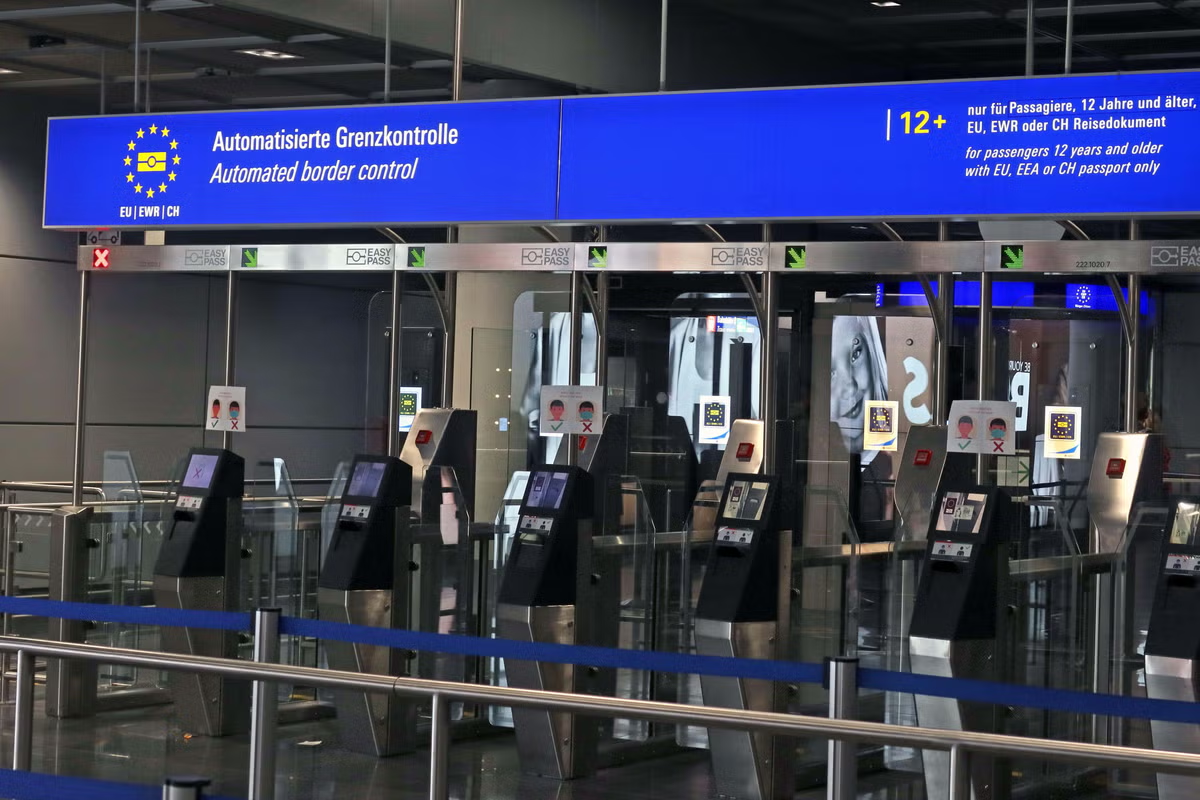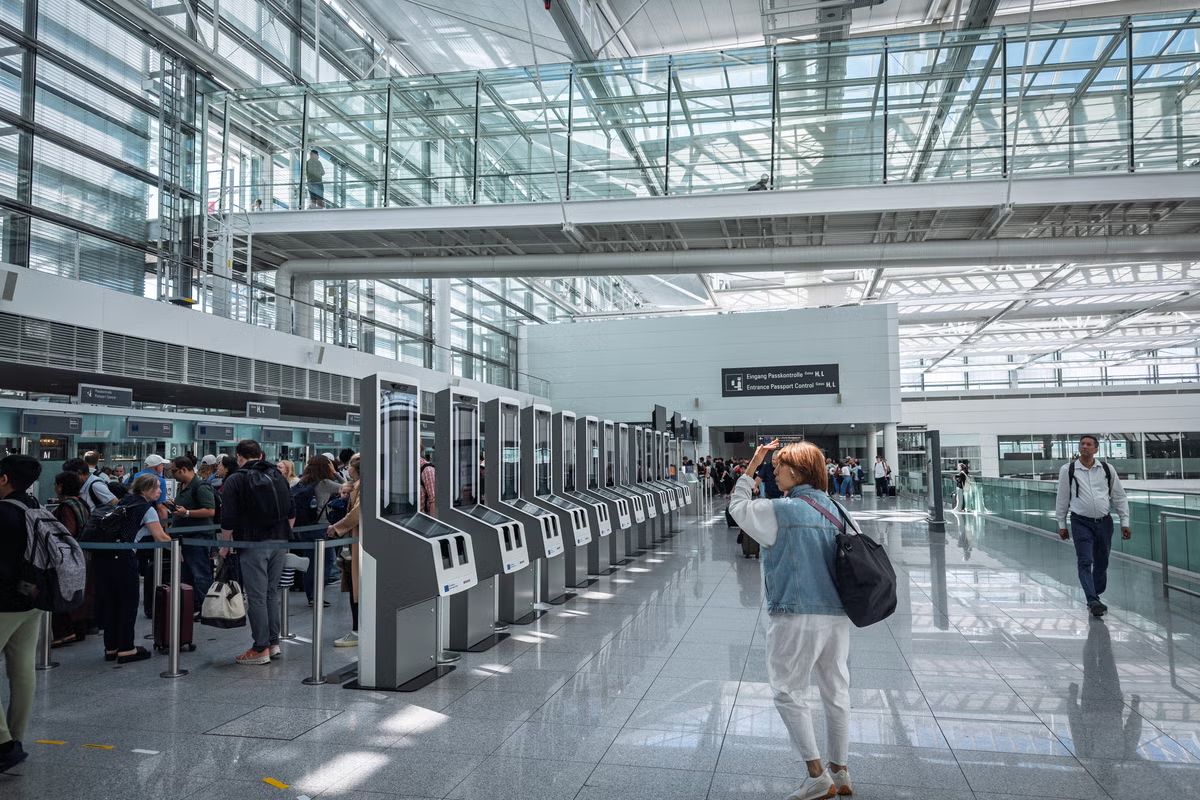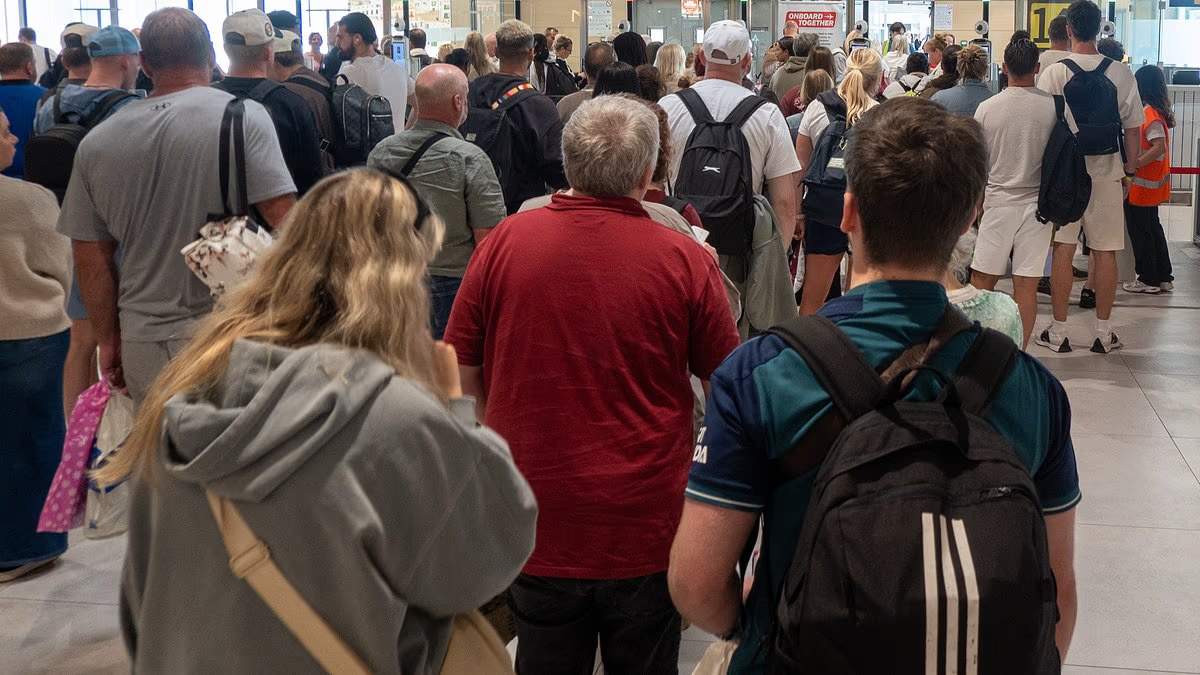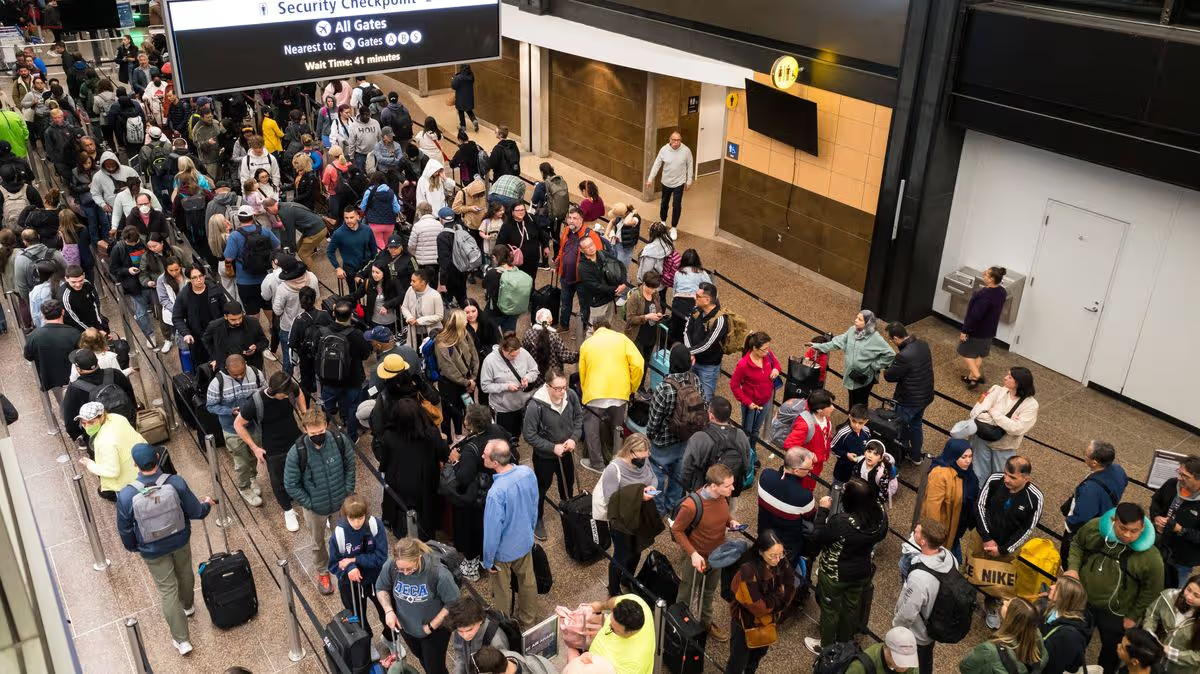
British tourists should expect long airport queues due to new biometric border checks15:29, 05 Jun 2026Updated 15:30, 05 Jun 2026European airports have recently launched the EU Entry/Exit System (EES), which replaces the traditional manual passport stamping process with biometric registration (facial image and fingerprint scanning) to record the entry of non-EU citizens, including British holidaymakers. The new EES system is now fully up and running across all Schengen Area countries, including much-loved destinations such as Spain, Portugal and Greece.While the new system is designed to streamline travel into and out of the Schengen Area and simplify border procedures, some travellers have reported finding themselves stuck in three-hour queues.In certain countries, passengers have missed their return flights after failing to clear the digital system in time. The new border checks are anticipated to cause significant disruption for British travellers heading in and out of the EU during the busy summer peak periods.While some countries such as Greece attempted to briefly suspend biometric checks for UK tourists, the Greek Foreign Ministry confirmed they are fully rolling out the EES system this summer.The Foreign, Commonwealth & Development Office (FCDO) issued the latest travel guidance on the new border checks, stating: "The European Union's (EU) new Entry/Exit System (EES) is now being implemented across the Schengen area."This means that when you travel into the Schengen area for short stays, you may need to register your biometric details, such as fingerprints and a photo. There is no cost for EES registration."On your first visit into a Schengen country, you may be asked to register your details at a special booth before proceeding to the immigration desk. Follow directions from your travel operator or the staff at your port of entry.You may also need to provide either your fingerprint or photo when you leave the Schengen area.Children aged 11 or younger will not have their fingerprints scanned but can be required to have their photo taken.""You do not need to take any action before you arrive at the border on entry to the Schengen area, but EES may take each passenger extra time to complete so be prepared to wait longer than usual at the border and to allow more time for immigration controls when you depart the Schengen area."EES is replacing the previous system of manually stamping passports when visitors arrive in the Schengen area for short stays. You may be asked to input biometric details every time you enter or exit."Article continues belowThe EES has faced backlash from the travel sector, with the British Travel Association ABTA urging destinations and border officials to put in place stronger contingency plans for busy travel periods, reports the Express.Mark Tanzer, chief executive of ABTA, said: "The ambition of a project like EES means it was never going to go completely smoothly, and we were prepared for that. However, what is frustrating is that border authorities have it within their power to ease queues and deal with issues as they arise - but that doesn't seem to be happening across the board."As we head towards peak travel periods, we're urging border authorities to plan for busy periods and use the contingency measure available. It's critical the Commission keeps a close eye on this."
Holiday warning for Britons heading to Spain, Portugal or Greece
British tourists should expect long airport queues due to new biometric border checks
535 words~2 min read