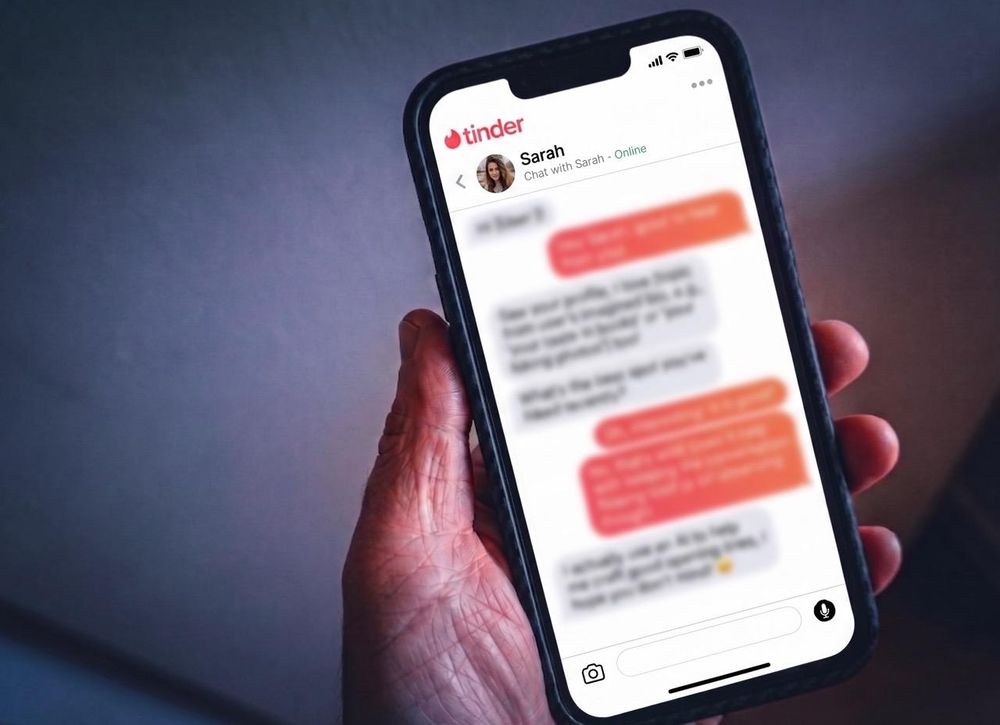
Jackie Jantos, boss of dating app Hinge, said daters “absolutely want love” but were “struggling to have the confidence to put themselves out there”15:12, 05 Jun 2026Single 20-somethings are using AI to help break the ice on dating apps because they lack the confidence to make the first move, it has been claimed.Jackie Jantos, boss of dating app Hinge, said daters “absolutely want love” but were “struggling to have the confidence to put themselves out there”. She said the app’s AI feature which creates prompts to start conversations was “not about writing words for you” but “helping you express who you are”.Hinge has continued to grow its UK users despite some relationship experts warning of “dating app burnout” and a return to more organic in person meetings.Founded in 2012 and owned by Match Group, which also owns Tinder and Match.com, it has built its brand around the slogan “designed to be deleted”. Jackie dismissed accusations that this is “just a marketing line”, saying it wants to help users find long-term relationships rather than stay on the platform indefinitely.Tinder is the most visited dating app, but over the past three years usage has been dropping and it’s now only slightly ahead of Hinge. Bumble and Grindr follow Hinge in the most used dating services. Some 1.5 million adults used Hinge in the year up to May 2025, up from 1.4 million a year earlier. Over the same period, Tinder's audience fell from 1.9 million to 1.5 million, according to Ipsos iris data.Hinge is free to download, but to unlock premium tiers costs £24.99 for a month, or £74.99 for six. Their website states: “We believe you should be able to easily understand how we use AI and how it improves your dating experience.“Overall, we use AI in service of helping you intentionally date. Currently, Hinge uses AI to create a personalized experience and make informed predictions about who might be a good match for you.“Our technology suggests people based on the preferences each dater sets in the app (such as age, distance, family plans and more), who you are likely to like, and who is likely to like you back – all based on your previous interactions and the information you provide us.“As our app learns more about you, it will continually adjust the predictions. Additionally, we offer optional AI-enabled features to help you improve your profile.”Examples of prompts it gives to start conversations are simple questions such as ‘what’s the best local coffee shop’ or ‘you can help me decide which movie to watch’. Speaking to the BBC's Big Boss interview podcast, Jantos says Gen Z - who account for more than half of Hinge's monthly active users - were spending around 1,000 fewer hours a year in person with other people than those of the same age group two decades ago.This equates to more than two hours per day “spent not in the company of another human, but most likely going deep in some sort of experience engaged in your phone”. She adds: “This prevents people from having the experience of being around others and that is quite a lonely experience” adding almost half of Gen Z people in the UK now feel lonely “often or always”.She says the Covid pandemic meant many young adults missed out on formative years of social interaction: “Those years when you're sort of experimenting with how you show up in person with another person, how you flirt, how you think about intimacy, that was interrupted for many people.”Hinge has an AI tool which users can ask to review their profile and suggest ways to make it more engaging. Another feature offers AI-generated prompts to help users start conversations.Article continues belowBut Jackie rejected suggestions that the tools are encouraging people to outsource dating to AI, arguing they are designed to boost confidence rather than replace authentic interactions.
Singles in their 20s 'need AI to break ice on dating apps' due to one trait
Jackie Jantos, boss of dating app Hinge, said daters “absolutely want love” but were “struggling to have the confidence to put themselves out there”
643 words~3 min read