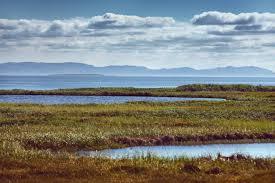
Our wetlands, grasslands, rivers and the wildlife that hold them together are not a luxury to be funded once the urgent problems are solved. They are part of how we solve the urgent problems
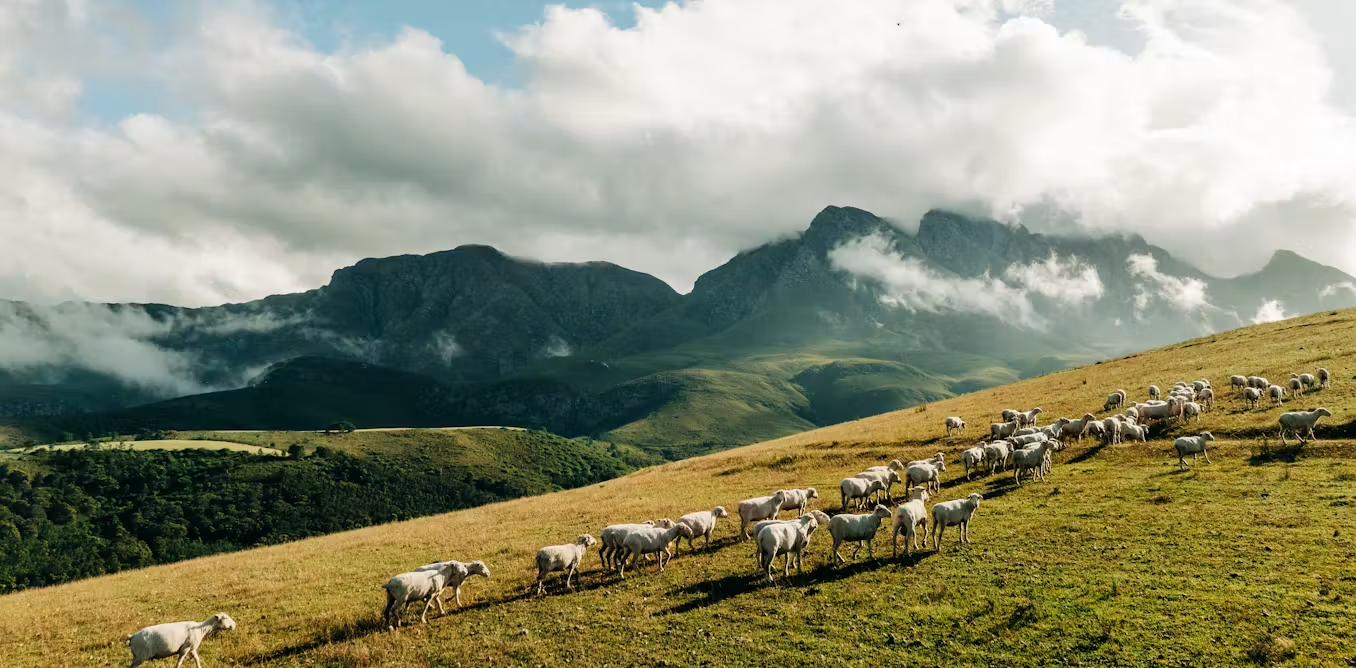
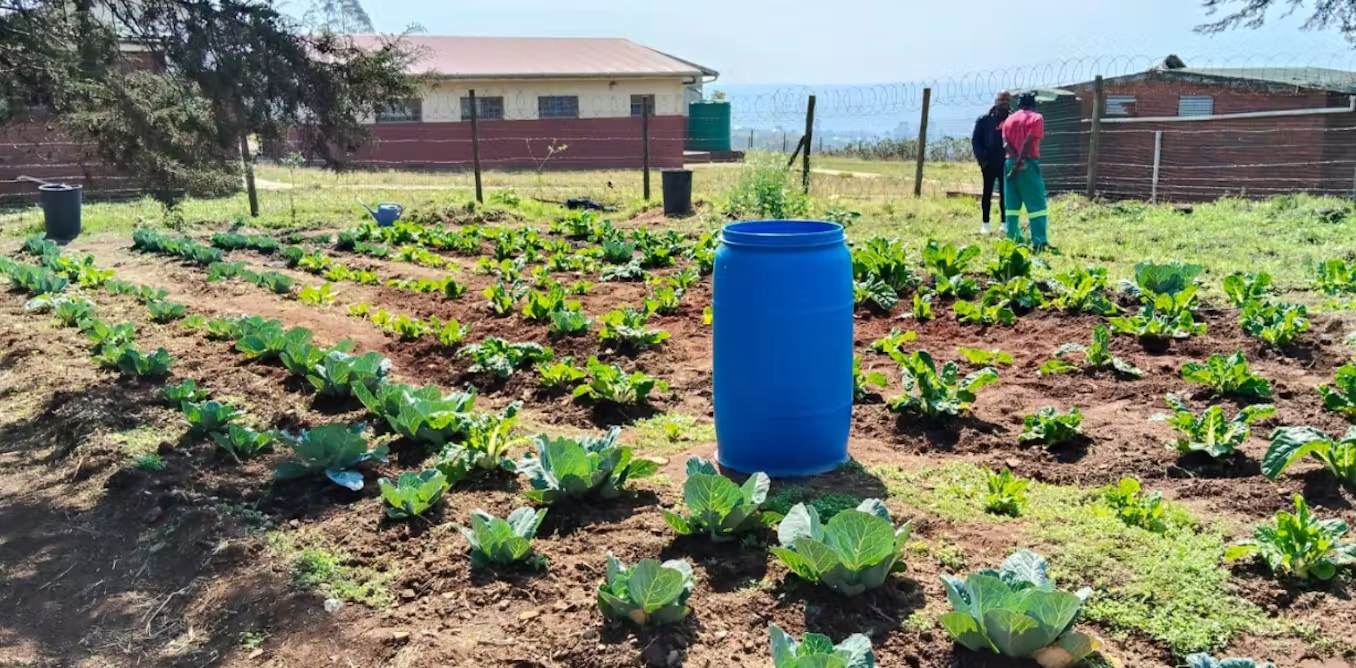
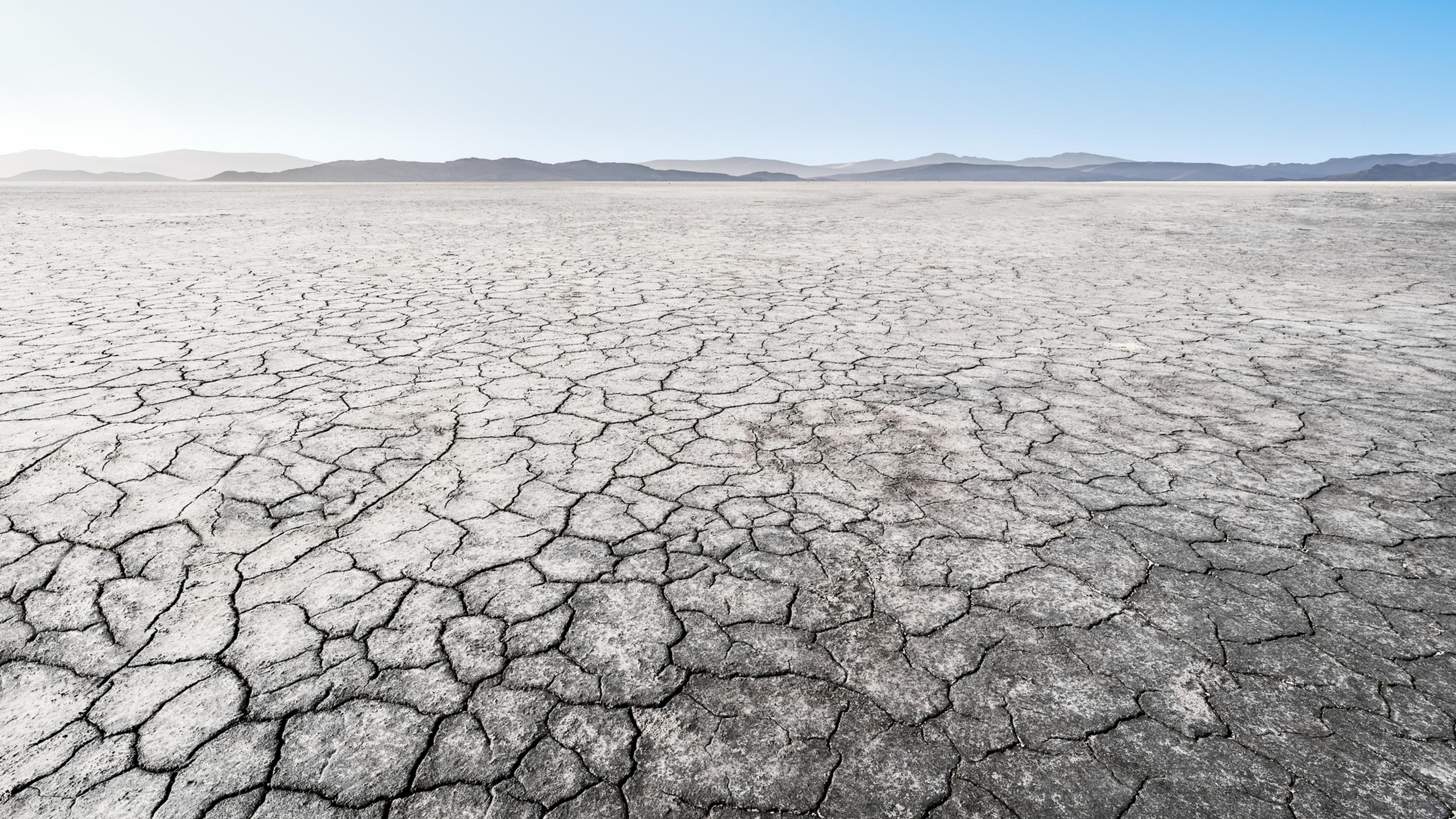
I have spent enough years on degraded grazing land and beside shrinking wetlands to recognise a pattern in how we talk about climate change in South Africa. The conversation tends to arrive late and be pitched high. We debate 2050 emission targets and global temperature thresholds while a farmer in the eastern Free State watches a wetland that once held water deep into winter dry out by August. Both conversations matter. Only one of them is deciding whether people have water to drink next year.
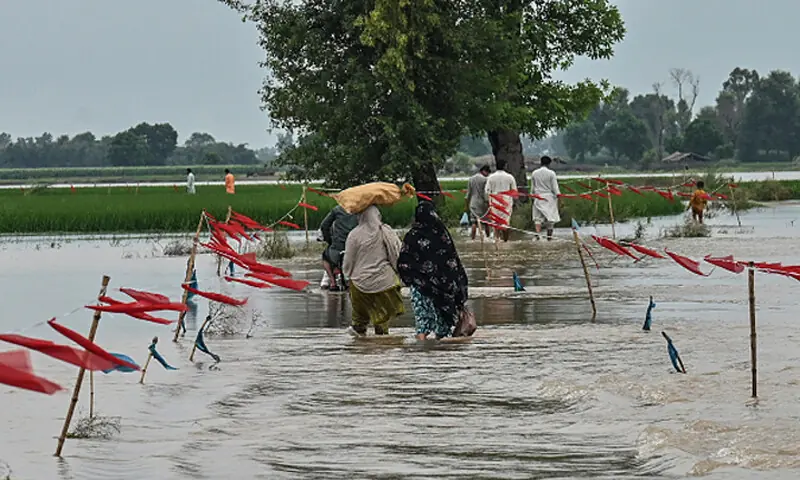
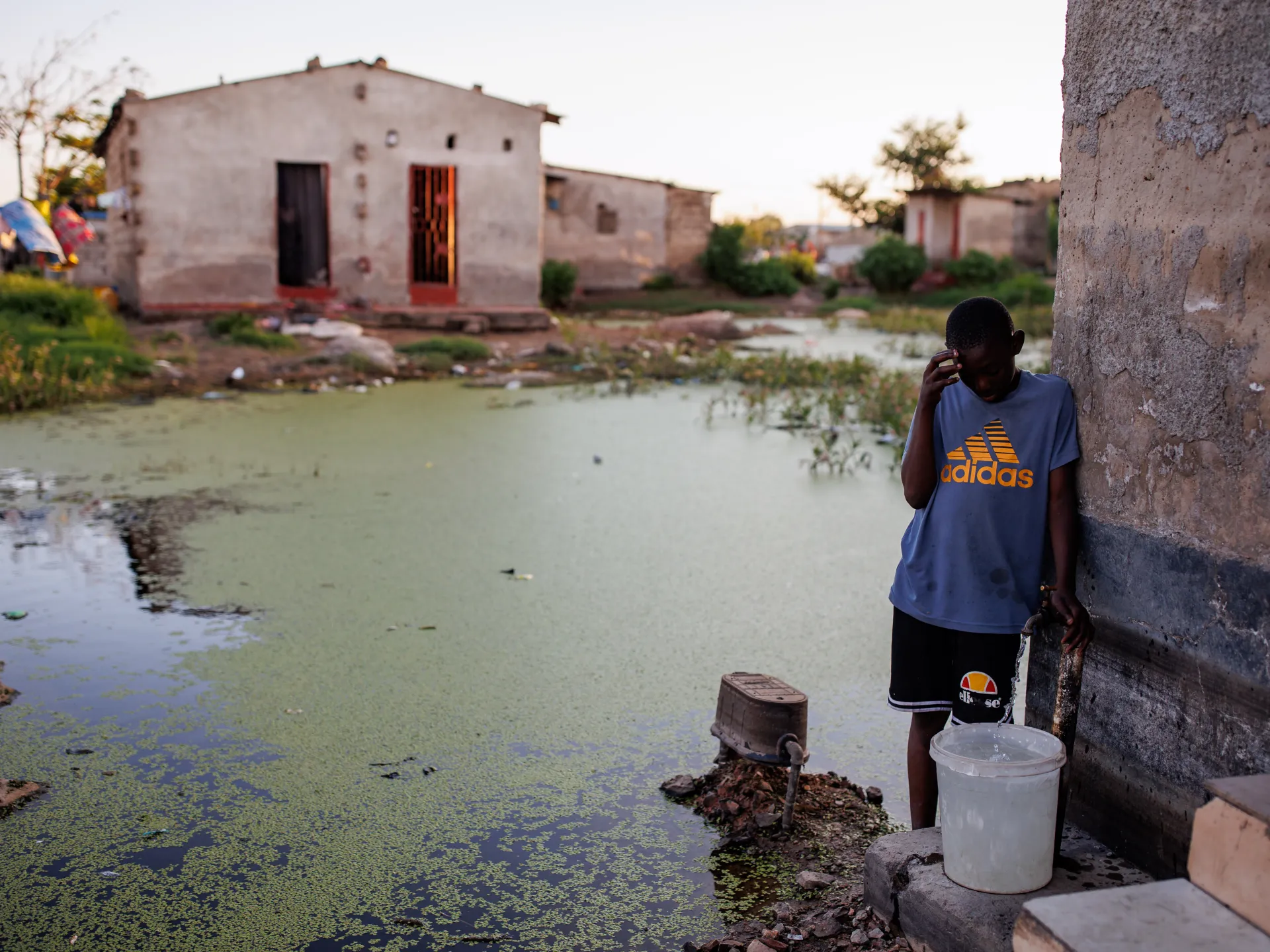
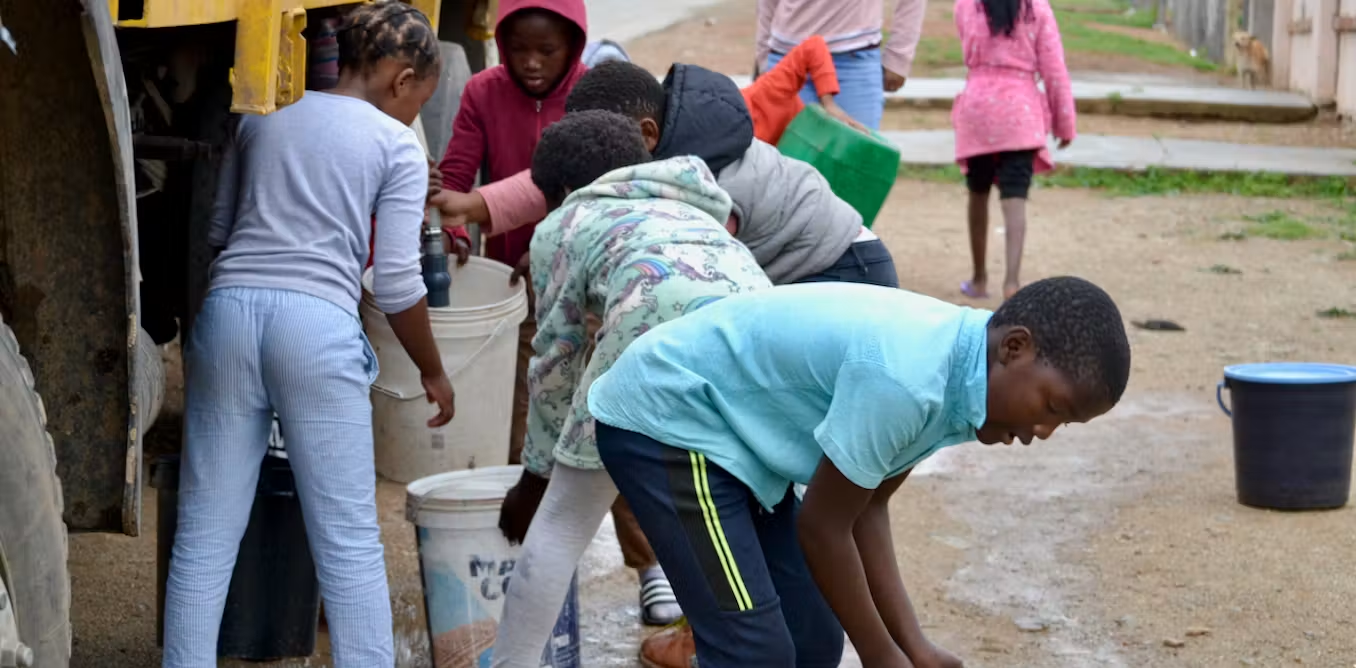
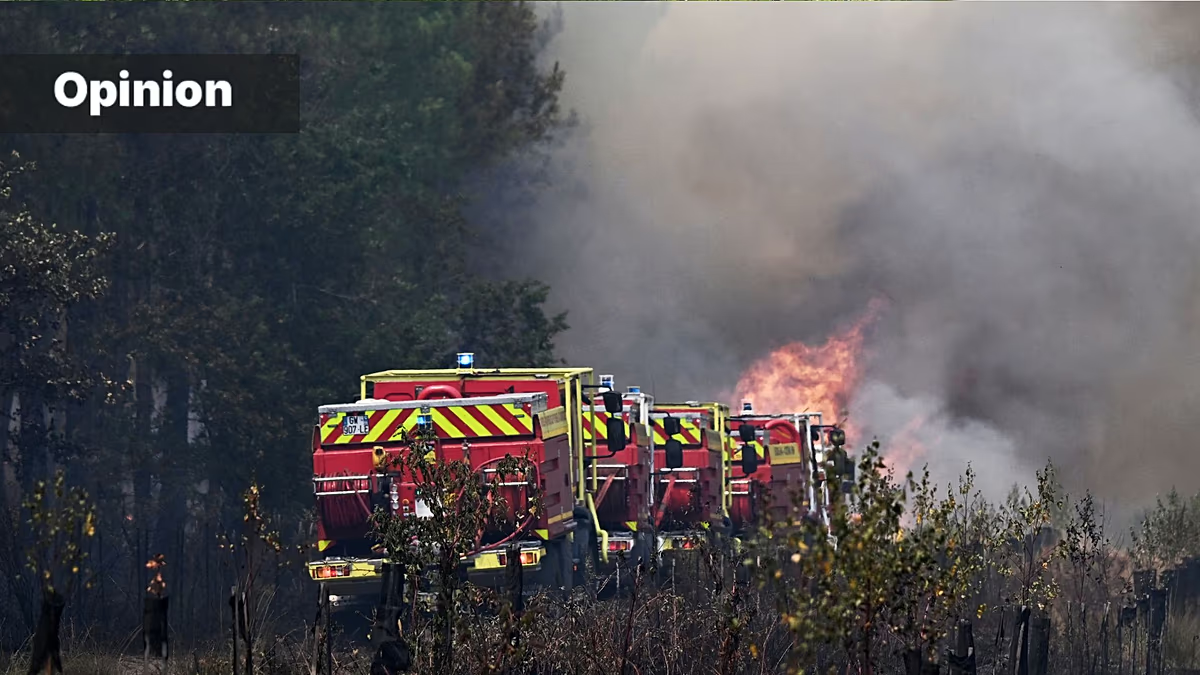
Climate change is not a forecast in this country. It is a condition we are living through. Cape Town came within weeks of shutting off its municipal supply. Towns across the Eastern Cape have rationed water for years at a stretch. In 2022, the floods in KwaZulu-Natal killed more than 400 people and destroyed homes, roads and water systems in a single night. Rainfall is becoming less predictable, heat more punishing and the gap between a good season and a ruinous one narrower. Farmers feel it first. So do the rural households whose food, income and water depend on the land around them.