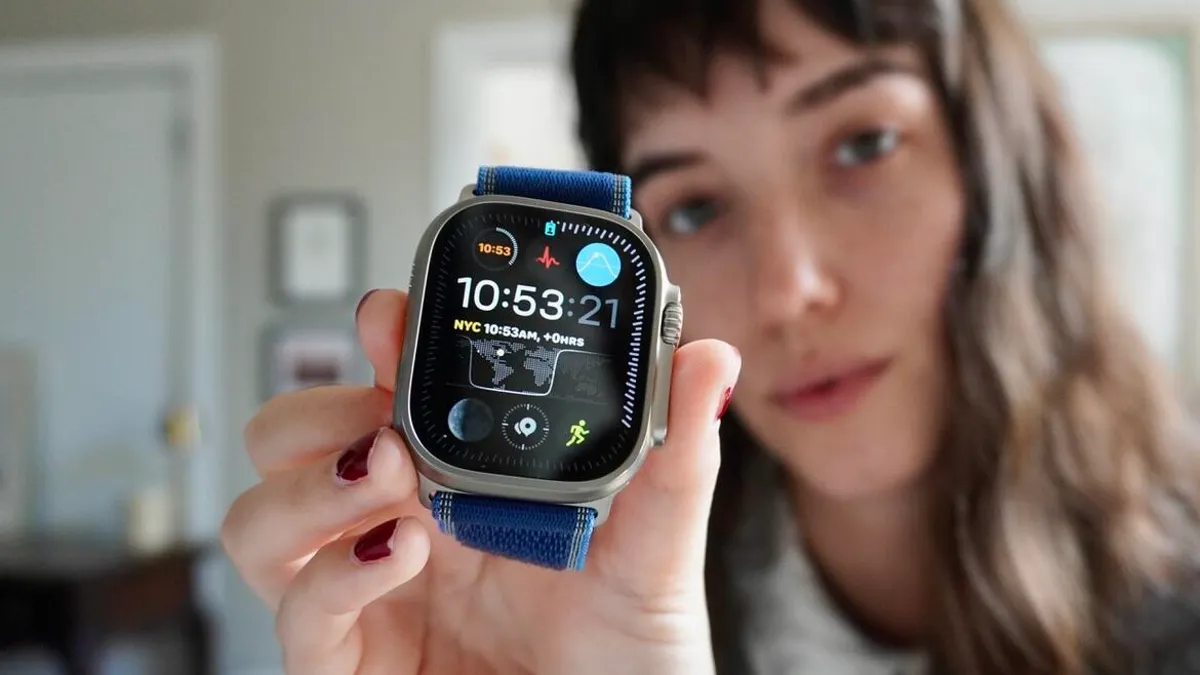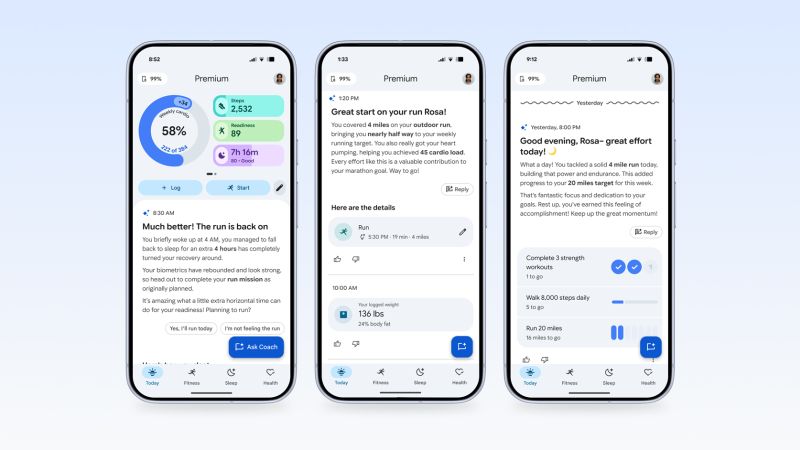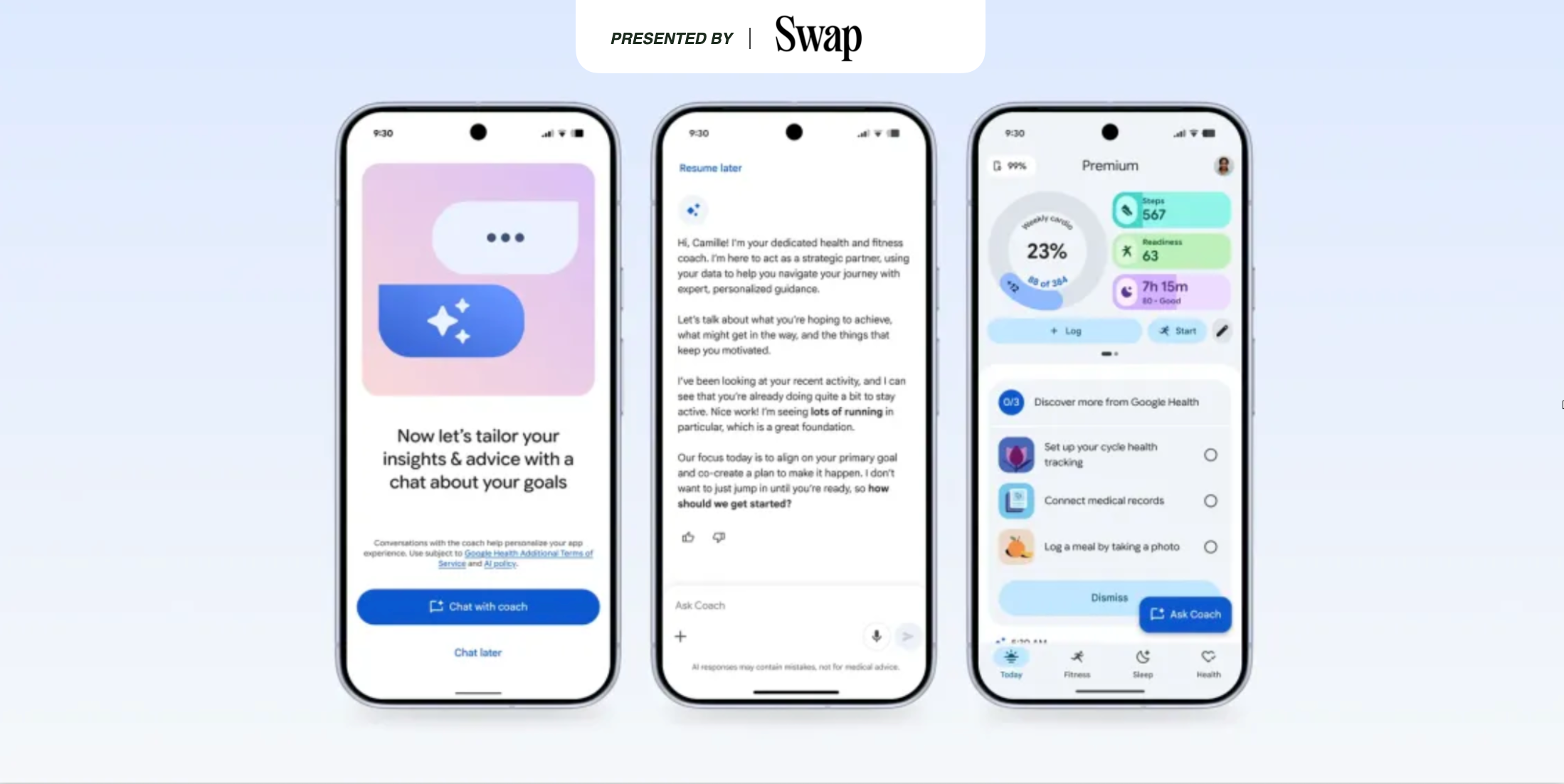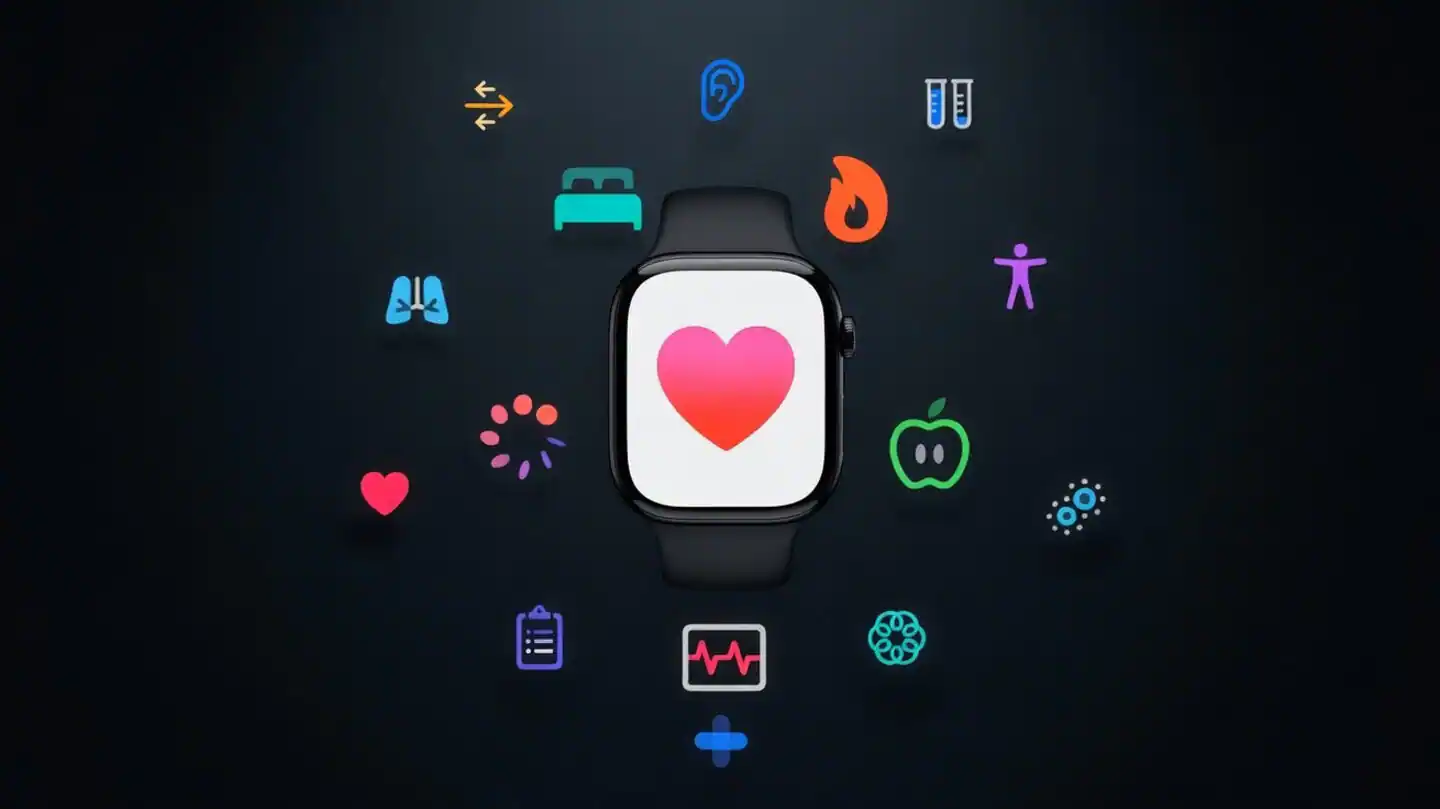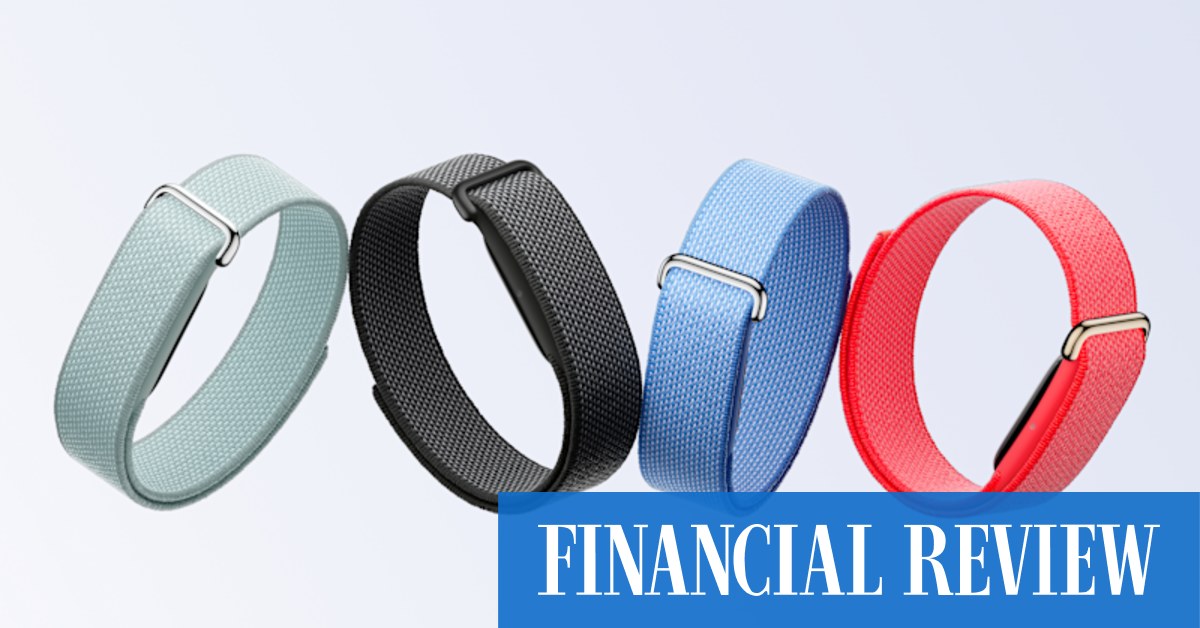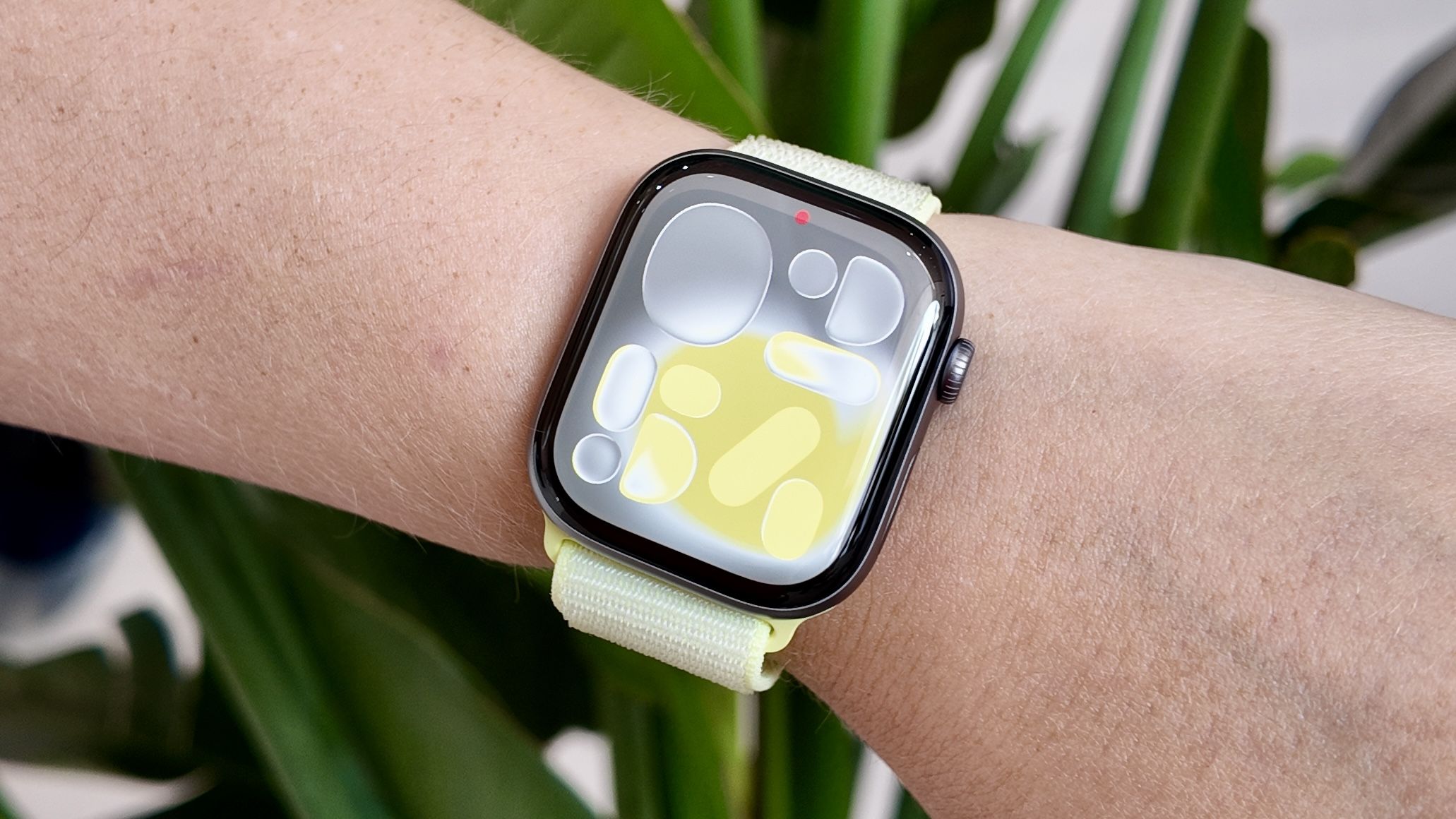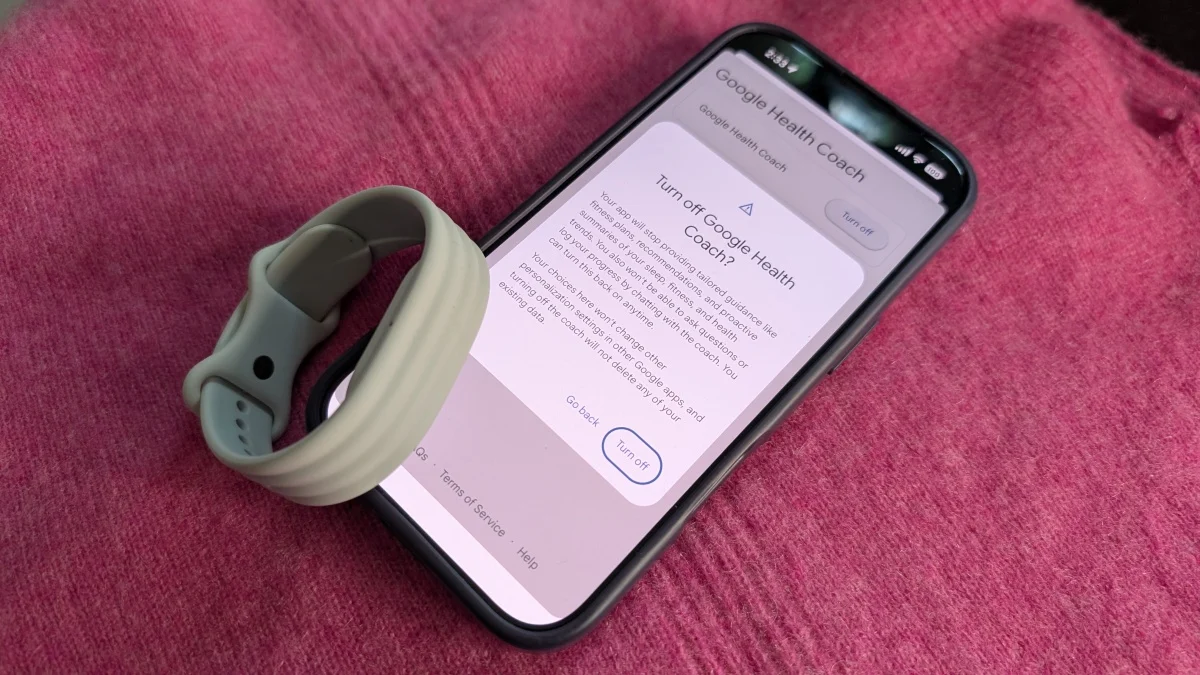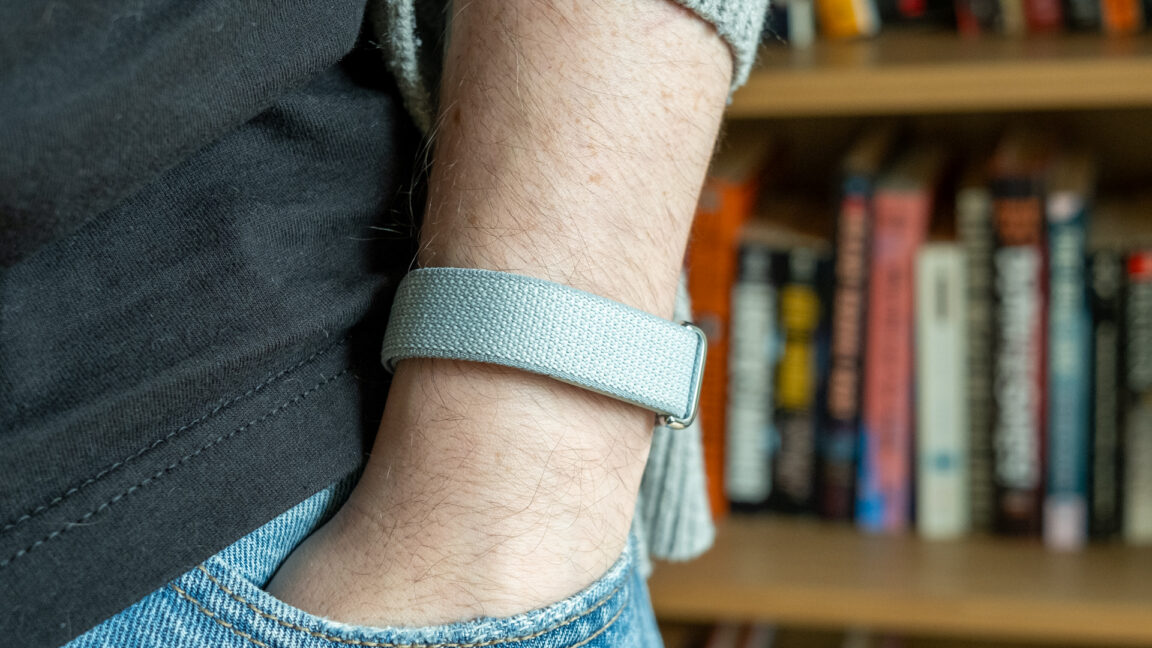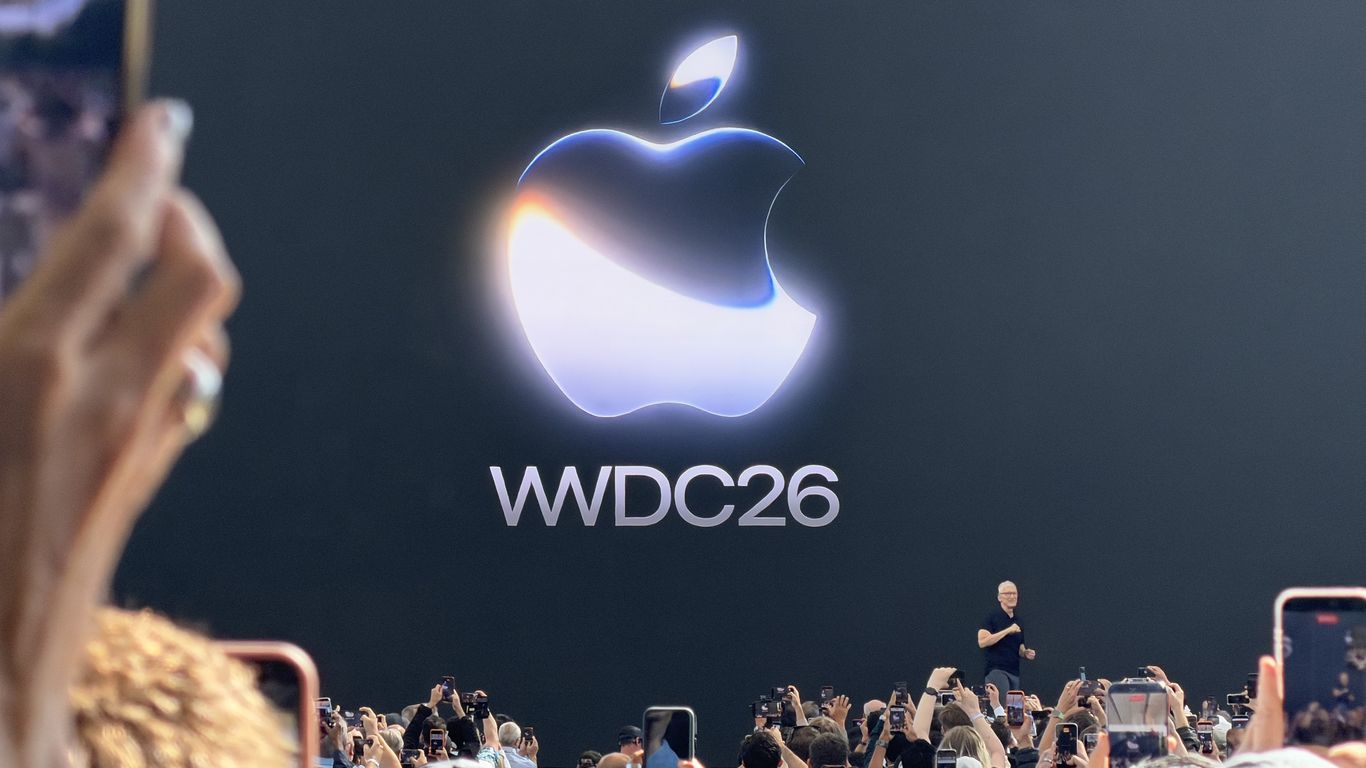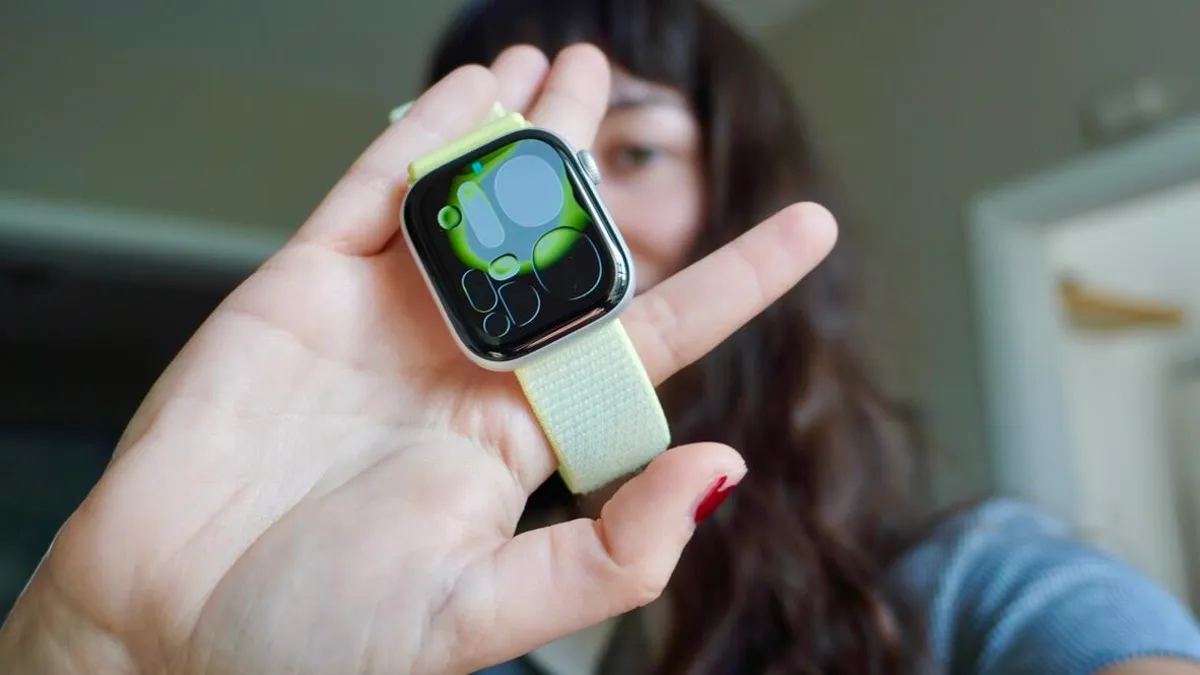
Nina Raemont/ZDNETFollow ZDNET: Add us as a preferred source on Google. ZDNET's key takeawaysApple's developer conference kicks off Monday. Apple is lagging behind in the AI race. Its partnership with Google could supercharge its health suite. I have been wearing Google's screenless Fitbit Air for a few weeks now, and while comparisons to its luxury counterpart, the Whoop, abound, testing Google's health tracker put my mind on its biggest rival, Apple, instead. While I'd be happy to see Apple ship a screenless health tracker of its own, what I'd much rather see is a substantial upgrade to its own health suite -- and that starts with software. Also: Whoop vs. Fitbit Air: I've tested both trackers for health and fitness, and this model winsApple's Worldwide Developers Conference kicks off Monday, and the software unveiled there will ship on Apple's next-gen products. It might not seem like it, but WWDC could mark a turning point for the tech giant, with its rumored Siri revamp at the center of it all. Here's why. Gemini will power the next SiriGoogle's Gemini will power the next generation of Siri, the two companies announced earlier this year. Companies use each other's software all the time -- but Apple is no average company. Steve Jobs notoriously kept Apple's hardware and software closed, with little interest in integrating his products into Android devices or bringing Google products into Apple's ecosystem. Alas, it's 2026, AI has flooded Android's hardware, and Apple has run shallow on its own. It was about time Apple made a deal. As ZDNET's health editor, I am most intrigued by the health and fitness-related possibilities to come out of Google's Siri revamp. While not perfect, my experience testing Google's AI Health Coach has sold me on health AI as a useful tool. By simply having a chatbot that hooks up to my sleep, exercise, and stress data, I can ask health-related questions that take my specific conditions into account and get personalized answers and recommendations. Also: I tracked 3,000 steps on my Apple Watch, Google Pixel, and Oura Ring - this one was most accurateWhat's more, I'm eager to see how Apple will include this software in its devices to create something that feels distinct from its competition. I'd love a new Health app (and chatbot)I'd love to see a Health app revamp, similar to what Google has done with its Fitbit, now Google Health, app. It's high time Apple takes the data it's already collecting from the Apple Watch and uses it to power new daily metrics, connect information across apps, or provide new insights. A health chatbot could be so easy to implement into the Health app, but Apple would need to configure Google's Gemini to be as private, secure, and encrypted as its own products are. This is one of the many reasons why people flock to Apple over Android devices, and it's a big challenge with this collaboration: Will Apple relinquish some of its own privacy measures to get a working AI on its products? I hope Apple will mention this when it reveals this alleged health-related AI assistant. Also: Oura Ring 5 vs. Oura Ring 4: I compared the smart rings for health tracking - and it's very closeThe health assistant could interact between apps like the Health app, Journal, and the Apple Watch Fitness app to log information without a user having to manually enter this across apps. So let's say a user logs a mood in the Journal app: The Health AI could connect that mood to physiological information across the user's Health, Sleep, or Workout apps. Building on the Sleep Score Apple unveiled in September, I'd also love Apple to integrate more data from the smartwatch into daily summaries you can check. While testing the Fitbit Air and Google Health Premium, I enjoyed getting a little summary of my daily activity, bedtime recommendations, and nudges to move more.Apple's position within the health ecosystem emphasizes privacy and science-backed solutions. I'd love to see its research-backed approach to a readiness score, stress monitoring, or a more robust wellness recommendation engine. Interactive and digestible dataApple has seemingly built its Health app with interactivity as an afterthought. This makes sense. It isn't a game or a streaming app; it's not an app people are supposed to spend more than five minutes sifting through. But the Oura and Google Health apps have proven that people indeed get more out of their health device when data is illustrated in an interactive and digestible way. Also: I wore the Oura Ring 5 for 24 hours - and it fixes my biggest issue with Ring 4Oura does this best, with tabs for daily sleep, activity, and stress scores; a short-term, aggregate tab of important biometrics; and the longitudinal health tab, which displays information like stress management, sleep health, and heart health. If Apple nails its health coach and Health app redesign, this will position the company well for whatever future wearable it's cooking up.
How Google could turn Siri into the AI health coach my Apple Watch needs
Apple's partnership with Google could supercharge its own health suite and wearable. Here's how.
830 words~4 min read