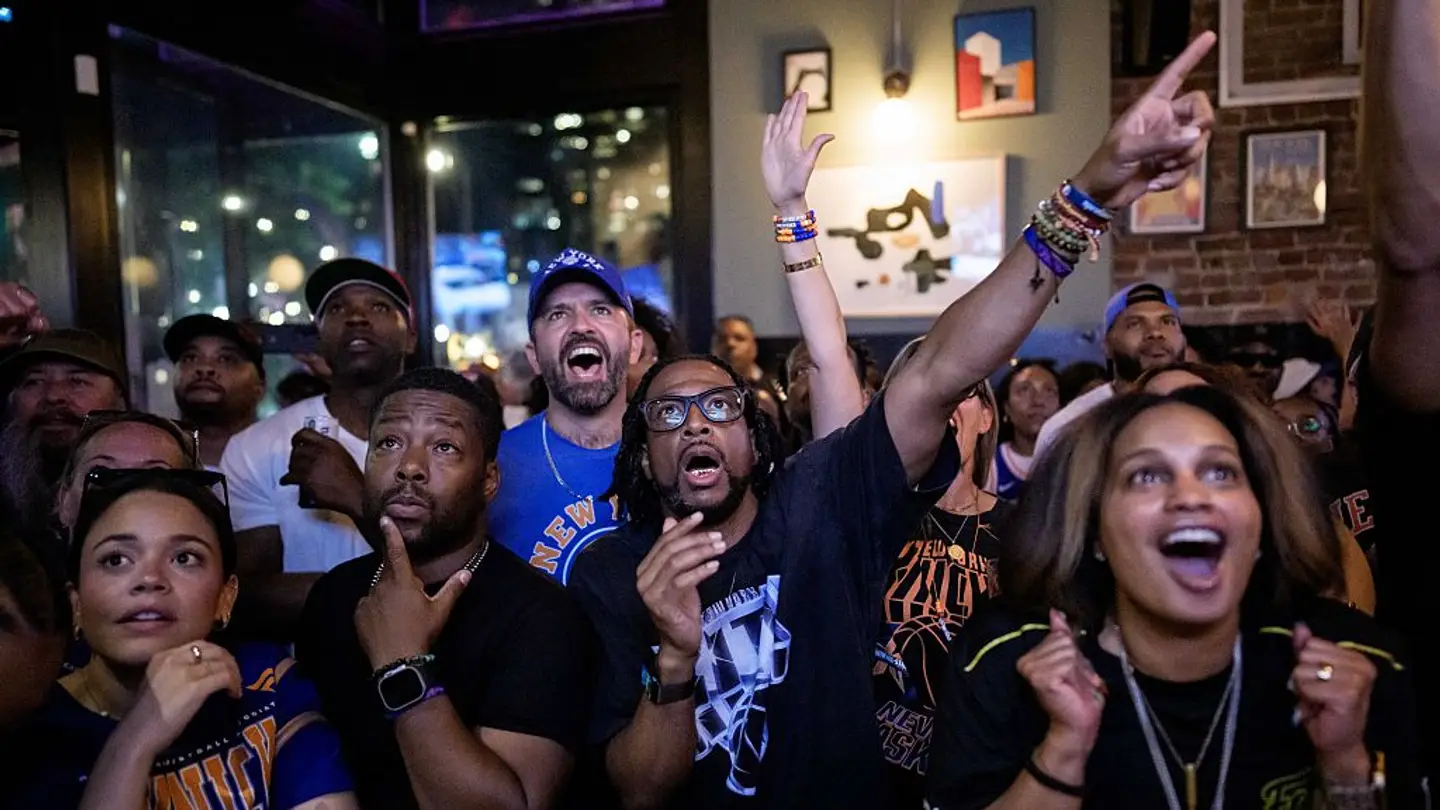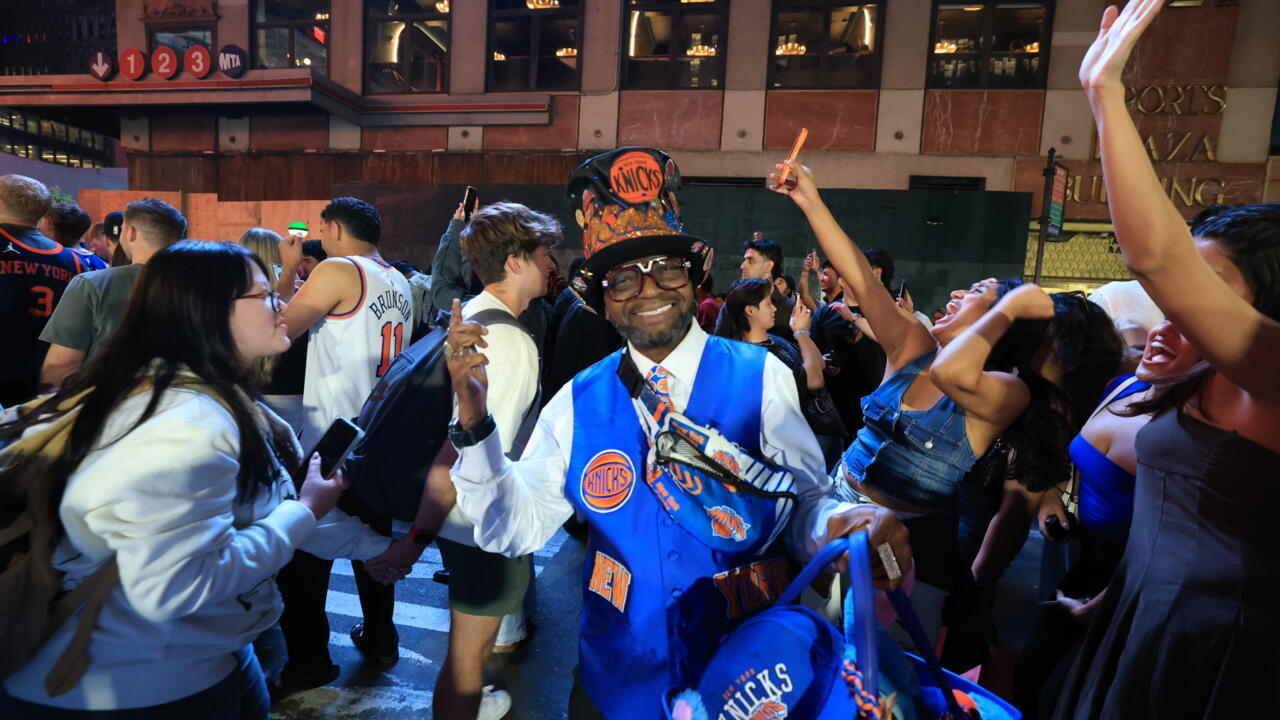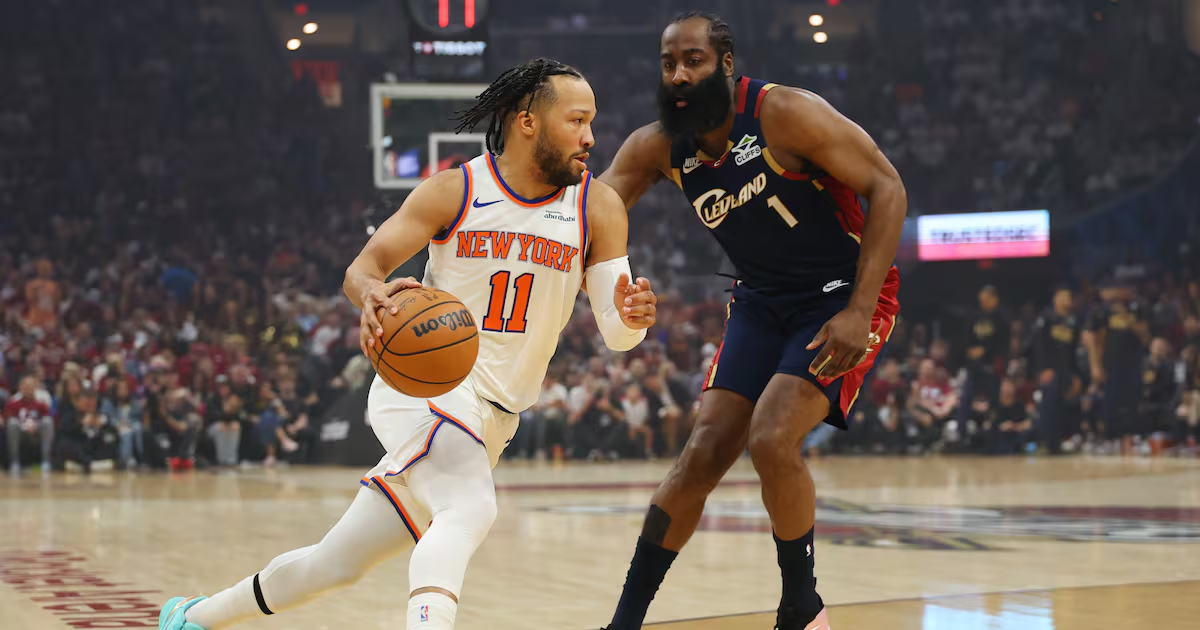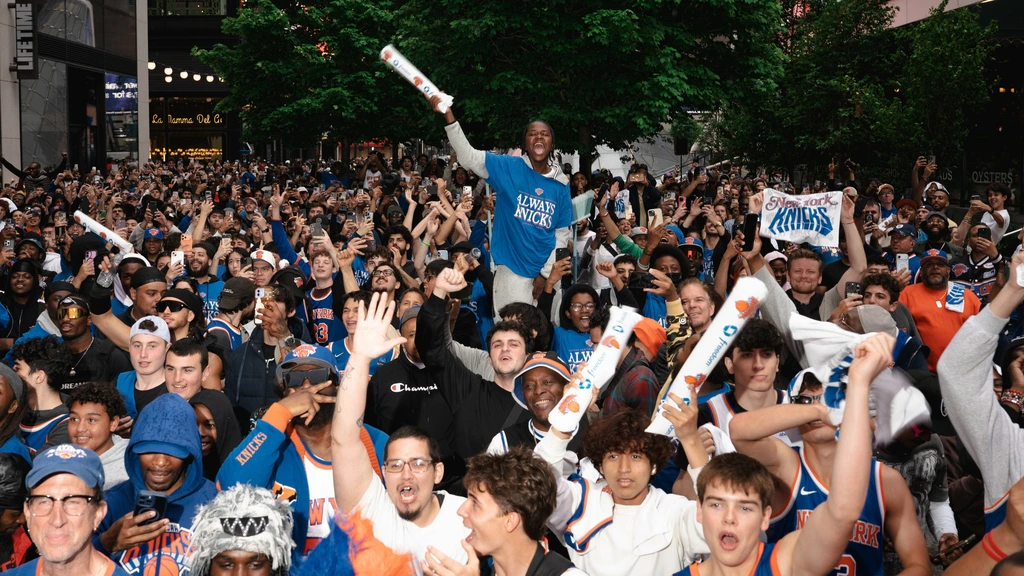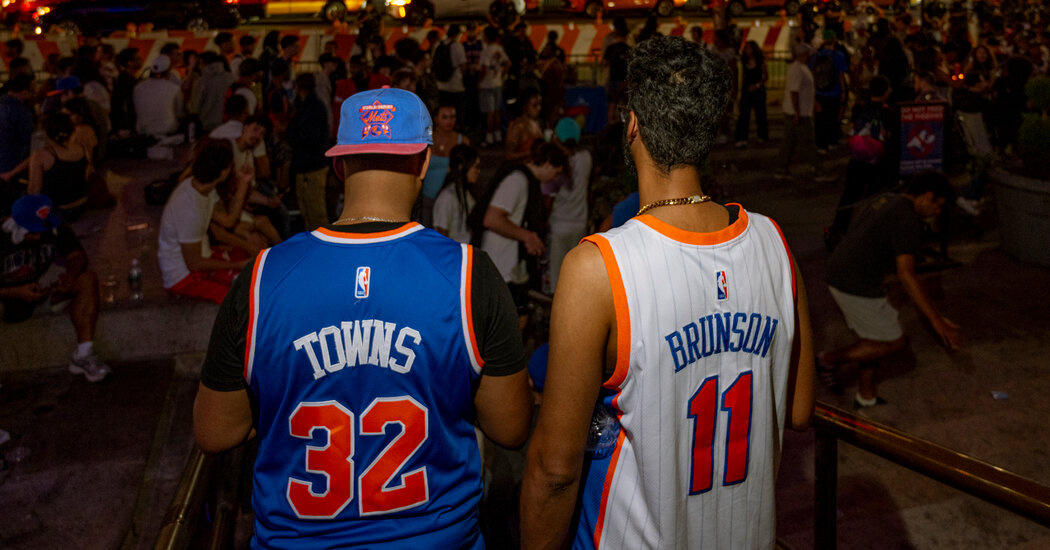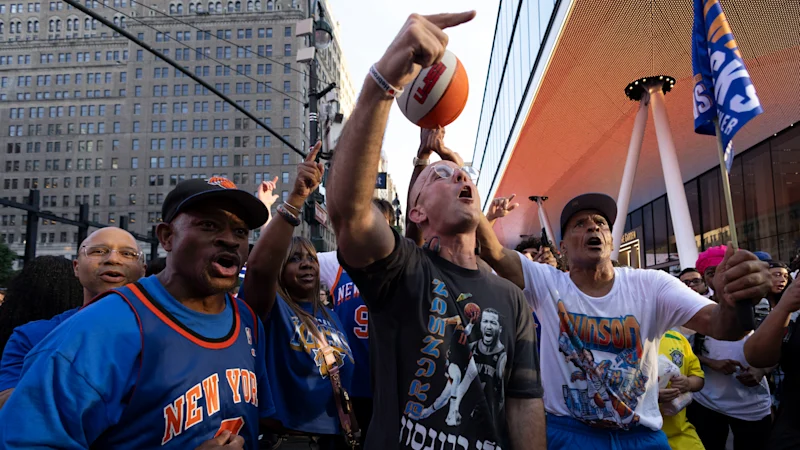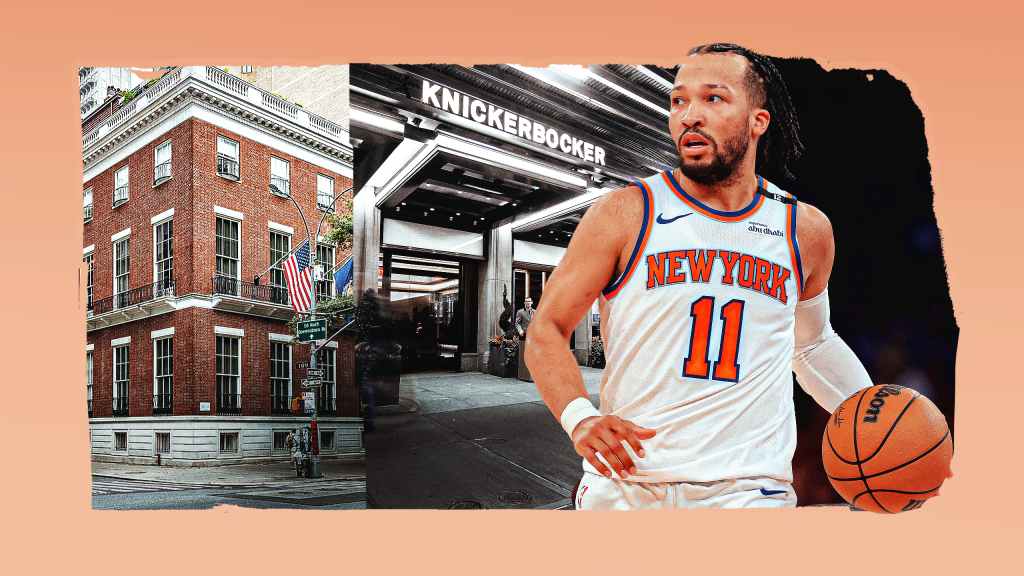
The Knicks are naturally the center of attention in New York right now as they play in their first NBA Finals since 1999. But they aren’t the only Knickerbockers in the city.
A byword for a certain kind of New Yorker for centuries, a “Knickerbocker” was originally adopted by Dutch colonial settlers near present-day Albany. The term gained wide recognition after the publication of Washington Irving’s 1809 novel A History of New York, From the Beginning of the World to the End of the Dutch Dynasty. Eventually it came to be associated with a particular style of “loose-fitting breeches, gathered in at the knee, and worn by boys, sportsmen, and others who require a freer use of their limbs,” according to the Oxford English Dictionary.
These days, a few storied New York institutions—besides the basketball team—still bear the name. Among them: the Knickerbocker Club on the Upper East Side, one of the most exclusive members clubs in the world. The organization, which doesn’t have a website, was reportedly founded in the 1870s after members of the nearby Union Club thought admission standards were too lax.
Sportico visited its headquarters across from Central Park on Monday afternoon, seeking to interview some other New York Knicks. A bulletin was posted just inside the front entrance, advertising a forthcoming event on June 3. Not a screening of the NBA Finals, but a lecture by the jazz music scholar Aidan Levy. (“No celebration of the semiquincentennial would be complete without the inclusion of jazz, the uniquely American art form,” according to the description.)