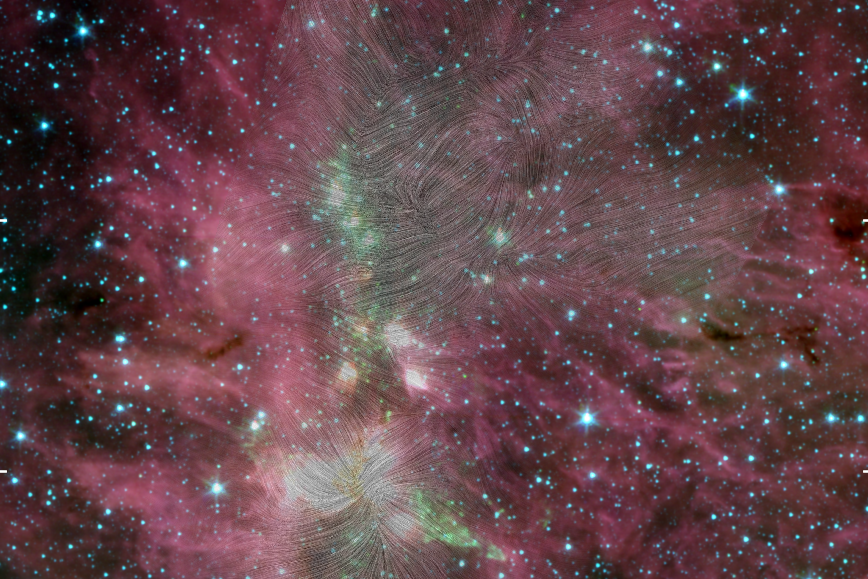
Many stars are born inside vast clouds of gas and dust in space. As parts of these clouds collapse under gravity, they create dense regions known as molecular cloud cores where new stars begin to take shape.
Star formation often occurs in groups rather than in isolation. In some cases, two newborn stars become gravitationally bound, creating what astronomers call a binary star system. Observations indicate that many of these systems form very early, before the stars themselves have fully developed. However, researchers have long struggled to understand how two growing protostars can move close enough together to become a binary pair within such a short period of time.
Simulations Reveal the Importance of Magnetic Fields
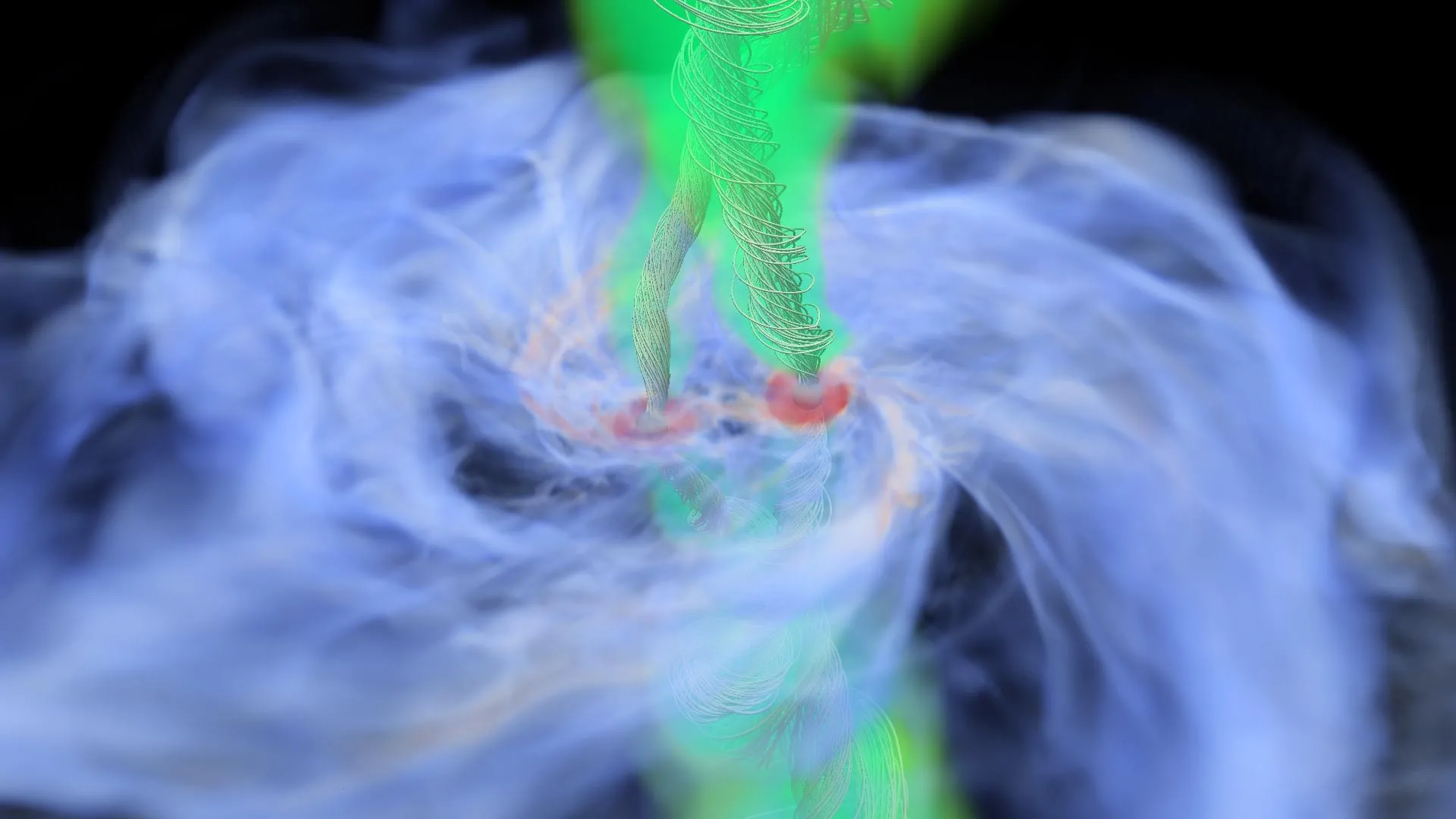
To investigate this mystery, researchers carried out advanced simulations using several supercomputers, including the National Astronomical Observatory of Japan's ATERUI III system and its predecessor, ATERUI II.
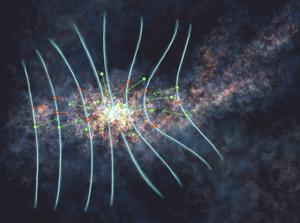
The results showed that magnetic fields threading through the surrounding gas can help draw protostars closer together. Interactions between the magnetic field and the gas remove angular momentum from the pair, allowing the two objects to spiral inward and form a binary system within a realistic timescale.