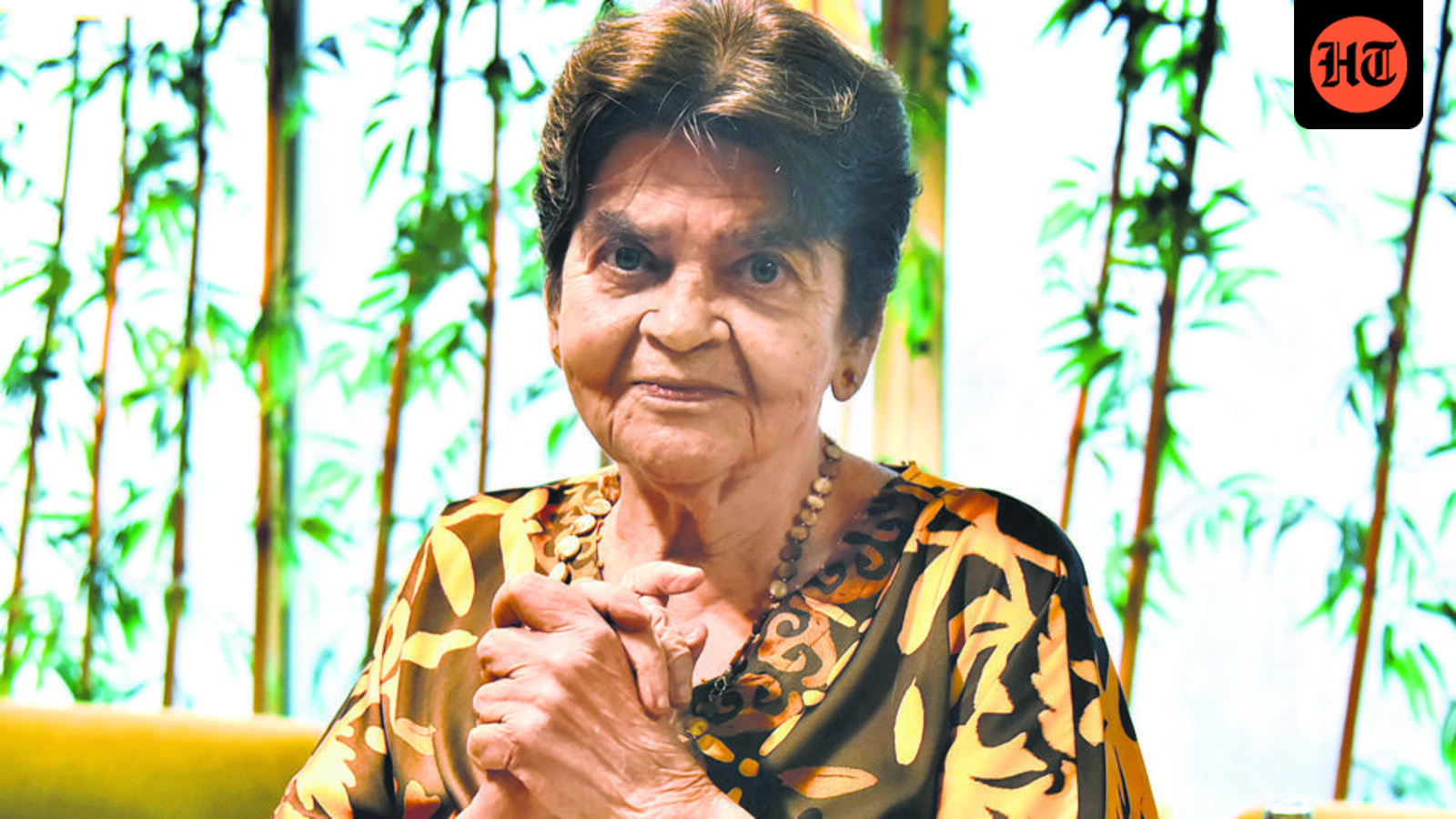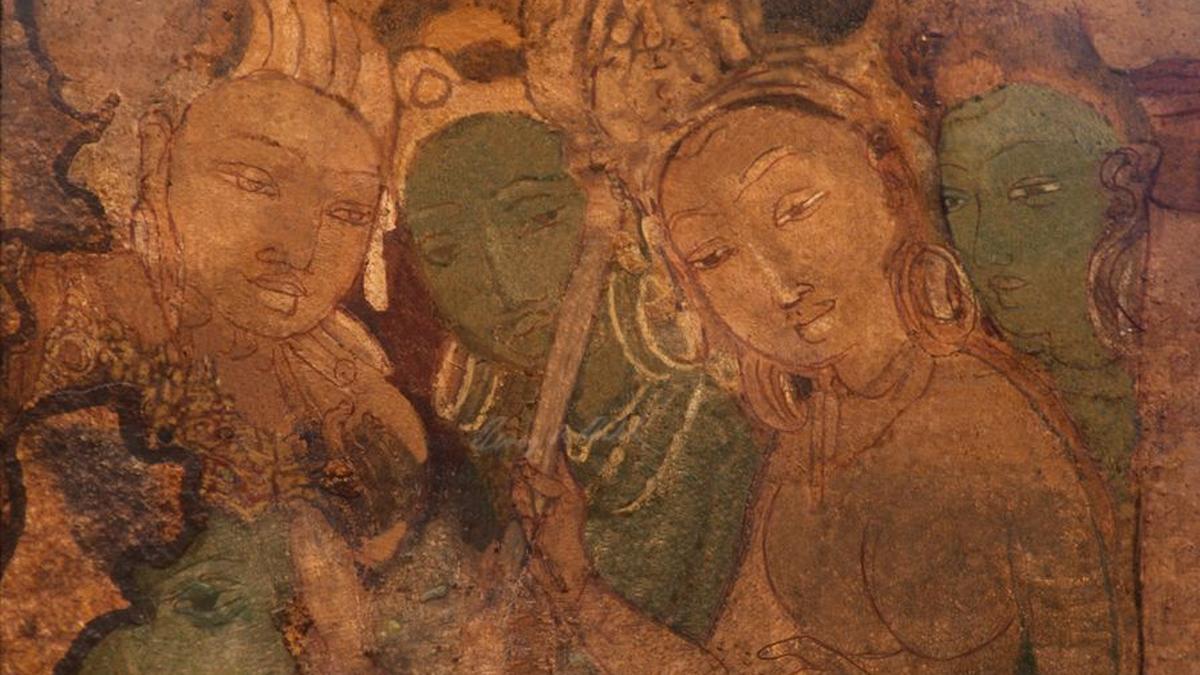
In the dark interiors of the Ajanta caves, where light barely reaches the frescoed walls, filmmaker, photographer and art historian Benoy K. Behl discovered not just ancient paintings, but an entire philosophy of life.At a recent illustrated lecture at the Bangalore International Centre (BIC), organised in memory of nuclear scientist M.R. Srinivasan and presented by his daughter, Sharada Srinivasan, professor at the National Institute of Advanced Studies, Benoy traced how photography led him from the darkness of nuclear-reactor buildings to ancient caves and temples.He credits Srinivasan’s encouragement in the late 1980s, when he was chairman of the Atomic Energy Commission, for shaping his photographic journey. “By documenting the dimly-lit nuclear power plants , I developed the patience that helped me capture the paintings visible only in orangish light,” said Benoy at the talk. He is right. Many of us can recall seeing these orange-hued murals in our school textbooks.The Ajanta Caves, a UNESCO World Heritage Site in Maharashtra, carved into a horseshoe-shaped cliff overlooking the Waghora River, dating from the second century BCE to about 480 CE. Their rock-cut monasteries and shrines preserve some of the finest ancient Indian mural paintings.
How Benoy Behl, a master of low-light technique photography, captured the murals at Ajanta Caves
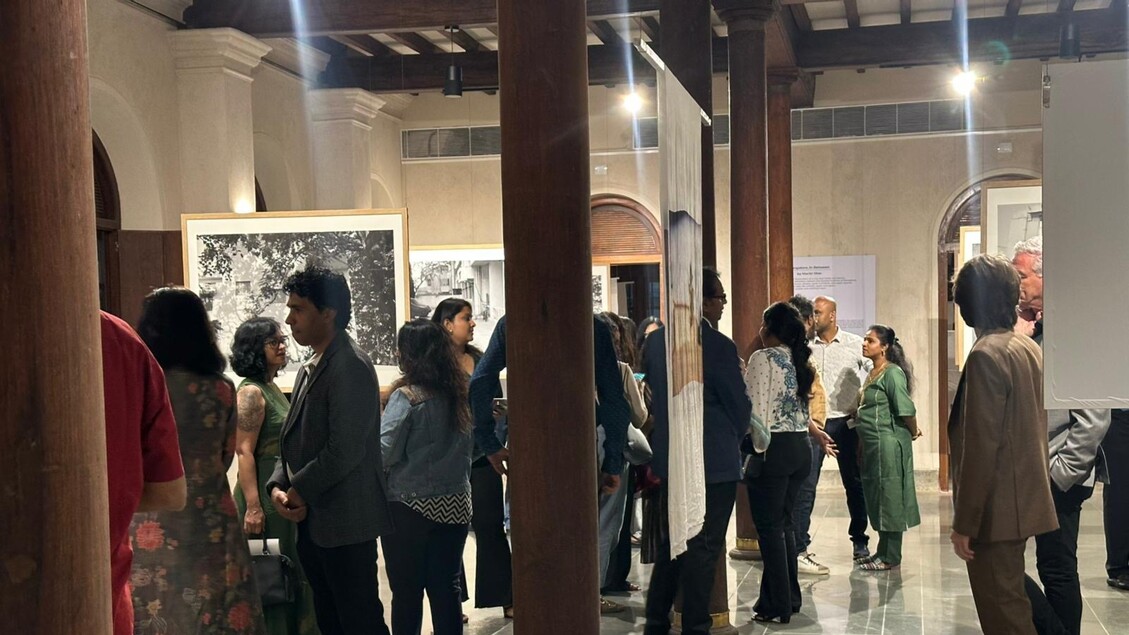
Benoy Behl's recent talk at Bangalore International Centre, held in memory of nuclear scientist M.R. Srinivasan, focussed on his journey from the darkness of nuclear-reactor buildings to ancient caves.
840 words~4 min read