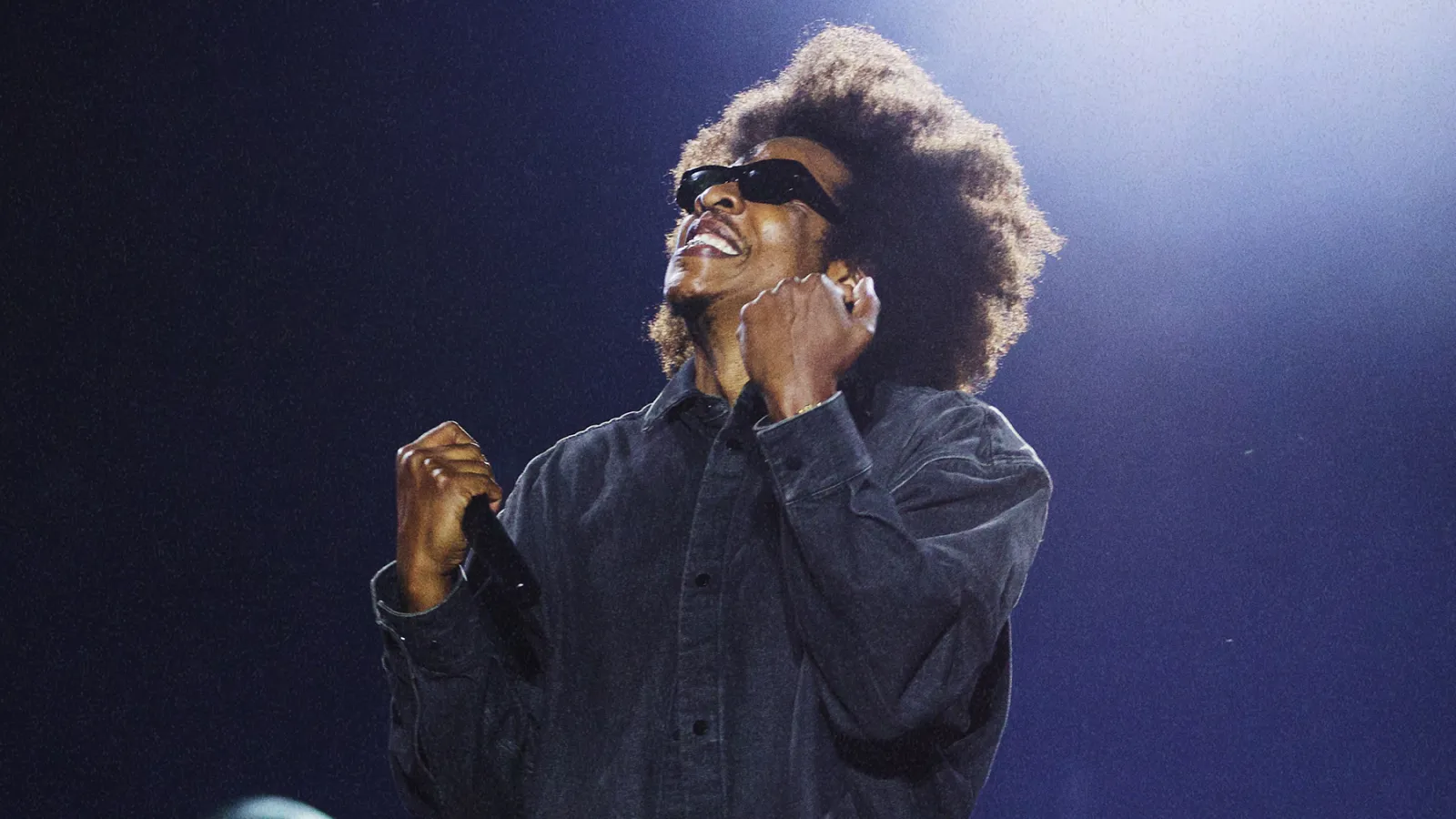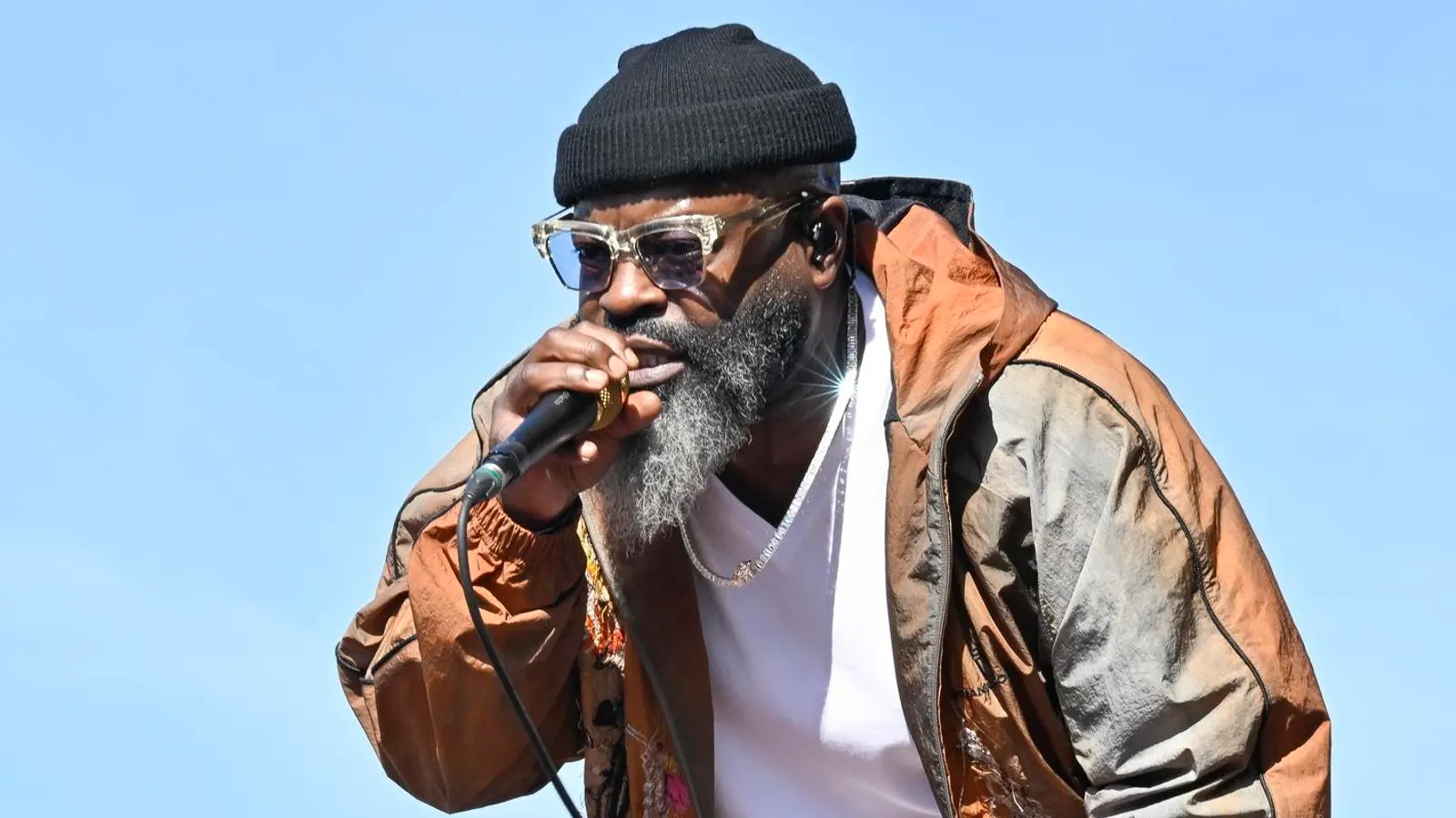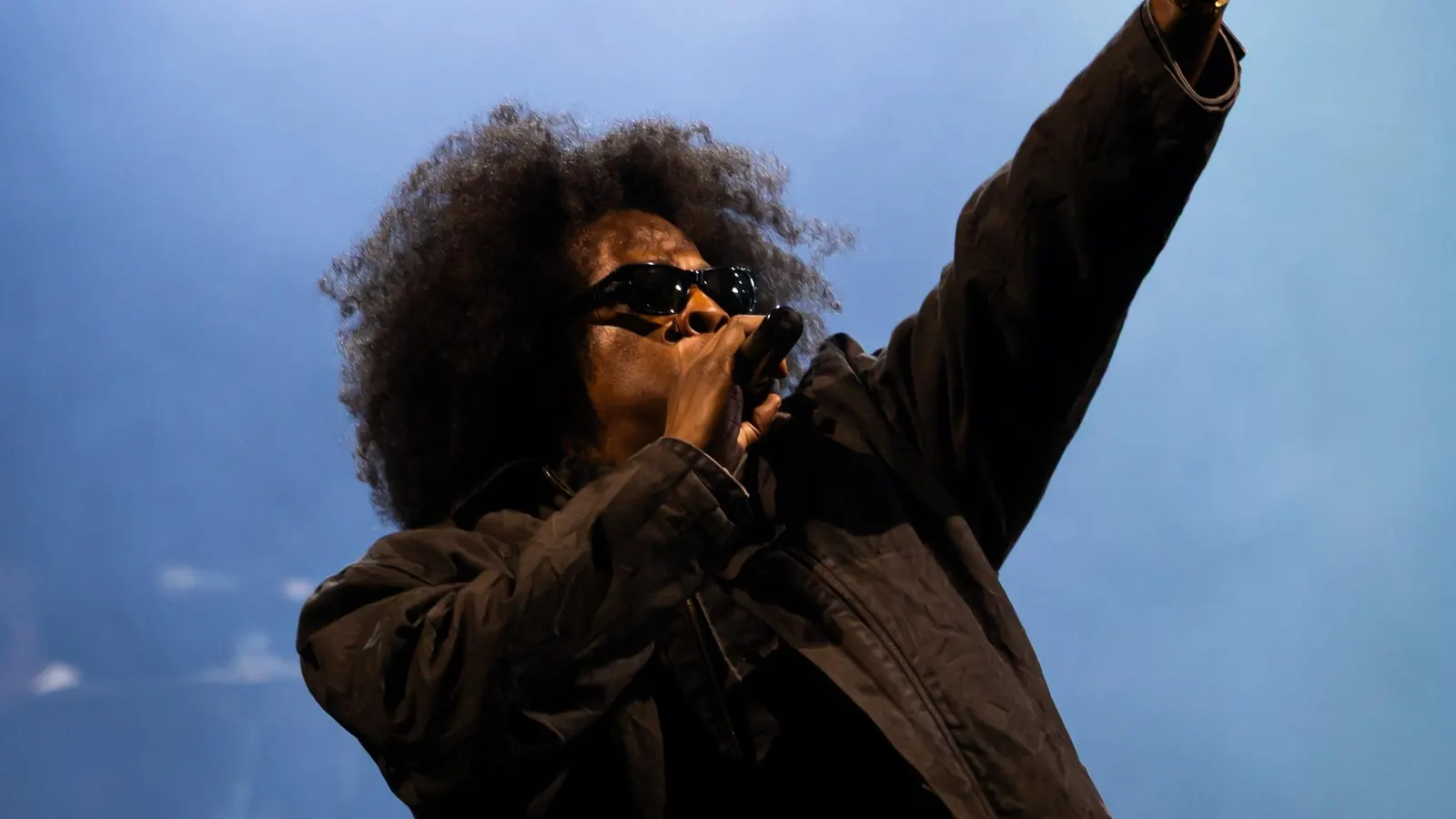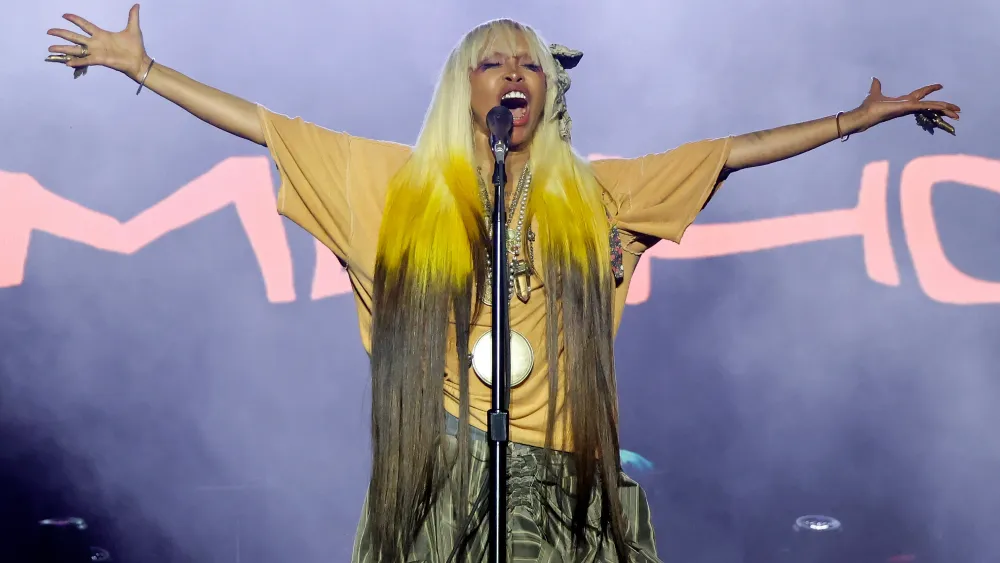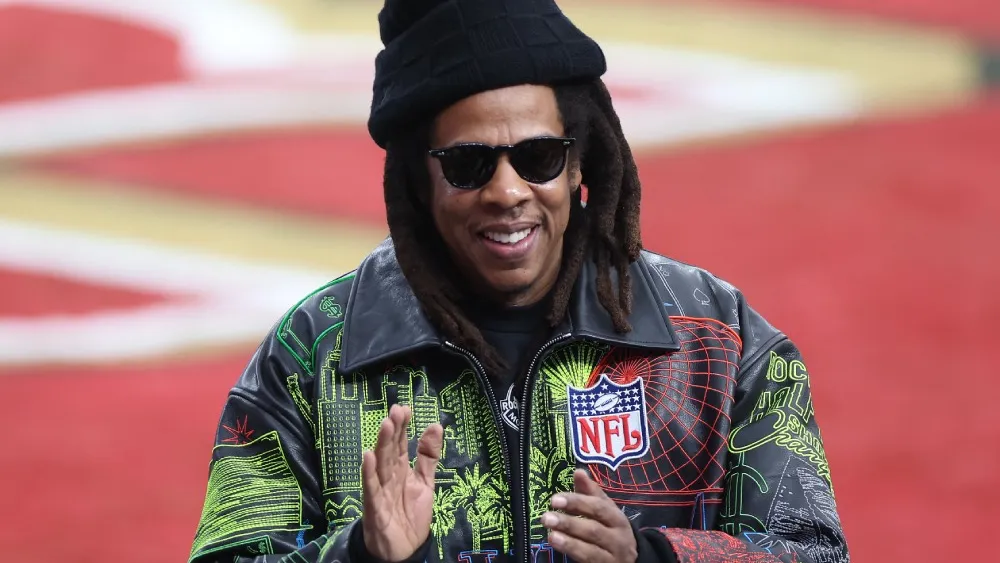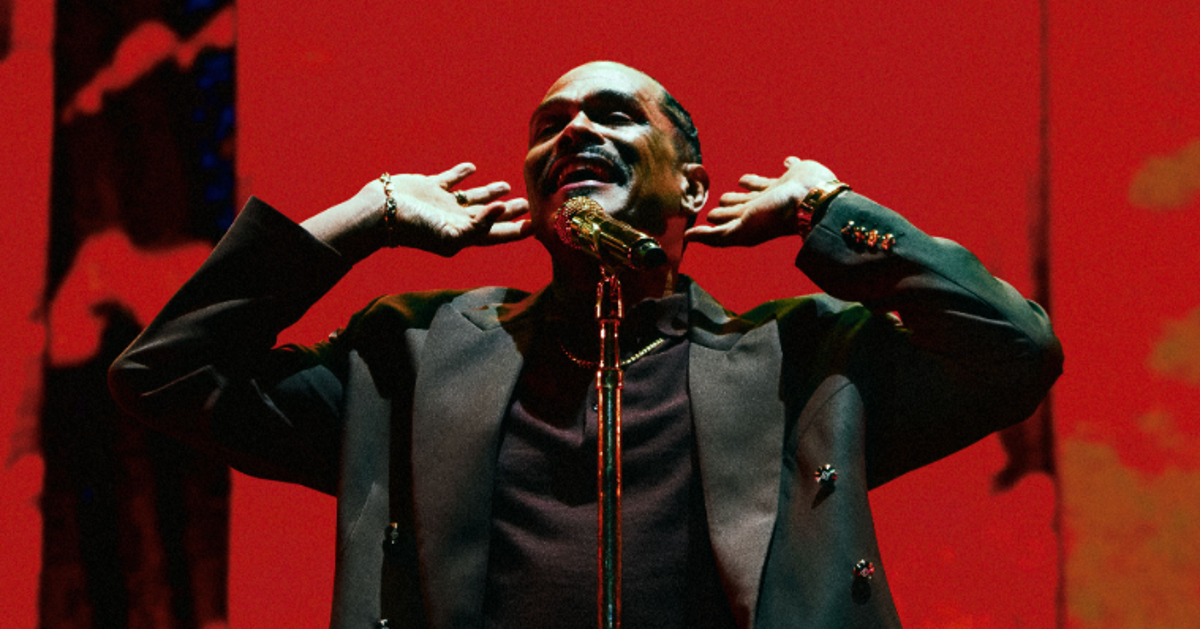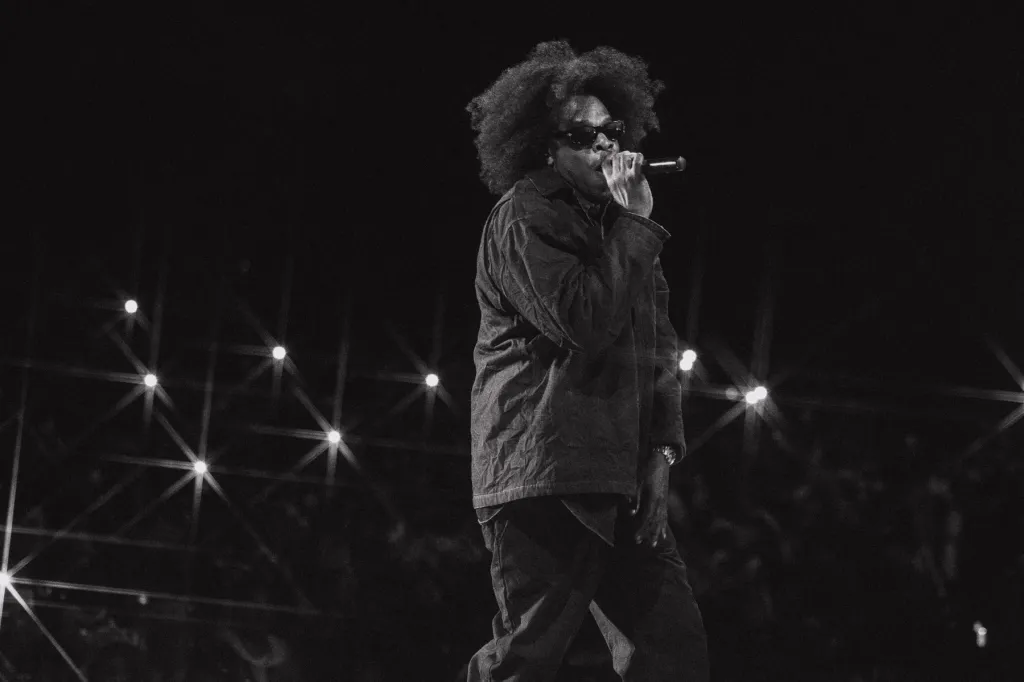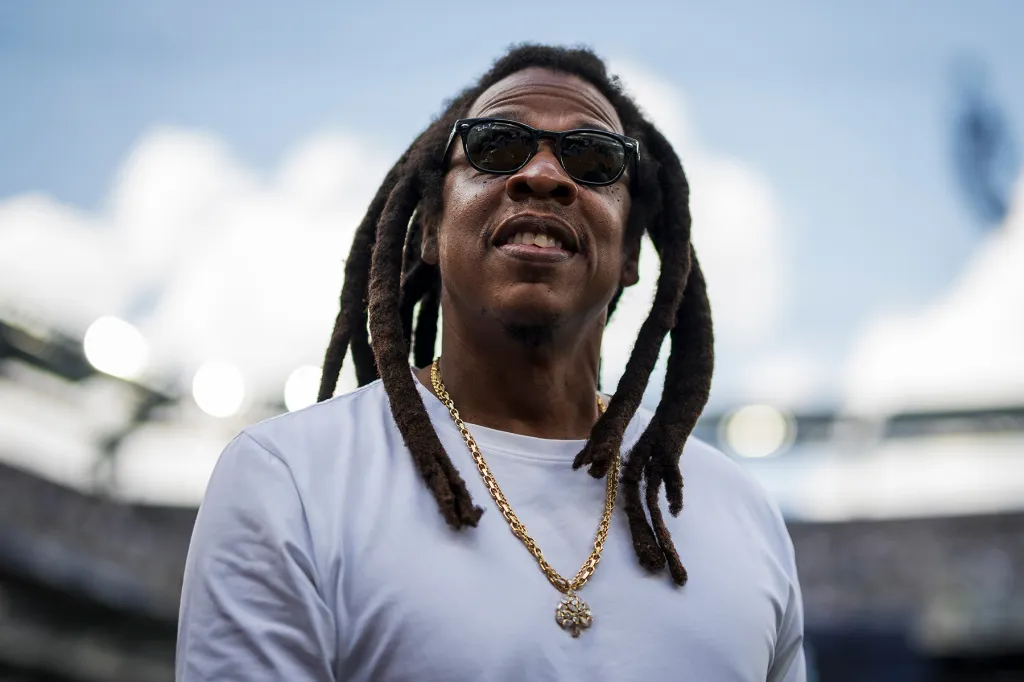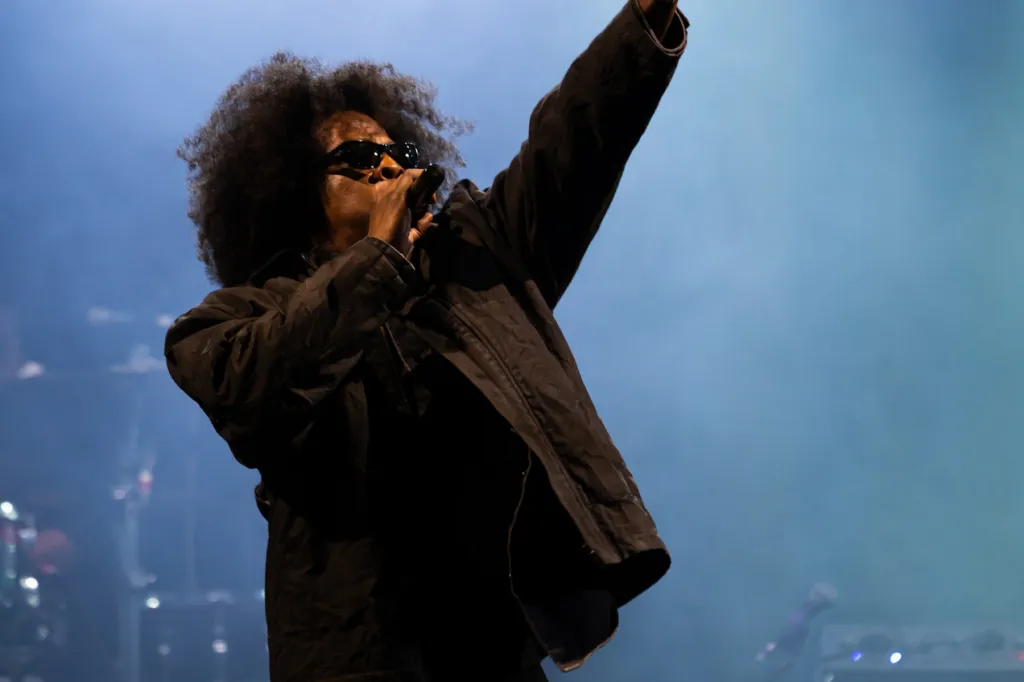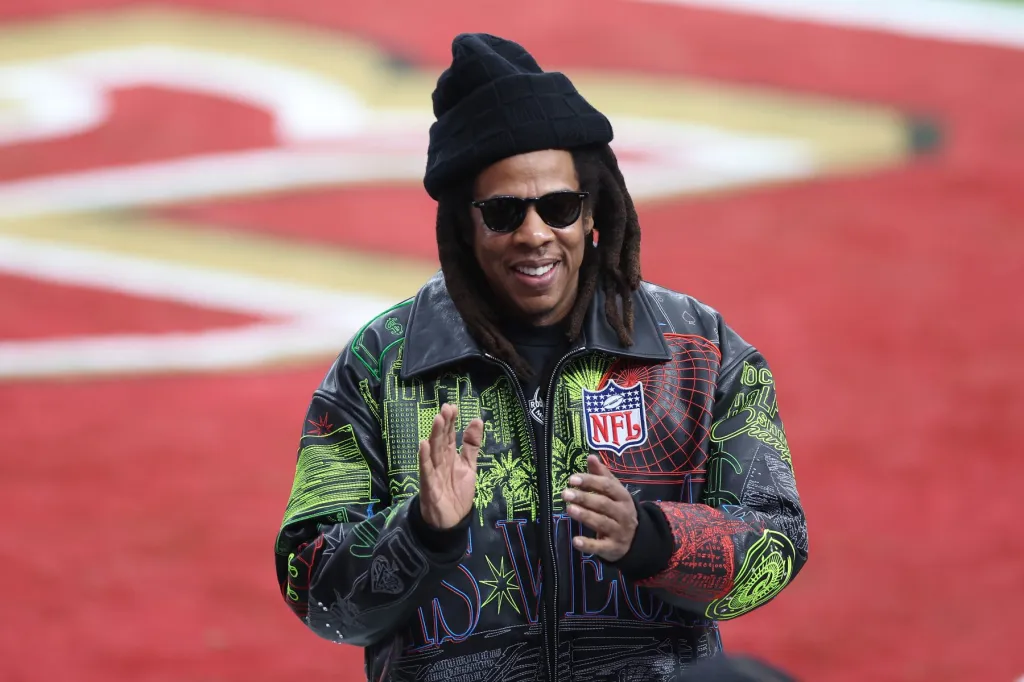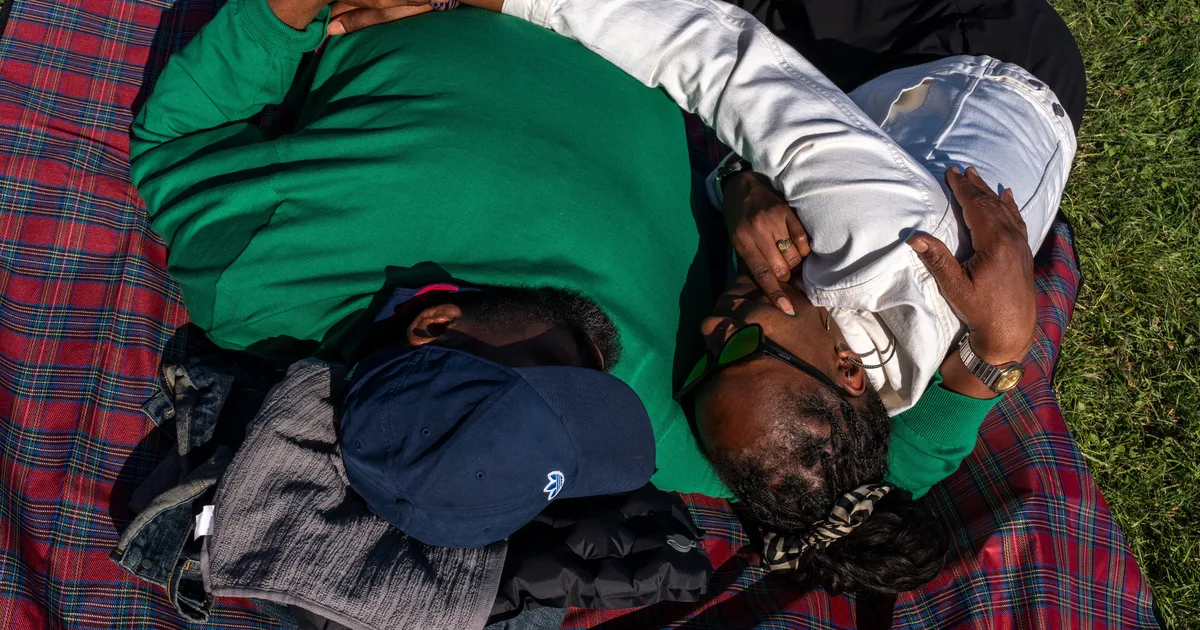
PHILADELPHIA — The Belmont Plateau, where tons of people go to escape the rat race, is a multicultural hot spot in Philadelphia. For many Black people in Philly, this escape has been an inextricable part of Black life.“The communities around the ‘Plat’ are fiercely loyal to access to the surrounding green space,” said Mike Idriss, a historian in Philadelphia who lives in the Wynnefield neighborhood near Belmont Plateau. “People from outside the area come for the view, but for many who live here, it’s so much more than a scenic view or hangout. My now-wife and I took our engagement photos there. When my mom died in 2018, and I needed to catch my breath, I sat on the bench in the middle of the field.”“That spot brought me so much comfort,” he continued. “I’ve seen couples hash out disagreements, myself included, celebrate good news, or show off their new or new-to-them car.” Attendees at the Roots Picnic get some rest on the historic Belmont Plateau, May 30.Meredith Edlow for HuffPostOn the night before the first day of The Roots Picnic, an annual music festival in Philadelphia, there are several high profile pre-events; this year, Jay-Z performed to an audience of music insiders and friends. In the northwest part of the city in the Wissahickon Creek area, there was an eruption of joy common to people seeking freedom at the Johnson House, a historic Underground Railroad stop in the Germantown neighborhood. For Rasheed Ajamu, he had just worked a full day and intended to be “just in and out” at the event. “But I was surrounded by people important to me and important to Germantown. I really enjoyed being in the spot because it’s a historically important spot for people seeking freedom. What you’re seeing is pure love in the air and admiration for each other.”Jay-Z performs on the AT&T Stage at the Roots Picnic 2026 on May 30.Meredith Edlow for HuffPostThis year’s performers at The Roots Picnic came from across the country and London. They included Jay-Z, Erykah Badu, The Roots, State Property, Meek Mill, Adam Blackstone, Brandy, T.I., DJ Jazzy Jeff, Kehlani, Corinne Bailey Rae, Sasha Keable and newcomers Kwn and Mariah the Scientist.Erykah Badu performs at the Roots Picnic 2026 on May 31.Meredith Edlow for HuffPost“For me, it’s a huge celebration of Black joy, of rest and restoration,” said Teryn Shipman of Atlanta, who attended the weekend events. “I think a part of having joy is being with your community and really celebrating, dancing and moving our bodies and soaking in some of this sun. So I’m super happy to be here.”A crowd of Roots Picnic attendees watch a performace on the AT&T stage on May 30.Meredith Edlow for HuffPostKnowing Belmont Plateau’s story is critical to understanding the United States’ growth, especially as the country commemorates 250 years. The Roots Picnic organizers’ choice of Belmont Plateau for this year’s festivities underscores the continued fight for freedom in America, the area’s history as a global economic driver and its current role as a place to seek joy and recreation for many Black residents and visitors.Brandy, singer from Mississippi, performs on the AT&T Stage at the Roots Picnic 2026 on the historic Belmont Plateau, May 30.Meredith Edlow for HuffPostIn the 1991 hit single “Summertime” by Philadelphia’s own DJ Jazzy Jeff and the Fresh Prince, there’s a well-known line that says, “The place called the Plateau is where everybody goes.” That line carries more weight than just a place where people party in the summer; it speaks to so much history of the country in one bar. “The song was based off of — in the ’80s on a Sunday afternoon, this is where we would all kind of converge,” DJ Jazzy Jeff told HuffPost. “We would listen to Lady B’s Street Beat, the hip-hop show. Everybody would have their cars shining, and this was really the hangout spot.”“To understand the history and then be able to come back for a Roots Picnic at the Belmont Plateau is definitely a full-circle moment,” he continued.U.S. District Court Judge Richard Peters was the owner of Belmont Mansion on the grounds of the Plateau in the late 1700s and early 1800s.Meredith Edlow for HuffPostHere are a couple of key details about Belmont Plateau: The location was once considered a potential headquarters for the United Nations. It was one of the sites of the Centennial Exhibition of 1876, the celebration of the United States’ 100th birthday, following a brutal Civil War. It is the place where one of the world’s first steam-engine-powered railcars moved one of the largest loads of material by railroad toward points west in Pennsylvania. The large wooded areas around the Plateau currently have an abundance of old railroad ruins leaving remnants of evolving efforts at advancing rail travel. This development created an explosion of commercial trade in the region. As railroad technology evolved in Pennsylvania, so did the Underground Railroad running parallel to it. Its most important detail is that it’s a place that helped undo the country’s reliance on slave labor and, over time, made it pretty challenging for Confederates to fight the Civil War. For enslaved people, getting to the Plateau meant getting closer to freedom.U.S. District Court Judge Richard Peters was the owner of Belmont Mansion on the grounds of the Plateau in the late 1700s and early 1800s as railroads were beginning to be built in and around Pennsylvania. Peters was friends with George Washington, Benjamin Franklin, Thomas Jefferson and other prominent founding figures of the United States. They often visited Peters at his mansion and gardens on the beautiful hill called Belmont. Peters was friendly with several of America's Founding Fathers, who would visit him at Belmont Mansion.Library Company of PhiladelphiaPeters invested efforts into the building of a bridge across the Schuylkill River to its western bank. As industrialization grew in Philadelphia, a train line developed along the southern side of Belmont Plateau in the same area. Nearby, a road guided The Roots Picnic attendees to the entrance of the festival, and for the last two centuries has been moving Americans and specifically Black Americans up and down its slope to freedom — literally and figuratively. “When we come together, it’s like divine intervention. You see us in our most powerful state, our most conscious state, our most loving and giving state,” journalist and radio personality Sway Calloway said. “As we celebrate in the spirit of those who were liberated through the Underground Railroad, we are liberated through our culture and our music, and we’re doing it for our ancestors.”A view of the Inclined Plan near Philadelphia; an advertisement for a steam engine from McElroy's Philadelphia City Directory of 1842.Library Company of Philadelphia/Wikimedia CommonsIn 1811, Peters, who was also one of the first non-Quaker members of the Pennsylvania Abolitionist Society and fought the Fugitive Slave Act of 1790, purchased a woman, Cornelia Wells, in order to free her. As legend has it, he also gave her a cottage at the time of her freedom — Boelson Cottage — to use as her place of residence and where she started a business selling food. Boelson Cottage still stands and is steps from the Belmont Plateau, Belmont Stables and the old Belmont Inclined Plane. Fast forward to 1835, and William Whipper, a man born to an enslaved woman and her enslaver in Lancaster, Pennsylvania, moves to Columbia, Pennsylvania, and grows a lumber yard business. He invested in the Columbia and Reading Railroad, which used rail cars headed to Philadelphia that shipped the lumber he sold, to transport enslaved Black people on the Underground Railroad coming from Virginia, Maryland and other points south. Those fleeing enslavement by this route on the Underground Railroad were headed toward the Belmont Plateau. The railroad terminated not far from the popular Reading Terminal Market in downtown Philadelphia.In the mid-1800s, thousands of enslaved Black Americans made it to freedom in Philadelphia. The Plateau is where a lot of people went, thank goodness.Visitors to Philadelphia from Massachusetts attend the Roots Picnic.Meredith Edlow for HuffPostIn the 20th century, there was an explosion of productivity and Black culture in Philadelphia from Black talent, from athletes, caterers, musicians and visual artists to Black professionals who inhabited Black Doctor’s Row in South Philadelphia. Billie Holiday, Marian Anderson, Pearl Bailey and John Coltrane all made Philly their home at some point. Black neighborhoods, like the Seventh Ward near the historic Mother Bethel AME Church, thrived.All of these developments added to the bounty that would allow Philadelphia to weather the economic storms of the 1920s and entertain and care for generations of Americans up to today. “Seeing our ancestors look down on us and proud and looking at how far we’ve come from the Underground Railroad to look at us — Black creators and entertainers — thriving on this ground as we once struggled upon,” said Sophia Clayton, a new Delaware State University student who’s known as DJ Sophia Rocks. “It makes me feel really proud.”
The Roots Picnic Showed The Power Of History, Resilience And Black Liberation
In "Summertime," DJ Jazzy Jeff & The Fresh Prince declared that "The Plateau is where everybody goes." For The Roots Picnic, it was the perfect venue to celebrate Black joy and freedom.
1,496 words~7 min read