Anna Pelzer / Unsplash
Mental health is often discussed through the lens of therapy, exercise, sleep, and stress management. Nutrition tends to receive less attention, even though what we eat influences many of the systems that help regulate mood, cognition, and emotional well-being. Researchers continue to uncover links between dietary patterns and mental health outcomes, suggesting that food choices may play a meaningful role in supporting brain function throughout life.
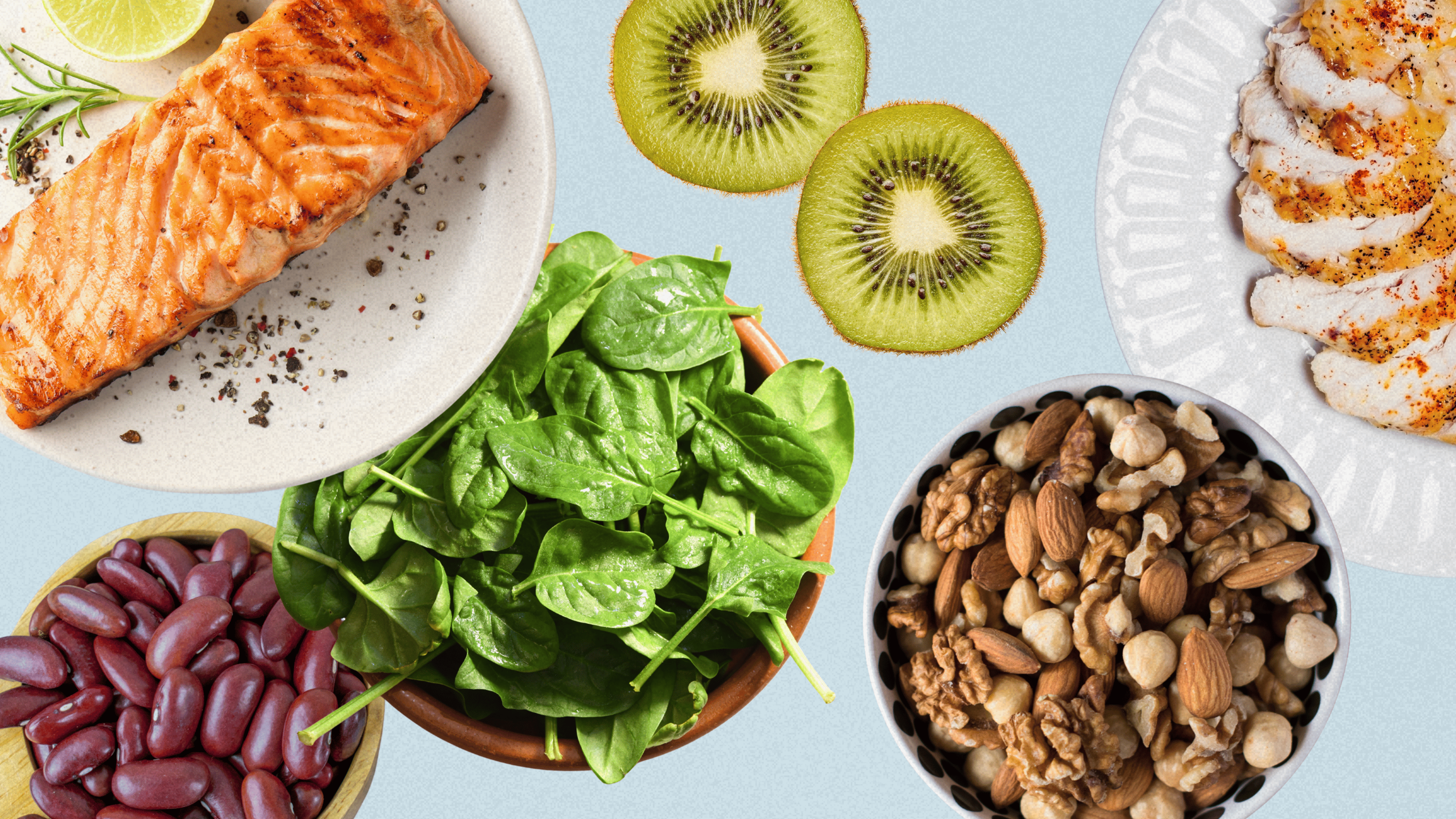
That does not mean a healthy meal can cure anxiety, depression, or other mental health conditions. Diet is only one piece of a much larger picture. However, according to The Healthy, emerging evidence points to several eating habits that may help create a stronger foundation for mental wellness. Many of these habits focus less on restriction and more on adding foods that provide important nutrients, support the gut microbiome, and help reduce inflammation throughout the body.
The connection between food and mental health is complex. Nutrients influence chemical processes that support brain function. The gut and brain communicate through an extensive network known as the gut-brain axis. Dietary patterns can also affect inflammation, which researchers increasingly associate with cognitive and emotional health. As a result, small adjustments to everyday eating habits may have effects that extend beyond physical wellness alone.