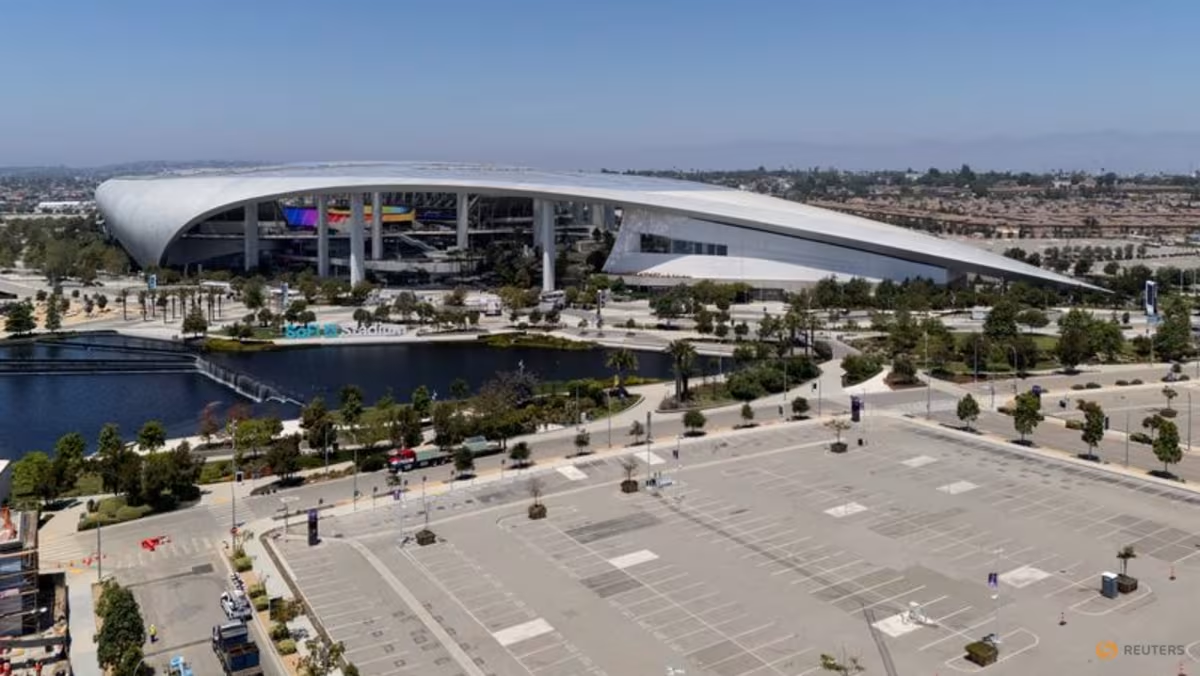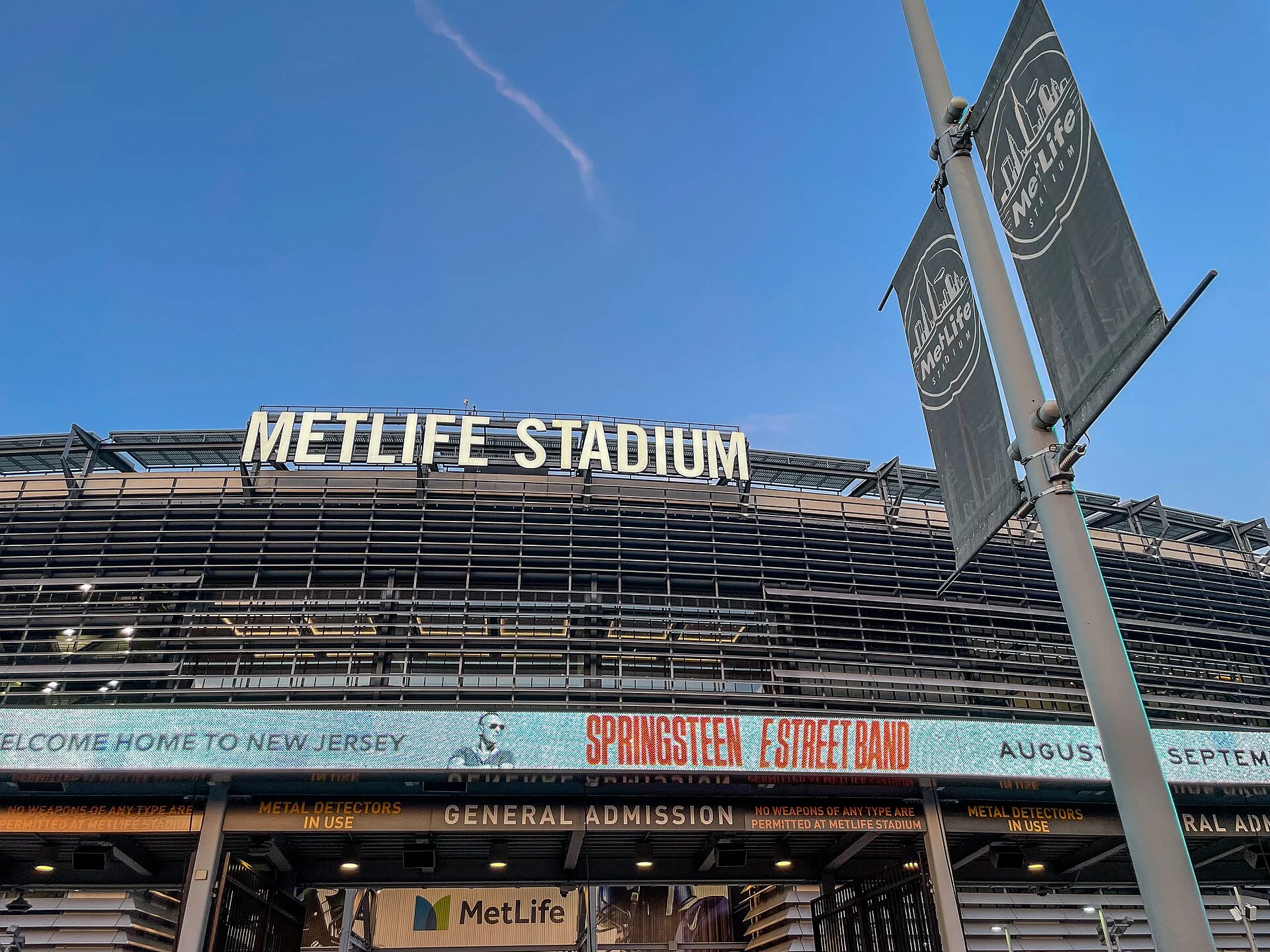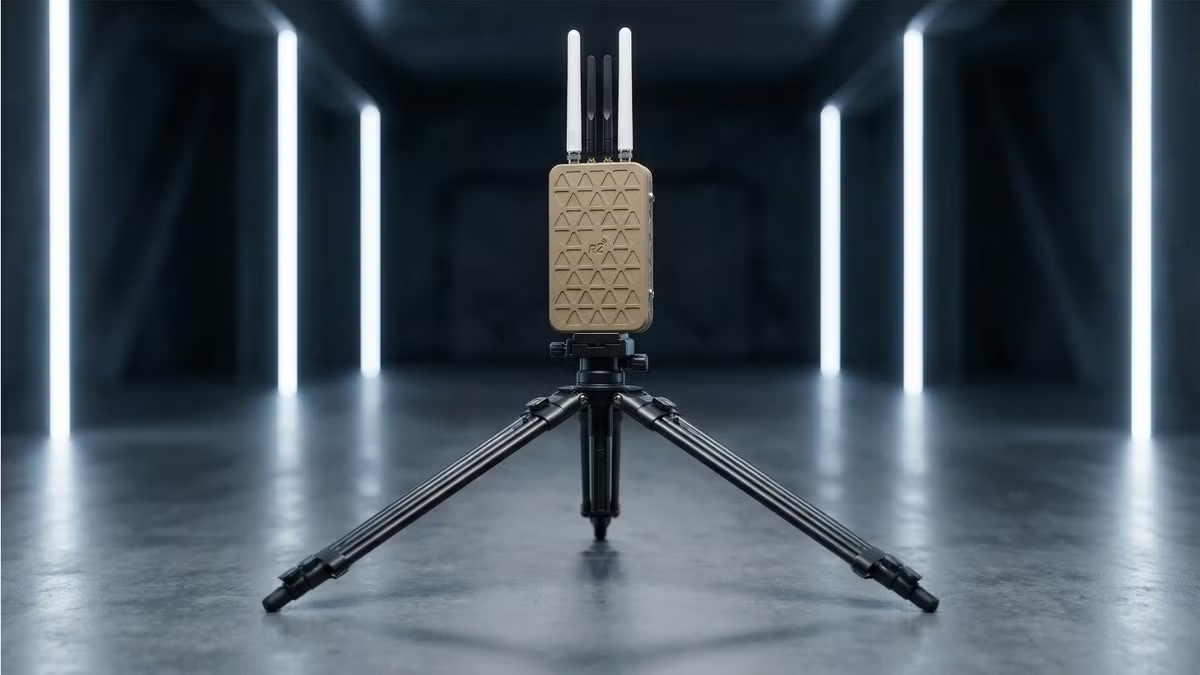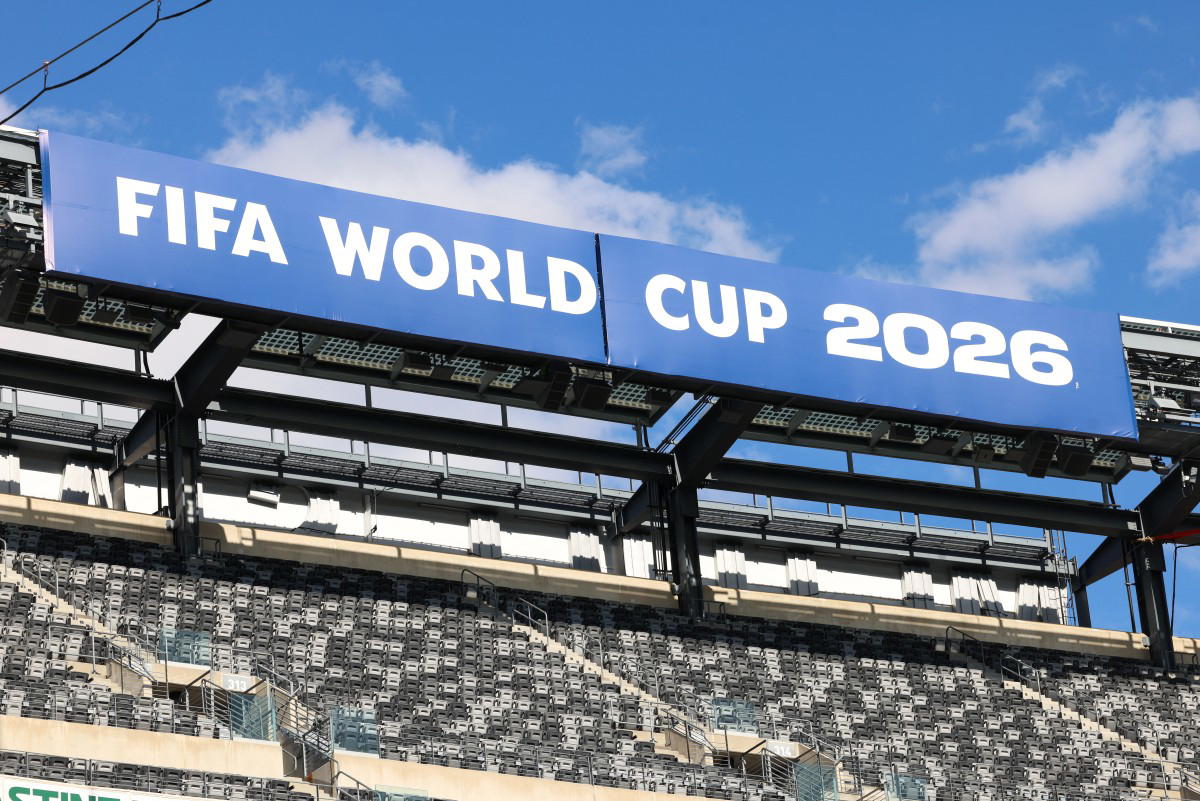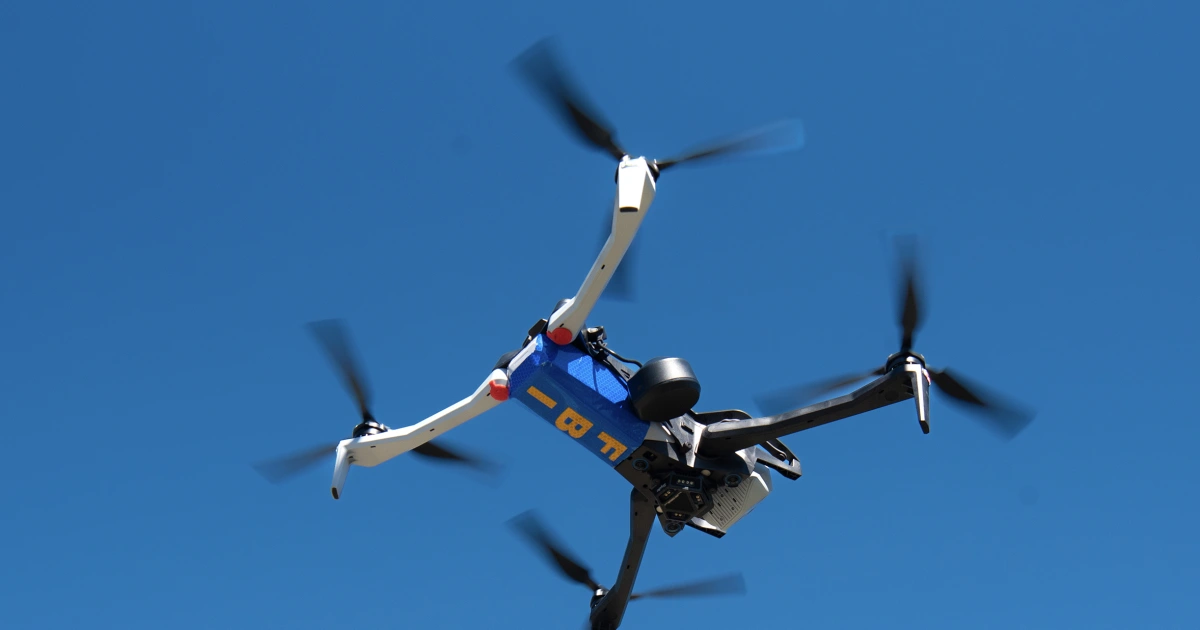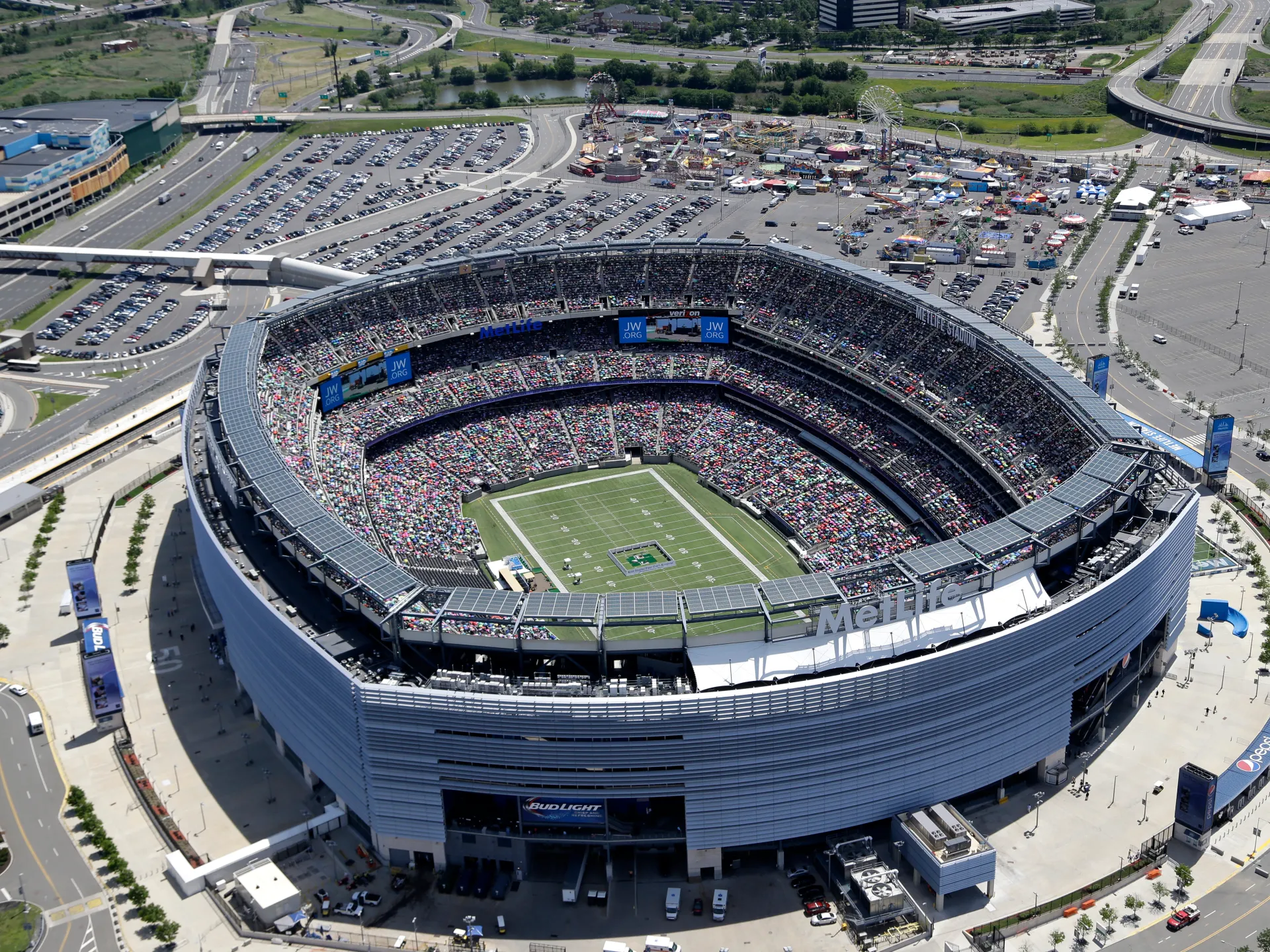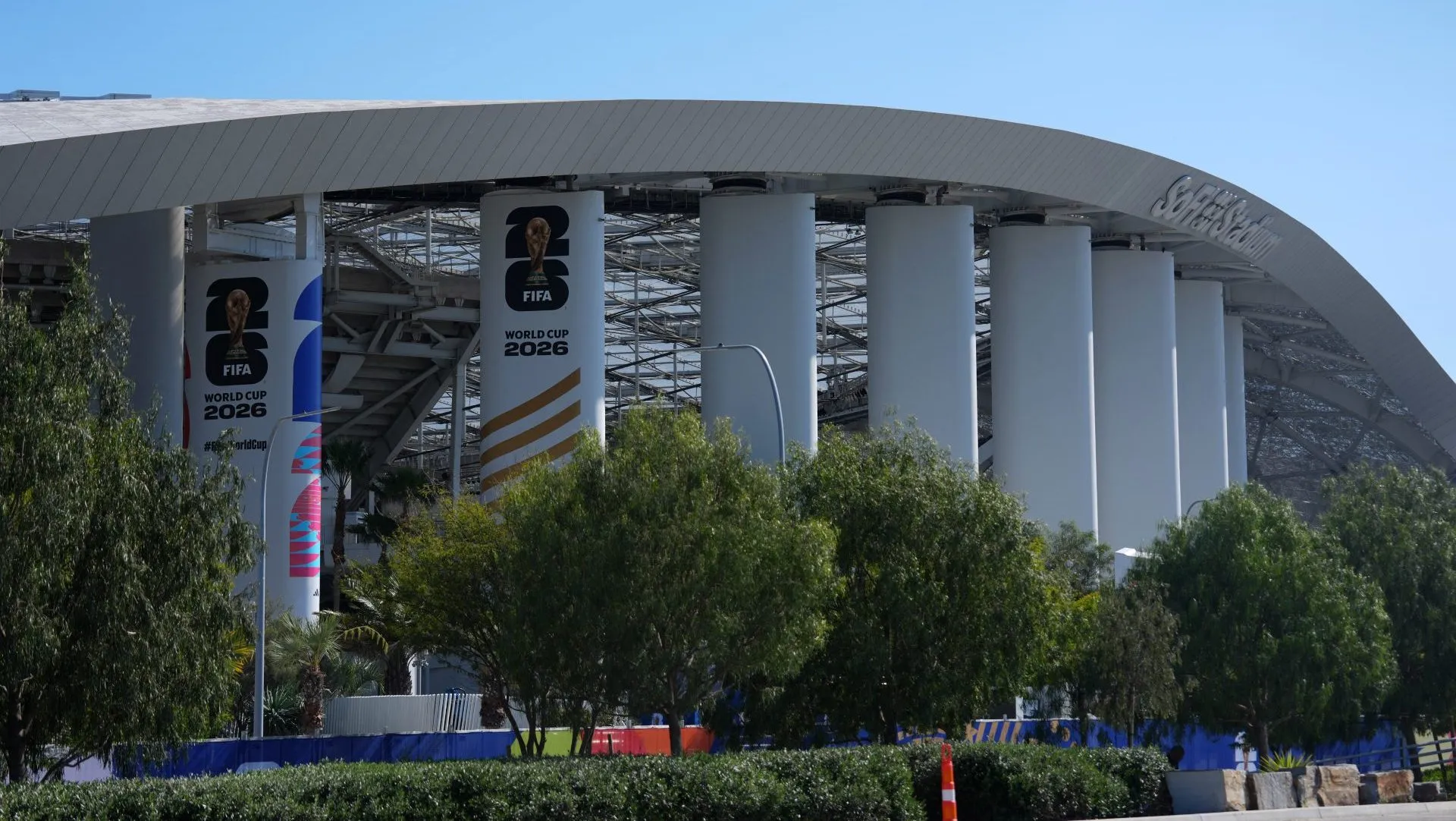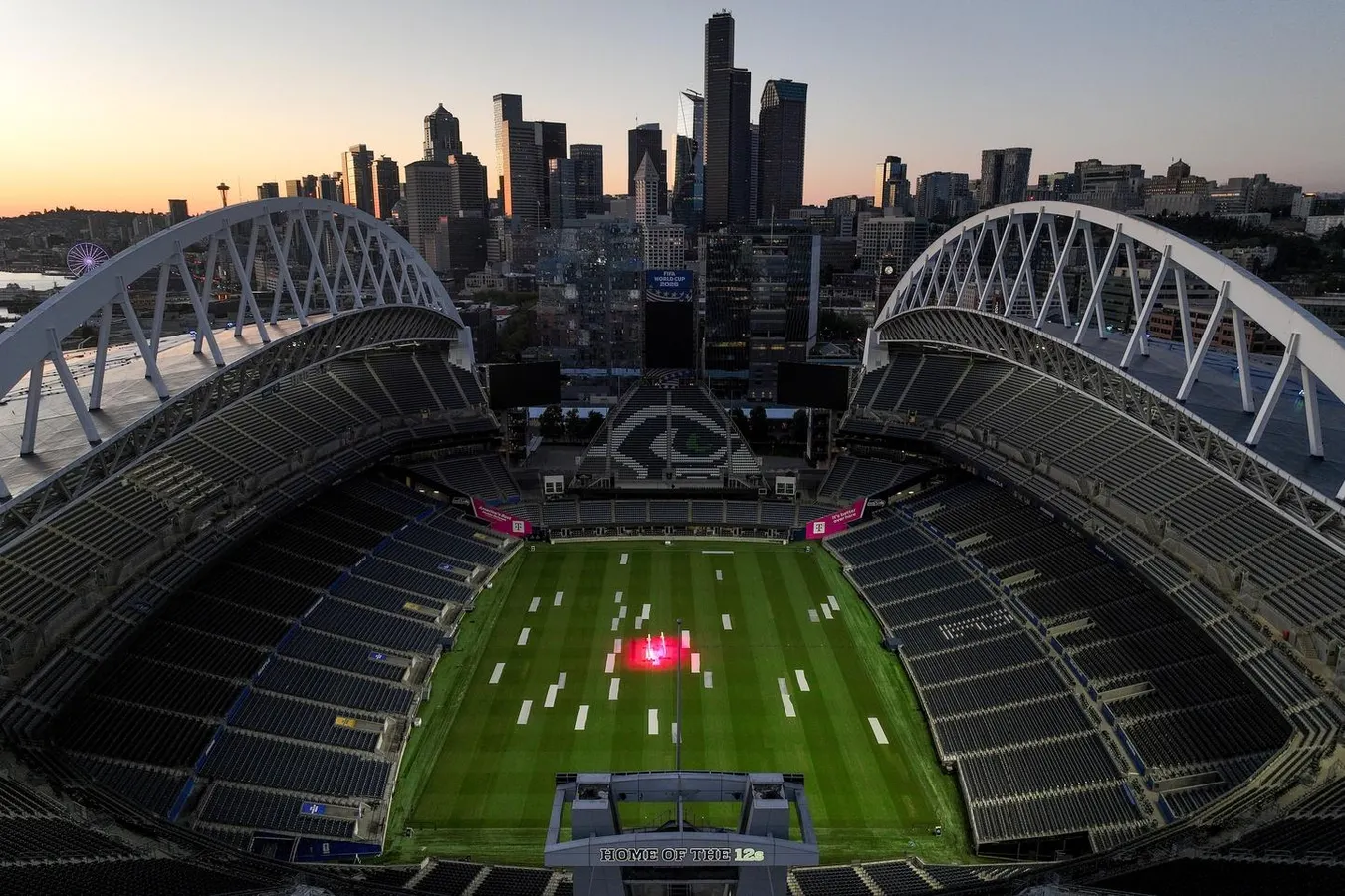
SEATTLE, WASHINGTON - MAY 31: In an aerial view, Seattle Stadium, temporarily renamed from Lumen Field, stands ahead of the FIFA World Cup 2026 on May 31, 2026 in Seattle, Washington. The stadium will host six matches during the FIFA World Cup 2026. (Photo by Steph Chambers/Getty Images)Getty ImagesAt this year’s World Cup, while fans are watching the players, companies like Ondas Holdings and Fortem Technologies will be watching the skies. This year’s tournament isn’t just a battle for soccer supremacy. It’s also a major test of whether the United States can protect packed stadiums from a quickly evolving security threat: the cheap, nimble and autonomous drones that have upended modern warfare in Ukraine and Iran. At stadiums like MetLife in New Jersey and AT&T Stadium in Dallas, radar from Utah-based startup Fortem will scan the sky for suspicious activity. If an unknown drone flies overhead, it will send up what it calls a DroneHunter to chase it down, firing a net to capture it midair. Then it can bring down the drone by tether or parachute so law enforcement can recover it as evidence.Fortem's DroneHunter firing its net interceptor.FORTEMAcross the country, in states such as California, Massachusetts and Florida, defense tech company Ondas, which has a $6.7 billion market cap, plans to deploy its sensor-based Sentrycs system to protect crowded venues from hostile drones. Unlike traditional jamming systems that interfere with police radios or nearby communications, Sentrycs passively listens for the radio link between a drone and its pilot to identify the aircraft and find out where it came from. If the drone is suspicious or threatening, Sentrycs can take over its autopilot to land it in a designated area.Both businesses have multimillion-dollar contracts to protect World Cup stadiums with the federal government, which is pouring $365 million into drone-focused security for the 104 matches hosted across the U.S., Canada and Mexico. That includes $250 million from FEMA, bookmarked for the 11 states hosting World Cup matches, and another $115 million from DHS for counter-drone technology at tournament venues. “Unauthorized drone activity poses serious risks to aviation safety, law enforcement operations, emergency response efforts, and the safety of attendees,” a spokesperson for the Department of Homeland Security told Forbes, adding the increased investment is “to aggressively combat the unlawful use of drones that endanger the safety and security of the American people.” FIFA did not respond to Forbes’ request for comment.What works during the tournament could help shape how the U.S. protects the next run of high-profile events, from America’s 250th anniversary celebrations to the 2028 Los Angeles Olympics.Eric Brock, CEO of Ondas Inc.Ondas“If you’re in this industry, the biggest surprise is we haven’t had that 9/11 event,” says Eric Brock, 55, the CEO of Ondas Inc. “We have a massive country with massive vulnerabilities that we never had just 12 months ago.”In Ukraine and Iran, cheap drones have made attacks more precise and easier to launch. Russia has used them to kill hundreds of civilians in Ukraine, and Iran has deployed them to damage military bases and oil tanks across the Gulf. In March, players and staff at an ATP event in the United Arab Emirates had to flee after an Iranian drone attack sparked a fire at a nearby oil terminal. The Pentagon’s most recent budget proposal underscores the urgency, allocating over $74 billion to drone-related spending.“Iran attacking civilian infrastructure, that's put on CBS Evening News. Now everyone in the general public is thinking about it,” says Jon Gruen, CEO of Fortem. “That kind of political pressure or concern has now raised the priority to where people who manage events like that know they have to be proactive instead of just hoping it doesn't happen.”For years, drones fell under laws written for aircraft, including the Aircraft Sabotage Act, which made it illegal for most law enforcement to damage, disable or bring down anything flying in U.S. airspace. It’s only since December last year that a new law gave specially trained state and local law enforcement the authority to detect and disable threatening drones at major events and other high-risk sites, like airports.“Up until now, if you are at an NFL stadium, you see a drone coming and it’s got a bomb, you can't touch it by regulations,” Brock says. “That’s unacceptable.”Some lawmakers say the government needs more tools before the next wave of major events. Rep. Michael McCaul (R-Texas), who chairs a new Homeland Security task force to oversee security preparations, recently introduced the Guard the Skies Act. If passed, it would give the National Guard authority to help respond to more sophisticated drone threats, such as systems carrying chemical weapons. The legal shift has also accelerated a fast-growing counter-drone market. DroneShield, a publicly traded business with a $3 billion market cap, says its systems can scan wide areas for the presence of drones. It will be deployed in Kansas City to monitor low-altitude urban airspace around tournament matches. Earlier this month, Motorola Solutions agreed to pay $1.5 billion for Israel-based D-Fend Solutions, whose technology can take control of a drone by hijacking its autopilot. Jon Gruen, CEO of Fortem Technologies.FORTEMGruen, 51, first worked with early unmanned aircraft systems as a Navy SEAL before spending more than a decade at Lockheed Martin. Under his leadership, Fortem’s DroneHunter has been deployed at U.S. military bases in the Middle East and used in Ukraine, helping the company attract a $25 million investment from Lockheed Martin in April to expand manufacturing capacity. Pitchbook estimates the company is valued at $288 million. Ondas primarily makes wireless communications systems for railroads. Then the war in Ukraine exposed how quickly drones could become a core weapon of modern warfare. Brock says that pushed the company to invest in counter-drone technology, including its November acquisition of Sentrycs for $225 million. Software from the Israel-based startup, which was founded in 2017 by two members of the IDF’s elite 8200 unit, sits at the center of Ondas’ broader drone-defense platform, which also includes net-based drones and missiles deployed in the Middle East. Even if the World Cup succeeds at preventing any drone attacks, Brock says, it will not mean the problem is solved. Even after the legal issues are worked out, protecting the airspace around stadiums, airports and now data centers will take years of new infrastructure and law enforcement training. The tournament has accelerated that work, but waiting too long could change how safe Americans feel walking into the next big event, he warns.“We don't want to start doing the work after a bad event happens,” he says. “Nobody’s going to go to a game again until that threat is mitigated. It changes everything.”MORE FROM FORBESForbesThis Startup Is Building ChatGPT For CatholicsBy Sofia ChierchioForbesThis $1.4 Billion Startup’s AI Writes Code For Weeks At A TimeBy Sofia ChierchioForbesMeet The $250 Million Startup Challenging Salesforce With AI AgentsBy Sofia ChierchioForbesThe AI 50 Brink ListBy Sofia Chierchio
These Companies Will Be Protecting The World Cup From Hostile Drones
The 2026 World Cup will be a $365 million test of the United States’ systems to protect crowded stadiums from drones as they upend modern warfare and increasingly become a threat to domestic security.
1,149 words~5 min read