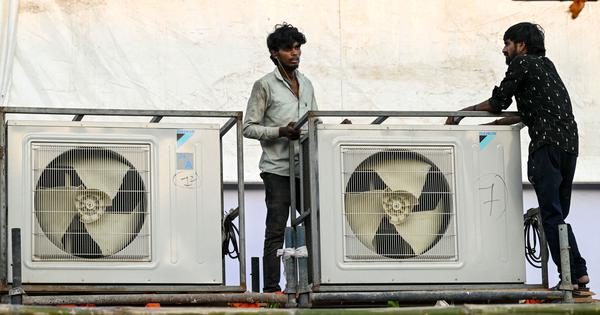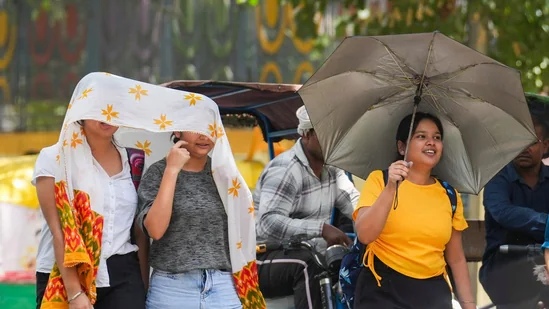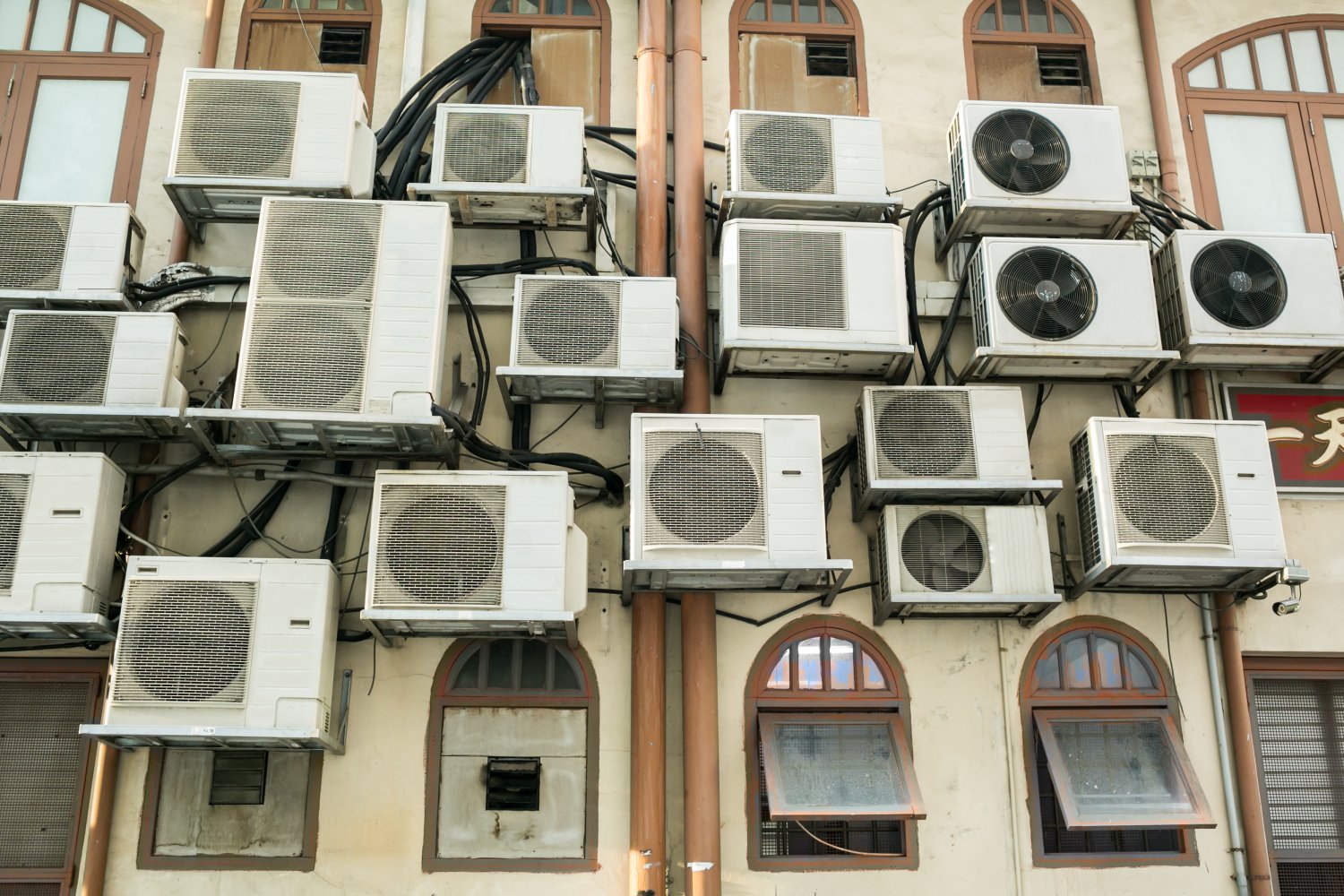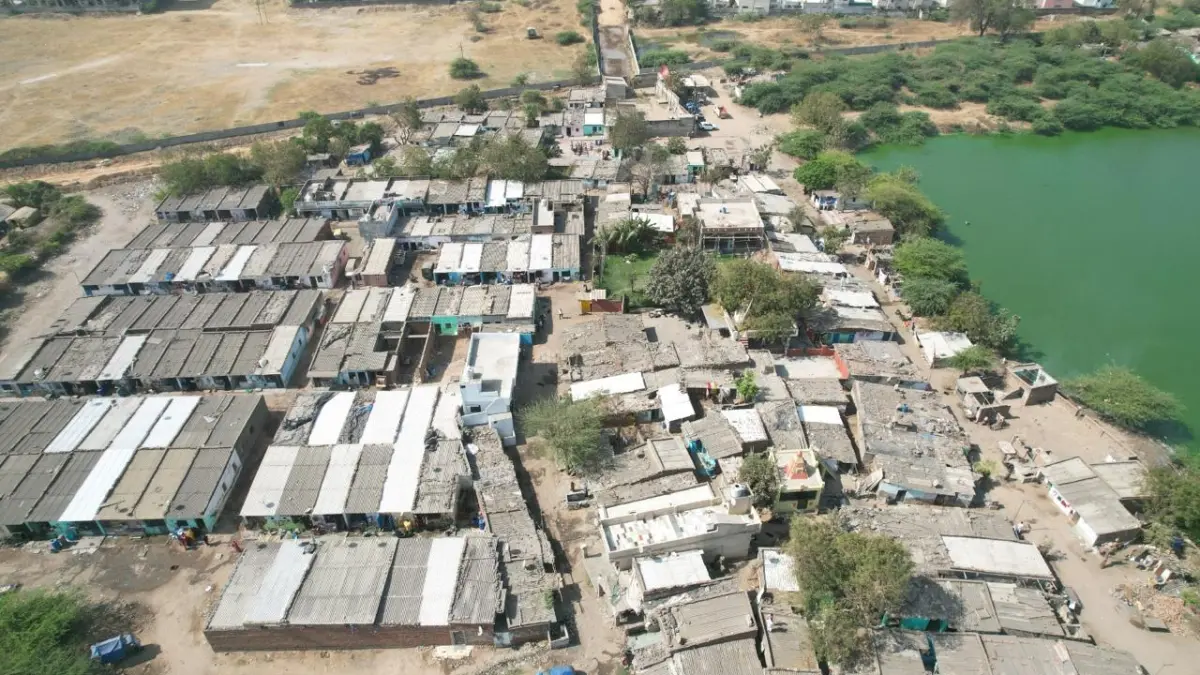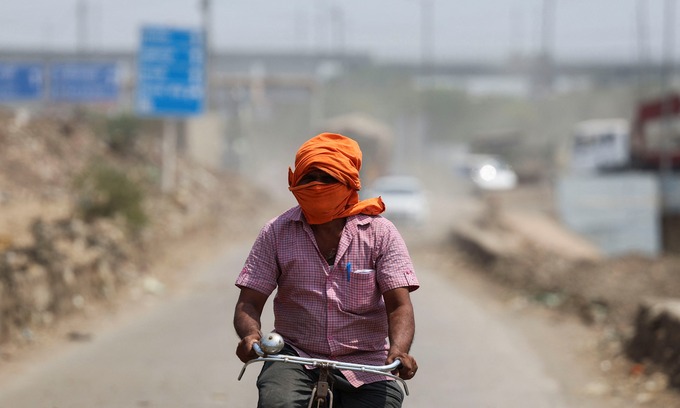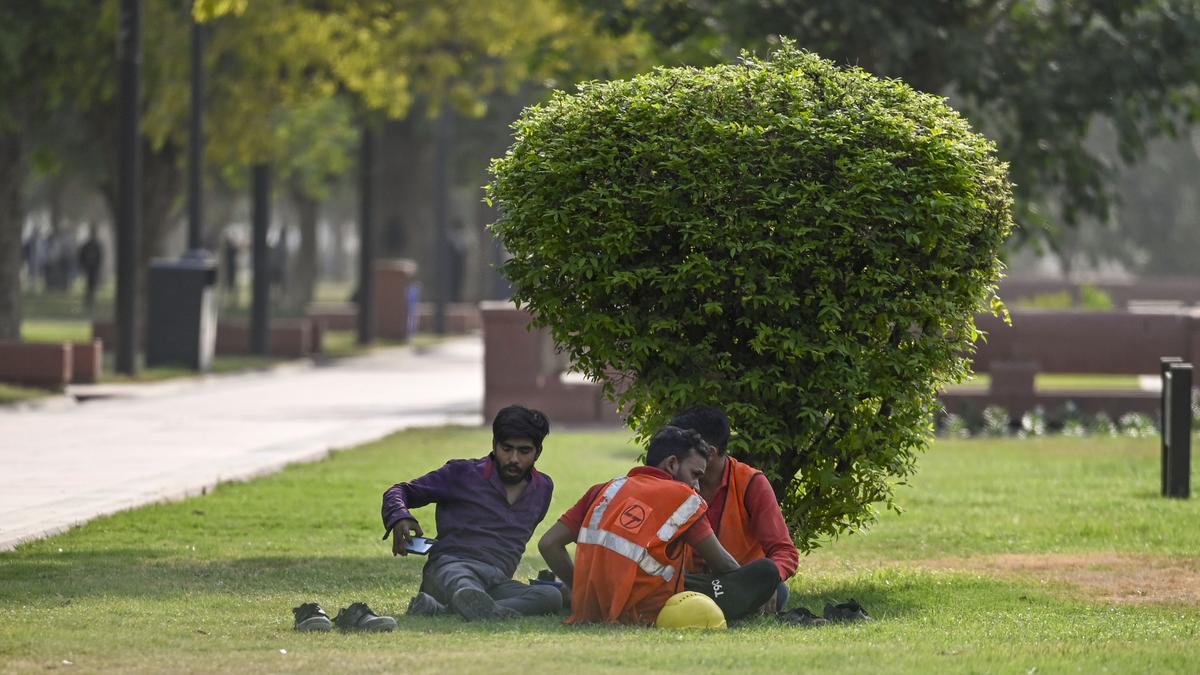
There are nights now when the heat does not end with sunset.Air conditioner (Pexels)You step outside and instead of relief, a hot gust meets you--air that feels as if the day itself is still being exhaled back by the city. Walls remain warm. Roads continue to radiate. Rooftops refuse to release stored heat. Sleep becomes negotiation, not recovery.India is no longer simply getting hotter. It is losing the ability to cool down.And into this reality, air-conditioners switch on almost reflexively.Yet an uncomfortable question now defines India’s summer: What if we are treating a heat problem as an electricity problem?On recent peak days, global temperature maps showed an unusual pattern--95 to 98 of the world’s 100 hottest cities were in India. At the same time, electricity demand surged beyond 250 GW, with cooling emerging as one of the largest drivers. Each additional degree of heat adds more than 7 GW to peak load.These are not separate trends. They are the same system.Cooling behaves differently from most forms of energy demand. It is concentrated, seasonal, and self-amplifying. Heatwaves compress demand into a few critical hours, forcing infrastructure built for rare peaks rather than everyday life. And air-conditioners do not eliminate heat, they move it. From inside rooms to already overheated streets.We are cooling ourselves into more heat.India’s cities are now active participants in this loop. Concrete, asphalt, plastic waste, and glass absorb solar radiation during the day and release it slowly into the night, creating urban heat islands that remain warm long after sunset. Pollution intensifies the effect: black carbon darkens surfaces and reduces reflectivity, trapping even more heat in the urban atmosphere.The result is a quiet but fundamental shift. Indian cities are becoming thermal systems that no longer reset overnight.India's cooling crisis is increasingly a consequence of how its cities create, store, and circulate heat.The problem is no longer just climate. It is design.This is why nights feel different now. Not just warm, but continuously hot.As AI-driven data centres proliferate, cooling may become as strategically important as electricity generation itself. The digital economy, too, is becoming a thermal economy.India’s urban expansion has outpaced its thermal intelligence. Buildings still privilege heat-trapping glass façades. Streets are designed for movement, not shade. Open spaces shrink while heat-absorbing surfaces expand. Each institution optimises its own mandate-housing, transport, energy, environment, while no one is responsible for the combined thermal outcome.So, cities function correctly in parts, but fail as climates.This fragmentation now shows up in electricity data. Cooling demand is no longer a steady load but a compressed emergency. A few weeks of extreme heat now drive grid stress beyond 250 GW, pushing infrastructure built for average demand into survival mode.India is increasingly building power infrastructure to cope with heat generated by the way its cities are built.The response remains largely one-directional: More electricity. But the deeper driver is not supply. It is surfaces.Fortunately, a different approach is emerging not in power plants, but in materials.Nano-engineered cooling coatings are beginning to reduce heat absorption in dense urban materials, allowing concrete and metal surfaces to reflect more solar energy instead of storing it. Radiative cooling surfaces go further, designed to emit heat directly into the sky through atmospheric “windows,” enabling passive cooling without electricity. Experimental chemical approaches such as NESCOD (No Electricity Sustainable Cooling on Demand) explore cooling through endothermic reactions triggered by heat or solar input shifting cooling from mechanical compression to material transformation.What links these technologies is a deeper shift: Cooling is no longer only an electrical service. It is becoming a question of surface design, material science, and thermodynamics.But technology alone cannot solve what governance fragments.Heat has no single owner in India’s institutional system. Urban planning, building codes, energy regulation, and environmental oversight operate separately. Each does its job. Together, they produce cities that accumulate heat faster than they can release it.So, India builds cities where everyone is responsible for part of the system but no one is responsible for the temperature of the whole.The outcome is now visible every summer: rising peak electricity loads, intensifying urban heat islands, and nights that no longer offer true relief from the day.Air-conditioners will remain indispensable for millions of Indians. But no country can sustainably cool every street, rooftop and neighbourhood with electricity alone. The most effective cooling technologies of the coming decades may not be the ones that consume the most power, but the ones that prevent heat from accumulating in the first place.India's next environmental challenge is not simply generating cleaner energy. It is learning how to stay cool with less of it.(The views expressed are personal)This article is authored by Vijay Kanuru, global entrepreneur in residence, Massachusetts Venture Development Center, Boston and founder, Nanoved Research Foundation.
Can India cool without air-conditioners?
Authored by - Vijay Kanuru, global entrepreneur in residence, Massachusetts Venture Development Center, Boston and founder, Nanoved Research Foundation.
781 words~4 min read