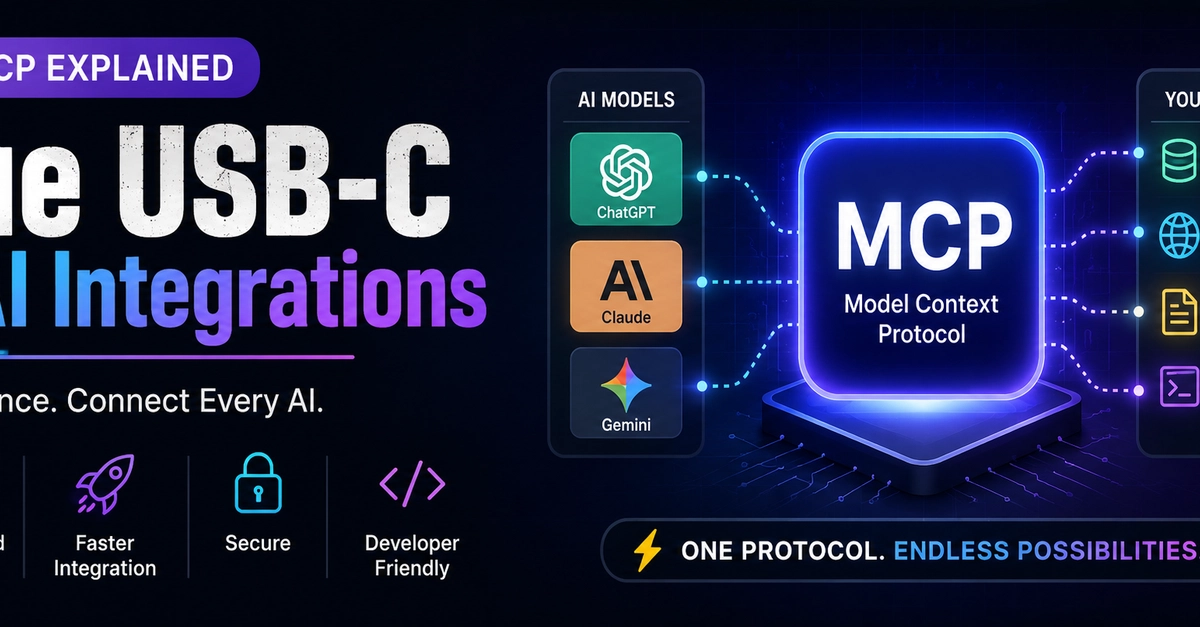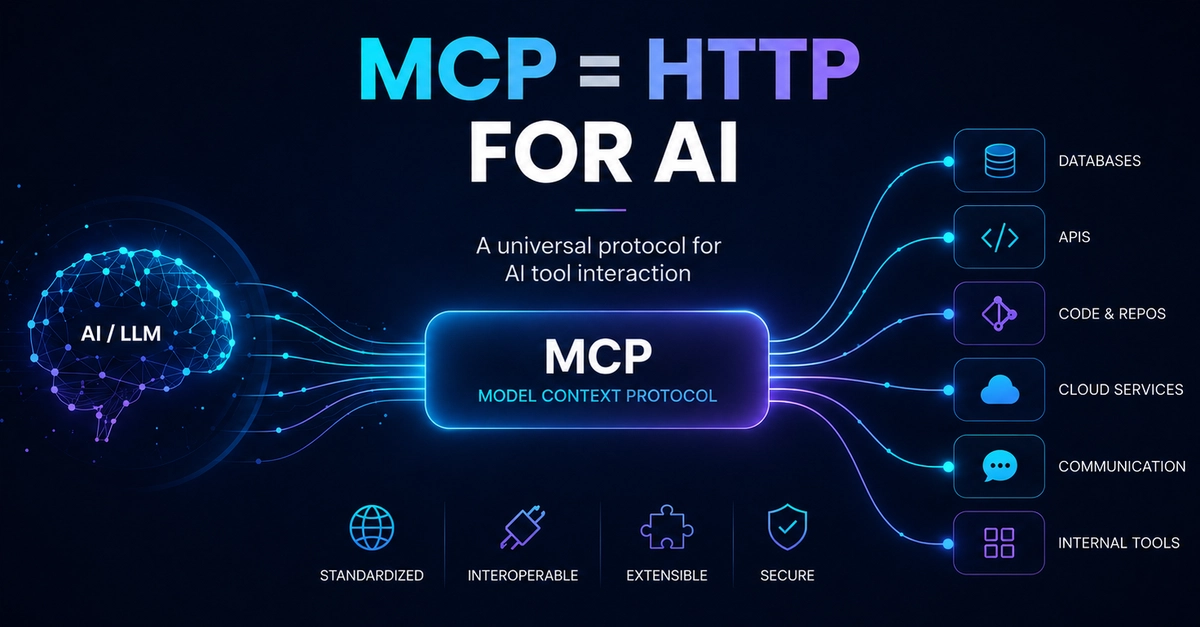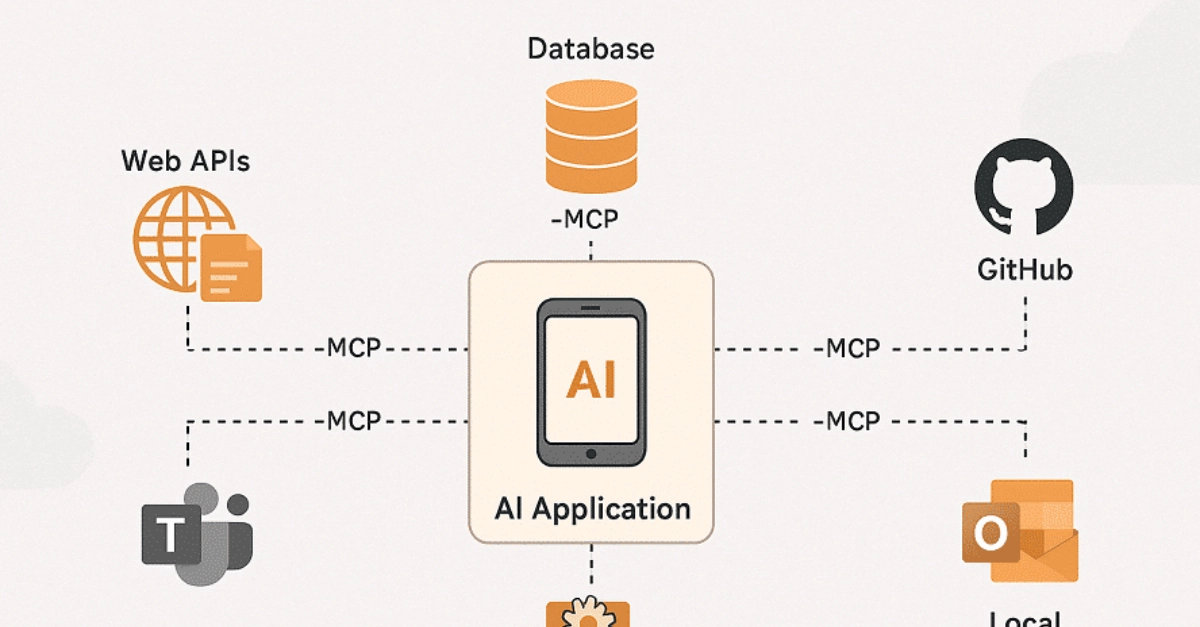
If you’ve been building with Large Language Models (LLMs) lately, you’ve undoubtedly wrestled with connecting them to your data. For the past couple of years, the go-to solution has been "Tools" (or Function Calling). But recently, a new paradigm has emerged: the Model Context Protocol (MCP).
If you’re wondering, "Isn't MCP just another way to do tools?" You’re not alone. Let’s break down what MCP is, how it fundamentally differs from traditional tool use, and why it might just be the missing link in your AI architecture.
The Old Way: Traditional AI "Tools" (Function Calling)
To understand MCP, we first need to look at how we’ve been connecting LLMs to the outside world.
Traditional "tools" rely on Function Calling. As a developer, you define a function (e.g., get_weather(location: string)), provide a JSON schema describing it, and pass it to the LLM. If the model decides it needs the weather, it outputs a structured request, your code intercepts it, runs the function, and passes the result back to the model.