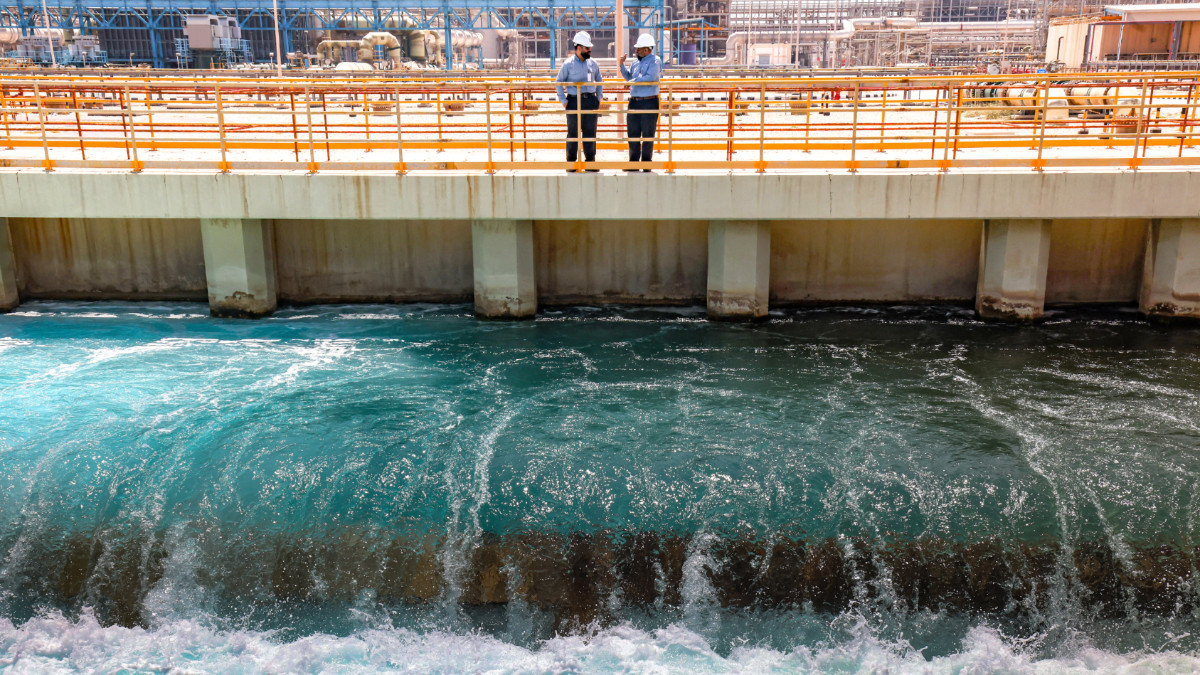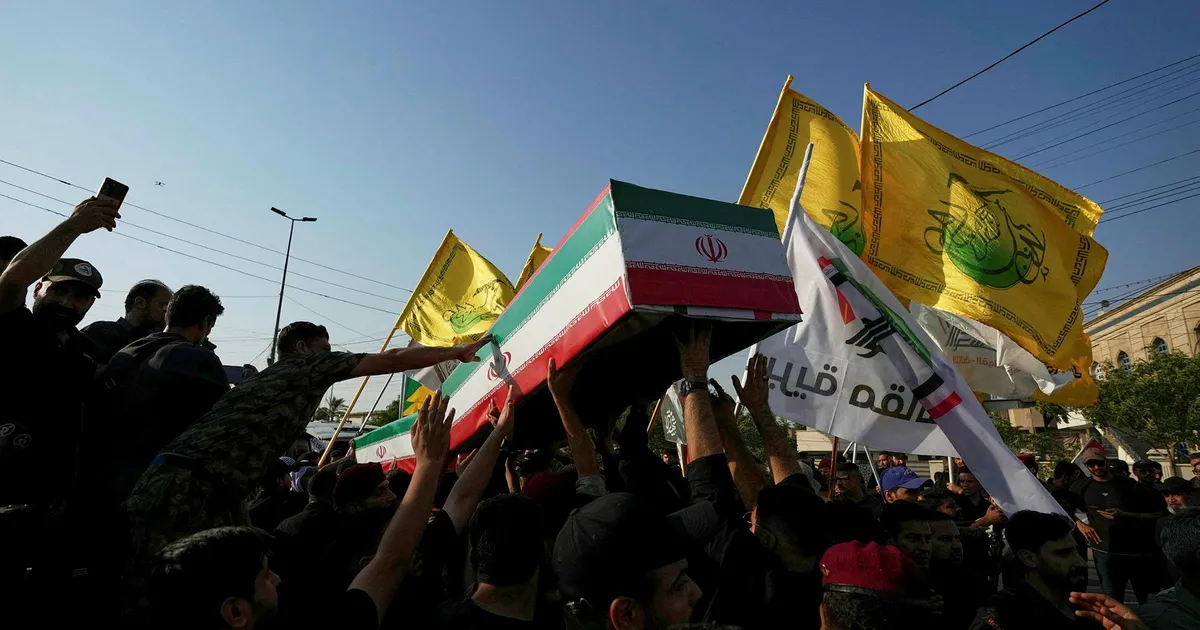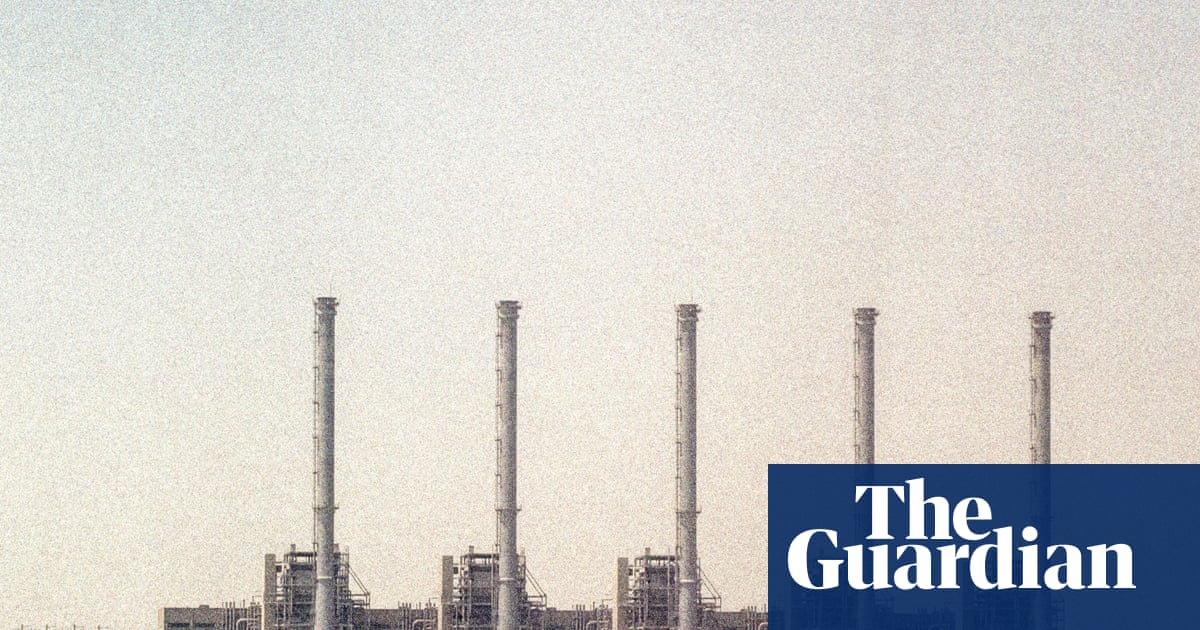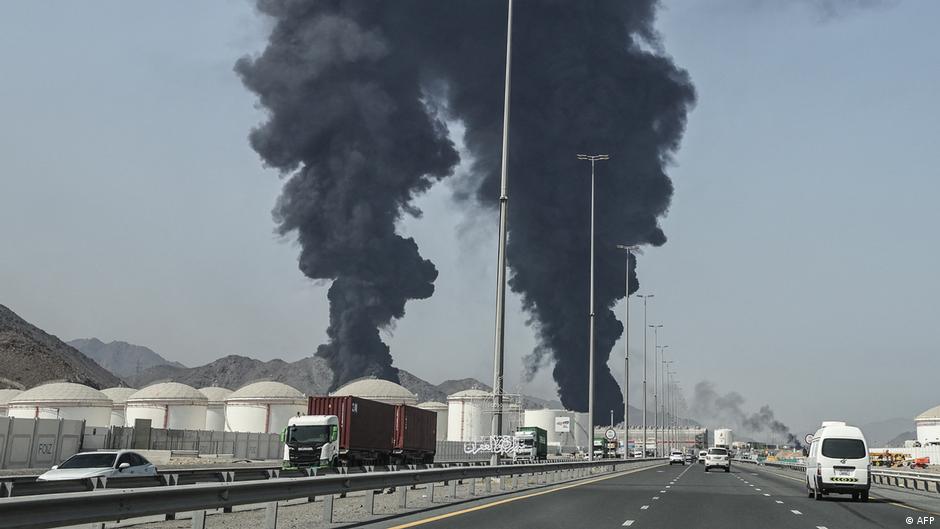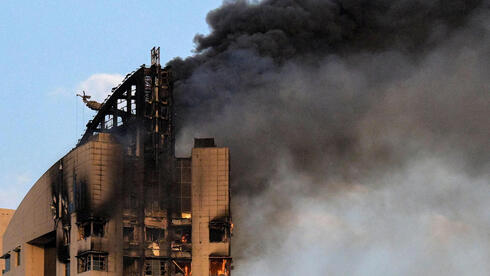
Analysis: Iran’s attacks on desalination plants, airports and energy infrastructure exposed the Gulf’s vulnerabilities, disrupting food supplies, driving up prices and threatening the livelihoods of millions from the Gulf states to Egypt and JordanWhen the United States and Israel launched Operation Epic Fury on February 28, most focused on the military calculus: hardened bunkers, centrifuge counts, command-and-control decapitation. What was underestimated was Tehran's secondary target. Iran did not simply retaliate against American bases. It turned the civilian populations of the Arab Gulf and the broader Middle East into instruments of pressure.The result has been a humanitarian and economic shock that is now reshaping the social fabric of every country from Kuwait to Cairo, from Doha to Amman, in ways that will outlast any ceasefire.3 View gallery Smoke rises from Dubai’s Jebel Ali Port following an Iranian attack (Photo: Amr Alfiky/Reuters)Start with water. It sounds almost too elemental to be a war tactic, but Iran's early strikes on desalination infrastructure in Kuwait and the UAE were not random. Desalination plants are the source of 99 percent of drinking water in Kuwait and Qatar. When Iran targeted these facilities, it was not striking military assets. It was threatening civilian survival at its most basic level. The Gulf states that had spent decades building gleaming skylines and positioning themselves as global hubs discovered that their entire physical existence rested on infrastructure vulnerable to a single adversary with ballistic missiles and a motivation to use them.The food picture is equally alarming. The maritime blockade triggered what retailers across Gulf Cooperation Council (GCC) states described as a "grocery supply emergency." The region relies on the Strait for over 80 percent of its caloric intake, and by mid-March, 70 percent of the region's food imports were disrupted, forcing retailers to airlift staples and resulting in a 40 to 120 percent spike in consumer prices. Think about what that means in human terms. A family in Dubai or Manama that spent years building a comfortable life, saving remittances, sending children to good schools, suddenly finds that the cost of rice and cooking oil has doubled or tripled overnight.On the first day of the war, Iranian missiles and drones hit not only military facilities in Gulf states hosting American forces but also civilian targets including hotels, energy infrastructure and international airports in Abu Dhabi, Bahrain, Dubai and Kuwait.These were not incidental. The Gulf model rests on four pillars: hydrocarbons, tourism, aviation and financial services. Iran struck all four simultaneously. The attacks were the most serious and sustained threats to the physical security of the GCC states since the Iraqi occupation of Kuwait in 1990. Emirates and Qatar Airways faced near-total operational collapse as airspace closures cascaded across multiple jurisdictions. Dubai's airports, which had become a symbol of Gulf confidence and connectivity, fell silent.3 View gallery Desalination plant (Photo: Annika Hammerschlag/AP)The human scale of the crisis is staggering. Roughly 62 million people living in the six GCC countries have been caught in the crossfire. Of those, migrant workers make up the overwhelming majority, with more than 9 million Indians, approximately 5 million Bangladeshis and around 5 million Pakistanis working across the region. These workers, employed in construction, hospitality, tourism and healthcare, are not just bystanders in a geopolitical conflict. They are the backbone of Gulf economies, and the remittances they send home represent economic lifelines for their home countries. Iran's targeting strategy was effectively an economic weapon aimed not only at Gulf governments but at tens of millions of working-class families thousands of miles away.The International Monetary Fund (IMF) has described the regional economic fallout as among the largest six-month downgrades to regional growth projections it has made since the global financial crisis. Under its reference scenario, growth across the MENA region is expected to slow to 1.4 percent in 2026, a downgrade of 2.3 percentage points from October 2025 projections. For the GCC specifically, real GDP growth has been downgraded by nearly two percentage points, with the UAE and Qatar suffering the most acutely due to their inability to reroute hydrocarbon exports.But the cruelest dimension of this crisis is its reach into countries that had nothing to do with the Iran nuclear file: Egypt, Jordan and the arc of import-dependent economies that stretch across North Africa and the Levant. 3 View gallery Aftermath of an Iranian drone attack on Kuwait City, Kuwait (Photo: AFP)The World Food Program has warned that the world could see record levels of food insecurity in 2026 if the Iran war continues, with an estimated 45 million additional people pushed into acute food insecurity as a direct result of the conflict. In Egypt, which is among the world's largest wheat importers, the government has already reinstated price controls on unsubsidized bread sold in private bakeries. In Jordan, which imports roughly 90 percent of its energy needs, fuel rationing has become the new normal.The historical parallel is not subtle. The Middle East, including the Gulf and North Africa, has the world's highest per capita wheat consumption. Skyrocketing bread prices and food insecurity were contributing factors in the Arab Spring rebellions of 2011 and 2012, and in Egypt specifically, the political situation became unmanageable when bread prices surged in the years before the uprising. Iran has effectively weaponized that history. The regime in Tehran, fighting for its survival under unprecedented military pressure, understood that the most reliable way to generate Arab pressure against the American-Israeli campaign was not to win on the battlefield but to make the daily lives of Arab populations unbearable.Surging food prices could spell trouble for governments across the region, stoking public anger and driving political instability in landlocked and import-dependent countries in exactly the way food insecurity did more than a decade ago. Amine AyoubThe irony is as painful as it is instructive. Ordinary Egyptians queuing for subsidized bread, Filipino and Bangladeshi construction workers sheltering from drones in Sharjah, Jordanian families rationing cooking gas: these people made no decision about the Iran nuclear deal. They have no vote on the Abraham Accords or the architecture of regional security. Yet they are bearing the cost of a war that was prosecuted in the name of regional stability.The strategic lesson here should register in every capital from Washington to Riyadh: Iran's geography is itself a weapon. Roughly one-third of the world's seaborne crude oil trade passes through the Strait of Hormuz, along with one-fifth of global LNG shipping. Any framework that claims to have resolved the Iranian threat while leaving that chokepoint under Tehran's potential influence has not resolved anything. It has simply deferred the next round of hostage-taking.The Arab world spent years telling itself it could profit from modernization while outsourcing its security to Washington. Iran just proved that was never quite true. The 62 million people of the Gulf, and the 400 million more across the broader MENA region, are paying the tuition on that lesson in real time.Amine Ayoub, a fellow at the Middle East Forum, is a policy analyst and writer based in Morocco. Follow him on X: @amineayoubx
Missiles, bread and water: how Iran held the Arab world hostage
Analysis: Iran’s attacks on desalination plants, airports and energy infrastructure exposed the Gulf’s vulnerabilities, disrupting food supplies, driving up prices and threatening the livelihoods of millions from the Gulf states to Egypt and Jordan
1,169 words~5 min read