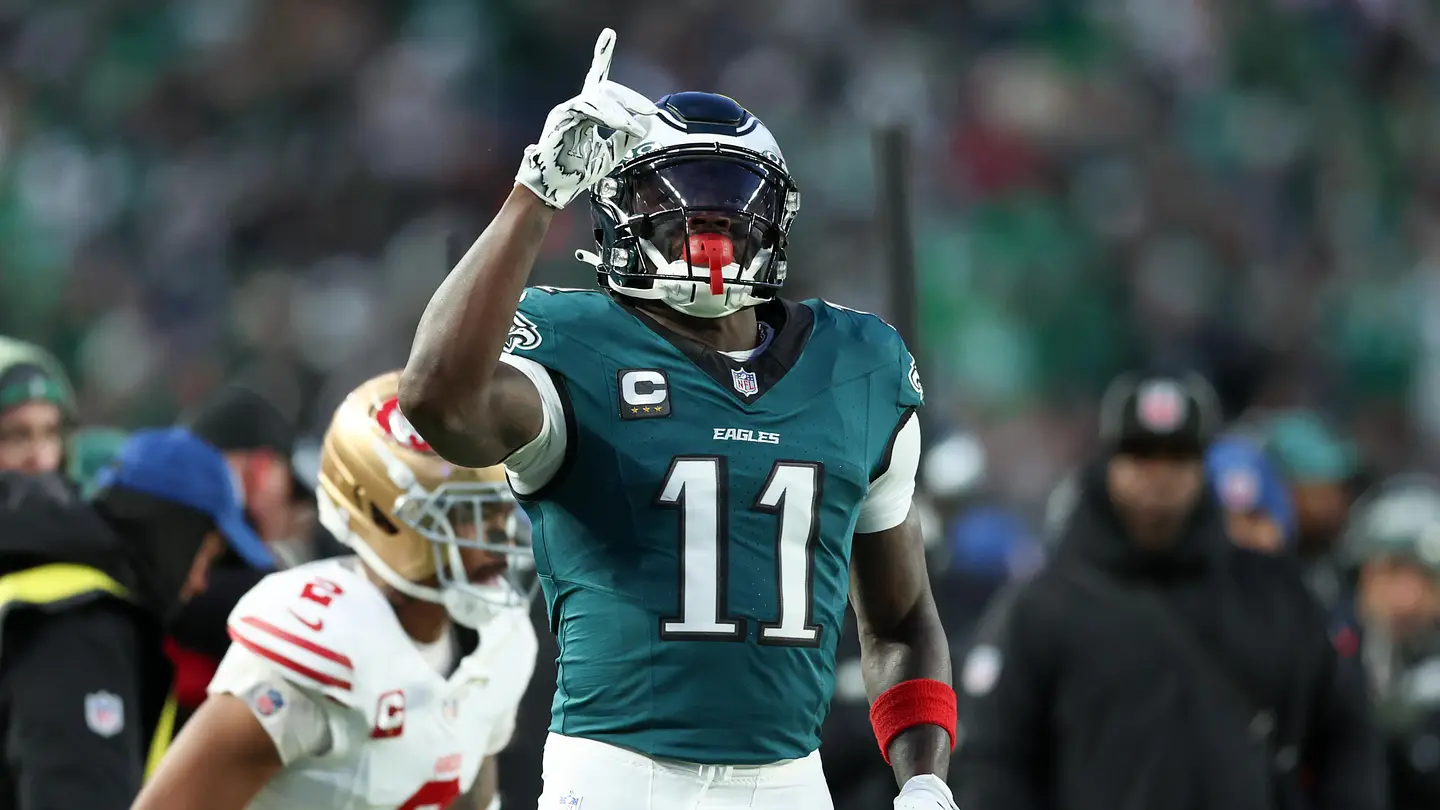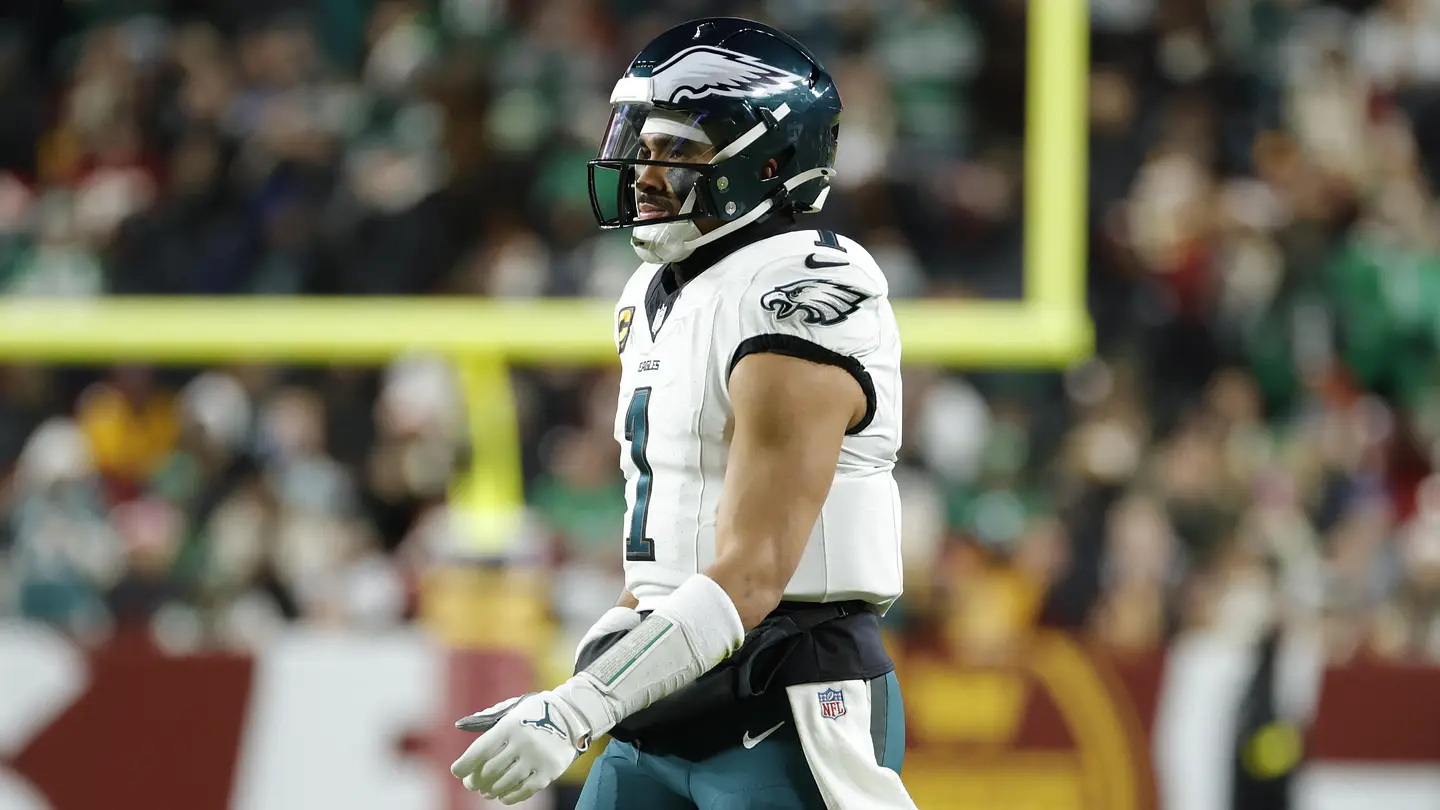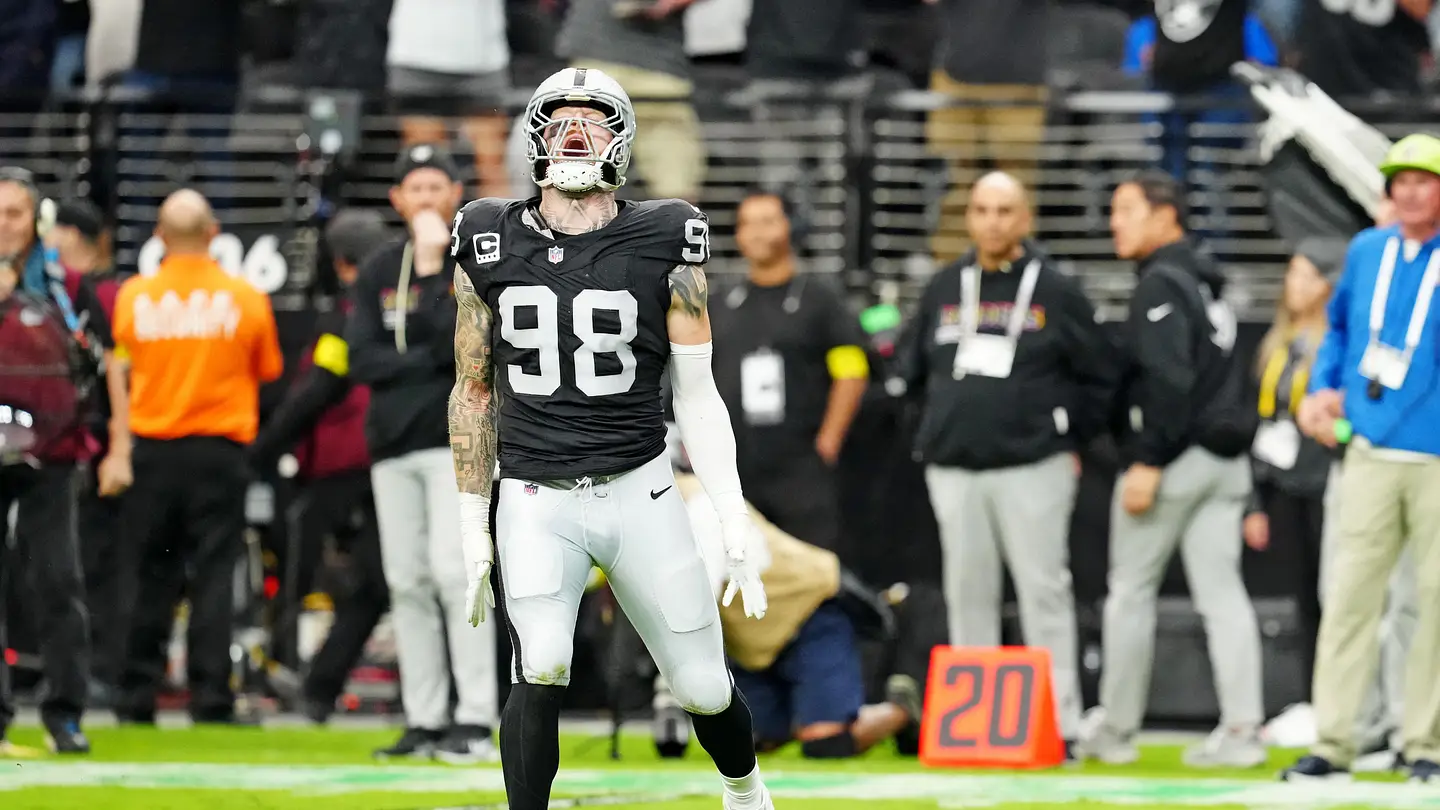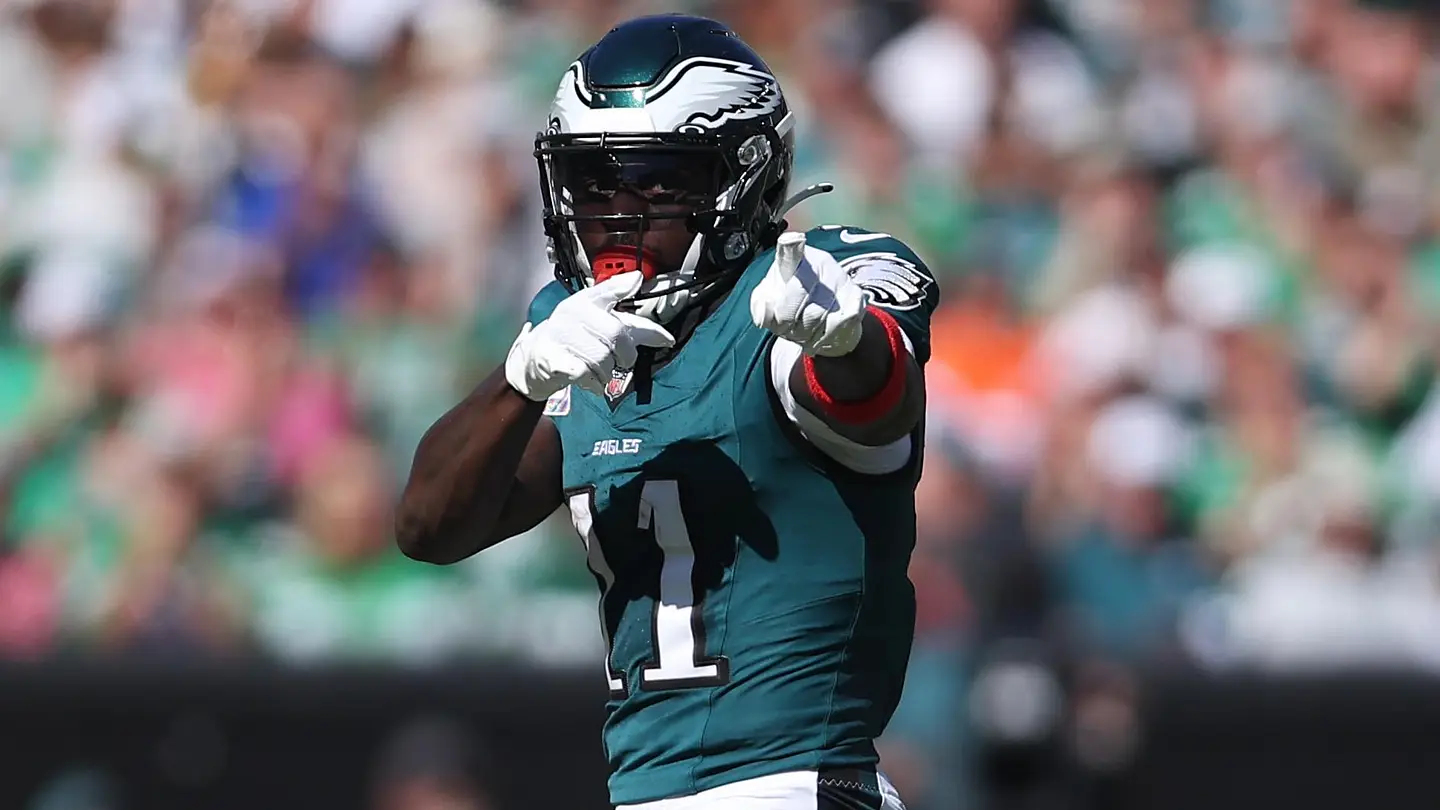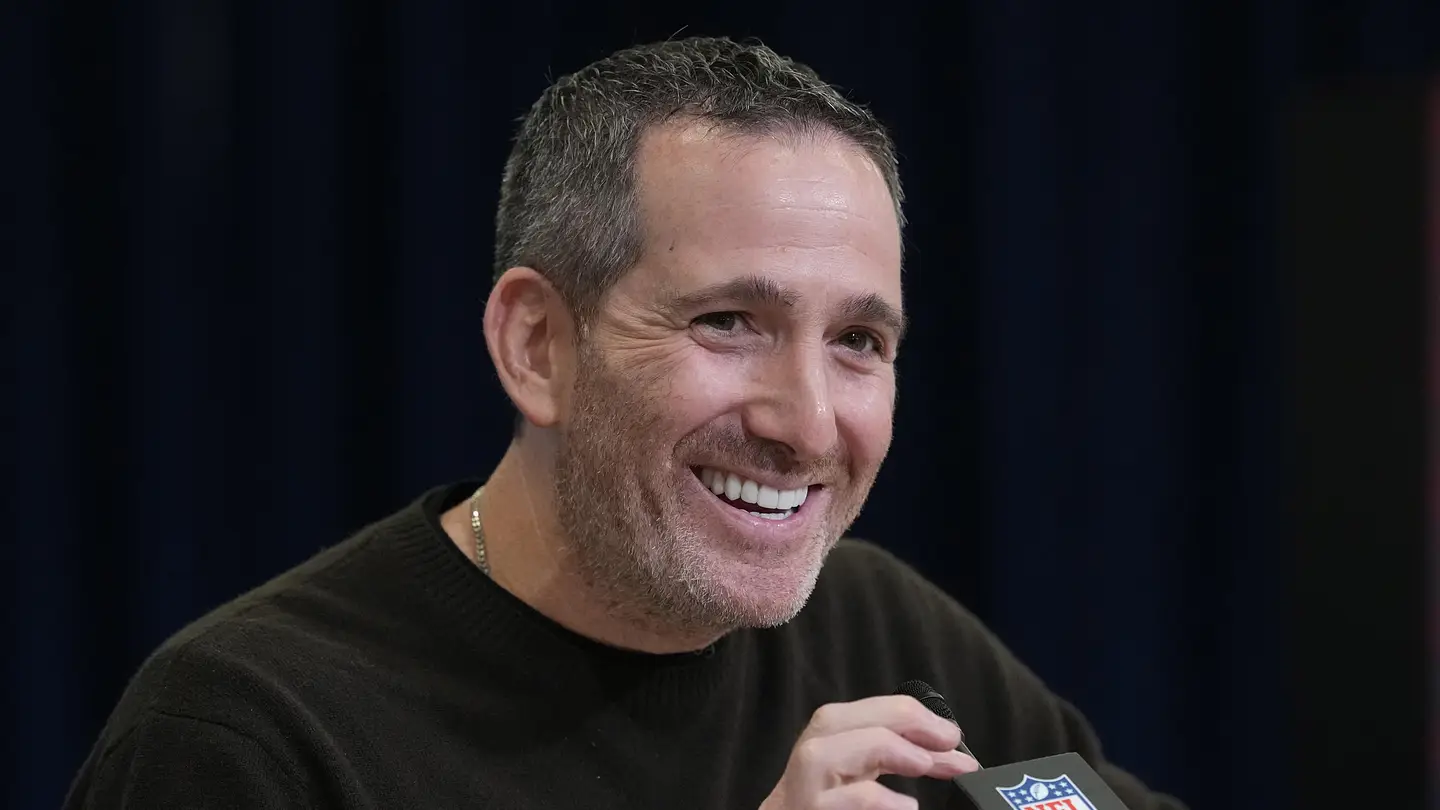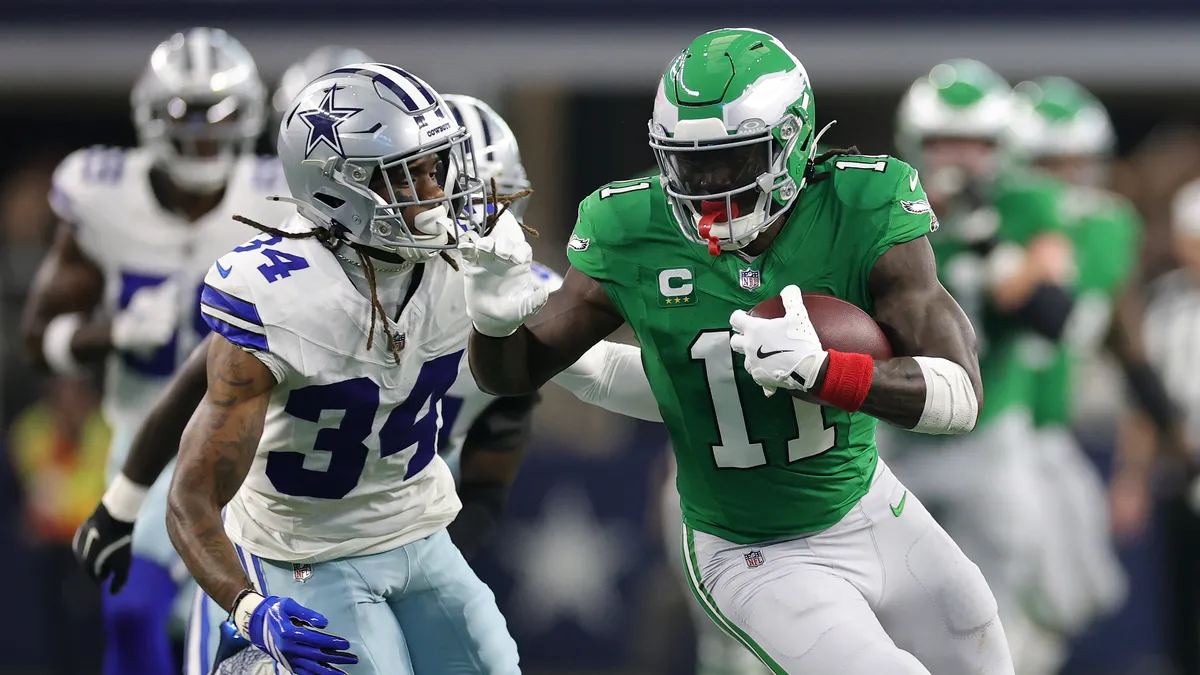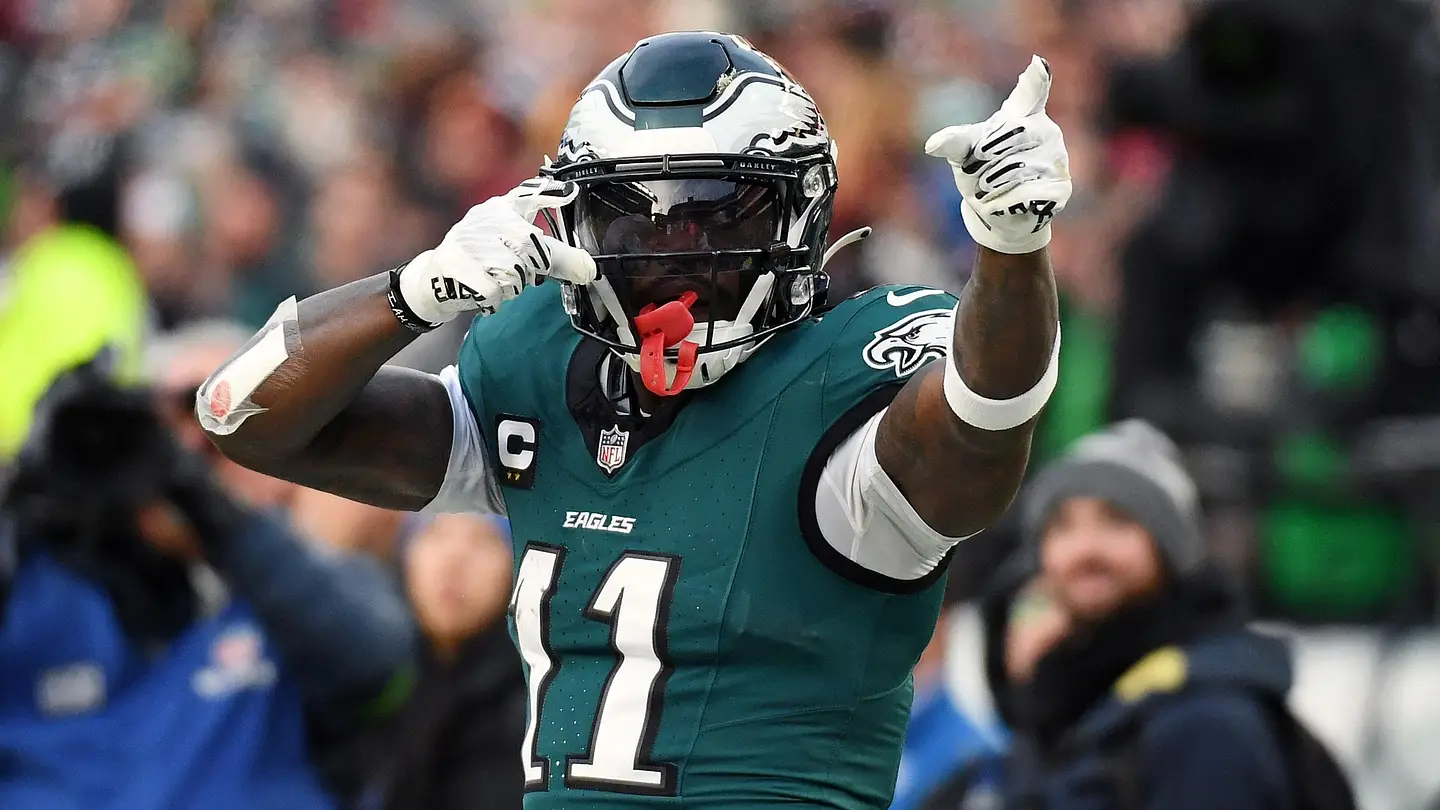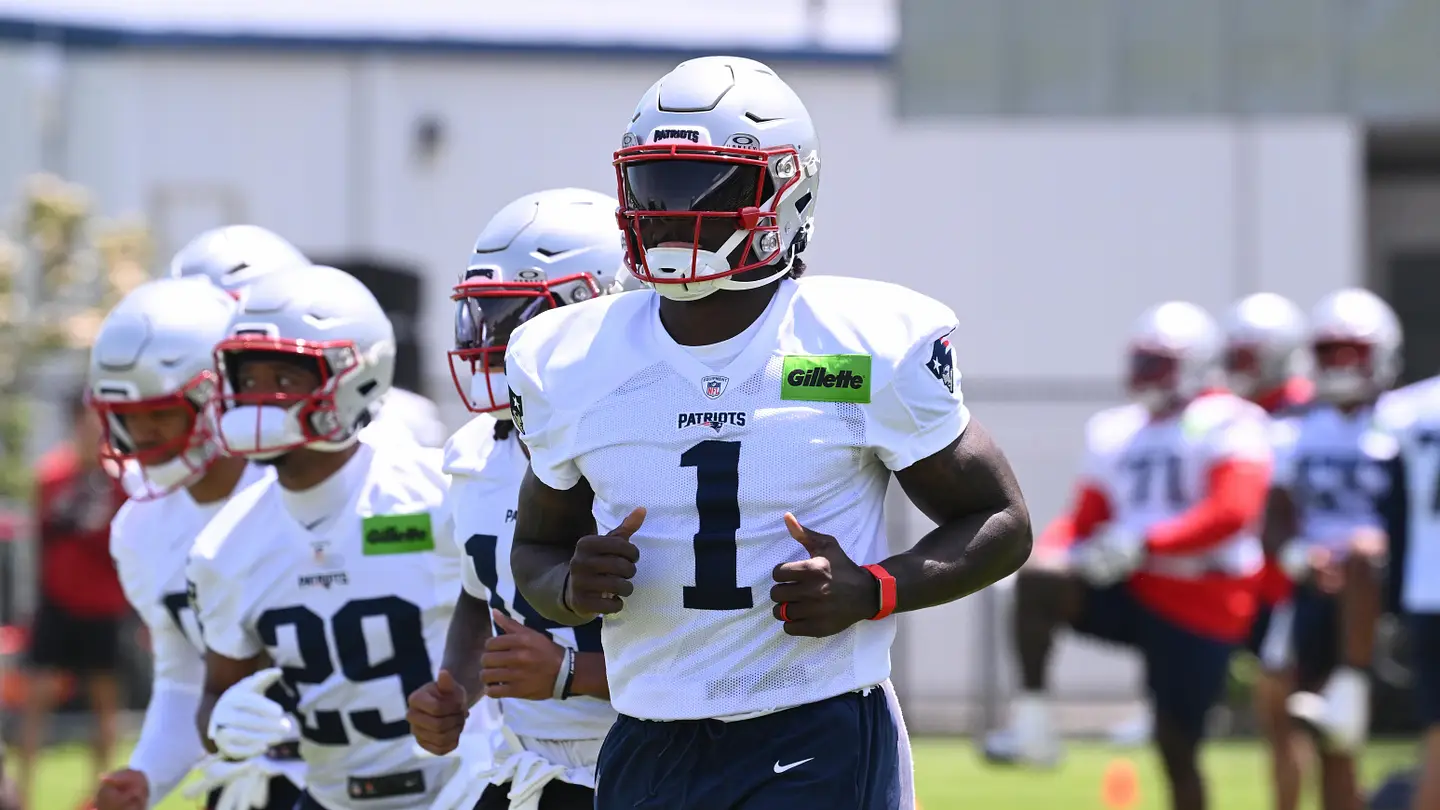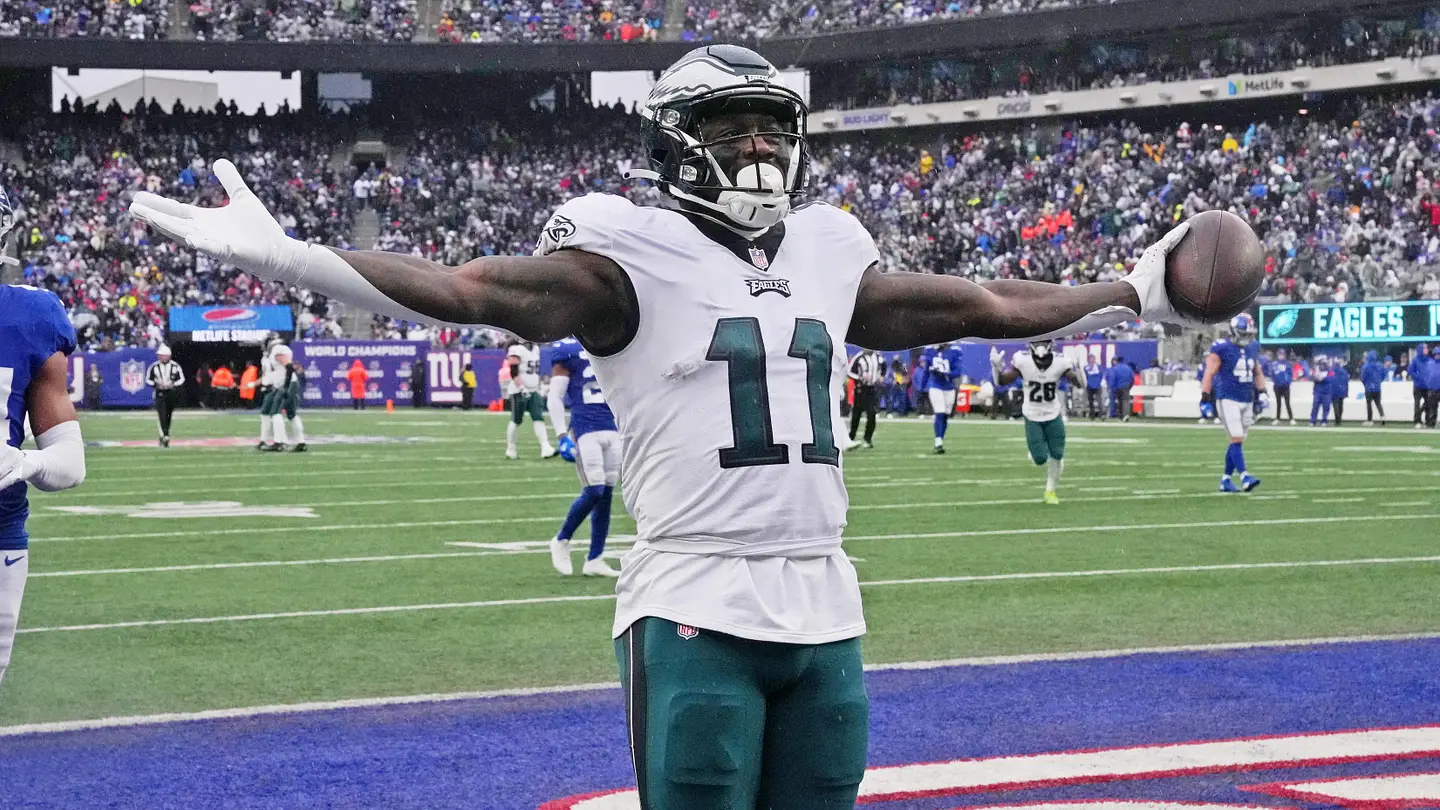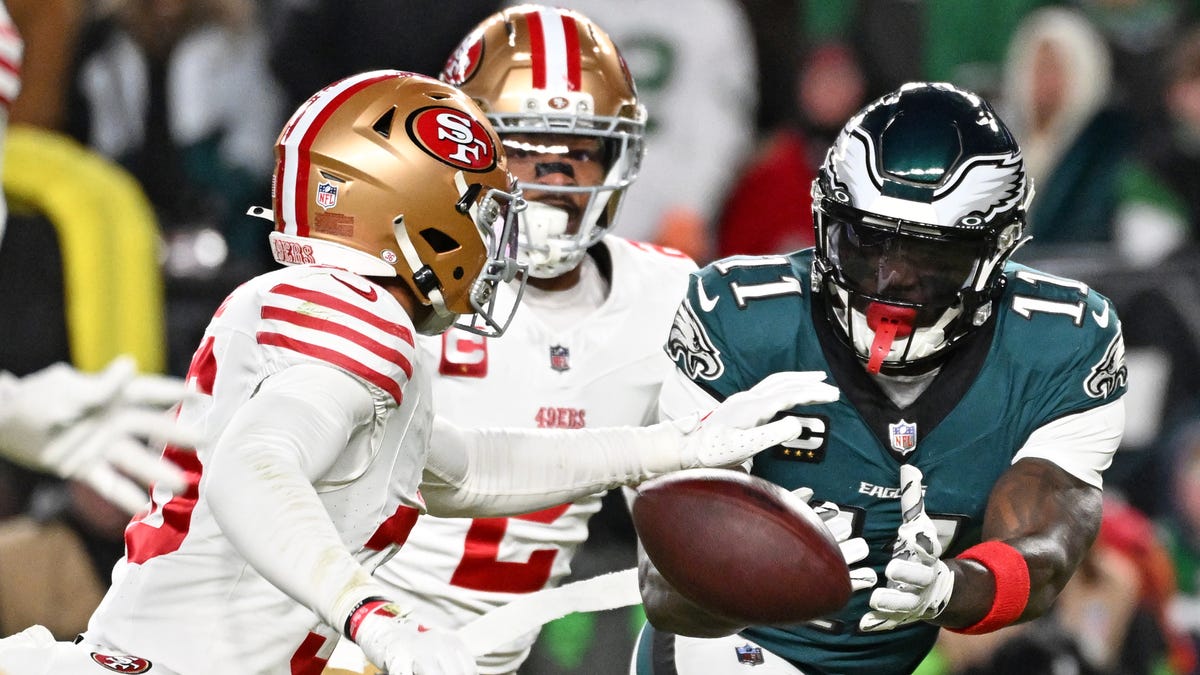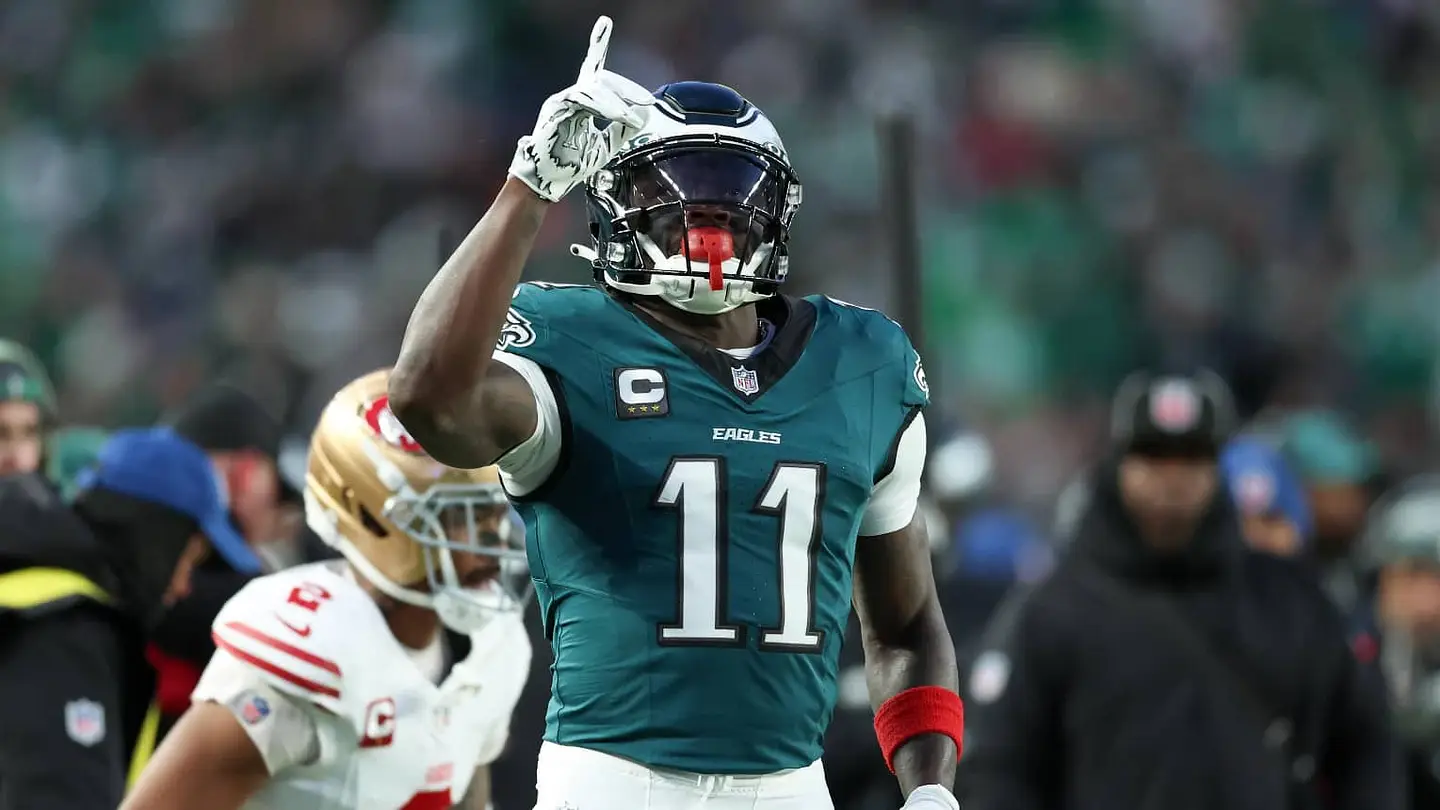
PHILADELPHIA — It was the fourth pick of the third round of April’s NFL Draft, and the Philadelphia Eagles were on the clock. The pick originally belonged to the New York Jets, the reward for a dismal season. Except the Eagles owned it because of a trade they made two years earlier.In April 2024, the Eagles traded Haason Reddick for a 2026 third-round pick. It seemed like a long time to wait for the trade return on a high-level player. Eagles general manager Howie Roseman did not view the down-the-road pick as a deterrent. There would be a draft two years later. Roseman intended to be the executive making the pick.This isn’t like a dollar; it’s not a currency that wavers with inflation. The only differences each year are the slot and the available player pool. So, when Roseman selected Markel Bell with the No. 68 pick in April and the flexibility for the trade for Jonathan Greenard with a second third-round pick, he had the Reddick trade to thank.This history — and philosophy — is informative this week. The Eagles traded A.J. Brown to the New England Patriots for a 2028 first-round pick and a 2027 fifth-round pick. Roseman said his requirement for making the deal was a first-round pick. But he was less insistent on what year that pick would come, and the Eagles see value in the uncertainty of a future pick.“We’ve always been in the mindset a pick is a pick — a first-round pick is a first-round pick,” Roseman said. “Doesn’t matter. Teams are still going to be playing football in 2028.”There’s a school of thought that a pick should be devalued one round for every year a team must wait. That’s not a philosophy to which the Eagles ever subscribed — even preceding Roseman’s time as GM, when former Eagles president Joe Banner helped oversee the roster. The Eagles have long targeted future picks in deals and have tried to capitalize on the notion that they’re worth less.The biggest detriment is that they aren’t adding a player to help the roster this season, a reality that required the Eagles to plan accordingly. Because the Eagles wanted to delay a trade until after June 1 for salary-cap purposes, they could not trade for a 2026 pick. They valued splitting the salary-cap hit over two seasons more than an immediate pick.Still, suppose the Eagles made a trade for the Patriots’ 2026 first-round pick. That was pick No. 31 because the Patriots made the Super Bowl last season. The unknown of the 2028 pick is like playing the lottery — or, perhaps more aptly described, playing the odds. Unlike an NBA trade, there are no pick protections in the NFL. If this were the NBA, it would be described as an unprotected first-round pick, an oft-coveted resource.Unless the Patriots make or win the Super Bowl in 2027, the 2028 pick will be higher than it was in 2026. And there’s so much variability in the NFL — a quarterback injury, the record in one-score games — that there exists an avenue for the pick to push into the top half of the draft. When the Jets traded the pick for Reddick, they had drafted outside of the top 10 in back-to-back seasons and thought they were on the verge of contending with Aaron Rodgers. The idea was not to be back in the top five two years later. That’s part of why the Eagles are intrigued by future picks compared to picks locked into the bottom of a round.It also factors into how the Eagles assess value in present-day trades. Take the Denver Broncos’ trade for Jaylen Waddle, which has been used as a comparison to the Brown deals. The Broncos traded the Miami Dolphins a first-round pick, a third-round pick and an exchange of fourth-round picks. Because it was in the 2026 draft and the Broncos were one of the NFL’s final four teams last season, the picks were known at the time of the deal: the No. 30 pick, No. 94 pick and No. 130 pick for Waddle and the No. 111 pick. Based on trade value charts, including those the Eagles use, the total value of the trade was around the No. 25 pick. The Eagles must wait two years to see whether the Brown trade will yield a pick higher than that.During an interview for the 2024 book “The Franchise: Philadelphia Eagles,” Eagles owner Jeffrey Lurie offered different examples of how the Eagles benefited from valuing future picks — including trading down in the 2021 draft to add a future first-round pick, and a 2022 trade with the New Orleans Saints to land a future first- and second-round pick — picks that helped the Eagles secure Jalen Carter and Cooper DeJean. Lurie said an example of a team-building strategy that long resonated with him came in the 1978 NBA Draft when the Boston Celtics drafted Larry Bird, knowing Bird was returning to Indiana State. They waited a year and reaped the reward.In an interview for that same book, Banner explained how the Eagles had viewed the devaluing of future picks as a market efficiency and looked for opportunities to acquire them when available. In April 2004, the Eagles traded A.J. Feeley for a second-round pick — not in the 2004 draft, but one year later in 2005. In 2008, the Eagles traded their first-round pick for a second-round pick, a fourth-round pick and a 2009 first-round pick. With an extra 2009 first-round pick, they were able to acquire Jason Peters.One commonly held talking point is that Roseman has the luxury of making trades for picks two years later because of his perceived job security. There’s validity to the argument that Roseman has more power and a stronger grasp on his job than most NFL general managers. That does not tell the whole story about the strategy. It might be a chicken-or-egg argument, but Lurie’s counter would be that Roseman does not make forward-thinking moves because of job security, which comes because of forward-thinking moves.“If he were any less bold, he wouldn’t be my general manager,” Lurie said before the Super Bowl in February 2023.Of course, the Eagles received a 2028 pick, not a 2027 pick. There’s considerable excitement in the league about next year’s draft class. Those picks are viewed at a premium.There are a number of factors that the Eagles consider in this situation. The high-value contracts that prompted players to return to college in 2026 are expected to exist next year. The reality of the NIL era is such that fewer underclassmen are expected to enter the draft. Among underclassmen in Dane Brugler’s initial top 50 last year, 11 returned to school.“I know there’s a lot of attention on the 2027 draft,” Roseman said, “but at the same time, looking at the ’28 draft, I feel confident that that’s going to be a good draft as well and that we’ll be in position to really improve our football team.”The Eagles are also expecting a transition in contracts during the next two seasons. By the 2028 offseason, Carter, DeJean and Jalyx Hunt, among others, will be entering potential second contracts. Greenard will have no guaranteed money remaining on his contract. DeVonta Smith would have no guaranteed money remaining on his contract and would potentially be on a new deal. And this doesn’t even account for Jalen Hurts, whose contract expires in 2028 and who has no guaranteed money after the 2027 season.This is all a way of saying that Roseman does not view the Brown trade as settling for a 2028 pick, just as he didn’t settle for the third-round pick this year. He insisted on a pick in a round. He did not place a premium on when that pick would arrive.
Why Eagles are willing to wait until 2028 for A.J. Brown trade return
The Eagles have long targeted future picks in deals and have tried to capitalize on the notion that they're worth less.
1,301 words~6 min read