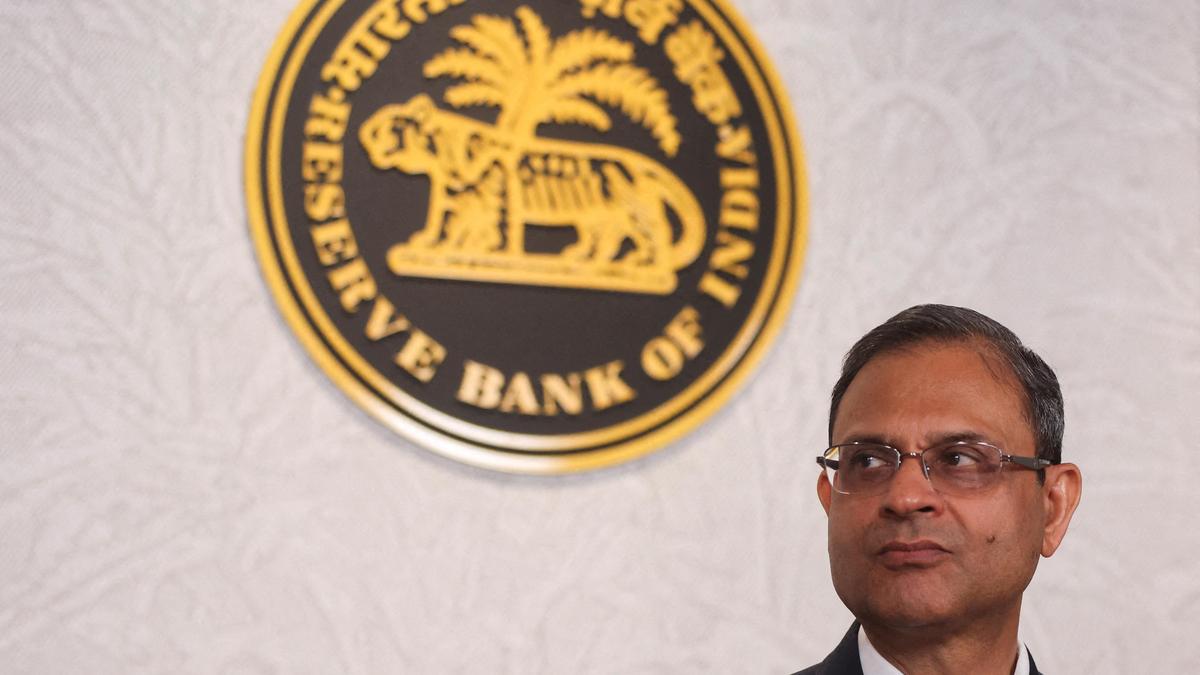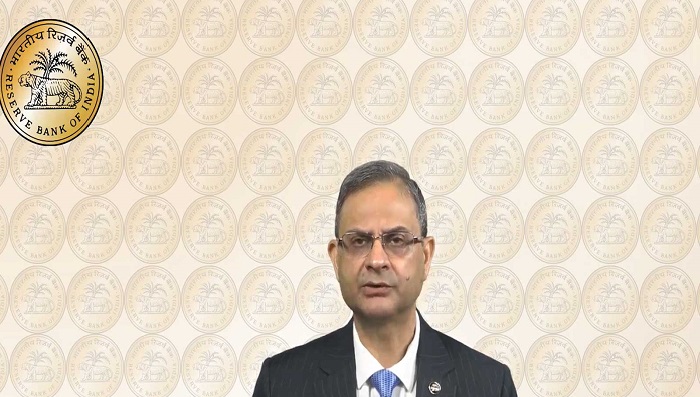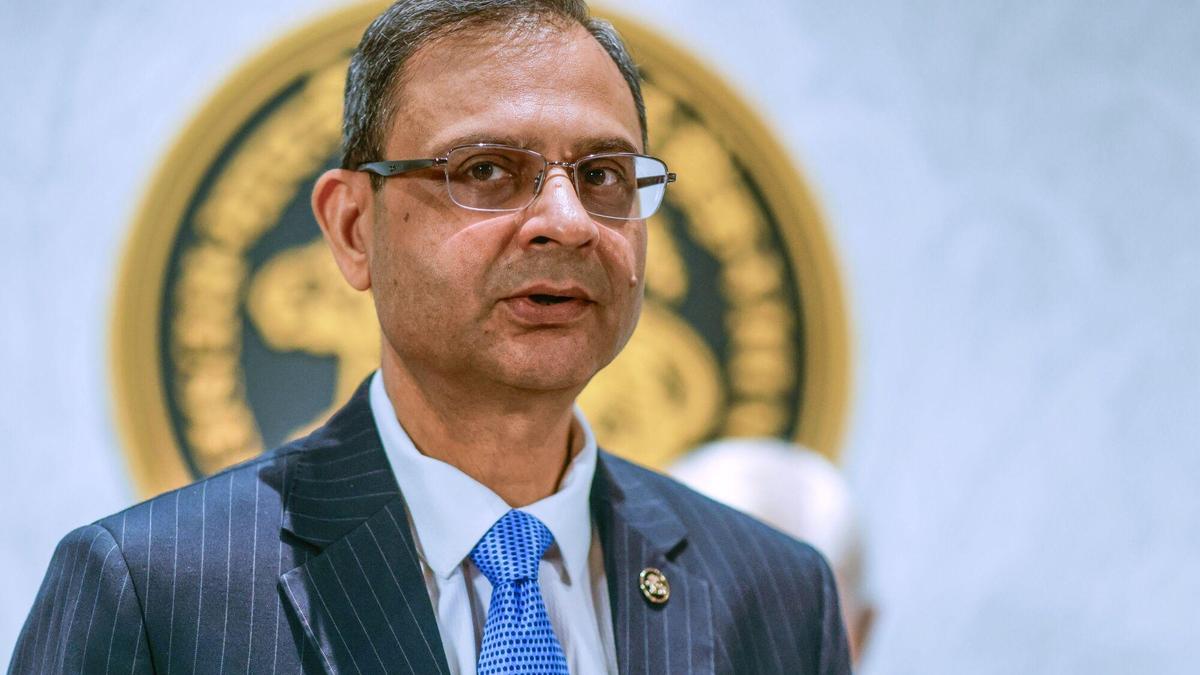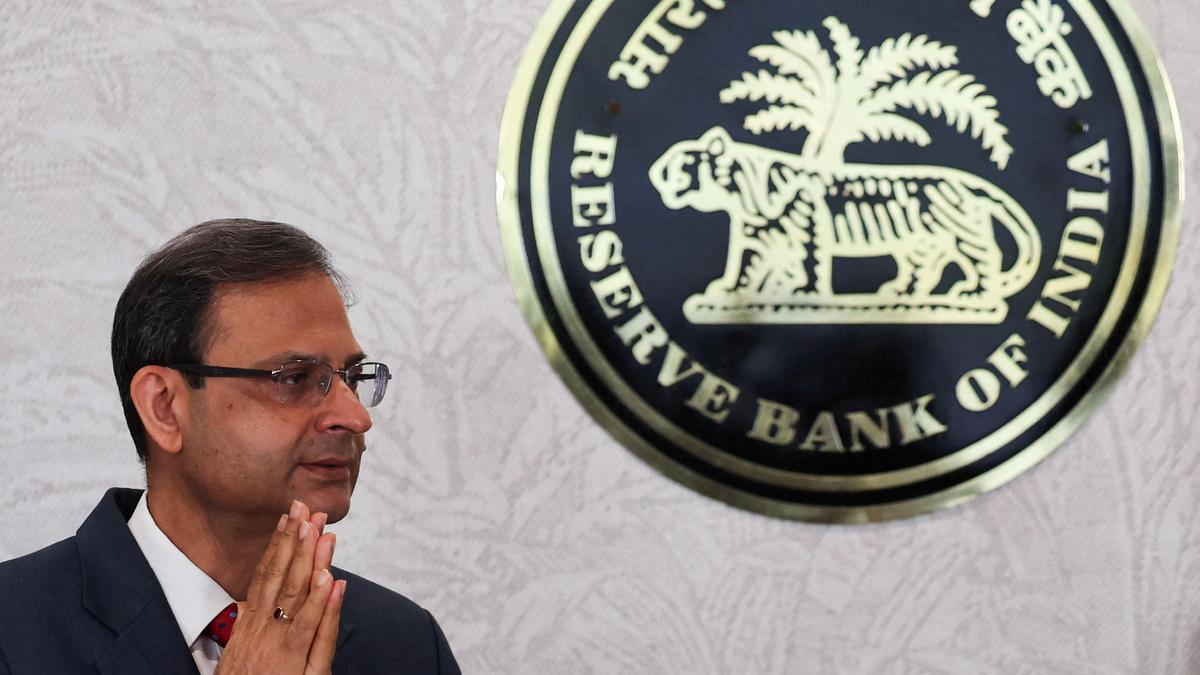
The Monetary Policy Committee (MPC) of the Reserve Bank of India, in its bi-monthly review on Friday, decided to keep the repo rate unchanged at 5.25% and maintained its neutral stance. The decision to keep the repo rate unchanged in the June policy meeting marks the second consecutive such move by the RBI.Here is how mutual fund managers explain the policy for investors:Amit Modani, Senior Fund Manager, Lead – Fixed Income, Shriram AMC The Reserve Bank of India has explicitly acknowledged that these prolonged global geopolitical tensions, with no meaningful resolution in sight, have significantly heightened risks to both inflation and economic growth. Until global crude prices and the Indian Rupee exhibit clear stabilization, investors should limit duration additions to slow, tactical phases. Also Read | RBI MPC decision: How should mutual fund investors change their strategy after rate pause? Until then, compressing portfolio duration, deploying high-yield accrual strategies, and maintaining a short-term maturity focus remain the most prudent paths to achieving optimal risk-adjusted returns. Furthermore, structural inflows into the domestic bond market will depend heavily on index inclusion flows, the movement of global yields, and the behavior of international yield spreads relative to domestic debt. Dhawal Dalal, President and CIO - Fixed Income, Edelweiss Mutual FundBoth GOI and RBI have announced a number of measures to augment much-needed capital inflows. This should have a net positive impact on India's FX reserves and investor sentiment in the medium-term. That said, with average CPI expectations being raised, bond market investors will have to brace for a gradual increase in policy rates down the road.Vipul Bhowar, Senior Director, Head of Equities at Waterfield AdvisorsFor investors, the current strategy emphasises capital preservation by focusing on high-quality equities with strong pricing power. This cautious approach is designed to navigate the prevailing geopolitical uncertainties until conditions stabilise.Vikram Chhabra, Senior Economist, 360 ONE AssetWe expect pressure on the rupee to ease from here. However, the growth-inflation trade-off is becoming more acute, and the RBI may need to weigh rate hikes in upcoming meetings.Murthy Nagarajan, Head fixed income, Tata Asset ManagementThe bonds market is expected to trade range bound in the coming months with ten-year yields trading at 7 percent. This can undergo change if Crude oil prices trade higher than 100 dollar per barrel on a sustained basis. The ten year yield is trading in the band of 6.96% to 6.99% levels as market players expected no repo rate hike by RBI.Rajeev Radhakrishnan, CFA, CIO – Fixed Income, SBI Mutual FundWith inflation projections being revised upwards, policy rates are expected to trend higher over the coming months. The concessional swap facility should help stabilise short-end market rates and the foreign exchange market in the near term.Also Read | Quant Smallcap among 16 equity mutual funds that multiply lumpsum investments by over 2.3x in 5 yearsRajani Sinha, Chief Economist, CareEdge Ratings The future trajectory of policy rates will largely depend on the MPC’s assessment of evolving growth-inflation dynamics, which remain significantly influenced by external factors. If the external environment stabilises quickly, the MPC may choose to look through the near-term spike in inflation, particularly as projected growth in FY27 remains below the potential rate of around 7%. However, if the conflict persists longer and inflationary pressures become entrenched in household expectations, the possibility of rate hikes toward the latter part of the year cannot be ruled out. (Disclaimer: Recommendations, suggestions, views and opinions given by the experts are their own. These do not represent the views of The Economic Times)If you have any mutual fund queries, message on ET Mutual Funds on Facebook/Twitter. We will get it answered by our panel of experts. Do share your questions on ETMFqueries@timesinternet.in along with your age, risk profile, and Twitter handle.
RBI MPC outcome: Experts decode what the policy decision means for mutual fund investors
The Reserve Bank of India's Monetary Policy Committee held the repo rate steady at 5.25%, maintaining a neutral stance. Experts advise investors to focus on capital preservation and short-term strategies amidst global geopolitical risks. While some anticipate rupee stabilization, others foresee potential rate hikes if inflation persists, impacting bond market yields.
621 words~3 min read