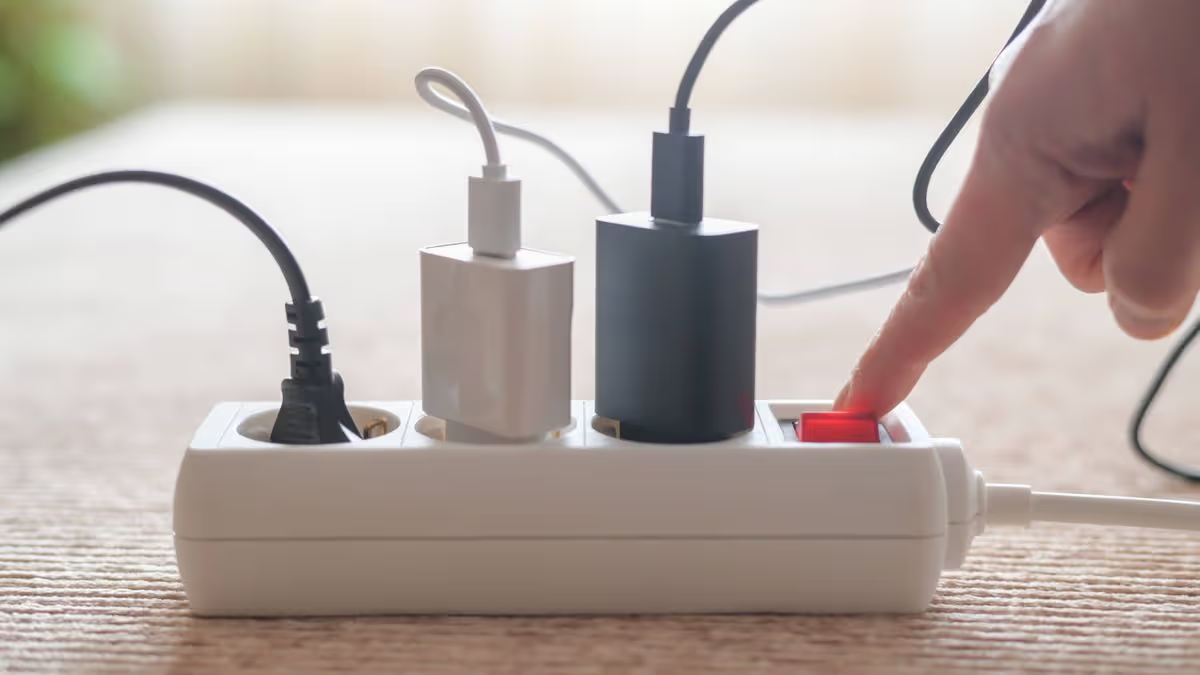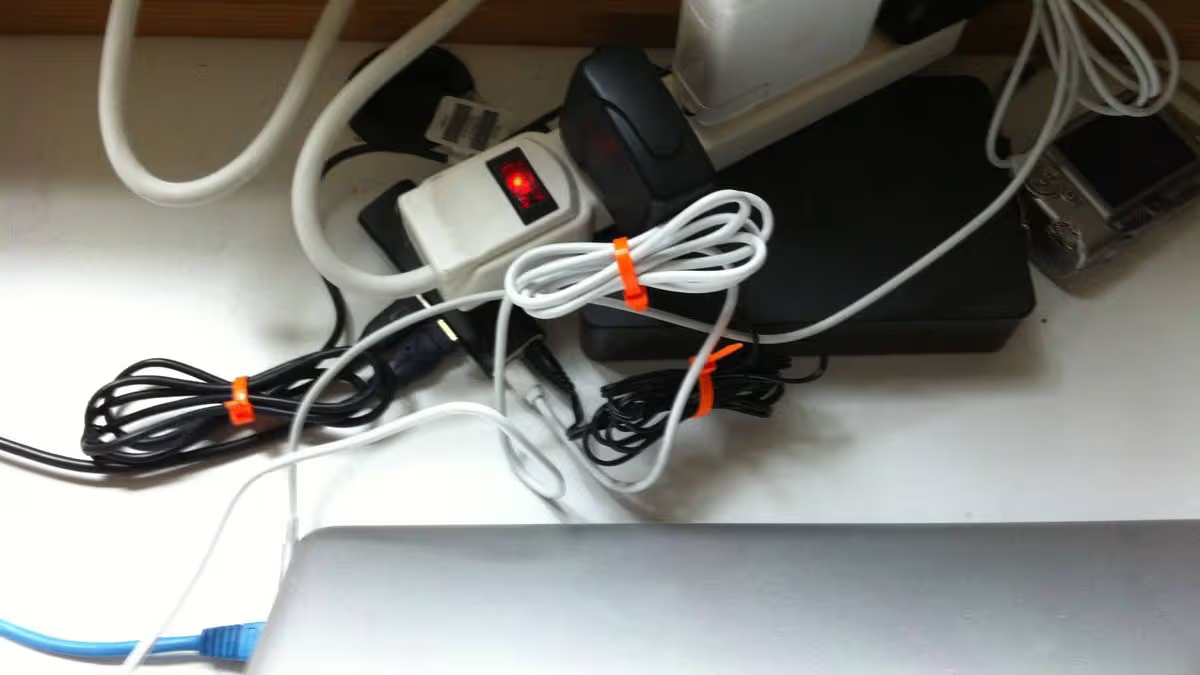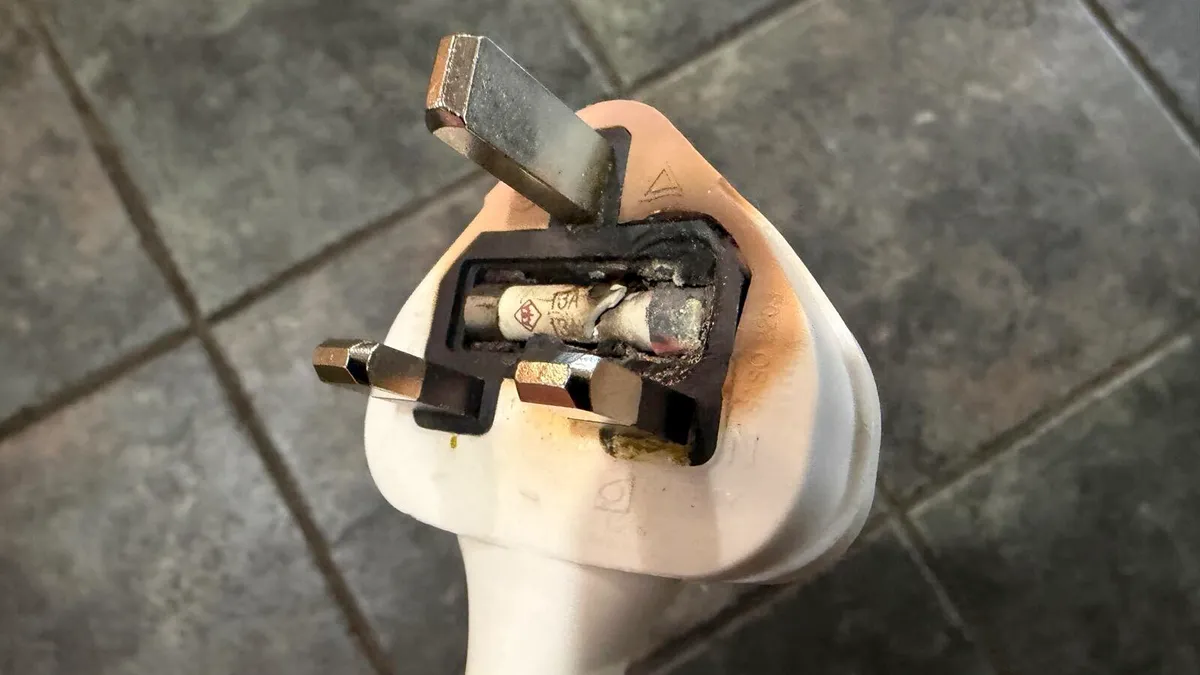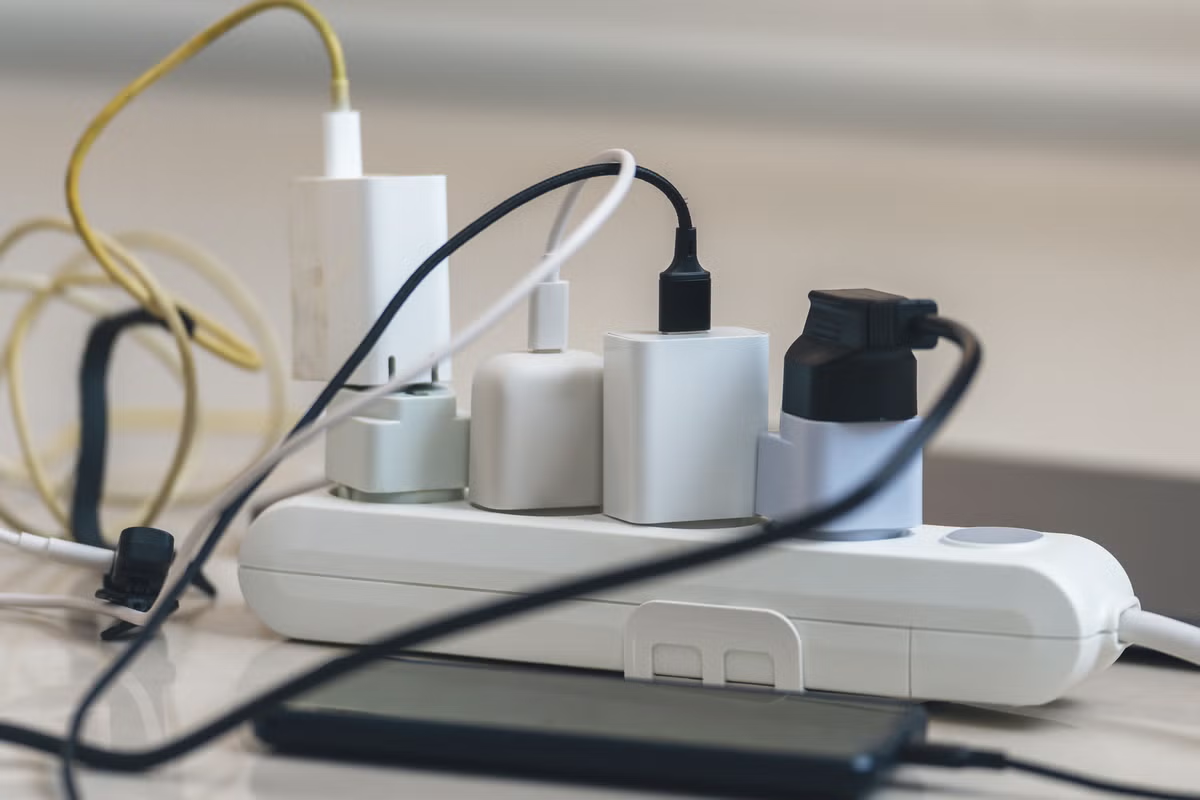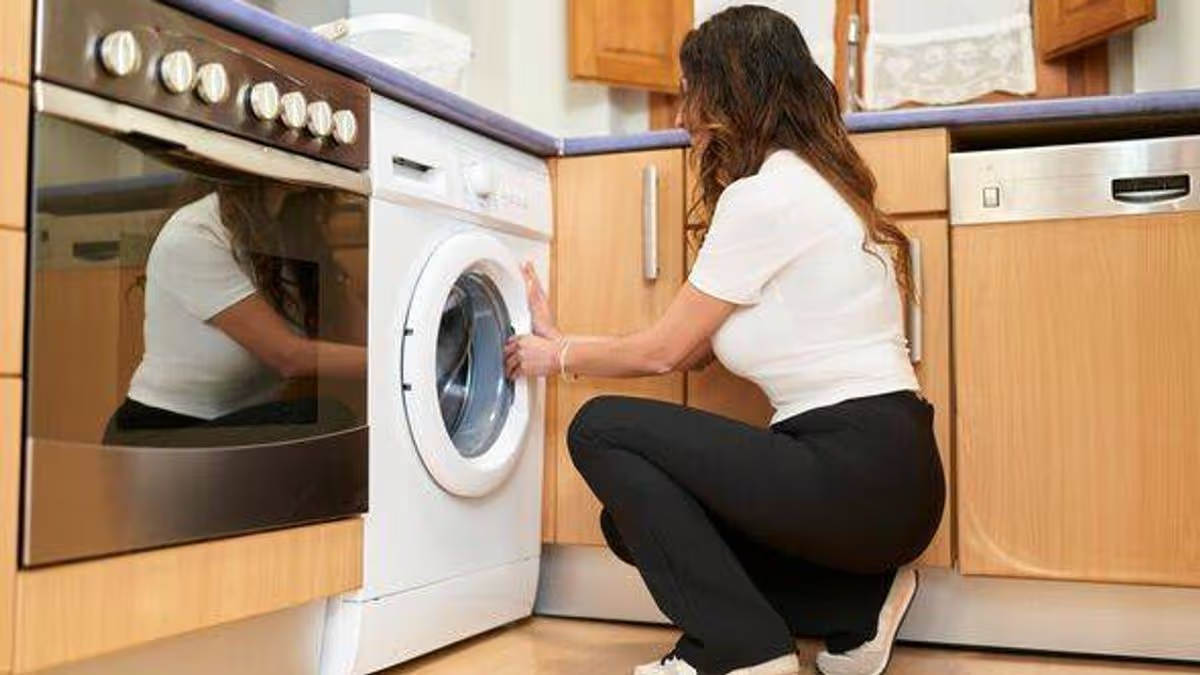
NewsUK NewsSafety FirstAn energy efficiency expert has issued a stark warning11:14, 05 Jun 2026Updated 11:15, 05 Jun 2026Millions of households across the UK could be unwittingly putting themselves at risk of an electrical fire by plugging high-powered appliances into extension leads.Despite being a handy household staple, experts caution that using extension leads with certain devices can present a serious fire hazard. Jamie Burns, an energy efficiency specialist from reliability firm Ailsa, has identified the top three household appliances that should never be connected to an extension lead owing to the potentially dangerous consequences.Speaking last summer, Jamie explained: "The reason for not plugging some items into an extension lead is that each lead is rated to a maximum current and having high energy/current usage equipment plugged in could amount to the lead operating out with its design characteristics, which in turn could lead to overheating and in some severe cases catching fire."3 household appliances that should never be plugged into an extension leadMicrowaves: "These pull a lot of current to operate, even with short usage."Fridge-freezers: "As these are continually powered on and pulling current there is a risk of overheating an extension cable."Washing machines: "These draw a large amount of current during operation."Further examples include kettles, toasters, dishwashers, tumble dryers and portable electric heaters.Jamie cautioned: "These all draw a high current for periods and can be dangerous if plugged into an extension. For anyone who is unsure if an item of electrical equipment can be plugged into an extension lead, our advice would be to check what the current of the electrical item is and then check this against the safe operating parameters for the extension lead, if these are close to each other, don't use it.Article continues below"Another key point is that extension leads are made to be a temporary solution, not a full-time fix, so if you are going to use one then just use it for the task at hand and then remove when finished. If there is a long-term use, get a qualified electrician to hardwire a power source close to the equipment for long-term safe usage."These facts are not widely known and sharing this information across as many people as possible will hopefully build up learning of this topic and reduce risk of fire across people's homes."Choose Daily Mirror as a 'Preferred Source' on Google News for quick access to the news you value.Washing machinesPeriodsSafety First
3 items you should 'never' plug into extension leads
An energy efficiency expert has issued a stark warning
400 words~2 min read